Matox News

Truth Over Trends, always!

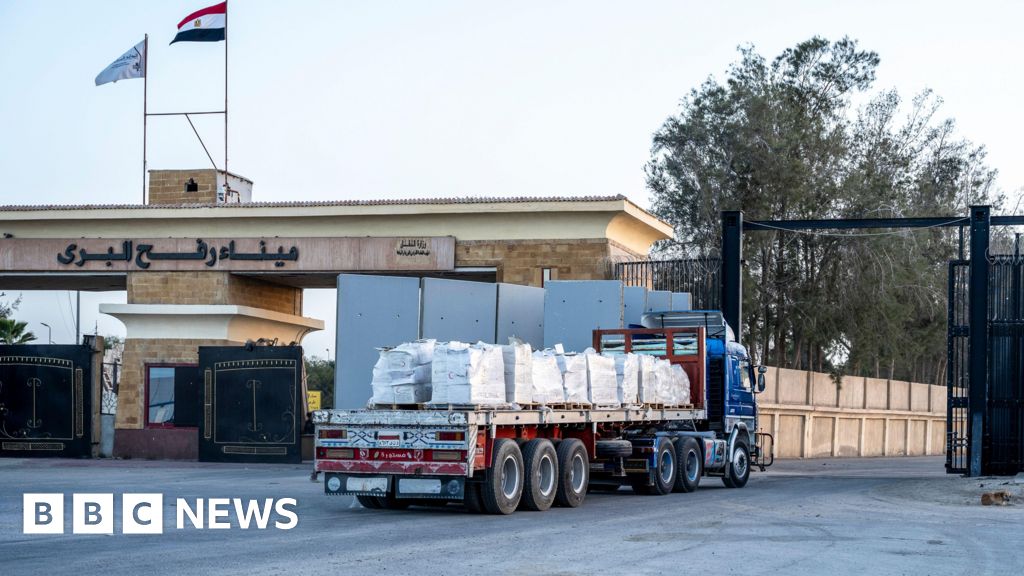
Gaza’s Rafah Crossing with Egypt Opens Again, Boosting Hope and Access

Recent developments in the Israeli-Palestinian conflict have once again underscored the fragile state of peace and stability in one of the world’s most volatile regions. Reports indicate that Palestinians will now be restricted to only a few dozen individuals and a negligible volume of goods crossing borders in both directions daily. Such stringent limitations reflect ongoing efforts by Israel and regional authorities to tighten control over Palestinian territories, particularly in the Gaza Strip and the West Bank.

This measure, which comes amid heightened tensions and sporadic clashes, represents a significant shift in border policies, impacting not only daily life but also the broader geopolitical landscape. Analysts from institutions like the International Crisis Group warn that such restrictions could exacerbate economic hardship and deepen humanitarian crises, especially as the Palestinian population faces shortages of essential supplies. The move draws criticism from Palestinian leaders and international observers, framing it as a form of collective punishment that might derail fragile peace efforts. Yet, from an Israeli strategic perspective, these restrictions are justified as necessary measures to prevent militant activity and ensure security.

Historically, border controls have been pivotal in shaping the conflict’s trajectory. Observers note that decisions to tighten or relax border crossingssuch ashave often been catalysts for escalation or de-escalation. According to noted historians specializing in Middle Eastern affairs, the recurring pattern suggests that such measures tend to deepen mistrust and foster resentment among Palestinian communities, which often view these policies as systemic oppression. The United Nations and European Union have expressed concern over these latest restrictions, warning that they could hinder efforts towards a two-state solution. Despite international calls for de-escalation, both sides appear entrenched in policies that maintain the status quo but risk further destabilization.

The geopolitical impact of this development extends well beyond the immediate region. As the world’s eyes remain fixed on the Middle East, nations across Europe, Asia, and the Americas watch how these policies influence regional stability and global security. Critics argue that such restrictions might serve as a catalyst for broader Sunni-Shia tensions, or even trigger a new wave of militant resurgence, thereby complicating the broader fight against terrorism. Moreover, these border policies have implications for international commerce, diplomatic relations, and the global balance of power—especially amid ongoing conflicts and spontaneous flare-ups elsewhere.

As the conflict persists and decisions take shape that affect millions of lives, the shadow of history looms large. Historians remind us that border policies and security measures are often the first dominoes to fall in the chain of events that can lead to prolonged conflict or peace. In this moment, with the weight of past failures and future uncertainties hanging heavy, the world watches as the decision of who crosses, and how, could well determine not only the fate of Palestinians and Israelis but also the future of international diplomacy itself. The pages of history remain unwritten, yet every decision echoes, reverberating through corridors of power and shaping the destiny of generations unborn.
Netherlands to Restitute Stolen Ancient Artifact to Egypt

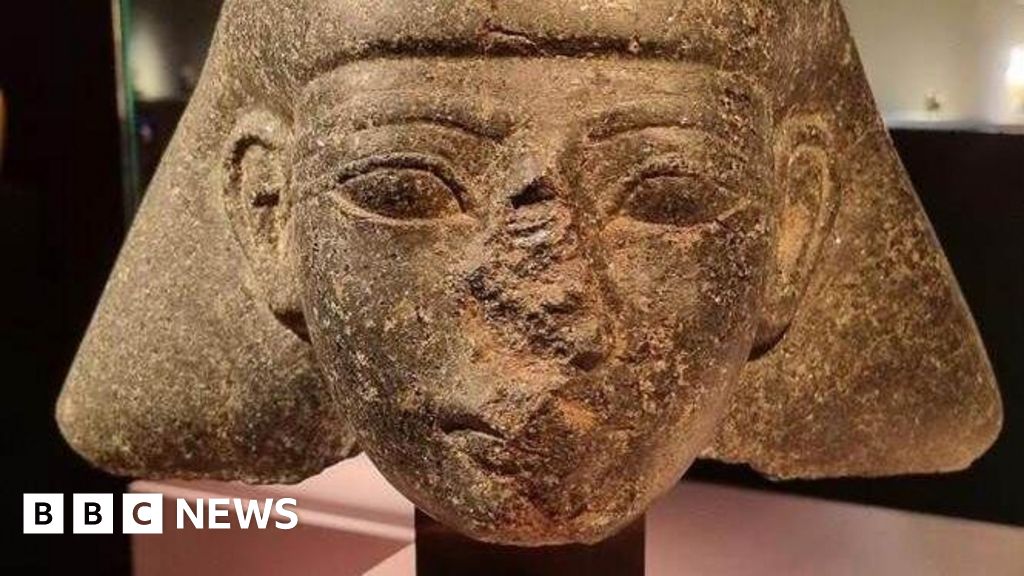
The recent announcement by the Netherlands to return a 3,500-year-old sculpture to Egypt underscores a growing international consensus on the importance of repatriating stolen cultural artifacts. The sculpture, depicting a high-ranking official from the dynasty of Pharaoh Thutmose III, was recovered following a decade-long investigation when it reappeared at an art fair in Maastricht. Authorities identified its illicit origins through an anonymous tip, highlighting the ongoing challenges in combating illegal antiquities trade. Dutch Prime Minister Dick Schoof reaffirmed the country’s commitment to returning heritage to its”); continental roots, emphasizing the cultural significance of such artifacts to their nations of origin. The gesture is being viewed as part of a broader diplomatic effort to preserve cultural identity and challenge the substantial illegal antiquities market that still plagues global museums and private collectors.

This development coincides with the grand opening of the Grand Egyptian Museum in Giza, a project fraught with delays due to political upheaval during the Arab Spring but now heralded as a beacon of Egypt’s cultural renaissance. Costing approximately $1.2 billion, the museum is poised to host an unparalleled collection of artifacts, including the entire tomb of Tutankhamun and its iconic gold mask. Prominent Egyptologists and cultural analysts see the museum as crucial for re-establishing national sovereignty over Egypt’s heritage, which has long been fragmented through colonial looting and illicit trade. Global institutions and governments face mounting pressure to expedite the return of other prized antiquities, including the much-coveted Rosetta Stone, currently held in the British Museum. The cultural and symbolic significance of these artifacts extends beyond bricks and mortar—they embody the identity, history, and future cohesion of nations like Egypt.

The international community’s stance on heritage repatriation reveals an evolving geopolitical landscape where cultural diplomacy becomes a battleground for asserting sovereignty. Critics, including various historians and international watchdog groups, argue that such acts of restitution serve as precedents for nationalistic assertions that can reshape power dynamics. Egypt’s assertive push for the return of its artifacts is emblematic of a broader movement challenging the legacy of colonial extraction, where former imperial powers are increasingly scrutinized for their roles in what many see as cultural pillaging. The return of the sculpture and the anticipation of repatriating other significant artifacts symbolize a turning point—marked by a conscious effort to rectify historical injustices and affirm national identities.

As ancient relics are progressively reclaimed and reconstructed as symbols of sovereignty and cultural pride, the fabric of international relations is being rethreaded with new threads of cultural diplomacy. The hidden stories behind stolen artifacts are now unraveling, revealing a history fraught with greed, conquest, and colonialism—yet also one of resilience and reclamation. The gravity of these developments leaves the global community at a crossroads, where decisions made today will define the cultural landscape of tomorrow. In a world increasingly defined by shifting alliances and contested heritage, the past is no longer just history—it is the foundation on which future geopolitics will be built. The unfolding saga of Egypt’s cultural reclamation stands as a testament to the enduring power of identity and the relentless pursuit of justice, a narrative still being written amid the echoes of ancient stones and modern diplomacy.

Egypt and Red Cross step up efforts to recover hostages’ remains in Gaza

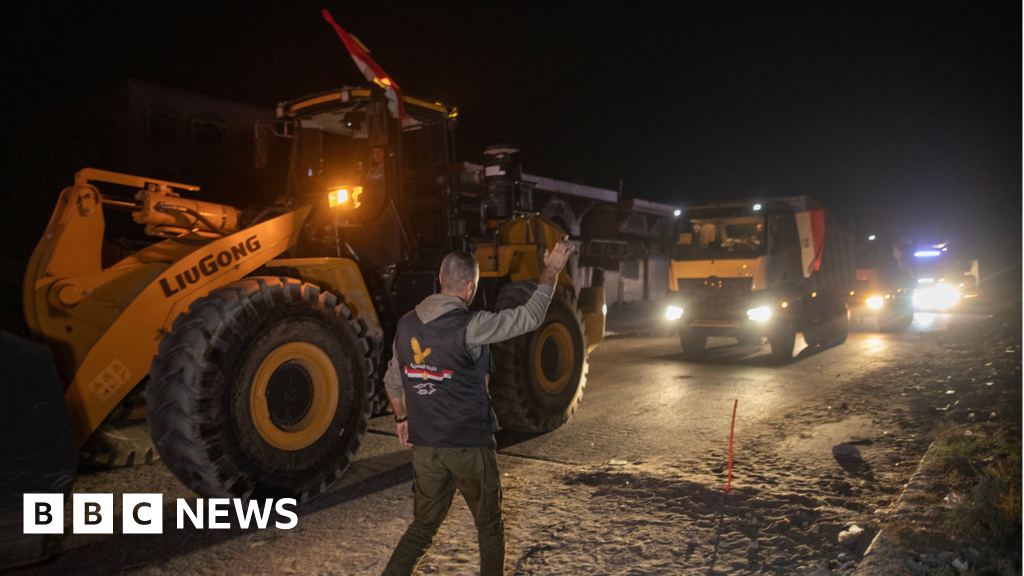
In the ongoing saga of Gaza, geopolitical tensions have reached a critical point, with international players now deeply involved in a complex chess game of power, morality, and security. The recent development sees Egyptian teams and the International Committee of the Red Cross (ICRC) granted access to search for deceased hostages, a move that has significant how decisions affect nations and societies. This access comes after more than two years of devastating Israeli military operations and intense efforts to recover bodies buried beneath rubble, a grim reminder of the human toll inflicted in the name of security and sovereignty.

Under the recent US-brokered ceasefire agreement, Hamas has transferred 15 out of 28 deceased Israeli hostages, a first phase considered vital to restoring some semblance of humanity amid chaos. Yet, the situation remains fragile and politically charged, with tensions simmering over the retrieval of bodies and the question of justice for families on both sides. Warnings from global leaders like former President Donald Trump have signaled potential military escalation; he has warned Hamas that failure to return bodies quickly could provoke swift and decisive international action. Meanwhile, Israeli Prime Minister Benjamin Netanyahu asserts that Israel will control who enters Gaza, especially regarding a proposed international force aimed at securing the ceasefire. The Israeli government, in conjunction with the US, has revealed that Turkey has been vetoed from participating, underscoring the delicate balance of power and trust in diplomatic negotiations.

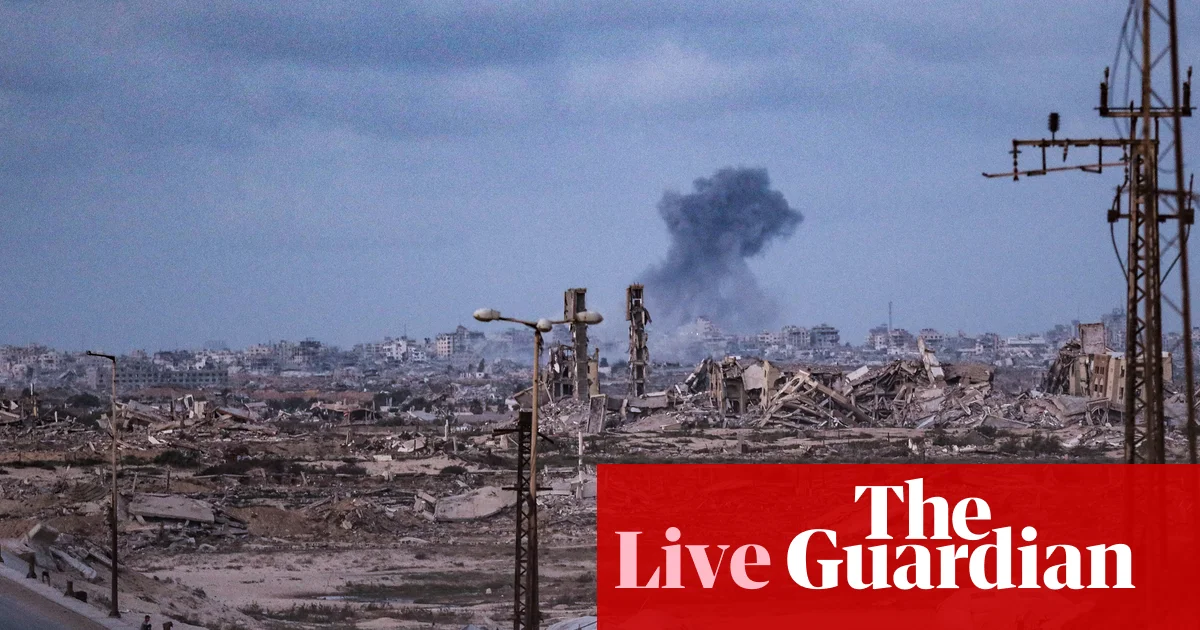
Analysts suggest any international intervention in Gaza is a double-edged sword; while it might help stabilize the region, it could also ignite further resistance and deepen divisions. Historians warn that the bottom line remains— until the root causes, including extremism and territorial disputes, are addressed, these cycles of violence will persist. With Gaza’s territory reduced to rubble—estimated by the UN to be up to 84%—the challenge of both rebuilding and reconciliation looms large. The renewed focus on the return of bodies, some of which Hamas claims are buried under bombed-out buildings, symbolizes the larger fight for dignity and truth in a land scarred by years of conflict and international neglect.

The unfolding events mark a grim chapter, yet history has demonstrated that the decisions made today in Gaza’s conflict could ripple for generations. As international organizations, leaders, and everyday citizens watch, the weight of history presses down with an undeniable significance: what happens in Gaza will determine the future of regional stability, the course of international diplomacy, and the very moral fabric of justice and security in the 21st century. Will diplomacy prevail over chaos? Or will the cycle of violence continue, forever echoing the unfulfilled promises of peace in a land torn by history? The answer remains uncertain, but the pages of history are being written in the blood and hope of those caught in the crossfire.

Trump kicks off first phase of Egypt deal, signaling bold new move

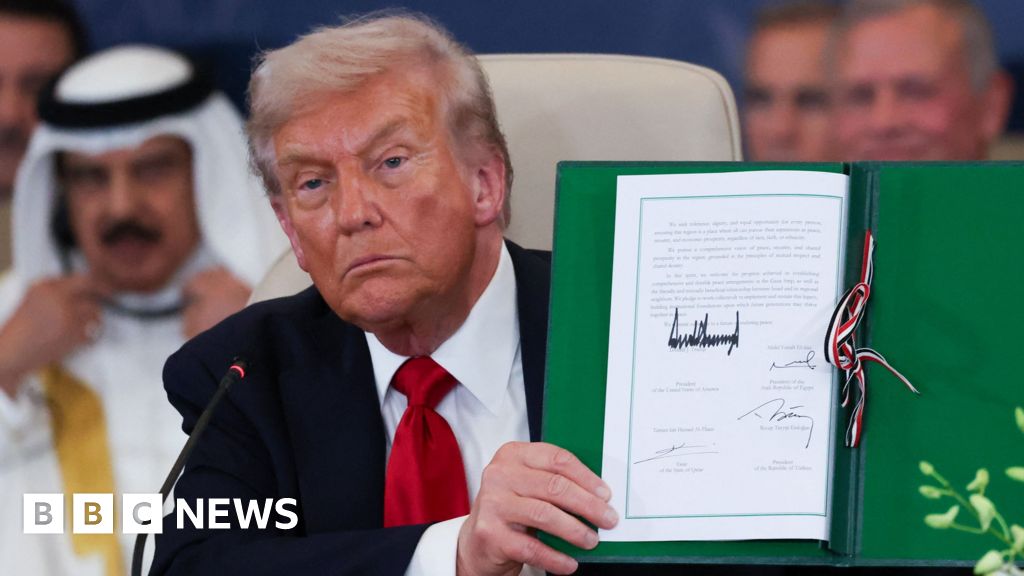
In a significant milestone for Middle Eastern geopolitics, US President Donald Trump along with other key world leaders convened in Egypt to sign the groundbreaking first phase of a ceasefire agreement in Gaza. This diplomatic breakthrough follows a period marked by intense violence, hostages, and longstanding tensions. The summit, hosted by Egypt’s President Sisi, was carefully orchestrated to serve as a turning point—an effort to forge a new path toward peace in a region historically plagued by conflict. The agreement’s signing marked a notable moment, not just for the immediate ceasefire, but for what analysts argue could be a foundation upon which a broader peace process might be built.

The symbolism was palpable. Trump posed proudly in front of a banner reading “Peace 2025,” signifying a forward-looking vision that aims to secure stability over the coming years. During the summit, Trump, Sisi, Qatar’s Emir Tamim bin Hamad Al Thani, and Turkey’s President Erdogan all signed the document, explicitly endorsing the initial phase of peace. The gathering’s optics signaled a rare moment of international consensus on the necessity of renewing dialogue in a tumultuous region that has endured decades of conflict. The involvement of key players exemplifies a recognition that international cooperation remains crucial for the stability of the Middle East, and that only through unified effort can progress be achieved.

Furthermore, the release of Israeli hostages and Palestinian prisoners prior to the signing could be seen as a pragmatic step toward de-escalation—an acknowledgment that confidence-building measures are essential for any meaningful peace. As historians and international analysts point out, this phase could set a precedent, emphasizing that even amidst enduring conflicts, diplomacy remains an indispensable tool. The United Nations and various international organizations have cautiously welcomed the progress, highlighting that the road ahead remains fraught with challenges. Yet, this effort demonstrates that the collective will of regional and global powers can, at least temporarily, override the divisions that have long defined the landscape.

The geopolitical impact of this development extends far beyond Gaza. The outcome may influence U.S.-Middle Eastern relations, reshape alliances, and impact broader regional stability. Countries such as Turkey and Qatar, often viewed as regional mediators, are positioning themselves as pivotal stakeholders in a peace process that could redefine traditional power balances. For Israel and the Palestinian Authority, this is a moment of immense hope and uncertainty alike—an opportunity to build on momentum or risk slipping back into cycle of violence. As the international community watches closely, experts warn that real peace will depend on sustained negotiations and tangible changes on the ground.

Yet, history has shown that the path to peace in the Middle East is seldom straightforward. The looming question remains whether this first phase signifies a true turning point or merely a fragile pause in a long-standing saga. As the dust settles on the summit, the world’s gaze remains fixed on a region where each decision—each handshake and promise—could rewrite the narrative of conflict. The future of the Middle East holds its breath, as the weight of history continues to unfold with every diplomatic gesture, every scrap of hope offering a glimpse of what could be, if only the will persists.

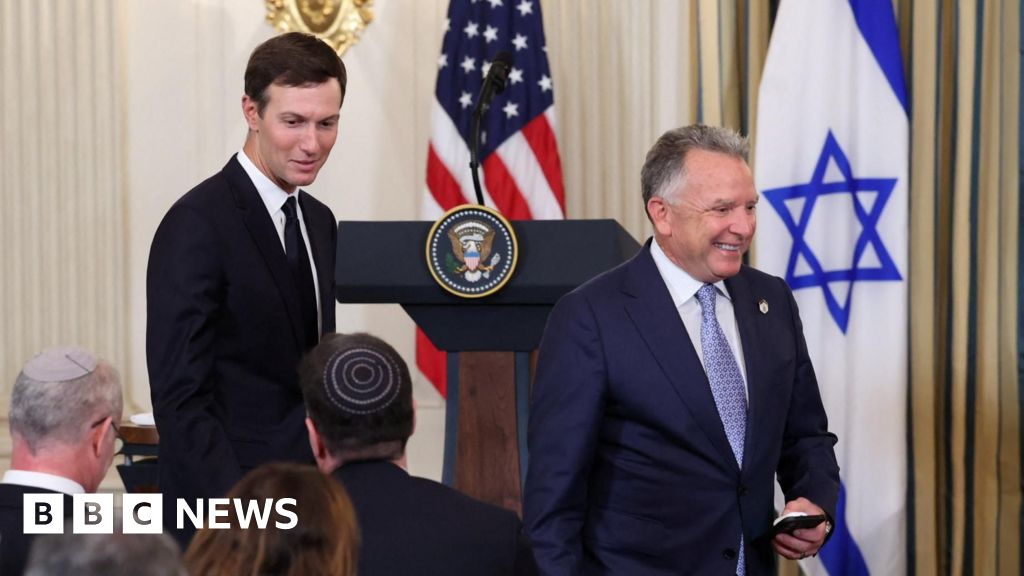
US peace envoy and Trump’s son-in-law head to Egypt for Gaza talks

Gaza Tensions Escalate as International Powers Convene for Critical Peace Talks

The ongoing conflict in Gaza has once again thrust the Middle East into global spotlight, as intense negotiations unfold amidst mounting casualties and political tensions. High-level diplomatic efforts are underway, with United States special envoy Steve Witkoff and Jared Kushner, President Donald Trump‘s son-in-law, heading to Egypt to join indirect peace talks involving Israeli and Hamas representatives. These talks, which aim to broker a ceasefire and address key issues such as hostage exchanges and humanitarian aid, come at a critical juncture in the region’s volatile history. The presence of mediators from Qatar and Turkey underscores the international recognition of the stakes involved, as regional and global actors seek to influence a resolution that could alter the geopolitical landscape for years to come.

Despite cautious optimism from some leaders, the talks have revealed deep divides. Israeli Prime Minister Benjamin Netanyahu has remained tight-lipped on the details but emphasized that Israel is in “fateful days of decision,” signaling that resolve to achieve war aims remains firm. Israeli objectives focus on the return of hostages, dismantling Hamas, and ensuring Gaza’s long-term security—an agenda that carries profound implications for regional stability. Meanwhile, Hamas negotiator Khalil al-Hayya insists the group is prepared for “serious and responsible negotiations,” demanding “real guarantees” that a sustained peace will follow. Such demands, coupled with Israel’s uncompromising stance, highlight the formidable challenges mediators face as they attempt to narrow gaps and forge a sustainable deal.

Global Reactions and the Broader Impact on International Stability

  • UN Secretary General António Guterres has described the situation as a “historic opportunity” to bring an end to decades of conflict, urging all parties to seize on the current diplomatic window.
  • Meanwhile, analysts and historians warn that failure in these negotiations could plunge the region into further chaos, possibly escalating into broader regional conflicts or even drawing in external powers.
  • Significantly, the international community remains divided: while some leaders see peace as imperative, others—particularly within Iran and radical factions—continue to endorse a more aggressive stance, complicating efforts for reconciliation.

The geopolitical impact of this ongoing crisis extends beyond immediate casualties; it threatens the very fabric of international order. The delicate balance of regional alliances, the role of convening global institutions, and the policies of powerful nations remain locked in a tense standoff. As historians warn, the outcome of these negotiations could define the geopolitical boundaries of the Middle East for generations—keeping a fragile peace as elusive as ever. With casualties mounting, territories destabilized, and the shadows of past conflicts looming large, the question persists: will diplomacy prevail, or will this be the chapter where history’s darkest days are renewed? The world watches as history writes itself, with each decision holding the weight of countless futures yet to be realized.

Gaza Ceasefire Talks Under Way as Israeli Airstrikes Persist Amid Egypt Negotiations

Gaza Conflict and the Shifting Geopolitical Landscape: A New Chapter Unfolds

The ongoing crisis in Gaza remains a defining moment for international geopolitics. As Israel continues its airstrikes, the diplomatic landscape shifts toward fragile negotiations titled to reshape the Middle East. The recent escalation, marked by relentless Israeli bombardments in Gaza, has seen the death toll rise, with Palestinian news agencies-reporting at least 24 fatalities within 24 hours, and several others wounded. Despite international pleas—such as from U.S. Secretary of State Marco Rubio urging a halt to military actions to facilitate hostage negotiations—conflict persists with devastating consequences for civilians.

This crisis is not isolated; it is a theater in a complex chess game involving global powers. The US and Egypt are spearheading talks, with the announced indirect negotiations aiming at a ceasefire. These diplomatic efforts are a critical juncture in Middle Eastern history, with analysts warning that the decisions made now will resonate for generations. The involvement of Egyptian President Abdel Fattah al-Sisi, who praised Donald Trump’s proposed peace plan, signifies the shifting alliances. Al-Sisi’s remarks—describing Trump’s initiative as “seeking a ceasefire after years of war, genocide, and suffering”—highlight a rare moment of regional consensus on the potential for peace, albeit fragile and fraught with the specter of wider escalation.

The Trump 20-Point Peace Plan: A Controversial Blueprint for Gaza

  • The plan envisions Gaza as “a de-radicalized terror-free zone” that does not threaten its neighboring states, a stark deviation from the past visions of occupation or annexation.
  • It proposes that Gaza’s population could remain in situ, with those wishing to leave permitted to do so, thus avoiding mass displacement—a contentious point among various political factions.
  • Once hostages—expected to include both living and deceased—are released, the plan advocates the granting of amnesty for Hamas members willing to accept peaceful co-existence, renounce weapons, and disarm—an approach that has drawn both cautious optimism and fierce criticism.
  • Notably, the plan leaves unresolved the future of Palestinian statehood, instead emphasizing “interfaith dialogue” to foster tolerance.

While some, including Israeli Prime Minister Benjamin Netanyahu, have accepted the framework, skeptics warn that the plan’s exclusions—particularly its failure to address Palestinian sovereignty—may undermine its long-term viability. Internationally, voices from analysts such as Kenneth Roth, former head of Human Rights Watch, caution that procedural agreements in such volatile contexts may serve as mere ceasefire placeholders rather than pathways to lasting peace. Meanwhile, opponents argue that “giving a blank check” to Israeli military actions cedes ground to hardline factions seeking maximal territory or dominance.

Global Implications and the Price of Hesitation

The eastward movement of diplomatic efforts underscores a broader geopolitical shift. Countries like Qatar and Egypt, traditionally mediators, find themselves at a crossroads: support for peace plans like Trump’s depends heavily on regional stability and their strategic interests. The involvement of figures like Tony Blair, heading an international board overseeing Gaza’s redevelopment, amplifies the broader role global institutions aim to play in shaping a new Middle East order.

Yet, history demonstrates that such moments are often fleeting and deceptively fragile. As the world looks on, the silent victims—the innocent civilians caught in the crossfire—serve as stark reminders that the path toward peace is perilously narrow. The future of Gaza, and indeed the entire Middle East, remains a delicate balance of diplomacy, power, and unresolved conflict. With each geopolitical move, history’s pen records another chapter—its ink shaped by decisions that will echo through the generations, and its final outcome still unwritten amidst the chaos and hope of a complex war-torn region.

U.S. Envoys Travel to Egypt for Gaza Ceasefire; Trump Claims Breakthrough Near

In a development marked by international diplomacy and regional instability, the United States appears to be intensifying its role as a pivotal mediator in the ongoing gaza conflict. White House officials announced that Jared Kushner, former senior advisor and son-in-law to President Donald Trump, along with Steve Witkoff, are heading to Egypt to negotiate a potential ceasefire and hostages’ release. The move signals an active US attempt to de-escalate violence that has claimed thousands of lives, primarily among civilians, in Gaza. Amid the fragile diplomatic climate, Egypt is poised to host delegations from Israel and Hamas on Monday, reflecting its strategic position as a regional diplomatic hub. The implications of these negotiations extend beyond mere hostages, touching upon the very sovereignty and security of multiple nations involved in this complex turmoil.

The geopolitical impact of these developments resonates profoundly as Israel strives to recover its image and assert military dominance, while Hamas remains resistant to diplomatic overtures and continues to resist disarmament demands. Israeli Prime Minister Benjamin Netanyahu expressed hope of bringing home all remaining hostages during the upcoming Jewish holidays of Sukkot, emphasizing the political weight of the negotiations. Meanwhile, Trump publicly articulated that the US is “very close” to an agreement, claiming that “every country of the world in favor” of the deal. His remarks coincide with accusations from Hamas that Israel’s continued massacres and bombings defy the narrative that military operations are being scaled down, suggesting that the peace process remains fragile and fraught with accusations and distrust. The outcomes of these negotiations hold significant geopolitical consequences, impacting regional stability and international perceptions of conflict management.

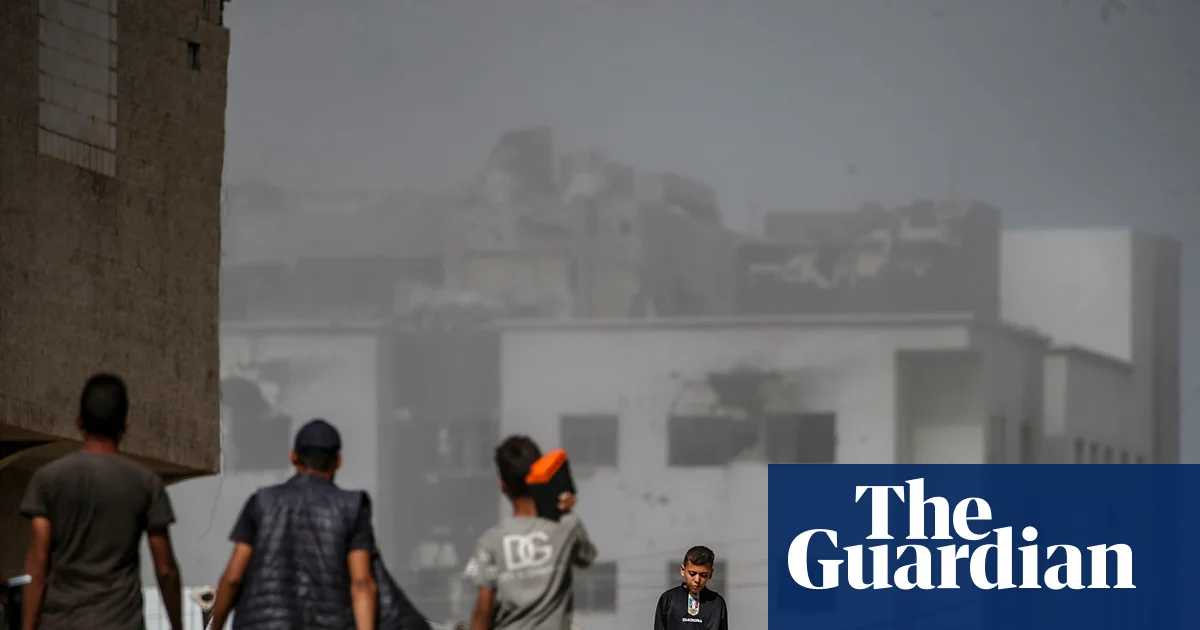
The humanitarian toll in Gaza continues to deepen, with reports of at least 17 Palestinians killed in a single Israeli attack on Saturday, most of whom were women and children. The escalation includes targeted drone strikes, house raids, and a brutal blockade that, according to UN experts and humanitarian agencies, risks crossing into a chapter of genocide. Israel rejects this classification, asserting its actions are strictly for self-defense. Historians and analysts warn that such escalations threaten to ignite a broader regional confrontation, with Turkey’s Recep Tayyip Erdoğan playing a distraction role by pressing Hamas for a swift resolution. As the world watches, the underlying question remains—will diplomatic negotiations hold, or will this cycle of violence spiral into a larger regional conflict, dragging everyone into an unpredictable and destructive future?

In the shadow of global diplomacy, the pieces are moving on a geopolitical chessboard that could tilt toward peace or chaos, with history’s pen poised to write its next chapter. The current negotiations may serve as a fleeting turning point or a tragic foreshadowing of an even darker era. As the world holds its breath, the ongoing dance of diplomacy and warfare underscores the harsh reality that in this volatile region, the decisions of today will echo through generations, shaping a future where hope and despair remain locked in mortal conflict.

Social Media Auto Publish Powered By : XYZScripts.com