
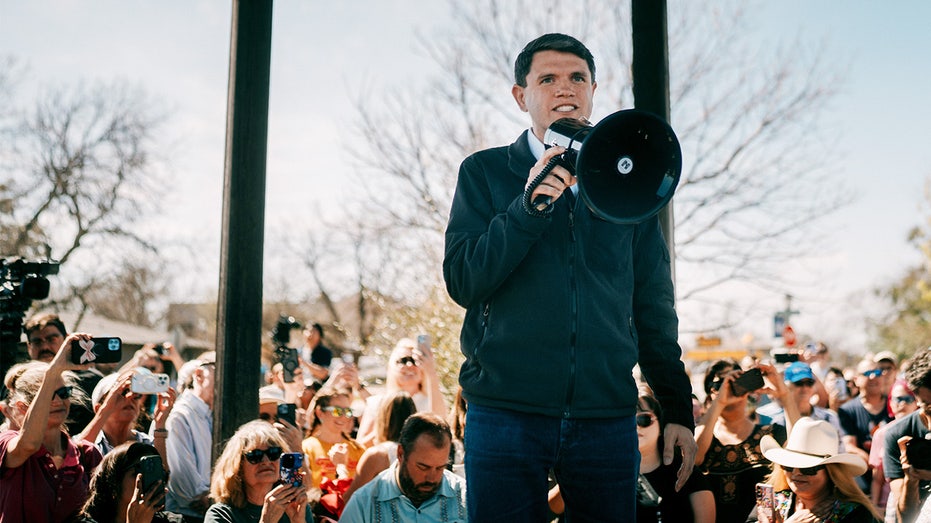

James Talarico, the Democratic nominee for the Texas Senate, has publicly questioned the fairness of the state’s electoral system, arguing that current Texas election laws disadvantage his campaign. His remarks reignite a long-standing debate over voting regulations and their impact on democratic participation in the Lone Star State.
Talarico’s Challenge to Texas Voting Regulations
Talarico, seeking to become the first Democrat to win statewide office in Texas since 1994, contends that state laws have ‘stacked the deck’ against candidates like himself. He expressed this view in a recent podcast interview, suggesting that a victory would require winning by a larger margin than in a ‘completely free and fair election.’ This perspective underscores a fundamental disagreement over the accessibility and integrity of the state’s electoral framework.
His posture aligns with a broader Democratic argument that Republican electoral dominance in Texas stems from suppressed turnout due to election security measures, rather than inherent conservative voter leanings. Talarico has vowed to ‘out-organize, out-work, out-hustle that voter suppression’ if he is to succeed in the upcoming election cycle.
Upholding Election Integrity: The State’s Perspective
Following the COVID-19 pandemic, Texas lawmakers enacted several election security bills aimed at strengthening voter confidence and ensuring the integrity of the ballot. These measures, championed by proponents of orderly electoral processes, sought to prevent potential vulnerabilities and uphold the public’s trust in election outcomes. Chief among these was Senate Bill 1 (SB1), a comprehensive measure designed to standardize and secure the voting process, which Talarico opposed as a legislator.
Key provisions of SB1, reflecting a commitment to transparent and secure elections, include:
- Mandating specific identification numbers for voting and voter registration, such as a Texas driver’s license, an election identification certificate, or the last four digits of a Social Security number. This aims to ensure that only eligible voters cast ballots and reduce instances of duplicate registrations.
- Prohibiting drive-through voting, a practice that emerged during the pandemic, to standardize voting methods and enhance oversight.
- Banning the unsolicited mailing of ballot applications, a step intended to prevent potential fraud and streamline the application process for those actively seeking absentee ballots.
These reforms, strongly supported by many conservatives, were presented as essential steps to protect the sanctity of the vote and maintain public trust in electoral outcomes. They underscore a commitment to voter integrity by establishing clear, consistent guidelines for participation.
The Broader Political Landscape
Talarico’s campaign, despite raising a substantial $40 million as of March, faces a formidable challenge against Republican incumbent Ken Paxton, the current Texas Attorney General. Paxton benefits from significant name recognition and a strong conservative base, presenting an uphill battle for any Democratic challenger in the state.
The Democratic strategy to ‘flip’ Texas has been a persistent national goal, often characterized by efforts to increase voter turnout and challenge existing electoral frameworks. This ongoing struggle highlights a fundamental ideological divide regarding the balance between voter access and election security. The debate, as detailed in a recent Fox News report, continues to shape political discourse in Texas, impacting strategy and voter mobilization efforts across the political spectrum.
The debate over Texas election laws underscores a fundamental disagreement on what constitutes a free and fair election, with implications for voter confidence and the integrity of the democratic process.
The upcoming election will serve as a crucial test for both Talarico’s organizational prowess against what he terms ‘voter suppression’ and the effectiveness of Texas’s election integrity measures. As the campaign progresses, the discussion surrounding these foundational electoral principles is set to remain a central theme, reflecting deeply held beliefs about the democratic process in the Lone Star State and its future political direction.






