Matox News

Truth Over Trends, always!

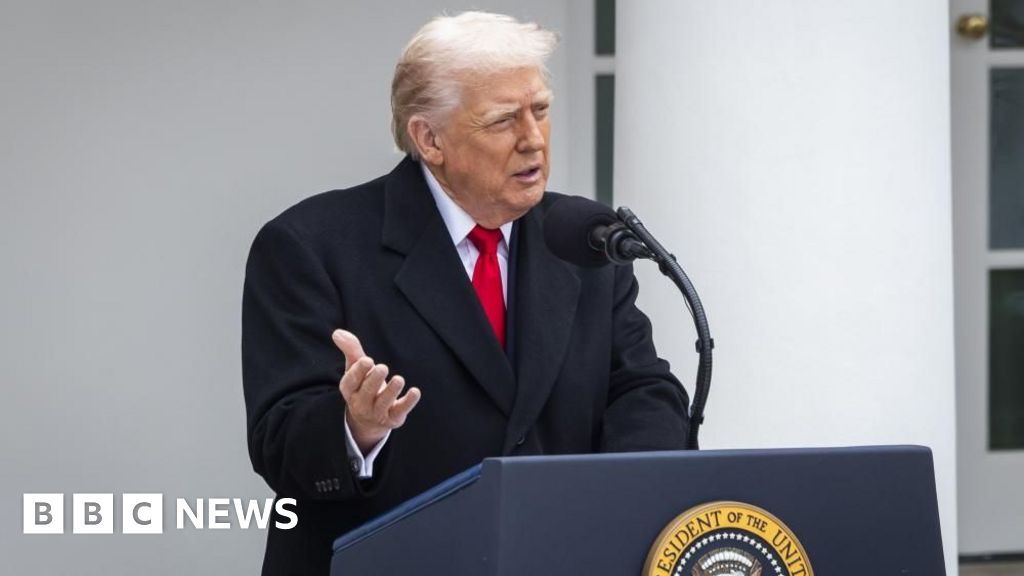
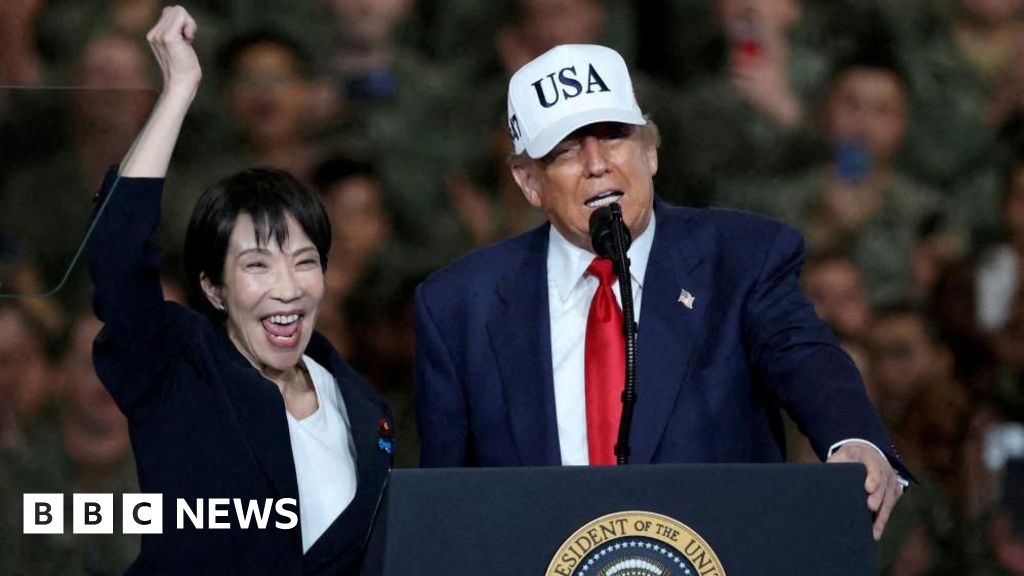
Trump backs Takaichi in Japan’s urgent election push

In an unprecedented move that underscores a significant shift in international geopolitics, the United States has publicly endorsed a candidate in a foreign election for the first time in recent history. Traditionally, America’s foreign policy and diplomatic efforts have focused on supporting democratic processes through behind-the-scenes influence rather than overt backing of specific individuals or parties. However, recent developments suggest a profound change in strategy, with the potential to ripple across global power dynamics.

This intervention has ignited a fierce debate among international analysts, historians, and policymakers. Critics argue that such direct interference contravenes the principles of sovereignty and non-intervention enshrined in the UN Charter and other international agreements. Conversely, proponents within the U.S. government contend that safeguarding national interests often involves strategic engagement in foreign political affairs. This marks a departure from past caution, signaling a more assertive U.S. posture that emphasizes direct influence over the political landscape of key allied and adversarial nations alike.

The geopolitical impact of this overt support extends far beyond the immediate electoral outcome. America’s active involvement could weaken legitimacy for the elected government, complicate diplomatic relations, and embolden adversarial nations to pursue their own interventions. It also raises profound questions about the erosion of international norms regarding sovereignty and free elections. Prominent international organizations, such as the European Union and the G7, have expressed cautious concern, emphasizing the importance of respecting national sovereignty and impartial electoral processes. Meanwhile, many regional leaders worry that this new American posture could unleash a domino effect, where other powers, notably Russia and China, escalate their efforts to influence foreign elections—destabilizing global stability.

Historical analysis by leading scholars underscores that intervention in foreign elections usually backfires, fostering resentment and diminishing long-term American influence. Experts suggest that this move signals a strategic recalibration, possibly influenced by recent geopolitical shifts and the rise of nationalist movements worldwide. According to the International Crisis Group, these actions risk sowing suspicion and hostility in regions where local populations are already wary of foreign interference. The broader narrative now depicts a global arena where power struggles shift from conventional military confrontations to a subtler, yet arguably more dangerous, race for influence through political meddling.

This episode leaves the world teetering on a precipice, with history’s unfolding pages recording a pivotal moment. As the U.S. asserts itself more boldly on the international stage, nations must grapple with the dual realities of defending sovereignty while confronting the new norms of global influence. The question remains: will this strategy reinforce American dominance or ignite a dangerous chain reaction with consequences that could reshape the international order for generations? In the turbulent tides of history, the answer is yet to fully emerge, leaving nations to wonder whether they are witnessing the dawn of a new era or the twilight of diplomatic trust.
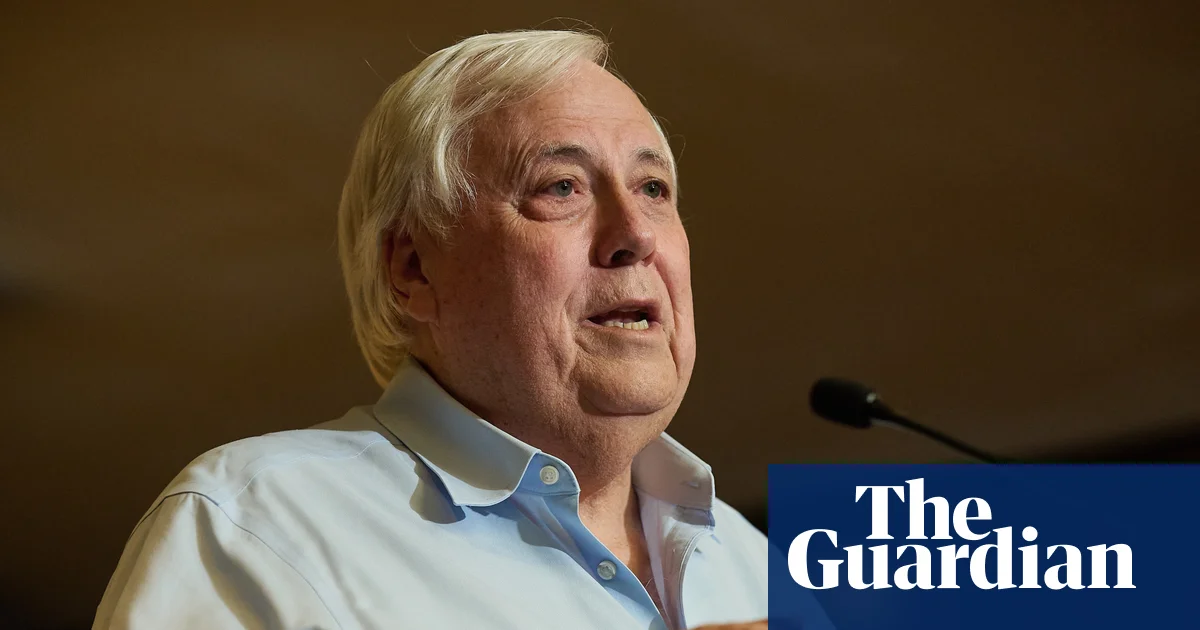
Clive Palmer dismisses Bannon's claim he plotted 2019 Aussie election ad gambit
Clive Palmer dismisses Bannon’s claim he plotted 2019 Aussie election ad gambit

Global Political Power Plays Unveiled: The Hidden Hands Behind Elections and Their Geopolitical Impact

In recent developments that underscore the complex web of international influence, controversial revelations have emerged concerning the 2019 Australian federal election. While official narratives often emphasize local democratic processes, evidence suggests that covert foreign interventions and international strategists may have played a significant role in shaping the outcome. An investigation into documents released by the US Department of Justice has shed light on communications allegedly involving Steve Bannon, a notorious figure in American right-wing politics, and the enigmatic figure linked to Jeffrey Epstein. These messages seem to imply that strategic foreign-backed advertising campaigns targeted Australian voters, aiming to polarize politics and influence policy directions.

Specifically, the messages purport that Bannon claimed to have orchestrated a \u201c$60 million anti-China and climate change\u201d advertising blitz for billionaire Clive Palmer. Such assertions are currently under skepticism, with Palmer’s spokesperson dismissing them as mere “bullshit.” Nonetheless, the implications of these claims point to a broader pattern: the use of shadowy political meddling as a tool to sway elections on a national level, with far-reaching geopolitical consequences. As analysts observe, these tactics not only distort democratic processes but also weaponize misinformation to bolster strategic allies and weaken adversaries in Asia-Pacific—a region of escalating importance in global geopolitics.

How Decisions to Influence Elections Reshape Society and Global Power Dynamics

Historically, commentators and analysts such as Professor Anne-Marie Slaughter have warned that the lines between domestic politics and international influence are blurring dangerously. The recent Australian case exemplifies this, with local elections being affected by foreign-funded campaigns that amplify fear and suspicion—particularly regarding China, a rising superpower. The 2019 election’s aggressive advertising campaigns, which included claims of a \u201cclanestine\u201d Chinese takeover, exemplify how powerful narratives can be used to mobilize voters, often based on outright misinformation or fearmongering. This phenomenon exemplifies a new battleground for global influence, where national sovereignty and societal trust are increasingly vulnerable to covert foreign manipulations.

Moreover, influential international organizations such as the United Nations have expressed concerns over these trends, warning that such covert interventions threaten the very foundation of democracy. At the same time, Western governments face a critical challenge: how to combat misinformation without infringing on sovereignty or free speech. The case of Clive Palmer’s campaign also highlights how preferential deals and monetary influence can significantly shift voter behavior, often negatively affecting political stability and public trust. As Western democracies confront these clandestine tactics, the mounting question remains: how much longer can nations remain resilient against a new era of invisible warfare that seeks to manipulate societies from behind the curtain?

The Rising Tide of Influence and the Weight of History

The current controversy encapsulates a crucial turning point in the international arena—where power is no longer confined to traditional military and economic dominance but expands into the digital and informational realms. Historians warn that these covert strategies, if unchecked, risk unleashing a novel form of global instability. As nations like Australia become battlegrounds for influence, their societies are drawn into the larger contest between Western liberal democracies and authoritarian regimes seeking to reshape global governance.

The unfolding story does not merely involve distant political actors wielding influence in foreign elections; it echoes a broader narrative of how decisions made behind closed doors impact countless lives across continents. As state-sponsored misinformation campaigns grow more sophisticated, the boundary between truth and manipulation becomes perilously thin. History whispers warnings—that the struggle for sovereignty and societal integrity hinges on vigilance and resistance to unseen forces. The next chapter in this unfolding drama remains unwritten, but the weight of history presses heavily on the present, urging nations and societies to confront their vulnerabilities before they are forever altered by shadows in the halls of power.

Atlanta FBI Boss Ousted After Raising Concerns Over DOJ’s 2020 Election Focus

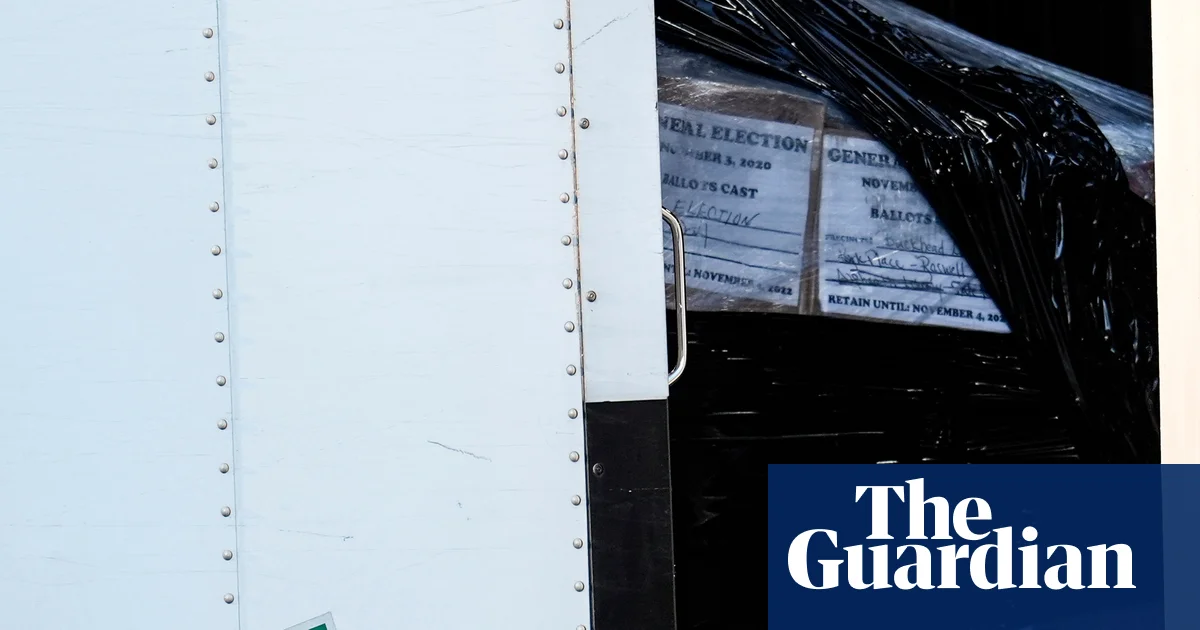
In a decisive move that underscores the ongoing turmoil over the legitimacy of the 2020 presidential election, recent events in Fulton County, Georgia have thrust the American political landscape into renewed chaos. The FBI’s Atlanta field office experienced a controversial personnel shake-up, with the special agent in charge, Paul W Brown, reportedly removed from his post after voicing concerns about the unsubstantiated allegations of voter fraud perpetuated by Donald Trump. This unexpected personnel change coincided with a major raid by the Department of Justice, which seized approximately 700 boxes of election-related records from the Fulton County elections office—an action many see as an escalation in partisan confrontations over the legitimacy of the 2020 election results.

Critics and analysts argue that these developments are reflective of a broader trend of political overreach and destabilization that threatens the integrity of American democracy. The removal of Brown came shortly before the FBI executed a search warrant, which, according to insiders, was aimed at uncovering evidence related to the 2020 election—a period marked by widespread claims of fraud that have been repeatedly debunked by election integrity experts. However, the presence of figures like Tulsi Gabbard, the nation’s intelligence director, at the scene has further intensified partisan tensions, prompting concerns among Democratic lawmakers about potential partisan overreach. As Robb Pitts, the Fulton County Board of Commissioners chair, publicly defended the county’s election process, asserting that “the outcome of the 2020 election will not change,” the underlying message remains clear: the controversy persists as a political tool to undermine trust in electoral systems.

Distinguished from these events is the broader geopolitical significance of America’s tumultuous domestic politics. Many international observers, including prominent historians and analysts from institutions like the European Union and United Nations, have warned that such internal strife weakens America’s global leadership. The repeated claims of election rigging, despite being thoroughly discredited, continue to erode the moral authority of American institutions. These narratives are exploited by adversaries seeking to diminish the influence of the United States on the world stage, undercutting long-standing alliances and destabilizing international order. As the United States grapples with its internal divisions, the fissures threaten to embolden autocratic regimes that see chaos at home as a strategic advantage.

Meanwhile, the debate over how elections are conducted and validated in America reflects a deeper ideological struggle that could reshape the very fabric of society. The omission of accountability and transparency could lead to a dangerous erosion of faith in democratic processes altogether—a scenario warned against by historians who emphasize the importance of electoral trust for democracy’s survival. With the 2024 presidential race now on the horizon, the question remains whether the United States can reconcile these divisions or if a turning point in its history—marked by increased polarization and international skepticism— is imminent. As the world watches, the shadows of the past threaten to haunt the present, leaving an uncertain and turbulent legacy that will define the next chapter of global geopolitics—its outcome still very much unwritten.

Germany blames Russia for 2024 cyber assault and election interference

Germany has officially levied accusations against Russia for engaging in a series of aggressive cyber-operations, signaling a significant escalation in the already tense relationship between the two nations. According to a statement from Germany’s foreign ministry, Russian military intelligence is believed to be behind a cyber-attack targeting German air traffic control systems in August 2024, an incident that, if true, raises profound security concerns across Europe. This move is viewed by many analysts as part of a broader pattern of hybrid warfare tactics employed by Moscow to destabilize Western democracies and manipulate international stability.

Furthermore, Germany’s allegations extend beyond cyber interference, claiming that Russia sought to influence and destabilize the country’s February 2024 federal elections. The foreign ministry emphasized that these actions are part of an ongoing attempt by Moscow to undermine **Western democratic institutions** and sow discord within allied nations. In response, Germany’s government has summoned the Russian ambassador and vowed to coordinate closely with its European partners to implement counter-measures designed to hold Russia accountable, with the goal of making “Russia pay a price for its hybrid actions.” This stance echoes a wider international consensus warning against Moscow’s attempts to weaken the resolve of Western nations through covert means.

Global institutions and defense analysts are closely monitoring these developments, framing it within the context of an evolving geopolitical chess game. Experts such as Dr. Emily Carter, a respected international security analyst, point out that these cyber activities are part of a deliberate Russian campaign to demonstrate its resilience and willingness to challenge Western dominance in the digital age. The lack of an immediate response from Russia has only heightened concerns, with some voices warning that the current silence may be a strategic delay, signaling that Moscow is prepared to escalate the cyber conflict if necessary. Historically, such actions are reminiscent of Cold War-era tactics—disrupting critical infrastructure and manipulating democratic processes to extend influence and control beyond traditional battlegrounds.

As the world watches with cautious eyes, the shifting alliances and ongoing espionage battles spotlight the profound geopolitical impact of these developments. The response from Western nations underscores a broader message: that sovereignty and security are now intertwined with the invisible and insidious realm of digital warfare. The future of international stability hinges on whether these nations can effectively counter such hybrid threats before history repeats itself in a more destructive and irreversible manner. With each passing day, the weight of history grows heavier on the shoulders of leaders worldwide—reminding us that the margins of peace are thin, and the consequences of neglect are often catastrophic. In this digital Age, the struggle for dominance has shifted from traditional battlegrounds to the unseen frontiers of the cyberspace, where the rules are still being written, and the stakes could not be higher.

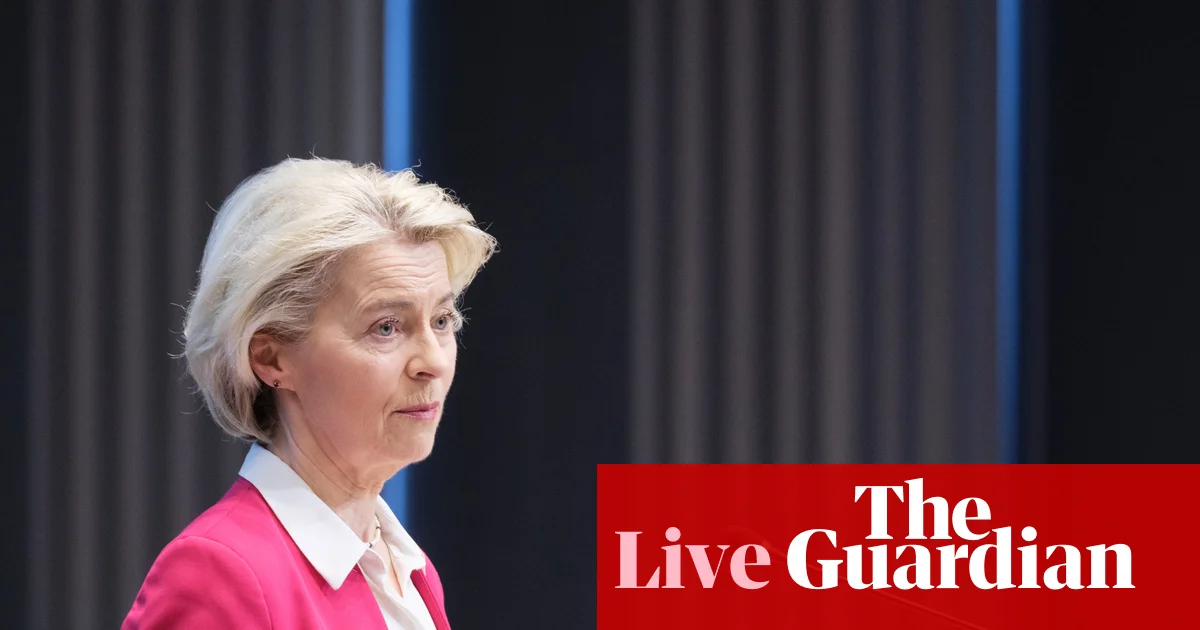
Von der Leyen slaps down Trump’s Election interference Claims—Europe Stands United

As the world observes an increasingly volatile geopolitical landscape, the spotlight remains fixed on Ukraine, Russia, and the wider Western alliances shaping international stability. Recent developments reveal a complex web of negotiations, territorial disputes, and strategic moves that could redefine borders and influence power dynamics for years to come. At the center of this maelstrom are Ukraine’s territorial integrity, Russia’s assertive claims, and the West’s cautious approach, highlighting the profound geopolitical impact of decisions made today and how they resonate across societies.

Intent on consolidating its narrative, the Kremlin’s foreign policy aide Yuri Ushakov issued a provocative statement asserting that “the whole of Donbas belongs to Russia,” despite international consensus on Ukraine’s sovereignty. This claim, vehemently rejected by Kyiv and Western analysts alike, underscores the persistent reluctance of Moscow to accept any potential compromise on territorial disputes. The strategic importance of Donbas, comprising the Donetsk and Luhansk regions, remains a key sticking point in peace talks. The European Union and NATO consider these developments as potential preludes to renewed conflict, emphasizing how Russia’s unwavering stance challenges the prospects of a peaceful resolution.

Meanwhile, in the corridors of power, UK and US officials debate the long-term security risks of a potential Ukrainian retreat. **Peter Ricketts**, a former UK security adviser, expressed deep concerns over the US proposal for a “free economic zone” in parts of Donbas under Ukrainian control, warning that these “guarantees” are likely superficial, and that Russian infiltration, reminiscent of Crimea’s annexation, would inevitably follow.** Such analysis signals a broader apprehension: that international espionage, pretext-driven incursion, and political destabilization could consume Ukraine from within, paving the way for a new phase of Russian expansion. This scenario not only threatens Ukrainian sovereignty but also jeopardizes European security architecture, prompting analysts worldwide to question whether the West’s strategies truly deter further Russian advances or inadvertently embolden them.

Amid these complex negotiations, the European Union faces internal disagreements over the handling of frozen Russian assets. Countries like Hungary oppose permanent asset freezes, whereas others discuss the possibility of using seized funds for Ukraine’s reparation efforts—a move that has ignited tensions within EU member states. The recent vetoed law in Slovakia, where President Pellegrini challenged government reform, exemplifies the fragile balance of power and the growing tensions surrounding EU coherence. Historians and geopolitical analysts warn that such internal discord could weaken the EU’s unified stance, inadvertently providing Russia with openings to exploit divisions and extend its influence across the continent.

As the diplomatic dance continues and new proposals hover on the horizon, the true question remains: whether Vladimir Putin is willing to sign a genuine peace deal or if he is merely playing a game of delay, buying time to consolidate his military gains over winter. With the ongoing narrative of fake negotiations and strategic deception, the world stands at a historical crossroads where every decision could either lead to a fragile peace or ignite a broader conflict. As atmospheric tensions escalate, the echoes of history remind us that the unfolding story in Ukraine and beyond is far from over; indeed, it is a chapter in a much larger saga of power, sovereignty, and the enduring struggle for geopolitical dominance that continues to shape the future of our societies.

Georgia prosecutor drops charges against Trump in 2020 election case

Georgia Case Dismissal Becomes Turning Point in US Political Arena

The recent decision by a Georgia prosecutor to dismiss the 2020 election-interference case against President Donald Trump marks a significant juncture in the ongoing saga of American political conflict and legal battles. Pete Skandalakis, acting as the chief legal authority in this case, filed a motion to dismiss after former District Attorney Fani Willis was disqualified due to a scandal involving a romantic relationship with a special prosecutor. This move signals not only a legal reevaluation but also a potential shift in the wider understanding of justice and accountability within the United States. While partisan voices have claimed victory, analysts warn that the consequences extend far beyond a simple legal victory or defeat.

Initially, the case was launched in response to a recording of Trump’s January 2, 2021 call to Georgia’s Secretary of State, Brad Raffensperger, where he requested assistance to find enough votes to overturn his loss in the state. This event, widely regarded as a turning point in American political history, prompted allegations of conspired election interference. However, critics argue that the case became emblematic of what many see as a politically motivated pursuit rather than a pursuit of justice. As historians and international observers have pointed out, such internal conflicts threaten the fabric of U.S. democratic institutions, especially when legal proceedings become entangled with partisan disputes.

The geopolitical impact of this case is profound. The United States, long regarded as the global beacon of democracy, finds itself grappling with internal fractures that undermine its influence worldwide. Allies and adversaries alike are watching closely, noting how internal legal conflicts are impacting America’s international image. The United Nations has expressed concern, urging the rule of law to be upheld without bias, but many analysts believe the episode underscores the broader risks to American credibility on the world stage. Countries that depend on U.S. leadership for global security and economic stability now see a nation internally divided, mirroring internal civil conflicts and tests of constitutional resilience.

The decision to dismiss the case against Trump, which included charges against 18 co-defendants such as Rudy Giuliani and Mark Meadows, is viewed by supporters as a step towards restoring judicial fairness. Yet, critics argue that the move entrenches divisions within a society already polarized by contentious elections and selective justice. International organizations warn that if the U.S. cannot resolve these internal disputes transparently and objectively, its ability to lead global efforts—whether on climate change, trade, or security—may be compromised. The stakes are high, and history has shown that internal conflicts within dominant powers often ripple outward, influencing global stability.

As the dust settles on this pivotal moment in America’s legal and political history, the world is left to witness its repercussions. This saga is far from over: a nation’s internal struggles now play out on the stage of world history, where the decisions of its leaders and the course of justice will shape the future of democracy itself. In the shadows of courtrooms and presidential debates, history is quietly watching, waiting to see if the United States can heal its wounds or if these divisions will carve deeper scars into its sovereignty—a crucible where democracy itself faces its ultimate test.

Tanzania Cancels Independence Day Festivities Amid Election Turmoil

Tanzania has made a controversial decision to cancel its upcoming Independence Day celebrations, redirecting national funds toward rebuilding infrastructure damaged amid recent election unrest. Prime Minister Mwigulu Nchemba announced this shift, emphasizing the government’s focus on internal stability over patriotic festivities. This move underscores the deepening political crisis in East Africa’s second-largest economy and raises questions about how destined to be a model of stability Tanzania is becoming. Nevertheless, international analysts warn that such austerity measures reflect underlying political fractures that threaten both regional and global security.

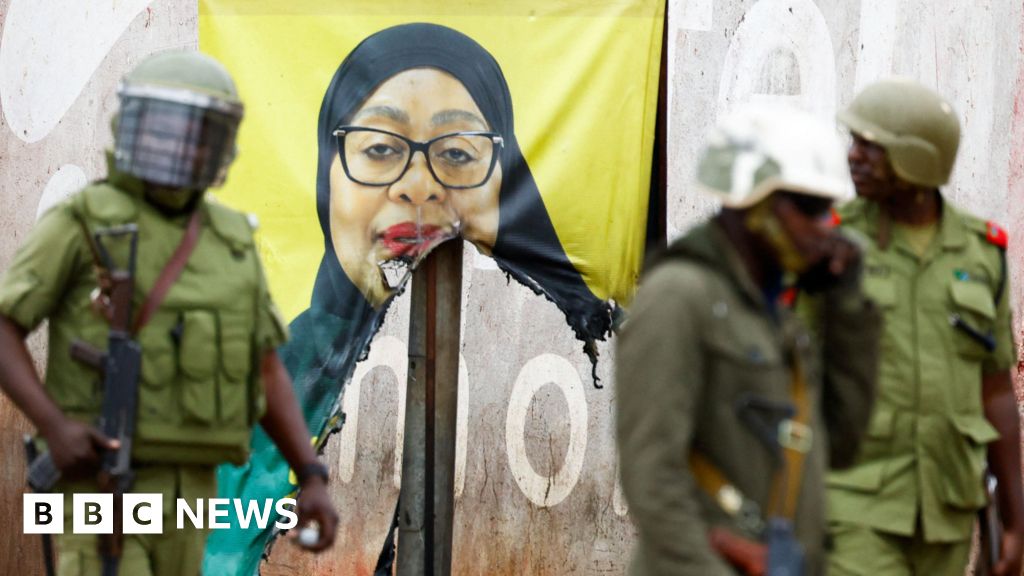
The backdrop to this decision is a disputed election perceived by many experts as a clear deviation from democratic norms. President Samia Suluhu Hassan secured a landslide victory with 98% of the vote—an outcome widely dismissed by opposition figures as a “mockery of democracy.” Her main rivals were either detained or disqualified, fueling accusations of electoral manipulation. Election observers, including representatives from renowned organizations, pointed to irregularities and a flawed process, suggesting the vote fell short of fair standards. Meanwhile, the government responded with an internet blackout during the vote, and a crackdown on protests, which has resulted in the deaths of hundreds—an assertion still denied by authorities but corroborated by numerous eyewitness reports. The international community watches this unfolding crisis with concern; the African Union and United Nations have urged transparency and dialogue, but the substance of their influence remains uncertain.

Amid these circumstances, the Tanzanian government has sought to reframe its narrative, claiming that the protests and political repression are exaggerated efforts by critics aiming to tarnish national pride. Yet, reports of mass arrests—including charges of treason against at least 240 protesters—along with the perceived erosion of democratic space, serve as stark warnings of how fragile Tanzania’s political fabric has become. Historians and geopolitical analysts alike warn that such internal strife in pivotal regional nations not only impacts national stability but also shifts the global balance of power. Analysts from International Crisis Group emphasize that sustained instability in Tanzania could embolden authoritarian tendencies in similar states and undermine regional cooperation efforts, which are central to Africa’s economic development initiatives.

As President Hassan seeks to navigate this turbulent period, her administration’s push for political dialogue and appeals for national unity appear increasingly symbolic. The decision to halt Independence Day celebrations, a hallmark of national pride, highlights both internal dissension and the potential for long-term consequences on Tanzania’s geopolitical standing. How this crisis unfolds will sculpt the narrative of East Africa’s future: a region caught at the crossroads, where the choices made today will echo through history’s corridors for generations. Making perhaps the most solemn reminder of the weight carried by leaders: in the grand chessboard of international relations, the game is far from over—and the stakes have never been higher.

Tanzania police suppress election protests with deadly force

Geopolitical Turmoil in Tanzania: A Nation at Crossroads

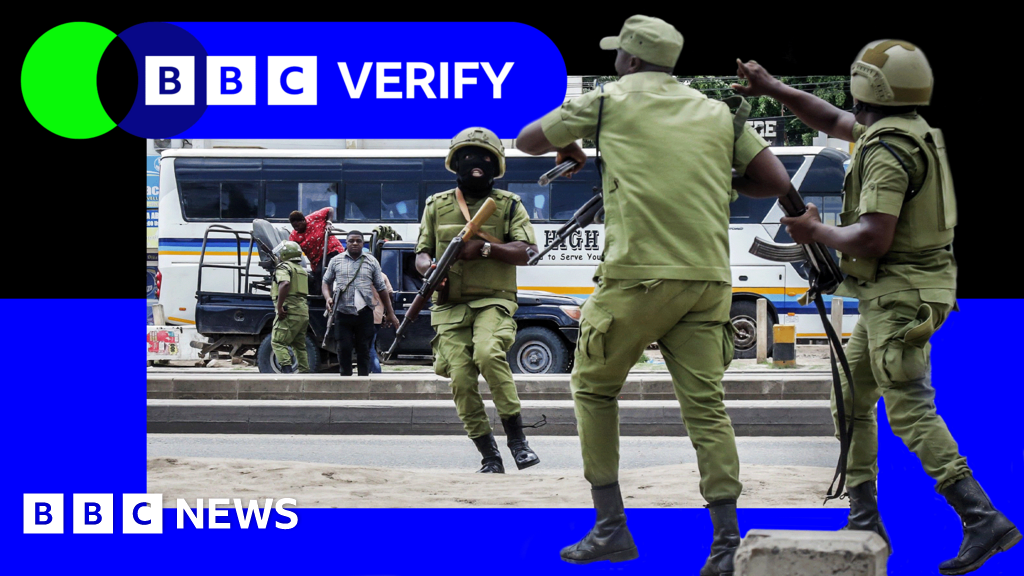
In a sharply escalating crisis, Tanzania finds itself caught in a maelstrom of violence and international warning. Recent reports, verified by BBC and multiple sources, reveal a brutal suppression of protests that erupted amidst contested presidential and parliamentary elections. The scenes emerging from cities like Dar es Salaam, Mwanza, and Arusha depict a nation grappling with deeply rooted political unrest and a government willing to marshal lethal force. The aftermath—hundreds of casualties, detained opposition figures, and a near-total internet blackout—illuminates a troubling chapter in Africa’s ideological landscape, casting long shadows over regional stability.

The elections that sparked these protests were marked by allegations of systematic suppression. Incumbent President Samia Suluhu Hassan secured an overwhelming 98% of the vote, in a result viewed with skepticism by opposition leaders and international observers. Opposition figures faced arrests, bans, and restrictions, raising significant questions about the nation’s democratic trajectory. The OHCHR warned that at least 500 lives have been lost, with many more injured or detained—harsh indicators of a government cracking down on dissent with indiscriminate violence.

The violence peaked on the streets of Dar es Salaam, where heavily armed police units confronted young protesters, firing tear gas, live rounds, and pursuing fleeing crowds in a display of force reminiscent of authoritarian regimes. Eyewitness videos depict harrowing scenes: bodies lying beside main roads, bloodstains marking streets, and hospitals overwhelmed with casualties. Analysts specializing in African geopolitics suggest that this brutal repression is a deliberate effort to silence the younger generation, a movement frustrated by economic stagnation and entrenched political leadership. The international community faces a critical test—whether to condemn these actions or accept them as the new normal, thereby emboldening tyranny across the continent.

As the UN calls for investigations into the killings and violations, the Tanzanian government remains defiant, refusing to release detainees and refusing to admit fault. The region’s stability hangs in the balance; a failure to address these widespread abuses threatens to destabilize a vital corridor in eastern Africa. Historically, analysts have warned that unchecked power and suppression often lead to long-term chaos, reminiscent of past coups and civil conflicts. Tanzania’s current path could either become a cautionary tale or a testament to resilience, depending on the course of events in the coming weeks.

In this unfolding story of loss and resilience, every gunshot, every life lost, becomes a part of the broader narrative in Africa’s ongoing struggle for real democracy and national sovereignty. The world watches as a nation’s future hangs on a knife’s edge, with history waiting to record whether Tanzania’s currents of repression will ultimately lead to reform or further turmoil. Humanity must grapple with the weight of this moment, knowing that the choices made today will echo through generations to come—a stark reminder that some chapters of history are written in blood, and the struggle for freedom remains as urgent as ever.

Georgia Election Board Pays $50K to Settle Ethics Lawsuit Over Private Emails

Georgia Election Board’s Transparency Bid Sparks National Debate

In a notable development that underscores ongoing tensions over election integrity and transparency, the Georgia state election board recently settled a lawsuit brought by American Oversight, a watchdog organization. The lawsuit revealed that key officials within the Republican-controlled board had been conducting official matters through private email accounts and ephemeral messaging platforms, bypassing established public records laws. The settlement, amounting to $50,000, mandates the board to implement stricter protocols requiring members to use official email accounts for all correspondence, and to cease reliance on private messaging apps such as Snapchat and Signal with disappearing messages. This case exemplifies the increasing scrutiny faced by election authorities to adhere to transparency standards in an era marred by skepticism over electoral processes.

Critics argue that such violations, particularly amidst the ongoing debate over the 2020 presidential election results, threaten the foundational trust in democratic institutions. The lawsuit was initiated after it was discovered that Janice Johnston, a member of the board, had been conducting business via her personal Gmail account and refused to produce those emails despite a public records request. The controversy intensified when the Georgia attorney general, Chris Carr, declined to defend the board, signaling a significant divergence within state authorities regarding transparency and accountability. Historians and legal analysts warn that political actors leveraging secretive communications threaten the integrity of electoral oversight, potentially fueling division and undermining democratic legitimacy in vital swing states like Georgia.

This incident is part of a broader international trend where democratic institutions are increasingly scrutinized for hidden agendas and opaque decision-making. The inclusion of ephemeral messaging in the settlement highlights the modern challenge of digital transparency, with authorities being urged to retain and produce all forms of communication consistent with *open records laws*. As American Oversight continues to pursue related litigation, many fear this case exemplifies the ongoing struggle to balance political influence with the principles of an open democracy. The international community watches as the U.S. grapples with these domestic conflicts, their outcomes carrying potential ramifications for US geopolitical credibility, especially as allies and adversaries alike decode the signals sent by America’s democratic processes.

The geopolitical impact of such internal disputes cannot be overstated. In a world where trust in democratic institutions is often leveraged as a tool of soft power, the degree to which the U.S. can uphold transparent governance influences its standing abroad. The rising tide of partisan accusations and legal battles, exemplified by Georgia’s election controversies, risks sowing disillusionment both in the U.S. and amongst international allies seeking reassurance of American stability. For nations observing from afar, these internal conflicts serve as a stark warning about the fragility of democratic systems that allow, or fail to prevent, corruption and opacity at critical levels of governance—an issue that toughens ideological divides and makes international diplomacy more complex.

As history beckons, the ongoing courtroom battles and political turbulence in Georgia serve as a stark reminder of the *unfinished story of democracy*. How these legal and institutional reforms evolve could anchor a new chapter—one where the principles of openness and accountability are no longer just ideals, but established norms enshrined in law. Yet, beneath the surface lies the somber truth: the balance of power and the integrity of election systems remain fiercely contested. As the nation stands at a crossroads, the weight of history presses down, waiting to see whether American democracy will emerge more resilient or if it will succumb to its internal divisions, forever marked by these turbulent landmark moments.”

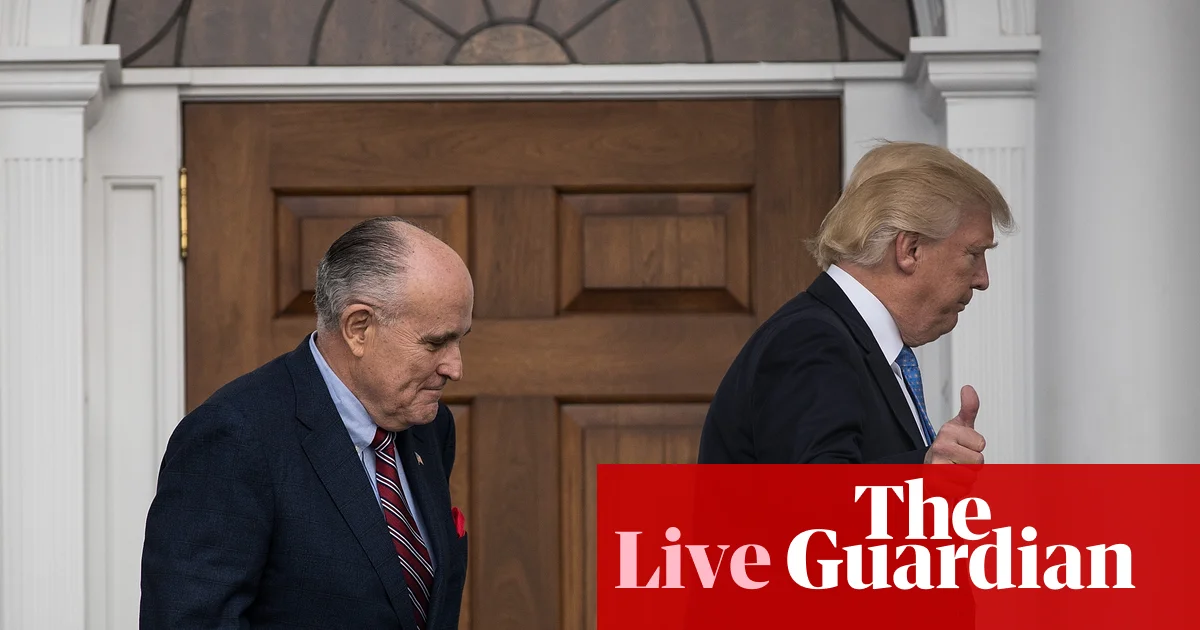
Trump clears Giuliani and allies charged with election interference — latest updates

In recent days, the international stage has witnessed a series of seismic events that underscore the shifting landscape of global power and domestic stability, particularly within the United States. The dramatic pardoning by Donald Trump of his allies linked to efforts to overturn the 2020 election has sent ripples across both U.S. politics and the broader geopolitical arena. The pardons, including high-profile figures such as Rudy Giuliani and Mark Meadows, are viewed by many analysts as a calculated move to reassert influence and weaken institutional accountability, challenging the notions of rule of law and sovereignty. While none of those pardoned faced federal charges, critics argue this controversial decision could usher in a precedent where future administrations find immunity from prosecution, thereby eroding the integrity of the American legal system and emboldening authoritarian tendencies.

Simultaneously, the domestic crisis has been compounded by ongoing government shutdowns— the longest in U.S. history—affecting hundreds of thousands of workers, with flights canceled en masse and essential services disrupted. According to top officials, the shutdown continues due to political gridlock between the Democratic and Republican senators, despite efforts to pass a stopgap measure that would fund the government only until January. This short-term funding, essentially a Band-Aid solution, underscores the deep divisions that threaten the fabric of American governance, with the specter of a prolonged stalemate looming large. Historians warn that such political discord contributes to a climate where societal trust diminishes and chaos undermines the national stability vital to global order.

On the international front, President Trump made headlines with a historic visit to the White House by Syrian President Ahmed al-Sharaa, marking the first such diplomatic engagement since Syria’s independence in 1946. This summit, cloaked in secrecy, signals a potential realignment of American foreign policy amid a broader reshuffling of alliances in the Middle East and beyond. While specifics of discussions remain under wraps, the unspoken message is clear: the U.S. aims to recalibrate its stance on Syria, employing a strategy that includes sanctions and high-stakes diplomatic negotiations. Such diplomatic shifts are likely to recalibrate regional power balances, influencing allies and adversaries alike, especially in an era when assertive national interests are reshaping traditional diplomacy.

Brazilian and Latin American geopolitics are also in flux, with U.S. military operations expanding their reach — striking alleged drug trafficking vessels and known narco-terrorist groups in international waters, according to Pentagon statements. Such actions demonstrate an increasingly assertive U.S. military posture aimed at combating illicit networks that threaten stability beyond American borders, directly impacting regional sovereignty and security frameworks. The use of extrajudicial measures, including lethal strikes, raises concerns among international legal experts about sovereignty and the potential for escalation that could destabilize entire transit routes linking South America and the broader Western Hemisphere. These actions highlight the United States’ willingness to operate unilaterally in the name of national security, often outside traditional legal boundaries—a move with profound geopolitical implications that ripple through international institutions and diplomatic norms.

The entire sequence of events unfolding in Washington and around the globe reveals a pivotal epoch in history—a period where decisions by a single nation threaten to reshape the international order, challenge the rule of law, and redefine the future of liberty and governance. As history continues to be written in the crucible of reckless diplomacy and domestic chaos, the world watches with bated breath, recognizing that these are not mere isolated incidents but the echoes of a larger clash for influence, sovereignty, and the soul of democracy itself.

Social Media Auto Publish Powered By : XYZScripts.com