
Matox News

Truth Over Trends, always!

Ford taps F1 tech and rewards to craft $30K electric truck for young drivers

Ford’s Bold Shift: Disrupting the EV Market with Innovation

In a move that underscores the relentless pace of disruption in the automotive industry, Ford is charting a new course with its Universal EV platform (UEV), signaling a strategic pivot aimed at revitalizing its EV business amid recent setbacks. After incurring a significant $19.5 billion loss in December, Ford has ended its production of the battery-electric F-150 Lightning, abruptly shifting focus to more affordable, scalable electric vehicles designed for efficiency and mass-market appeal. This move signals a clear response to investor pressures and a recognition that innovation must translate into viable business models capable of competing with electric giants like Tesla.

At the heart of Ford’s new strategy is a ground-up architectural overhaul: the UEV platform. This “clean sheet” design emphasizes modularity, lightweight construction, and manufacturing efficiency. Built upon aluminum unicastings—a technique borrowed from Tesla and Rivian—this platform minimizes parts and assembly time, driving down costs while maximizing durability and performance. Experts at MIT and analysts from Gartner acknowledge that such innovation in manufacturing could redefine profit margins in the EV market, allowing Ford to produce a broad array of vehicles including trucks, sedans, crossovers, and commercial vans from a single, versatile platform. The implication is profound: a tectonic shift in manufacturing economics that could make EVs more accessible, changing the landscape for competitors and consumers alike.

Disruption through Efficiency and Software Innovation

  • The UEV system employs single-piece aluminum components and a downsized, high-efficiency battery, offering about 15% more range—roughly 50 miles—compared to traditional gas-powered trucks.
  • The move to a zonal architecture—a departure from scattered ECUs—reduces complexity, cost, and weight, enabling ford to develop its own software stack for vehicle control.

According to Alan Clarke, who led Ford’s team of ex-Tesla engineers, the platform is designed around efficiency and affordability: “It’s built around making long-range EV travel accessible to more people.” This focus on cost-effective mass production is a game-changer, especially as traditional automakers struggle with scaling EV manufacturing profitably. The integrated control modules and proprietary software developed by Ford provide a strategic edge, giving the company full control over vehicle functions, sensor integration, and user experience— capabilities that can rival Tesla’s vertically integrated approach.

Implications for Industry and Market Dynamics

The innovation embodied in Ford’s approach highlights a broader trend of disruptive potential sweeping through the auto industry. If successful, Ford’s UEV could serve as a template for legacy automakers seeking to compete with Tesla’s dominance by reducing costs and increasing flexibility in manufacturing. Market analysts from Gartner forecast that a shift toward unified platform architectures and integrated software will accelerate overall EV adoption, pushing industry standards towards modular, scalable designs aligned with the evolving needs of consumers and commercial fleets.

Yet, challenges remain. As Peter Thiel and other tech investors warn, “innovation alone isn’t enough”; the ability to massively scale, maintain quality, and develop a robust software ecosystem will determine whether Ford can capitalize on these technological advancements. In the near future, industry leaders must innovate relentlessly, embracing disruption or risk being left behind. The next 12-24 months are crucial as Ford’s new EV strategy begins to take shape, setting the stage for a new era of automotive competition rooted in innovation, efficiency, and software supremacy.

In this high-stakes race, Ford’s bold move underscores a fundamental truth: the future belongs to those who innovate with purpose and execute at scale. As investor confidence, consumer expectations, and industry standards evolve rapidly, the urgency to disrupt and adapt has never been greater. The coming years will reveal whether Ford’s paradigm shift will trigger a seismic shift across the industry or serve as a cautionary tale for complacency in the face of technological upheaval.

Score big—my go-to electric screwdriver is 40% off for DIY win!

In an era marked by rapid technological progression and the democratization of innovation, DIY tools such as Hoto’s Electric Precision Screwdriver ADV exemplify how accessible, compact hardware is transforming individual and small-scale repair industries. Priced at an all-time low of $29.99 during Prime Big Deal Days on Amazon, this device leverages innovations in miniaturization and user-centric design. Its pen-style grip, magnetic case, and one-button operation signal a disruptive shift toward streamlined, professional-grade electronic repair tools optimized for millennials and Gen Z consumers eager to challenge traditional repair paradigms.

Beyond individual DIYers, this trend signals a broader disruption in the electronics and repair sectors, potentially impacting major players like iFixit and traditional service centers. The device’s features—such as a rechargeable 350mAh battery capable of two hours of operation and a 25-piece bit set spanning Phillips, Torx, and Pentalobe types—highlight a move toward multipurpose, portable repair solutions that empower users to extend the lifespan of their gadgets and smaller appliances. This democratization of repair aligns with the philosophies of industry disruptors such as Elon Musk and Peter Thiel, who advocate for empowering individuals through innovative tools that challenge big tech and corporate monopolies of repair.

Furthermore, Hoto’s expanding product line, including laser measures, rotary tools, and inflator pumps like the Hoto Air Pump Pocket, underscores a strategic pivot toward modular, lightweight devices with broad applications. The inflator, with its adjustable PSI and rotating nozzle, exemplifies innovation in portability and user autonomy, key factors driving industry shifts towards on-the-go, multitasking gadgets. These advancements threaten to faze out bulky, conventional equipment, offering instead a new ecosystem where disruption hinges on mobility, affordability, and versatility. Market analysts from Gartner predict that these trends will accelerate as more consumers seek affordable, high-quality tools for quick repairs, moving away from reliance on professional services for minor fixes.

Looking ahead, the technological trajectory indicates an unstoppable acceleration of disruptive innovation in the personal repair and maker spaces. The rise of intelligent, connected tools powered by microelectronics, AI, and IoT — areas actively researched at institutions like MIT — suggests that future devices will be even more integrated, intuitive, and capable of diagnostics. As industry veterans and startups compete in this space, the industry must grapple with the implications of decentralized repair ecosystems and the erosion of traditional service monopolies. The imperative for established players is clear: adapt quickly or risk obsolescence. For the most ambitious entrepreneurs and developers, the future belongs to those who harness these innovations to push the boundaries of what individuals can achieve, reshaping the landscape of consumer electronics repair and beyond with unmatched speed and efficiency.

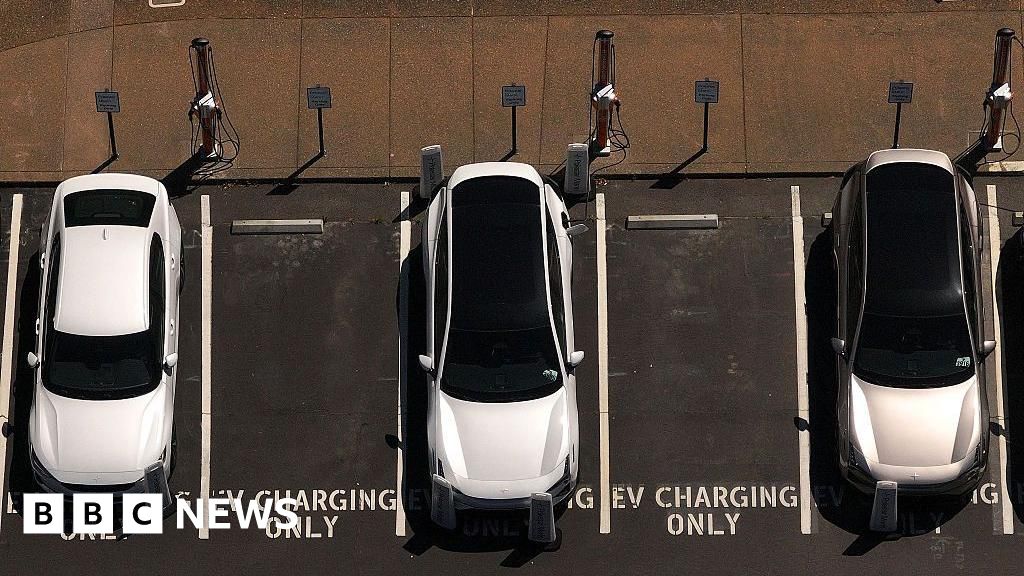
US Falling Behind in the Electric Car Race: What went Wrong?

The Geopolitical Significance of Electric Vehicle Policies

The race for dominance in the electric vehicle (EV) industry has become a focal point in international geopolitics and economic rivalry. In recent years, the US has aggressively pushed to position itself as a leader in clean transportation technology, aiming for electric cars to comprise half of all vehicle sales by the year 2030. President Joe Biden championed policies that include expanding tax credits, boosting infrastructure with billions invested in charging stations, and incentivizing domestic manufacturing through loans and grants. These measures, supporters argue, are part of a broader strategy to secure economic independence and maintain technological sovereignty against rising competitors like China.

Yet, despite these ambitions, the US electric car market has lagged behind much of the European Union, the United Kingdom, and China, which have benefitted from more aggressive government subsidies and regulatory frameworks. China, for instance, now accounts for nearly half of all EV sales globally, with a clear aim to dominate the market entirely. European nations have made substantial advances with nearly 20–30% of new car sales being electric or hybrid vehicles, supported by policies that include strict emissions targets and generous incentives. This disparity underscores the impact of decision-making at the governmental level, revealing how support or the lack thereof profoundly influences a nation’s rise in the EV industry.

Policy Fluctuations and Their Consequences

The recent policy shifts in Washington reflect raw political divides over climate and economic priorities. Former President Donald Trump has openly dismissed climate change as a “con job” and has sought to dismantle many carbon-reducing policies. His administration’s decision to cancel the $7,500 tax credit—a key incentive for EV buyers—has sent ripple effects through the industry, endangering the sustainability of ongoing investments. Industry leaders like Ford and Tesla warn that demand could precipitously decline in the absence of government support, which had played a crucial role in driving record sales during the last quarter.

With tariffs on foreign vehicles and parts further complicating the landscape—including measures enacted by Trump in the spring—the industry faces an uncertain future. Analysts warn that without sustained government backing, the US might not only fall behind in EV adoption but could also become less competitive globally, losing crucial technological leadership and economic influence. This tug-of-war in policy demonstrates how domestic political shifts directly shape transformative technology sectors, thereby altering international power balances.

Economic and Social Ramifications

Despite the narrative of an EV revolution, the American consumer remains hesitant due to high costs—electric cars still command an average transaction price exceeding $57,000—roughly 16% higher than comparable petrol-powered vehicles. Manufacturers like Hyundai have attempted to offset those costs by lowering prices, but the combination of tariffs and diminishing subsidies could stymie consumer enthusiasm. Such economic pressures threaten to stifle innovation and broader adoption in one of the world’s biggest car markets, creating a ripple effect that could slow the global transition away from fossil fuels.

Some analysts argue that the US’s relative lag in this sector reveals more than just economic challenges; it reflects broader questions about national strategy and societal readiness. Will the US continue to invest in future industries or succumb to protectionist policies that threaten to fragment global supply chains? As industry veterans and international observers ponder these questions, it becomes clear that the trajectory of America’s electric vehicle industry may well determine the future landscape of global economic power—and whether the US can still claim a seat at the table or is destined to watch from the sidelines as others set the rules of the game.

As history writes itself in the coming years, the fight for technological supremacy and energy independence unfolds on an increasingly divided stage, leaving the world to watch and wonder: Will this be the dawn of a new era, or just another chapter in a story of lost opportunities? The weight of history presses heavily upon this moment, as nations and societies brace for what comes next in the silent, relentless march toward the future.

Social Media Auto Publish Powered By : XYZScripts.com



