Matox News

Truth Over Trends, always!

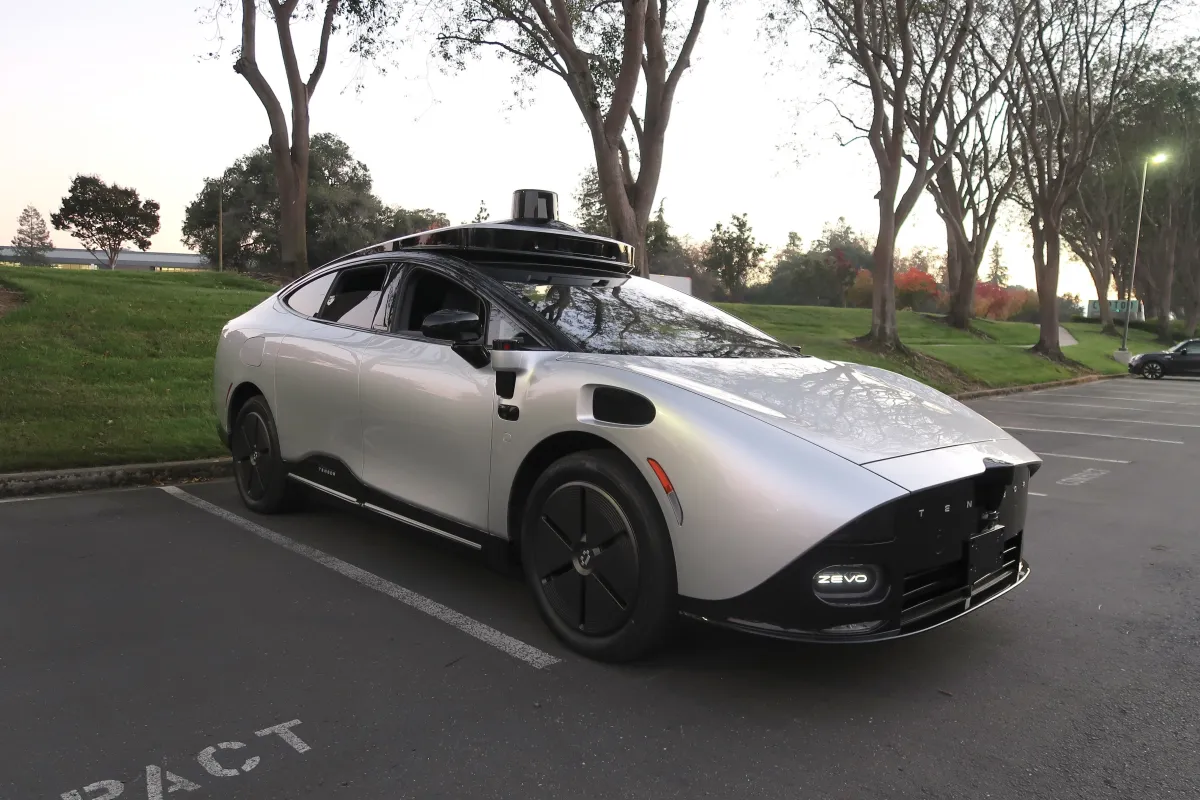
Zevo Ventures plans to boost its car-share fleet with robotaxis, kicking off with fresh face Tensor

Emerging Autonomous Vehicle Startups Disrupt Traditional Automotive Industry

In a landscape increasingly defined by **innovation** and **disruption**, startups like Tensor are challenging the conventional automotive giants with groundbreaking visions of autonomous mobility. Emerging from the China-based firm AutoX, Tensor boldly claims it will be the first to market fully autonomous vehicles to mainstream consumers as early as 2026. Such momentum signals a clear **shift** toward a decentralized, AI-driven transportation ecosystem with significant business implications, including the dawn of **personal AVs** and **peer-to-peer mobility services**.

Tensor’s vision aligns with a broader trend identified by analysts at Gartner and MIT, where the barrier to entry for **robotaxi** networks is lowering, bolstered by startups willing to embrace **risk** and innovation. The company’s forthcoming partnership with Zevo—which intends to deploy up to 100 Tensor AVs—serves as a testbed for **decentralized mobility solutions**. This move hints at a future where individual ownership extends beyond traditional vehicles, ushering in a new era of **personal AI-enabled** transportation, with owners possibly deploying their cars for income-generating services, like ride-sharing—a concept advocated by visionaries such as Elon Musk.

However, the road ahead is lined with formidable **challenges**. Trust in **scaling** autonomous technology remains a critical hurdle, as recent history has shown that many startups faltered when trying to standardize reliable manufacturing processes. Tensor’s limited track record and the **technological gaps** faced by legacy automakers reveal the **competitive landscape’s volatility**. Yet, the startup ecosystem’s agility—coupled with the increasingly supportive regulatory environment—places high-stakes bets on rapid **deployment** and **market capture**. Zevo’s willingness to invest in **software integration** and the potential for **peer-to-peer sharing** platforms exemplifies the industry’s move toward a **networked** model that could redefine how mobility and business intertwine.

As industry leaders and tech innovators forecast, the next decade will be pivotal. Observers like Peter Thiel warn that *”those who control the underlying AI infrastructure will dominate the new economy,”* emphasizing the importance of early bets on companies like Tensor. The convergence of **entrenched tech giants**, **startups**, and **venture capital** signals a **bidding war** for AI supremacy in mobility. This new wave of **disruption** will likely favor those who prioritize **software innovation**, **cost reduction**, and **scalable manufacturing**. With the **driverless revolution** expected to reshape urban transport, logistics, and even personal ownership, every stakeholder must act swiftly to avoid obsolescence.

The future of autonomous vehicles is not merely about safer, more efficient transport—it’s about **changing the very fabric of urban living and commerce**. Innovation-oriented startups are **pushing the boundaries** of what’s possible, prioritizing **flexibility**, **adaptability**, and **user empowerment**. As these **disruptive players** continue to challenge traditional automakers, the industry must adapt or risk being bypassed. With **technological leaps** accelerating, and **business models** evolving at an unprecedented rate, the coming years will be critical. Stakeholders who act with **urgency** and **vision** will determine who emerges as the true **pioneers** of this autonomous future—and those who hesitate may find themselves left in the dust of a **metamorphosing** mobility landscape.
NASA and USPS ditch Canoo EVs amid CEO’s bold support fallout

NASA, USPS Cut Ties with Canoo Amid Bankruptcy and Market Disruption

The rapidly evolving electric vehicle (EV) sector continues to challenge conventional industry norms, with major government agencies re-evaluating their reliance on early-stage startups. NASA and the United States Postal Service (USPS), two key institutional players, have severed their ties with the once-promising EV startup Canoo. This move underscores a broader narrative of disruption and fragility in the emerging EV business landscape, where innovation is often hampered by financial instability and strategic misalignments.

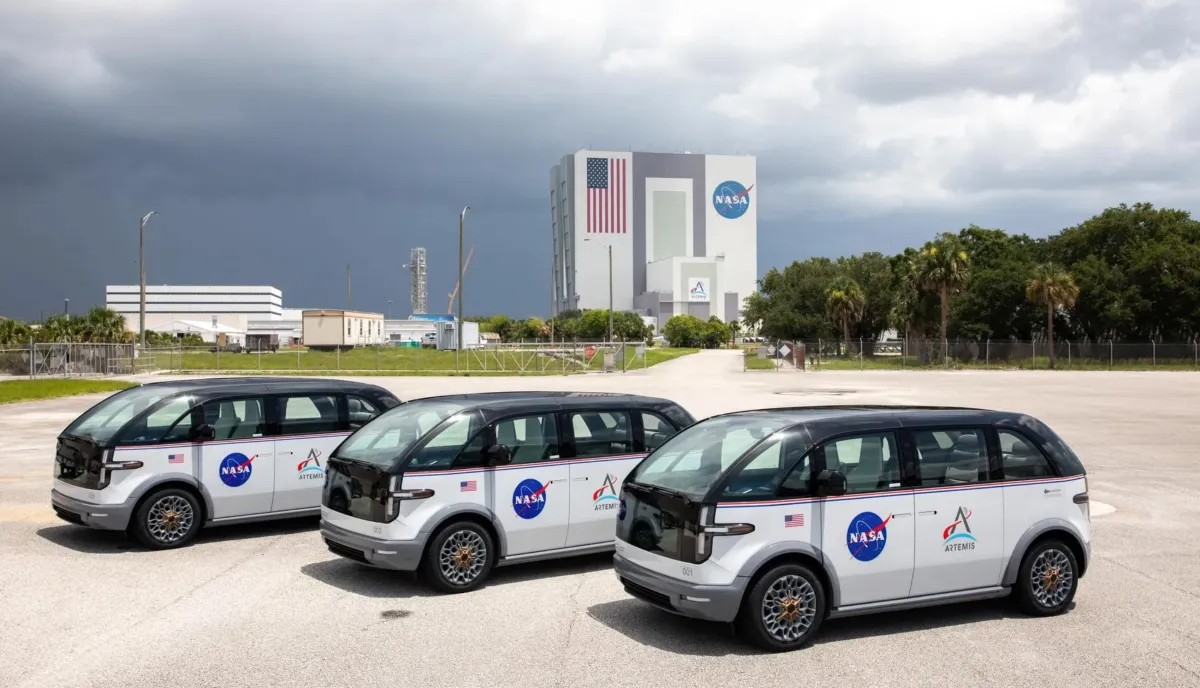
In 2023, NASA procured three Canoo EVs intended to support the Artemis lunar missions, specifically to shuttle astronauts to the launchpad. However, by October, NASA publicly stated that Canoo was unable to meet its mission requirements, leading to a swift transition to leasing the Astrovan, developed by Boeing and built by Airstream, for crew transportation. The decision highlights a industry-wide shift where the reliability and scalability of fledgling EV firms are increasingly questioned—particularly for missions demanding rigorous standards and guaranteed support. This incident exemplifies the risks associated with startups attempting to disrupt traditional aerospace support systems, revealing the critical importance of proven, dependable partners in government contracts.

Meanwhile, Canoo’s financial troubles culminated in a bankruptcy filing in January 2025, following long-standing struggles to carve out a sustainable market for its electric vans. The company’s assets were acquired by former CEO Tony Aquila for $4 million, despite intense competition from as many as eight interested parties. These included former employees’ startup Harbinger, which accused Canoo of asset hiding and alleged favoritism in the sale process, and a mysterious UK-based financier, Charles Garson, who offered up to $20 million. The court-appointed bankruptcy trustee and legal teams flagged concerns over foreign ownership, emphasizing national security considerations—a critical factor in government-related contracts involving NASA, USPS, and the DoD. Such developments illustrate that ongoing geopolitical risks and national security considerations are increasingly integral to EV industry investments, especially as startups seek entry into sensitive sectors.

The departure of Canoo from the government supply chain signifies a broader trend where disruption threatens to outpace the growth of sustainable, reliable automotive solutions. Traditionally, large defense and aerospace entities have prioritized stability; however, the influx of innovative startups driven by Elon Musk’s SpaceX and Peter Thiel’s Palantir continues to challenge this paradigm. Industry analysts from Gartner and MIT suggest that the future belongs to those who can transform disruption into scalable, secure, and mission-critical infrastructure. Companies that can innovate at the intersection of technology, security, and business agility will determine who leads the next frontier of transportation—whether on Earth or beyond—making it imperative to swiftly adapt to emerging risks and opportunities.

As the EV sector intensifies its race toward innovation, the case of Canoo illustrates a vital lesson: disruption alone is not enough. The path forward requires a strategic blend of technological excellence, operational resilience, and geopolitical awareness. With giants like NASA and USPS signaling caution, industry leaders must prioritize building trustworthy, scalable solutions that balance visionary innovation with reliability. The coming years promise a fierce contest for dominance in both commercial and government markets, and those who understand the importance of speed, security, and strategic foresight will shape the landscape of tomorrow’s transportation revolution.

BMW iX3 2026 Unveiled: Specs, Price, When to Get Yours

BMW Unveils First EV on Revolutionary Platform Amid Global Car Industry Disruption

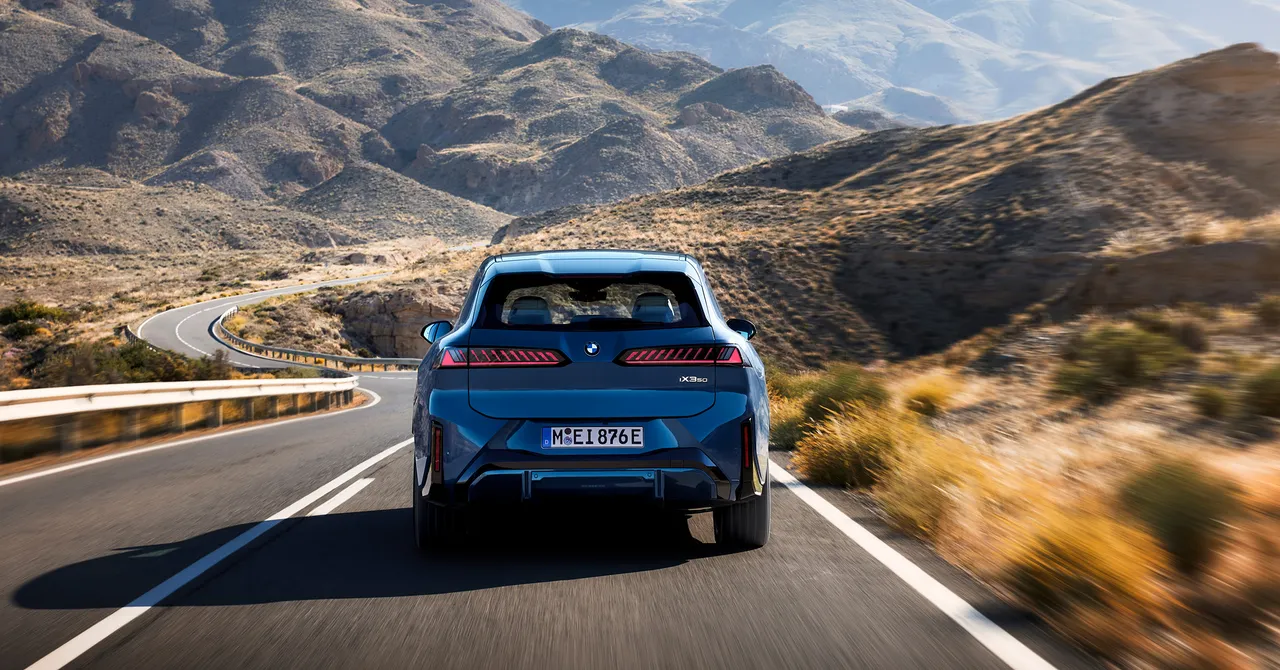
In a landmark milestone for European automaker BMW, the company’s inaugural electric vehicle (EV) utilizing its innovative new platform has officially arrived on the market. This launch signals a strategic pivot toward disruption in the automotive industry, where traditional giants are racing to out-innovate domestic and international competitors, especially China’s rapidly expanding EV ecosystem. BMW’s entry aims to combine cutting-edge battery technology, high-performance charging infrastructure, and a newly developed driving intelligence system to deliver an unparalleled driving experience.

The new model centers on a set of features designed to challenge the supremacy of Chinese EV manufacturers, who are swiftly gaining ground both in innovation and market share. With a range exceeding industry expectations, rapid charging capabilities—achieving a significant charge within minutes—and an AI-driven driver assistance system, BMW is positioning itself as a serious contender in the global EV race. Industry analysts from Gartner and MIT emphasize that these innovations are critical to capturing the market’s future, where disruption is driven by relentless advancements in battery tech, AI, and charging infrastructure. As Peter Thiel and Elon Musk have repeatedly warned, the race for technological dominance in EVs is fundamentally a strategic battleground that will determine the economic winners of tomorrow.

Corporate strategists highlight that BMW’s new electric platform is not merely incremental; it represents a paradigm shift in manufacturing and vehicle performance. The platform is built to be highly scalable and adaptable to new technological innovations, such as solid-state batteries and autonomous driving systems. Not only does this reflect BMW’s commitment to innovative disruption, but it also signals a broader industry shift towards software-defined vehicles—a domain where tech-savvy competitors, particularly Chinese firms, are making massive strides. BMW’s challenge is to leverage this technical edge while navigating the complex geopolitical and market dynamics that favor rapid innovation and aggressive market entry.

From a business perspective, the launch underscores a new era of competition and innovation in the EV space, with potential ramifications for supply chains, global manufacturing hubs, and automotive leadership. Industry insiders note that market shifts towards EVs are accelerating faster than traditional automakers anticipated, driven by consumer demand for sustainability and technological prowess. The key question is whether BMW’s focus on long-range capabilities and advanced charging tech will be enough to outpace Chinese and American rivals, who often benefit from state-backed R&D and aggressive subsidies. The company’s strategy also entails bolstering its ecosystem around the new platform—integrating charging networks, AI-driven features, and next-generation batteries—creating a moat that could redefine premium EV offerings.

Looking ahead, the automotive industry stands at a pivotal juncture where technological innovation, geopolitical considerations, and consumer preferences weave a complex tapestry of competition. As the market evolves rapidly, factors such as battery innovation, AI sophistication, and charging infrastructure will determine which players dominate the landscape. The arrival of BMW’s first EV on its revolutionary platform exemplifies a broader global shift: traditional automakers are no longer merely playing catch-up, but are actively redefining the rules of the game. In this fiercely competitive environment, timing, strategic investment, and relentless innovation will be the new currencies of success—and those who fail to adapt risk being left behind in the dust of disruptive change.

Elon Musk warns on Tesla’s ‘robot army’ as auto sales bounce back

Tesla’s Record Sales Highlight Innovation Amid Industry Disruption

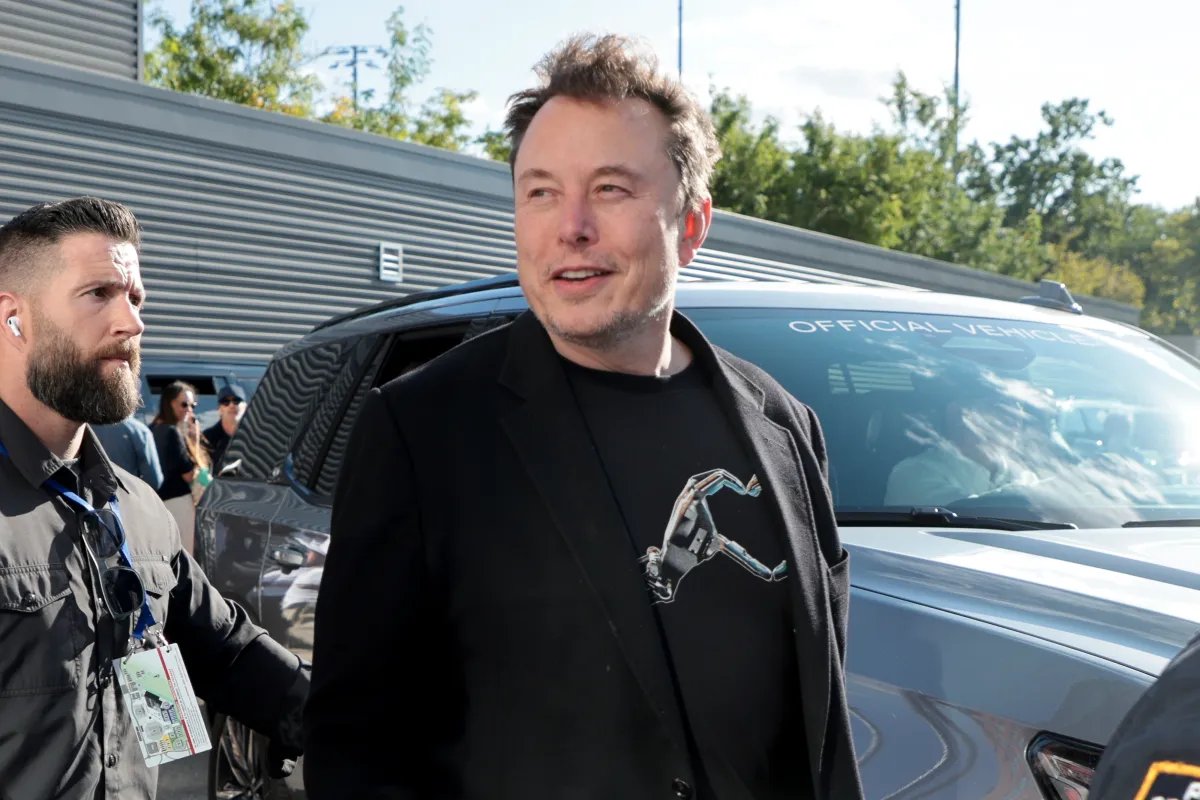
In a significant stride toward redefining the automotive and AI landscape, Tesla reported a record-breaking vehicle delivery volume in Q3 2025, driven largely by the government’s expiring federal EV tax credits. Despite this surge, the company’s earnings did not scale proportionally, with profits declining 37% compared to the same quarter last year. This disparity underscores the escalating costs associated with Tesla’s relentless push into AI and robotics innovation, which, according to industry analysts, could reshape transportation and healthcare sectors for decades to come. Tesla’s strategic pivot appears to threaten established industry paradigms, signaling a fundamental industry shift towards autonomous systems that could rival traditional automotive revenue streams.

Much of Tesla’s financial challenge stems from a 50% spike in operating expenses, largely due to investments in artificial intelligence (AI), research and development (R&D), and restructuring charges—potentially related to the controversial shutdown of its six-year-old Dojo supercomputer project. This costly push into AI aligns with CEO Elon Musk‘s vision of creating a “robot army,” notably through scaling its Full Self-Driving and Robotaxi initiatives, which Musk claims will fundamentally transform transportation. However, early production hurdles and the costly race for technological supremacy have amplified concerns among industry evaluators like Gartner and MIT about the sustainability of Tesla’s disruptive ambitions amid tightening margins.

As Musk pledges to develop the third iteration of Optimus– the company’s humanoid robot, the industry watches closely. While Musk’s rhetoric promises a future where Optimus could eradicate poverty and provide advanced medical care, experts warn that such a narrative veers into the realm of *speculative hype*, overshadowing the tangible engineering challenges and competitive pressures at play. Tesla’s increased capital expenditures—expected to grow *substantially* in 2026—reflect the intense competition for AI talent, as well as the strategic necessity to stay ahead in a technology war where timing and real-world deployment are critical. The ongoing battle over AI dominance is not merely technological; it is a watershed moment that could determine which players will lead the next global economic cycle.

  • Despite the fiscal costs, Musk remains committed to reshaping industry standards, predicting that AI-driven systems will eventually create a more equitable world.
  • Tesla’s plans for a two-seater “Cybercab” and advanced humanoid robots mark a clear departure from traditional automaking, solidifying the company’s position as a disruptive tech titan.
  • The looming question remains whether Tesla’s heavy investments and rapid innovation can deliver on Musk’s ambitious claims without destabilizing its core profits or alienating investors.

Looking ahead, the rapidly evolving AI and robotics sectors are poised to determine the next wave of industrial disruption. As Tesla accelerates its push into autonomous systems, the industry braces for a period of intense upheaval—one that could not only redefine mobility but also challenge policymakers, regulators, and global markets alike. With Musk’s bold vision and substantial capital commitments, the race is on. The question now is whether Tesla’s innovations will carve the future or become a costly gamble that delays true industry transformation. Time is of the essence for those who wish to lead in this new era—those who hesitate risk missing the seismic shifts that will shape the 21st century.

Social Media Auto Publish Powered By : XYZScripts.com