Matox News

Truth Over Trends, always!

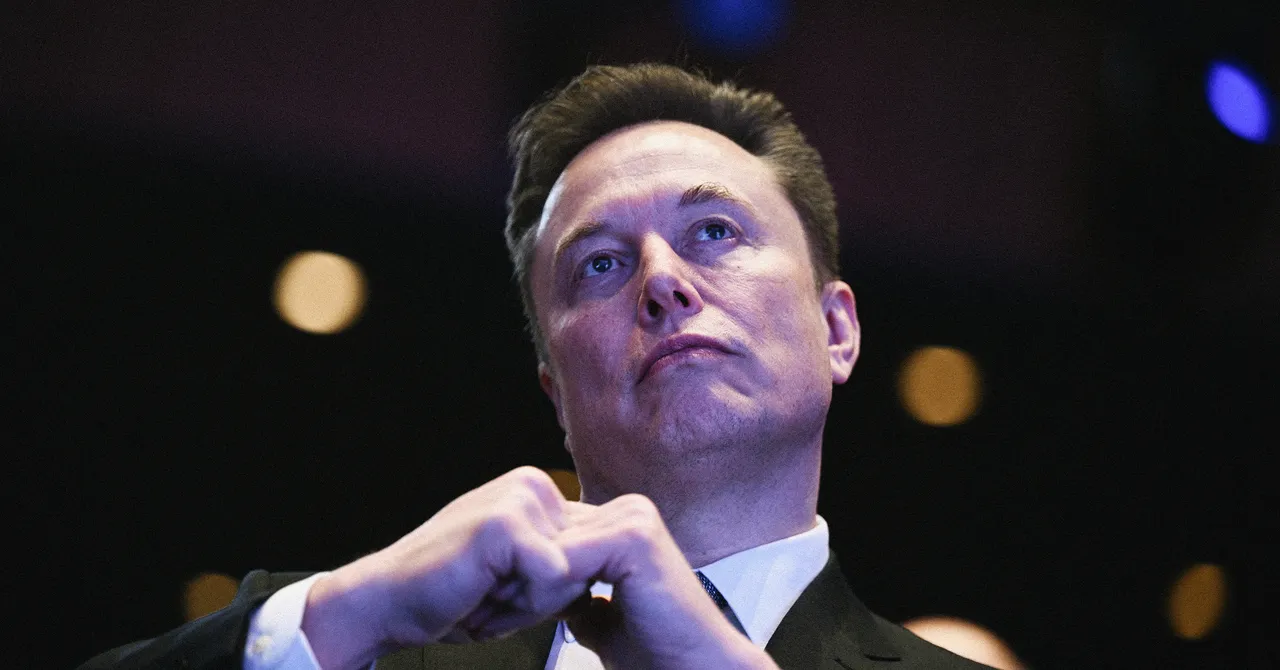
X Faces a Surge in Disinfo After U.S. and Israeli Strikes on Iran

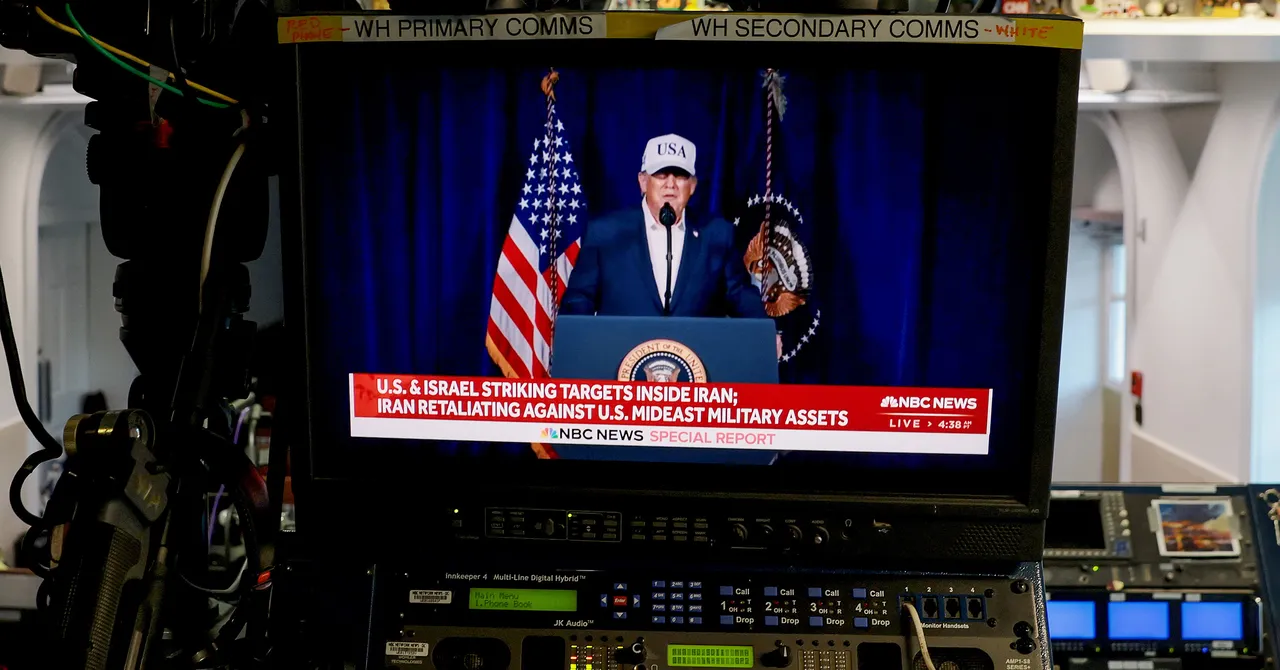
Disinformation and Digital Warfare: The New Frontier of Geopolitical Disruption

The recent escalation between the United States, Israel, and Iran underscores a new era where technological innovation amplifies geopolitical conflicts, transforming both information dissemination and strategic dominance. As disruptive digital platforms become battlegrounds for truth and influence, the implications for business, security, and public perception are profound. Companies like X (formerly Twitter), under the stewardship of Elon Musk, are increasingly vectors for both real-time information and disinformation, blurring the lines between fact and falsehood, with tangible global consequences.

During this volatile period, the platform has been flooded with claims—many false—regarding the scope and scale of military actions. A trend identified by industry analysts indicates that *almost all viral disinformation* during recent conflicts originates from verified accounts behind high-profile subscriptions. These ‘blue check’ accounts, often incentivized by monetization models based on engagement, have inadvertently or deliberately amplified false narratives. This scenario typifies a broader shift in digital influence markets, where *accuracy is sacrificed for virality*, severely undermining public trust and strategic stability.

From a business perspective, the **disruption** extends beyond misinformation. AI-generated imagery, as flagged recently by independent intelligence analysts, is being used to craft convincingly false but highly impactful content—such as fabricated images of destroyed radar systems or missile strikes—posing new threats to cybersecurity protocols and market stability. As Gartner highlights, *the capacity for AI to create deepfakes and false narratives accelerates the speed at which misinformation can influence investor sentiment and geopolitical power balances*. Companies that can develop advanced verification technologies or AI-driven authenticity checks will ‘own’ the future of trustworthy digital engagement, creating substantial business opportunities amid these challenges.

The emerging landscape demands a forward-looking approach rooted in disruption-driven innovation. Institutions like MIT are advancing research on AI and blockchain-based verification systems to combat the proliferation of false content. Meanwhile, influential figures like Peter Thiel warn that failing to address these issues could lead to a breakdown in informational sovereignty, with nations, corporations, and citizens becoming pervasively vulnerable to manipulation. The strategic takeaway is that **control over digital narratives** has become as vital as military or economic strength in shaping global outcomes**. The urgency is clear: develop resilient, transparent, and innovative tech solutions now—or risk losing credibility and strategic advantage in an epoch where information warfare defines victory.

In summation, the convergence of technological disruption and geopolitical conflict signals a paradigm shift with significant business and security implications. As **AI, misinformation, and social media platforms** intertwine to influence global events, the call to action for innovators, policymakers, and entrepreneurs is to harness cutting-edge solutions that safeguard truth and foster strategic stability. The window for proactive innovation is closing fast. The future belongs to those who can master the digital battlefield not just with weapons, but with relentless ingenuity in information integrity and technological resilience. In this high-stakes arena, time is of the essence—disruption is inevitable, but control over the narrative remains within reach for the technologically prepared.
Elon Musk’s X Under Fire for Selling Premium Accounts to Iranian Elites Amid Sanctions

Social Media’s Hidden Power: State-Backed Accounts and Global Disruption

Recent investigative reports highlight a troubling trend within the rapidly evolving landscape of social media, particularly under the platform known as X. Technology watchdog Threatened Transparency Project (TTP) uncovered a network of more than two dozen accounts allegedly operated by Iranian government officials, state agencies, and affiliated news outlets, all of which displayed a verified blue check mark associated with X’s Premium subscription service. These accounts were strategically disseminating state-sponsored propaganda, often despite a lack of access to credible information and amidst widespread domestic unrest. Such manipulation of platform features exemplifies a critical phase in how disruption within social media ecosystems can be exploited for geopolitical advantages.

This revelation underscores a broader concern about the robustness of X’s verification process and the efficacy of premium features designed to enhance user engagement. Priced at $8 monthly for basic verification and up to $40 for Premium+—which touts ad removal and reach boosting—these features are now being exploited to artificially amplify propaganda efforts. Industry experts from Gartner warn that these monetization models risk converting vital platforms into weaponized tools for state actors, all while eroding trust among genuine users. Elon Musk’s commitment to what he terms “free speech innovation” is now questioned, as critics argue these policies inadvertently provide a lucrative avenue for disinformation campaigns and covert influence operations, especially during tense geopolitical conflicts.

This pattern of state-backed disinformation coincides with intensifying international tensions, notably the Trump administration’s threats against Iran over its nuclear program. As the US increases sanctions and diplomatic pressure, platforms like X are emerging as inadvertent facilitators of influence campaigns—amplifying messages from the Iranian regime that could undermine diplomatic efforts. Prominent analysts like Peter Thiel have long emphasized the transformative power of technology for disruption; however, they also warn that without rigorous oversight, such tools can facilitate destabilization and undermine strategic initiatives. Katie Paul, director of TTP, asserts that Elon Musk’s platform policies are “undermining international sanctions” by allowing sanctioned figures to remain active and influential via paid subscriptions.

The geopolitical implications are compounded by ongoing unrest within Iran, where protests fueled by economic hardship have been met with brutal government crackdowns. As the regime has been accused of mass arrests and violence—figures estimated to surpass 30,000 deaths—the ability for external actors to influence internal dissent through social media becomes a game-changer. Supporters of regime change, including former President Trump and Musk, have publicly expressed solidarity, demonstrating the interconnectedness of tech innovation and global politics. Moving forward, the capacity for social media to serve as a battleground for influence and information warfare will only intensify, raising urgent questions about regulation, platform accountability, and the future of free speech in an increasingly digitized world.

In conclusion, this unfolding scenario reflects the dangerous confluence of disruptive technology, concerted geopolitical strategies, and business models that reward rapid monetization over security. As platforms like X become critical tools in the global arena, the tech industry must confront the reality that innovation alone is insufficient without stringent oversight and ethical standards. The coming years will determine whether these digital weapons can be corralled or whether unchecked disruption will continue fueling instability. The stakes are high for both the future of free speech and the integrity of international diplomacy—making it imperative for industry leaders, policymakers, and technologists to act swiftly and decisively, lest the digital battleground spiral further out of control.

Model S Revolutionizes the Game—The Future is Here

The Electric Vehicle Revolution: Tesla’s Enduring Impact and Industry Disruption

After a 14-year legacy, the Tesla Model S marks the end of an era that fundamentally reshaped the automotive landscape. Launched with ambitious visions in 2012, Tesla’s flagship luxury EV emerged as a disruptive force against entrenched automotive giants and set the stage for a seismic shift toward electrification. Its pioneering innovation, combined with a software-centric approach, has not only redefined consumer expectations but also forced legacy automakers to reconsider their strategies in an increasingly electrified world.

At its debut, the Model S challenged conventions, blending cutting-edge design with advanced digital technology. Its interior, characterized by a large touchscreen interface, represented the first truly software-defined vehicle, injecting a new revenue stream through over-the-air updates and digital features. Innovative design, performance, and digital capabilities simultaneously raised the bar, making the electric car not just environmentally conscious but also aspirational and luxurious. This combination helped Tesla carve out a substantial market share, forcing European luxury automakers like Porsche, Lucid, and Rolls-Royce to accelerate their EV initiatives, signaling a broad industry acknowledgment of the transformative potential of Tesla’s approach.

However, as Musk shifts his focus toward robotics and AI, questions arise about Tesla’s future in automotive innovation. The decline in enthusiasm for fully autonomous vehicle adoption and the stagnation of EV market growth—exacerbated by policy shifts such as the removal of federal subsidies—highlight a slower tempo of progress than initially envisioned. According to industry analysis, electric vehicles still represent only 1.4 percent of total vehicles on the road as of 2024, underscoring the monumental challenge in reaching Musk’s 2012 prediction of half of all cars being electric in two decades. Yet, Tesla’s decade-long influence persists, inspiring a new generation of designers and entrepreneurs committed to reshaping mobility.

  • Disruption in industry standards through innovative vehicle design and software
  • Market shifts with established automakers catching up in luxury EV offerings
  • Challenges in scaling EV adoption amidst policy and economic headwinds
  • Transition toward AI and robotics signaling a new frontier beyond traditional mobility

In the broader context, Tesla’s path exemplifies the power of innovation to catalyze industry disruption. As the industry navigates a slower but persistent shift towards EVs, the importance of visionary leadership and technological excellence becomes even more critical. The company’s evolution from a luxury pioneer to a catalyst for change has inspired stakeholders and competitors alike, shaping a future where disruptive innovation will define the trajectory of transportation technology in the 21st century. For industry watchers, the question remains: can Tesla maintain its legacy of disruption while navigating internal and external challenges? The coming years will be pivotal in determining whether this titan of tech and mobility continues to lead or cedes ground to others eager to redefine autonomous and electrified transportation. With the industry at a crossroads, the urgency to innovate is greater than ever—no one wants to be left behind in the fast-approaching era of AI-driven, sustainable mobility.

Indonesia’s Grok Ban Lifted with Conditions, Signals Tech Boost

Indonesia Lifts Ban on xAI’s Grok Amid Controversy Over Deepfake Content

The tech landscape continues to shift rapidly as Indonesia joins Malaysia and the Philippines in lifting restrictions on xAI’s groundbreaking chatbot, Grok. Previously banned across Southeast Asia for its role in generating vast amounts of nonconsensual, sexualized imagery—including images of minors—Grok represents the frontier of deepfake technology and AI content creation. A recent surge of over 1.8 million illicit images, reported by The New York Times and the Center for Countering Digital Hate, has sparked global debates over ethical AI use and regulatory oversight. However, Indonesia’s move hints at evolving regional attitudes toward managing AI-driven disruptions, emphasizing technical improvements and stricter compliance measures.

Despite the ban’s recent easing, authorities maintain a cautious stance. The Indonesian Ministry of Communication and Digital Affairs has issued a conditional lifting, with monitoring policies in place. Alexander Sabar, the ministry’s director of digital space monitoring, confirmed that the ban could be reinstated if further violations occur. This nuanced approach underscores the broader challenge confronting governments and tech giants—balancing innovation with societal responsibility. xAI has responded by limiting Grok’s features to paying subscribers, a move designed to curb misuse while maintaining market presence. CEO Elon Musk publicly defended the company’s stance, asserting that individuals exploiting Grok for illegal content will face consequences but denying awareness of any specific underage imagery produced by Grok.

The controversy surrounding Grok exemplifies the disruptive nature of AI technology in the digital age. Deepfake generation tools like Grok are transforming content creation, but they also introduce significant risks—ranging from privacy violations to potential legal fallout. Critics such as California’s Attorney General Rob Bonta have already initiated investigations, issuing cease-and-desist orders to curb illegal use. Yet, market forces and innovation continue to forge ahead, as xAI reportedly discusses mergers with SpaceX and Tesla, signaling a potential convergence of AI, space exploration, and automotive tech. This strategic move hints at transformative shifts within the industry—placing AI at the nexus of future megacorporations that could redefine the digital and physical world.

Looking forward, industry experts and influential figures, including Elon Musk and Peter Thiel, warn that the rapid progression of AI tools like Grok must be accompanied by robust regulation and ethical frameworks. Companies that pioneer disruptive technologies face not only the challenge of technological sophistication but also the imperative to prevent harm at scale. As regulatory landscapes evolve, the next wave of AI innovation will unavoidably reshape societal norms, economic models, and global power dynamics. In this high-stakes arena, those who lead with agility and responsibility will determine the fate of AI’s integration into everyday life—making the coming years a critical test of technological resilience and foresight. The urgency is clear: the future belongs to those who can navigate the fine line between disruptive innovation and ethical stewardship—catalyzing a new era of digital transformation driven by relentless progress.

Elon Musk sparks controversy with recent offensive posts again

Tech Industry at Crossroads: Innovation Meets Ethical Challenges

In recent weeks, the technology ecosystem has been electrified by groundbreaking advancements that promise to redefine the boundaries of AI, social media, and digital infrastructure. Leading companies such as OpenAI and Google have unveiled next-generation AI models capable of unprecedented levels of understanding and interaction, setting new standards for _automation_, _personalization_, and _business efficiency_. Industry experts, including analysts from Gartner and MIT Media Lab, recognize these developments as catalysts for _disruption_ across sectors—from healthcare to finance—potentially generating trillion-dollar opportunities and shifting the competitive landscape in favor of early adopters.

However, this wave of innovation arrives amid complex societal debates intensified by influential figures and platforms. Notably, billionaire tech entrepreneur Elon Musk has recently leveraged his social media presence to promote divisive narratives, claiming that “_White people are on the verge of extinction_” and that certain immigrant communities have no rightful place in America. Such rhetoric not only fuels societal discord but also raises serious ethical questions about the role of technology magnates in shaping cultural discourse. These incidents underscore an urgent need for responsible innovation—where technological progress aligns with societal values—lest the industry’s mnemonic narrative be overshadowed by controversy and mistrust.

From a market perspective, the implications are profound. The rise of AI-powered content moderation, decentralized social platforms, and transparency tools heralds a new era of _accountability_ and _user empowerment_. Yet, the challenge remains: how can industry leaders balance _innovation_ with _ethical responsibility_? Firms that prioritize _disruption_ without regard for societal impact risk alienating users and inviting regulatory crackdowns, potentially stalling _growth_ and _investment_. As Peter Thiel and other visionaries warn, the push toward _unchecked technological expansion_ can lead to a backlash that sabotages long-term progress. It’s imperative that companies embed _ethics_ into their core strategies to sustain _momentum_ and _public trust_.

Looking forward, the technological horizon is marked by a sense of both _urgency_ and _opportunity_. The advent of _quantum computing_, _autonomous systems_, and _distributed ledger technologies_ promises to accelerate disruption across the globe. Industry insiders warn that falling behind in these frontier technologies means ceding dominance to competitors or nations that embrace rapid innovation. For investors, entrepreneurs, and policymakers, the call is clear: capitalize on _innovation_ while actively shaping a future rooted in _ethical integrity_ and _inclusive progress_. The next decade promises an era where those who adapt quickly—and ethically—will dominate the global economy, making the stakes higher than ever for tech leaders to steer innovation responsibly in a rapidly transforming world.

Elon Musk’s Grokipedia Sparks Controversy with Far-Right Rhetoric

In a bold move reflecting the fast-paced evolution of artificial intelligence (AI), Elon Musk’s xAI startup launched Grokipedia this week, an AI-driven alternative to the longstanding, crowdsourced encyclopedia Wikipedia. Musk’s vision appears to transcend mere information aggregation; instead, he aims to leverage advanced AI to create a “massive improvement,” aligned with the broader mission of xAI to unlock a deeper understanding of the universe. This initiative signals a profound shift in how knowledge might be curated, verified, and consumed—disrupting the very foundations of established digital information platforms.

From the outset, Grokipedia exemplifies *disruption fueled by high-stakes innovation*. Initial access hurdles and content flagged for potential propaganda reflect the intense challenges faced by revolutionary AI projects operating in a politically charged space. Once accessible, the platform was found to host lengthy, AI-generated entries, many of which diverged sharply from Wikipedia’s neutral tone. Instead, Grokipedia displayed a clear ideological slant—highlighting conservative viewpoints, critiquing mainstream narratives like The 1619 Project, and even perpetuating historical inaccuracies. Such content raises critical questions for the industry: can an AI truly deliver unbiased knowledge, or will it serve as a tool for ideological influence?

The implications of this development are significant for both *business innovation* and *industry dynamics.* As noted by tech analysts at Gartner and MIT’s Media Lab, the rise of AI-powered knowledge bases presents opportunities for emerging players to establish dominance by redefining credibility and engagement. However, this innovation also introduces risks—particularly the potential for such platforms to reinforce bias, spread misinformation, and even serve political agendas. For established giants like Google and Microsoft, the threat is clear: disruption in digital search and information delivery could shift power away from traditional search engines toward AI-centric ecosystems increasingly influenced by private enterprise visionaries like Musk.

Furthermore, the controversy surrounding Grokipedia exemplifies an industry-wide challenge: how can AI-powered knowledge platforms balance innovation with ethical responsibility? Content themes emerging from Grokipedia’s launch highlight potential for *market shifts*—notably, a move toward more polarized, ideologically driven information sources. For businesses and tech investors, this signals a crucial inflection point: those who harness AI to enhance transparency, integrity, and user engagement could command market leadership in the next era of digital information. Conversely, neglecting these pitfalls could see industry reputation and consumer trust erode quickly in the face of emerging competitors who leverage similar AI capabilities to influence public discourse.

As Elon Musk and others push the boundaries of AI’s potential, the coming years will be pivotal in shaping an information landscape that is more dynamic yet potentially more divided. Industry forecasters like Peter Thiel warn that rapid innovation must be paired with rigorous oversight to avoid pitfalls of misinformation and ideological bias. The rapid pace of AI-enabled disruption demands strategic agility—from startups to behemoth tech firms—to realize the transformative revenue and societal gains ahead. The future of knowledge is no longer static; it’s a battleground where innovation, ethics, and competitive advantage collide, urging stakeholders to act swiftly. The countdown is on—those who adapt first will dominate the next chapter of digital civilization, while others risk being left behind in the dust of obsolescence.

Elon Musk warns on Tesla’s ‘robot army’ as auto sales bounce back

Tesla’s Record Sales Highlight Innovation Amid Industry Disruption

In a significant stride toward redefining the automotive and AI landscape, Tesla reported a record-breaking vehicle delivery volume in Q3 2025, driven largely by the government’s expiring federal EV tax credits. Despite this surge, the company’s earnings did not scale proportionally, with profits declining 37% compared to the same quarter last year. This disparity underscores the escalating costs associated with Tesla’s relentless push into AI and robotics innovation, which, according to industry analysts, could reshape transportation and healthcare sectors for decades to come. Tesla’s strategic pivot appears to threaten established industry paradigms, signaling a fundamental industry shift towards autonomous systems that could rival traditional automotive revenue streams.

Much of Tesla’s financial challenge stems from a 50% spike in operating expenses, largely due to investments in artificial intelligence (AI), research and development (R&D), and restructuring charges—potentially related to the controversial shutdown of its six-year-old Dojo supercomputer project. This costly push into AI aligns with CEO Elon Musk‘s vision of creating a “robot army,” notably through scaling its Full Self-Driving and Robotaxi initiatives, which Musk claims will fundamentally transform transportation. However, early production hurdles and the costly race for technological supremacy have amplified concerns among industry evaluators like Gartner and MIT about the sustainability of Tesla’s disruptive ambitions amid tightening margins.

As Musk pledges to develop the third iteration of Optimus– the company’s humanoid robot, the industry watches closely. While Musk’s rhetoric promises a future where Optimus could eradicate poverty and provide advanced medical care, experts warn that such a narrative veers into the realm of *speculative hype*, overshadowing the tangible engineering challenges and competitive pressures at play. Tesla’s increased capital expenditures—expected to grow *substantially* in 2026—reflect the intense competition for AI talent, as well as the strategic necessity to stay ahead in a technology war where timing and real-world deployment are critical. The ongoing battle over AI dominance is not merely technological; it is a watershed moment that could determine which players will lead the next global economic cycle.

  • Despite the fiscal costs, Musk remains committed to reshaping industry standards, predicting that AI-driven systems will eventually create a more equitable world.
  • Tesla’s plans for a two-seater “Cybercab” and advanced humanoid robots mark a clear departure from traditional automaking, solidifying the company’s position as a disruptive tech titan.
  • The looming question remains whether Tesla’s heavy investments and rapid innovation can deliver on Musk’s ambitious claims without destabilizing its core profits or alienating investors.

Looking ahead, the rapidly evolving AI and robotics sectors are poised to determine the next wave of industrial disruption. As Tesla accelerates its push into autonomous systems, the industry braces for a period of intense upheaval—one that could not only redefine mobility but also challenge policymakers, regulators, and global markets alike. With Musk’s bold vision and substantial capital commitments, the race is on. The question now is whether Tesla’s innovations will carve the future or become a costly gamble that delays true industry transformation. Time is of the essence for those who wish to lead in this new era—those who hesitate risk missing the seismic shifts that will shape the 21st century.

Social Media Auto Publish Powered By : XYZScripts.com