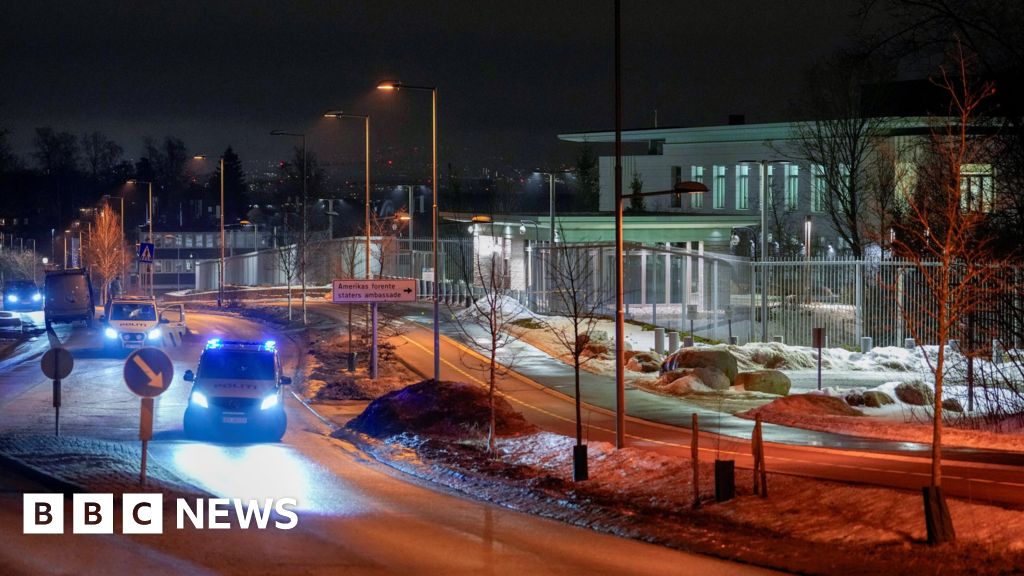

Norwegian authorities have confirmed that Sunday’s devastating blast was caused by an improvised explosive device, marking a significant and unsettling development in recent international security affairs. The preliminary investigation by Norwegian police indicates a deliberate act rather than accidental detonation, raising urgent questions about the increasing threat of domestic terrorism and the proliferation of radical groups across Europe. This incident underscores a widening global security challenge, compelling nations to reassess their intelligence strategies and counter-terrorism measures amid rising fears of expanding extremist networks.
Global analysts, including security experts and regional policymakers, are observing this event as a potential sign of shifting geopolitical dynamics. Historically, Norway’s peaceful landscape and strong societal cohesion have made it less vulnerable to terrorist attacks. However, as international security institutions such as Europol and Interpol warn of an evolving threat environment, the incident signals a new era where even the most stable nations are vulnerable. The attack is likely to influence international security cooperation and intelligence sharing, emphasizing the need for a unified response to the rising tide of terrorism that knows no borders.
The geopolitical impact of this event extends beyond Norway alone. It comes at a time when the world is witnessing complex shifts: ongoing conflicts in the Middle East, destabilization in parts of Africa, and an increase in far-right extremism across Western nations. Political commentators highlight that such incidents may serve as catalysts for stricter security policies that could either bolster national defenses or, conversely, threaten civil liberties. Other countries are watching carefully, as leaders grapple with balancing security concerns and individual freedoms, echoing historical debates over what measures are justified in the face of emerging threats.
- The incident raises alarms over the expansion of radical ideologies online that facilitate the construction and deployment of improvised devices. This development complicates international efforts to dismantle terrorist networks and highlights the critical need for technological innovation in counter-terrorism.
- European nations are likely to implement stricter border controls and surveillance measures, interfering with cross-border cooperation and mobility, with consequences that could redefine the European Union’s foundational principles of free movement.
- Global organizations such as the United Nations are called to re-evaluate their security frameworks and stress the importance of preventative diplomacy as a means to address the root causes of radicalization.
Leading voices in the academic and security communities warn of the dangerous trajectory of unchecked extremism. Historians like Dr. Lisa Thompson and policy analysts argue that the tendency to respond with increased security measures could inadvertently fuel further alienation and radicalization. As nations brace for potential retaliations or copycat attacks, the world faces a dawning question: how much security is enough before it begins to undermine the very freedoms it seeks to protect? In this unfolding chapter of history, the weight of decision-making falls heavily on governments worldwide, with each move defining their place on the long arc of history.
Ultimately, the recent Norwegian explosion serves as a stark reminder that the current global security landscape is fragile and unpredictable. While authorities race to contain and understand the immediate threat, the broader implications linger—shaping policies, redrawing alliances, and testing the resilience of societies. As the world observes these pivotal moments, one thing remains clear: the relentless march of history continues, and the choices made today will echo through the generations to come, shaping a future fraught with both peril and the possibility of renewed strength in confronting shared dangers.