
AI Innovation Meets Political Disruption: Pentagon Pulls Back from Anthropic and OpenAI
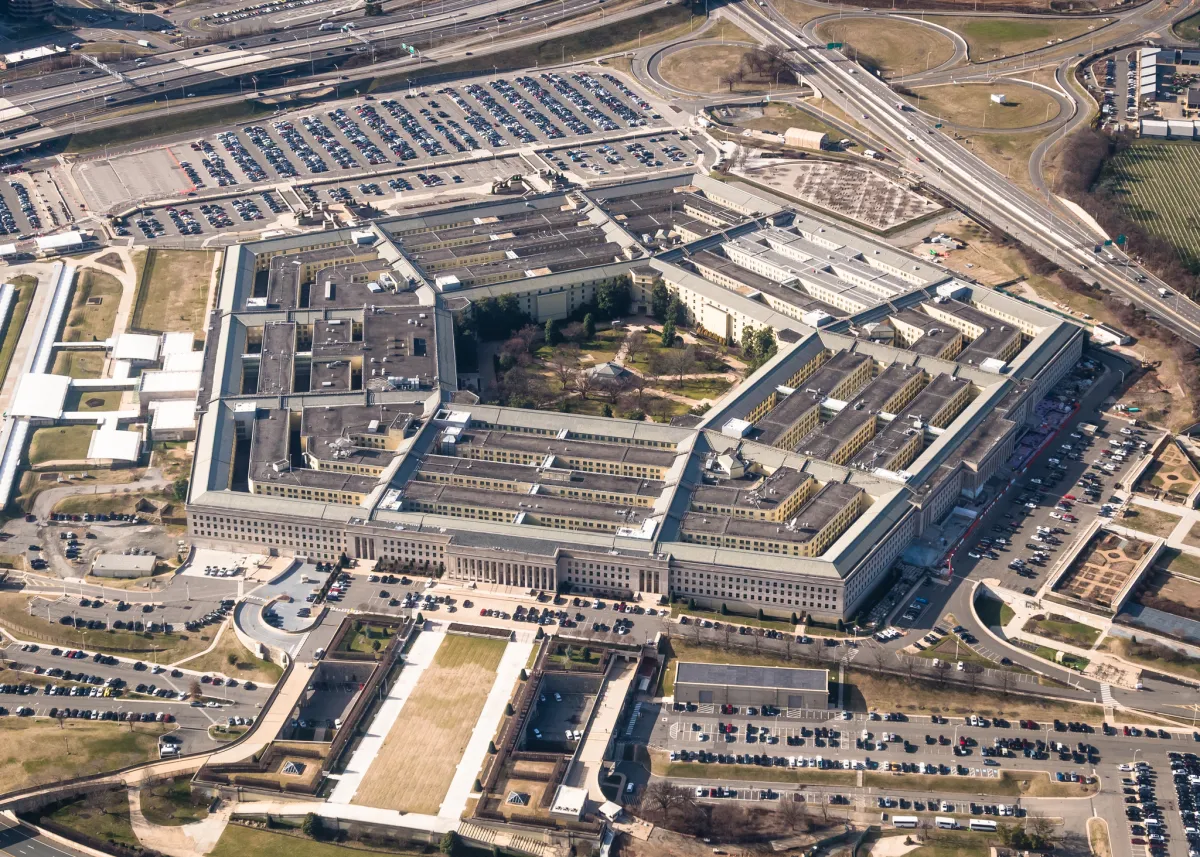
In a dramatic turn of events, the Pentagon’s attempt to leverage Anthropic’s Claude AI technology for defense purposes has encountered significant roadblocks. Just over a week after initial negotiations, the Trump-era Department of Defense designated Anthropic as a “supply chain risk,” effectively halting the agreement and prompting the AI firm to prepare for legal action. This move signals a new era of heightened scrutiny over dual-use AI technologies—particularly those with capabilities that intersect with military applications—reshaping the landscape of public-private partnerships in national security.
Meanwhile, OpenAI quickly responded with its own deal to supply the Pentagon with its GPT-based AI solutions. This swift maneuver did not go unnoticed; it sparked backlash among users, evidenced by a 295% surge in ChatGPT uninstalls and a spike in public sentiment questioning the ethics of deploying advanced AI in military contexts. Industry analysts like Gartner warn that such friction is emblematic of a broader disruption: the integration of cutting-edge AI into defense frameworks is becoming a flashpoint for regulatory and ethical debates. To many, these conflicts threaten to slow innovation but also serve as a clear signal that governments are becoming increasingly wary—as well they should—of AI’s potential for misuse.
Speaking on the implications of these disputes, veteran tech commentators on podcasts such as TechCrunch’s Equity have underscored the business risks involved for startups aiming to partner with federal agencies. Kirsten Korosec and her colleagues emphasize that the Pentagon’s shift to reevaluate contract terms and risk assessments may chill the willingness of innovative AI firms, especially startups, to engage in critical defense collaborations. This potential “chilling effect” could hinder the rapid deployment of disruptive AI tools, which are poised to revolutionize both military strategy and civilian industries.
Looking ahead, industry insiders like Elon Musk and venture capitalists such as Peter Thiel point to a future where disruptive AI development remains essential to global competitiveness. However, the current political climate—highlighted by aggressive scrutiny over AI’s application in lethal contexts—injects a sense of urgency into the innovation pipeline. While the Pentagon’s recent moves reveal a desire to tighten oversight, they also expose inherent vulnerabilities in the U.S.’s ability to remain at the forefront of AI progress. As leading think tanks, MIT and Stanford, continue to call for robust oversight and responsible innovation, the real question for technologists and policymakers alike is: can the United States balance cutting-edge technological disruption with ethical safeguards that preserve industry leadership?
In summary, the unfolding dispute over AI use in defense exemplifies a pivotal crossroads—one where innovation and regulation collide on a global stage. The evolving dynamics highlight a strategic imperative for startups and established firms: to navigate this shifting terrain with agility, foresight, and a relentless focus on responsible AI deployment. As national security pressures rise and the world’s most powerful AI firms grapple with ethical considerations, the next wave of technological evolution may redefine both the battlefield and business landscape. In this race for dominance, only those who innovate with prudence and resilience will secure their place in the future of AI-driven disruption.