Matox News

Truth Over Trends, always!

Dignitas Founder Chooses Assisted Death, Making Bold Statement on End-of-Life Choices

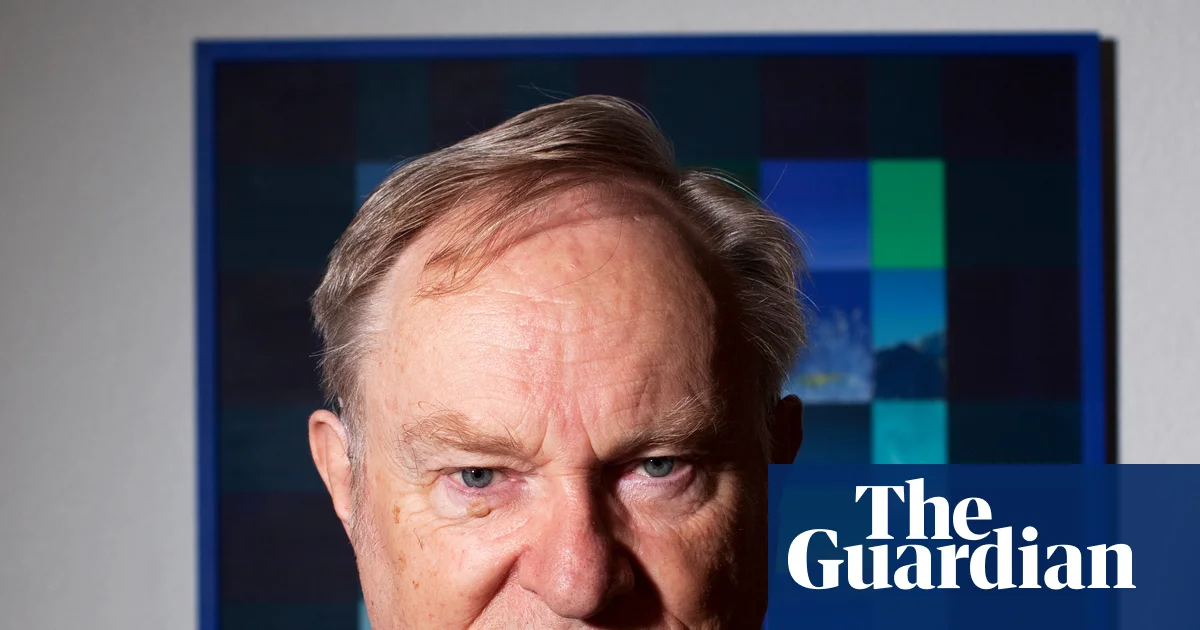
The recent passing of Ludwig Minelli, founder of the Swiss right-to-die organization Dignitas, marks a significant milestone in a rapidly evolving global debate over assisted dying. Minelli’s choice to end his own life at nearly 93, through an assisted death he championed for decades, encapsulates the profound ideological shift occurring across the world — from legal battles to cultural acceptance. He dedicated his life to the principle of self-determination in end-of-life choices, and his impact on Swiss law and the broader international legal landscape underscores the importance of these evolving norms. As the world witnesses this transformation, analysts emphasize that Minelli’s legacy continues to shape societies’ perceptions of dignity, autonomy, and the moral questions surrounding assisted death.

The case of Switzerland stands as a testament to the country’s progressive stance. While euthanasia—where a third party directly administers lethal assistance—is illegal, assisted dying remains legal and culturally accepted. This legal framework was notably influenced by Minelli’s persistent activism, which culminated in landmark rulings such as a 2011 European Court of Human Rights decision affirming the right to self-determination in end-of-life decisions. These legal precedents have inspired debate and legal reform across Europe and beyond, prompting countries like France, Spain, and Austria to enact laws permitting assisted dying under specific circumstances. The global geopolitical impact of this expansion is profound, as it challenges traditional values rooted in sanctity of life, compelling nations to reconsider their legal and ethical boundaries amidst shifting societal norms.

This wave of change is not confined to continental Europe. In North America, more than ten U.S. states have legalized assisted death, reflecting mounting support for personal autonomy in the face of terminal illness. Meanwhile, Canada and Australia have likewise embraced legislative reform in recent years, signaling a broader geopolitical realignment. However, within the UK, the debate remains fiercely contested. Despite a parliamentary vote in June backing the legal framework for terminally ill patients to seek assisted death, the legislation faces relentless scrutiny in the House of Lords. Critics argue the bill requires rigorous safeguards to protect vulnerable populations, and opponents have successfully delayed passage, emphasizing ongoing societal divisions over moral and legal dimensions. This illustrates how, even in democracies with long-standing traditions of debate, the transformation toward acceptance of assisted dying is not guaranteed but hinges on complex, high-stakes decision-making.

The influence of Minelli and Dignitas, and their advocacy, extend well beyond Swiss borders, shaping international discussions about personal sovereignty and the ethics of assisted death. As historian and legal analyst Dr. Amelia Carter notes, Minelli’s persistent legal challenges—culminating in appeals to the European Court of Human Rights—have helped reframe assisted dying as a matter of human rights rather than mere moral controversy. Yet, this evolving landscape comes at a cost, as societies grapple with the moral implications and societal risks of legislating individual choice over life and death. As Minelli’s legacy persists, the global community finds itself at a crossroads: do we uphold rigid sanctity of life, or embrace a future where autonomy, dignity, and personal choice dictate the terms of our final moments? As history continues to unfold, the answer will shape the moral fabric of nations and forge a new chapter in the ongoing debate over the right to die with dignity.

Meet the startup co-founded by NBA star Russell Westbrook, redefining end-of-life planning for the next generation

AI-Driven Innovation Disrupts End-of-Life Planning Industry with Eazewell’s Vision

In a remarkable display of technological innovation and market disruption, Eazewell, an AI-powered platform dedicated to simplifying end-of-life and funeral planning, has entered a traditionally fragmented industry. Founded in 2024 by Donnell Beverly Jr.—whose personal loss catalyzed the venture—Eazewell leverages cutting-edge artificial intelligence to automate tasks that once weighed heavily on grieving families. This initiative exemplifies the seismic shifts occurring as AI begins to redefine how life’s final transitions are managed, with significant business implications for sectors ranging from funeral services to digital estate management.

The core innovation behind Eazewell is its AI agent, available around the clock, which empowers families to effortlessly coordinate funeral arrangements, manage paperwork, and even cancel credit accounts on behalf of the deceased. This automated approach resolves longstanding inefficiencies within the industry, often plagued by manual, time-consuming processes. The platform’s recent rollout of an enterprise solution for hospice providers, senior living facilities, and insurers further extends its disruption. By integrating seamlessly into existing software ecosystems, Eazewell positions itself as a market-changing enabler for enterprise-level stakeholders, promising to transform industry standards.

Market Implications for Traditional and Emerging Players

According to leading analysts from firms like Gartner, the integration of AI-driven automation into sensitive segments such as end-of-life planning is a strategic game-changer with broad implications. Already, Eazewell reports assisting over 100,000 families, a testament to the scalability of its approach. As the platform broadens to include digital asset management—an increasingly vital concern in a digital-first era—the industry is poised for a fundamental shift. The ongoing digital transformation hints at a world where legacy management and estate planning become seamlessly integrated into everyday digital life, challenging established traditional players resistant to technological evolution.

The Broader Context of Disruption and Innovation

Disruptors like Elon Musk’s Neuralink and Peter Thiel-backed startups have demonstrated the enormous potential of AI to overhaul deeply rooted industries. Eazewell’s focus aligns with this trajectory by highlighting how AI’s influence extends well beyond the here and now, into the posthumous realm. The company’s forward-looking vision, including managing digital assets and inheritance, exemplifies how innovation is converging with industry standards of trust and security. Notably, industry experts and forecasters see these advancements as not just improvements but essential evolutions for businesses seeking resilience amid changing consumer expectations and technological norms.

The significance of this evolution transcends mere convenience: it heralds a new era where disruption can unlock new revenue streams, reduce operational costs, and elevate service standards. As AI and automation continue to mature, competition will intensify, compelling entrenched industries to innovate or face obsolescence. The urgency for stakeholders—whether traditional funeral service providers or emerging digital estate managers—is clear: adapt rapidly or be left behind in a rapidly transforming landscape that demands technological agility and disruptive thinking.

Future Outlook: An Urgency for Strategic Adoption

Looking ahead, the potential of AI to revolutionize end-of-life services signifies more than just a niche innovation; it foreshadows a broader societal shift. Industry visionaries and technology leaders emphasize that the pace of change necessitates proactive engagement. Experts from institutions like MIT forecast that AI-driven end-of-life management will become a standard component of digital identity and estate planning platforms within the next decade. This evolution presents a crucial call to action for investors and businesses alike: position strategically now to harness the impending wave of disruption, leveraging innovation to serve a growing demand with compassion and efficiency.

As the industry broadens its horizons, it becomes evident that disruption is inevitable. The integration of AI into sensitive life-stage services embodies both a technological leap and a philosophical shift—one where technology’s role is to ease burden, empower families, and fundamentally reimagine what legacy means in a digital age. The race for innovation is on, and those who move decisively will shape the future of a trillion-dollar industry—and redefine how society handles its most profound moments.

Social Media Auto Publish Powered By : XYZScripts.com



