Matox News

Truth Over Trends, always!

Iran’s risky game: Counting on endurance and deterrence to hold the line

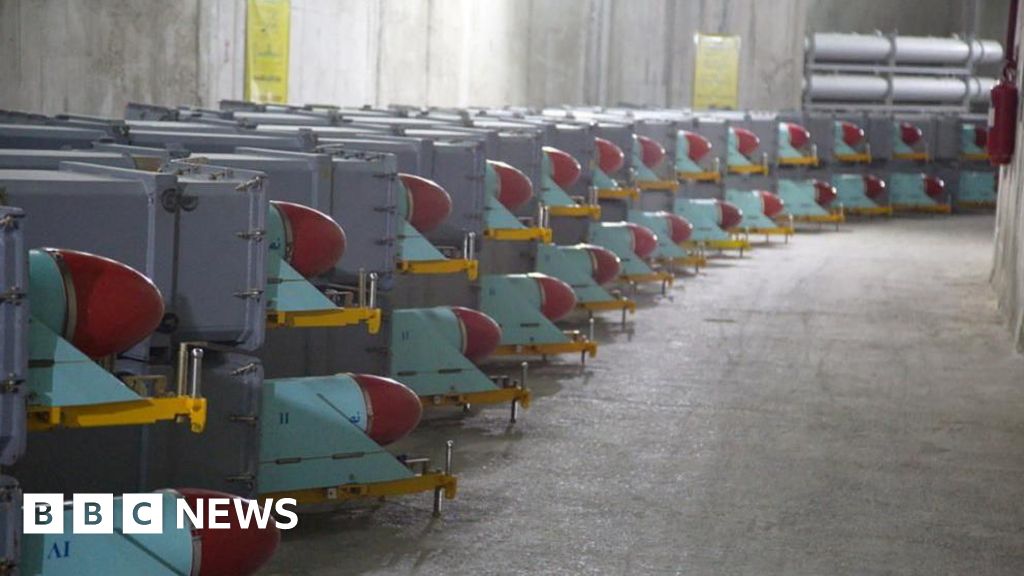
Recent assessments by BBC Persian analyst Amir Azimi highlight a noticeable shift in Tehran’s strategic outlook amidst escalating tensions in the Middle East. The Iranian leadership seems to operate under a fundamental belief: it can withstand prolonged external aggression, absorbing strikes and enduring economic sanctions longer than its adversaries can sustain their pain. This doctrine of resilience underscores Iran’s evolving approach to regional and global conflicts, positioning itself as a formidable power capable of weathering sustained pressure while pursuing its strategic objectives.

Historically, Iran has navigated a landscape fraught with external hostility, from the post-1979 revolution era through the Iran-Iraq War to the current complexities involving the United States, Israel, and their allies. These persistent conflicts and diplomatic confrontations have shaped Iran’s mindset: resilience is its most valuable card. Azimi’s analysis suggests that Tehran believes this long game approach compels its rivals to either relent or exhaust their resources trying to diminish Iran’s position. This form of strategic endurance is rooted not just in military doctrine, but also in the ideological conviction that external coercion cannot break Iran’s ideological unity or its resolve to pursue autonomous regional interests.

The implications of this approach have significant geopolitical impact. Decisions made in Tehran—whether in response to U.S. sanctions, foreign military threats, or regional alliances—are increasingly characterized by a calculated patience. This tactic aims to shift the conflict from direct confrontation to an endurance contest, where Iran seeks to leverage its resilience to outlast economic and diplomatic pressures. International organizations and geopolitical analysts warn that this could lead to a protracted standoff, with each side exhausting its capacity for costly escalation. While some global pundits refer to Iran’s strategy as a form of “geopolitical gamble,” others consider it a dangerous game that risks further destabilizing an already volatile region.

Experts such as John Bolton and Middle East analysts warn that this calculus could have profound consequences. As Iran continues to develop its missile programs, expand its influence in Syria, Iraq, and Yemen, and push back against external interference, the region faces a potential escalation that many say is inevitable, unless diplomatic breakthroughs occur soon. Meanwhile, the United States and its allies remain divided on whether to pursue direct military action or to double down on economic measures—both strategies engaging in a high-stakes game of endurance, with the entire world watching.

In this evolving geopolitical chess match, the question remains: how long can the players sustain their respective strategies before history decides the final move? As Iran’s leadership appears prepared to absorb and outrun its opponents’ efforts, the world stands on the precipice of a chapter still unwritten, where patience, resilience, and strategic endurance may define the course of the 21st century’s most complex conflict. The echoes of history remind us that in the realm of global power conflicts, endurance often becomes the ultimate weapon—and the defining factor in the long-term balance of influence.

Anglesey’s Historic Bridge Turns 200—A Testament to Endurance and Heritage

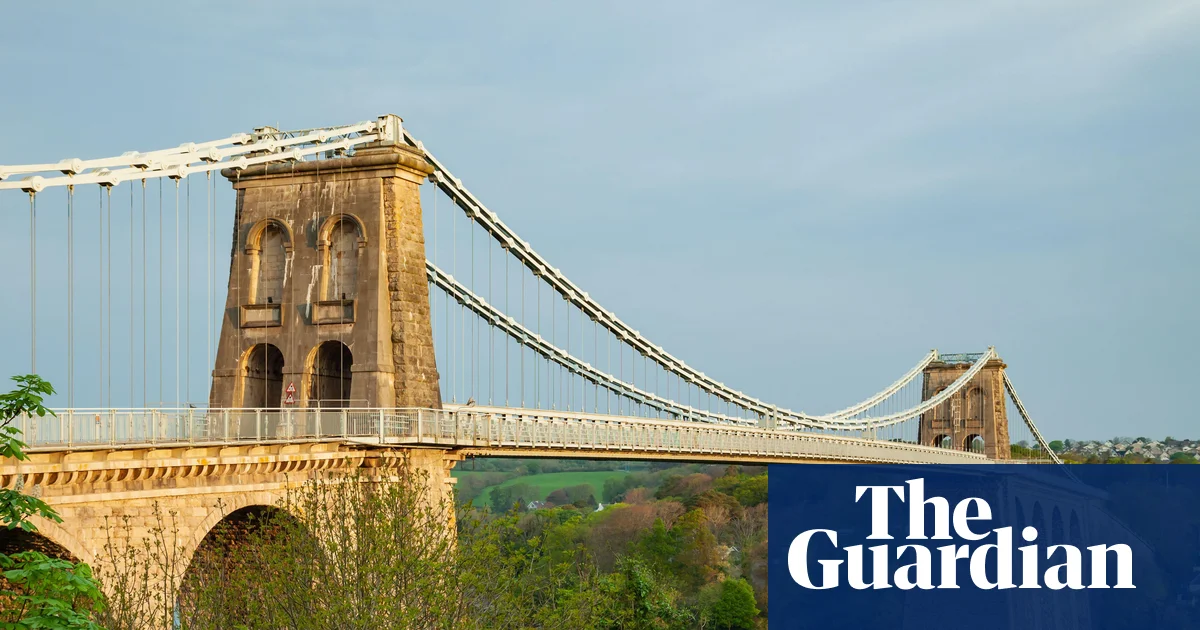
As Britain marks the 200th anniversary of the Menai Bridge, it becomes clear that this historic marvel of engineering is more than just a physical structure—it embodies a pivotal era in geopolitical development and infrastructure innovation. Designed by the legendary Thomas Telford, the bridge revolutionized communication and trade links between Great Britain and Ireland. The celebration underscores the lasting influence of the bridge, which for two centuries has stood as a symbol of British ingenuity and resilience, despite ongoing structural challenges.

  • Constructed between 1819 and 1826 at a cost of British innovation, the Menai Bridge was the world’s first major suspension bridge, showcasing Telford’s mastery and setting a precedent for future global civil engineering projects.
  • Its completion marked the last piece in the London-Holyhead route, drastically reducing travel times and enhancing safety at a time when Ireland was increasingly integrated into economic and political life of the United Kingdom.
  • The bridge’s design incorporated meticulous measurement techniques—feats that engineers today highlight as pioneering—such as the use of hundreds of uniform iron cables with adjustable links, a process still admired by *international engineering communities*.

Yet, the age of the Menai Bridge has not come without strife. In recent years, safety concerns have surfaced amid reports of structural defects that threaten to impede vital traffic flow. The Welsh government announced additional repairs, with completion now scheduled for next February. Such decisions reflect a broader geopolitical dilemma: how to preserve Britain’s historical infrastructure amidst economic constraints and modern safety standards. Analysts warn that neglecting these structures could jeopardize not only local transport but also national prestige, as they are often perceived as symbols of a nation’s industrial might and cultural legacy. Historians, like Dr. Eleanor Smith, emphasize that “the ongoing effort to maintain Telford’s engineering masterpiece is a reminder that Britain’s infrastructure is a living heritage — one which must be actively protected to sustain its long-term influence.”

In the context of rising international tensions and shifting alliances, the maintenance of such iconic projects holds profound geopolitical significance. As European and global powers face new challenges—be it economic instability or strategic competition—the importance of resilient infrastructure becomes ever more pronounced. How nations choose to invest in and preserve their key symbols of progress directly affects societal stability and international perception. Meanwhile, the celebration of the bicentenary—featuring plaques, talks, and community events—serves as a reminder that history is continually being written. With experts optimistic about the bridge’s future, some argue that if properly cared for, it could endure for another two centuries—standing firm amidst a rapidly changing world.

Ultimately, the story of the Menai Bridge is a chapter in the ongoing narrative of human achievement and national identity. As the structures of the past face modern pressures, the saga of their preservation underscores a universal truth: the forces shaping our world are not only found in geopolitics or economics but are also embodied in the enduring symbols of our collective history. As we look toward an uncertain future, the looming question remains—will we honor this heritage and safeguard the bridges that connect us? Or will neglect consign them to the annals of history, leaving a generation to wonder about the legacy of bygone eras? The answer lies in how today’s decisions will echo through the ages, forging the path that future generations will follow—and perhaps, how they will look back at the resilience of structures like the Menai Bridge as monuments of societal perseverance and national pride.

Social Media Auto Publish Powered By : XYZScripts.com


