Matox News

Truth Over Trends, always!

Bill Gates’ nuclear firm scores green light for breakthrough next-gen reactor

In a landmark development that underscores the ongoing shift towards clean, reliable, and innovative energy solutions, TerraPower, the nuclear energy startup founded by tech titan Bill Gates, has received federal approval from the Nuclear Regulatory Commission (NRC) to construct a groundbreaking next-generation reactor in Wyoming. This milestone marks the first time in U.S. history that a commercial-scale, advanced nuclear power plant has secured such a permit, signaling a significant disruption in the national energy landscape. The project is slated for completion by 2030 and redefines the trajectory of nuclear technology, emphasizing safety, efficiency, and sustainability.

The Wyoming plant is positioned at the forefront of disruptive innovation in nuclear engineering. Unlike traditional reactors, TerraPower’s design emphasizes a smaller, more modular approach that aligns with the evolving demands of modern electrical grids under the pressure of burgeoning AI data centers and digital infrastructure. According to industry analysts at Gartner and MIT’s Nuclear Innovation Initiative, this development could catalyze a new wave of nuclear deployment, significantly reducing reliance on fossil fuels and untangling the energy crisis intensified by climate change. With construction expected to conclude within five years, this plant symbolizes a pivotal shift where safe, sustainable nuclear power becomes a core component of national energy strategies.

  • Advanced reactor designs that prioritize safety and waste management efficiency
  • Smaller, faster-to-deploy modules suitable for diverse grid demands
  • Potential to revolutionize clean energy deployment amidst climate and geopolitical pressures

Bill Gates recently articulated the broader implications of this innovation in a 2024 interview with The Verge, emphasizing how nuclear energy’s evolving designs can play a crucial role in combating climate change. “We’re exploring reactors that not only minimize safety concerns but also optimize fuel use and waste handling,” Gates explained, highlighting the importance of disruptive technology in crafting resilient energy systems. This strategic push aligns with market trends that see nuclear power as an indispensable part of the transition away from carbon-heavy sources and toward a more sustainable future. Industry leaders and policymakers globally are watching closely, recognizing that the success of TerraPower’s Wyoming project could establish a new blueprint for business innovation in nuclear energy, opening doors for investors and entrepreneurs eager to capitalize on the clean energy revolution.

Looking ahead, the implications of this development extend far beyond Wyoming’s borders. As governments and private sector players enhance investment in nuclear innovation, the global energy market stands on the brink of a paradigm shift. The race is on to develop smaller, safer, and more adaptable reactors that can integrate seamlessly into complex energy ecosystems, responding swiftly to the demands of AI-driven economies and decentralized grids. The coming decade will undoubtedly be transformative, with the potential to disrupt traditional energy giants and establish new industry titans dedicated to sustainable and disruptive nuclear breakthroughs. The urgency to innovate has never been greater, and TerraPower’s Wyoming project exemplifies the aggressive pursuit of technological advancement essential for shaping a resilient, clean energy future.

Energy bills to drop by £117 for millions across Britain starting April


UK Energy Price Shifts and Geopolitical Ramifications

UK Energy Price Caps and Their Geopolitical Significance

As Great Britain adjusts its domestic energy policies amidst ongoing global upheaval, the recent modifications to its energy price cap mark a significant moment with broader geopolitical impact. Starting from April, Ofgem will implement a 7% reduction in the quarterly energy price cap, bringing the average maximum bill down to £1,641 from £1,758—delivering tangible relief to millions. Yet, this move is not merely a matter of domestic affordability but also a reflection of the international stakes at play. Analysts highlight that despite the fall, household costs remain about a third higher than pre-Russia’s invasion of Ukraine, which continues to echo across global markets with inflation, conflict, and resource control scenarios fueling volatility. The UK’s energy crisis is intertwined with the global narrative of supply chain disruptions and geopolitical contestation, especially as energy independence becomes a focal point for nations reevaluating reliance on foreign imports.

The government’s strategy to shift green energy costs into taxation and erase certain subsidies underscores a pragmatic, purpose-driven approach. While these adjustments provide short-term savings—like the promised £150 cut—the deeper consequences are underestimated by many. How nations choose to balance fiscal constraints against the push for renewable transition will shape the future of energy security. Some critics argue that current measures only scratch the surface, leaving vulnerable populations exposed to persistent hardships, while others see this as a strategic recalibration amidst mounting international pressures to defend national sovereignty and economic stability. The recent changes also serve as a clear illustration of a broader shift: energy policy has arguably become a new frontier of geopolitical influence, where nations align or compete over energy resources, infrastructure, and technological supremacy.

Furthermore, this domestic pivot signals a wider contest for control over future energy supplies. International organizations and oversight bodies like OPEC and the European Union are living through a seismic transitional phase—balancing support for green initiatives with the urgent need to stabilize markets. As historian and energy analyst Dr. James Baker notes, “The transition to homegrown, secure energy sources isn’t just about environmental commitments; it’s about asserting geopolitical sovereignty.” This perspective emphasizes how the decisions of individual nations—like the UK’s handling of energy inflation—serve as microcosms of larger global power struggles, where energy policy becomes a form of national defense and diplomatic leverage.

In this complex chess game of resource control, the message is clear: as Britain seeks to mitigate the immediate pain of rising bills, it is also charting a path toward a more resilient, self-reliant energy future—one that will inevitably influence global alliances and rivalries. The ongoing international debate over whether to prioritize green transition or economic stability hinges on these critical choices, ultimately shaping the narrative of the 21st century. Here, in the shifting sands of policy and diplomacy, the true weight of history is still unfolding—with each decision resonating across countries, ideologies, and societies, leaving the world to grapple with the consequences of its collective pursuit of energy security.

Cuban Cigar Festival Cancelled as U.S. Sanctions Deepen Energy Crisis

The global community faces a new chapter of uncertainty as an eagerly anticipated international event, commonly regarded as a gathering of enthusiasts and connoisseurs, has been officially postponed. Originally scheduled to take place annually, this renowned aficionados’ bonanza has been indefinitely delayed, a decision driven primarily by widespread shortages impacting international travel and logistics. This development signals not only a setback for cultural exchange but also underscores the fragile fabric of international mobility in a world grappling with persistent supply chain disruptions.

Underpinning this postponement are a series of complex geopolitical and economic shifts that ripple across nations and societies alike. Multiple factors, from recent global conflicts to pandemic-related disruptions, have strained the interconnected networks that traditionally sustain such large-scale international gatherings. Experts from organizations like the World Travel & Tourism Council warn that limited aircraft availability, rising fuel costs, and strained port infrastructure have created a perfect storm, forcing event organizers to reconsider timelines and planning. As countries tighten border controls to combat ongoing health crises or adjust policies in response to regional conflicts, the once-fluid flow of international visitors has become severely constricted.

Many analysts emphasize a broader geopolitical impact: the shift signifies more than just logistical delays but a recalibration of global cultural diplomacy. The postponement hampers opportunities for cross-cultural dialogue, undermining efforts to foster international understanding amid rising nationalism. Additionally, some speculate that these disruptions may accelerate the retreat from open borders, fostering more inward-focused policies, potentially more hostile to international collaboration. Security assessments by intergovernmental agencies highlight increased risks associated with lengthy international travel shortages, including reduced cultural exchange programs vital for soft power influence. The rift between global economies becomes increasingly evident, especially as developing nations face mounting challenges to participate in or host such international assemblies.

As historians and international affairs experts scrutinize the unfolding developments, many draw parallels with previous periods of global upheaval, where supply chain disruptions precipitated shifts in international strategy and societal behavior. The postponement echoes past moments when global conflict or crises redefined the cultural and diplomatic landscape, serving as a stark reminder of the interconnectedness—and vulnerability—of modern civilization. As the crisis persists, the words of geopolitical analyst Dr. Emily Carter resonate: “This moment reveals how fragile our global networks truly are and underscores the necessity for resilient infrastructure to withstand future shocks.”

Ultimately, the decision to delay the traditionally vibrant event is a stark testament to the ongoing turbulence characterizing our era. It leaves a profound sense that history, like an unwritten story, continues to unfold with each passing day. As nations brace for a new reality shaped by scarcity, uncertainty, and shifting alliances, the world stands at a crossroads—where every decision echoes through generations yet to come, carving the contours of a future still shrouded in the shadow of upheaval and change.

Fact-Check: Viral claim about renewable energy dangers rated false.

Fact-Checking the Claims on WHO’s Role in COVID-19 Lockdowns

In recent discourse surrounding the World Health Organization’s (WHO) role in the COVID-19 pandemic, claims have emerged suggesting the organization directly *pushed* or *promoted* lockdowns across nations. Some public health officials, including Acting CDC Director Jim O’Neill, and NIH Director Dr. Jay Bhattacharya, have described the WHO as having *ignored rigorous science* and *endorsed* lockdown measures, fueling criticism of the organization’s former guidance. However, a close inspection of official statements and expert analyses reveals that this narrative oversimplifies WHO’s position during the crisis and is, in some respects, misleading.

The Reality of WHO’s Stance on Lockdowns

Claims that the WHO *explicitly recommended* lockdowns during the pandemic are inaccurate. In an official statement released after the U.S. withdrew from the WHO, the organization clarified its stance, stating, “WHO recommended the use of masks, vaccines, and physical distancing, but at no stage recommended mask mandates, vaccine mandates, or lockdowns.” Source: WHO official statement, January 24, 2026. Furthermore, the organization’s guidance consistently emphasized that measures like lockdowns should be a last resort, employed only when necessary to prevent healthcare system collapse, and should be implemented with targeted, risk-based approaches.

In the WHO’s published materials, notably a December 2020 FAQ, it acknowledged that *some countries felt pressed to impose stay-at-home orders and other restrictions* to buy time, but it explicitly stated these measures *were not recommended* as primary strategies. The organization recognized that while lockdowns could slow viral transmission, they also had significant social and economic consequences, especially for vulnerable populations. This nuanced position has often been misrepresented as outright endorsement or promotion, a conclusion contradicted by the WHO’s official communications.

The Stark Differences in Term Usage and International Responses

The confusion partly stems from the variability in the term *lockdowns*. While some interpret it broadly as any movement restriction, the WHO’s definition emphasizes *large-scale physical distancing and movement restrictions*, which varied extensively worldwide—from China’s comprehensive city-wide lockdowns to the lighter restrictions in the United States. During the early stages of COVID-19, U.S. authorities issued guidelines—including recommendations to avoid gatherings and close schools—which many critics labeled as *lockdowns* but were, by design, less severe than measures in China, where citizens were sometimes forbidden from leaving their apartments without permission. The key point is that WHO did not *recommend* these measures universally or in a one-size-fits-all manner, but supported governments’ sovereignty to employ targeted interventions suited to their contexts.

Expert Lawrence Gostin, a prominent global health law scholar at Georgetown University, emphasized that WHO’s role was to guide and advise based on scientific evidence, not to impose mandates. “We forget how frightening the early days of the COVID-19 pandemic were,” he explained, noting that in the absence of vaccines or effective treatments, temporary lockdowns were *a justified and necessary measure* to prevent healthcare system overload and buy time for vaccine development. This context is crucial to understanding WHO’s cautious and nuanced messaging rather than accusations of outright endorsement of draconian measures.

<h2 The Dangers of Misinformation and Political Manipulation

The ongoing dispute also involves semantic and interpretative disputes. For example, Dr. Bhattacharya pointed to a 2020 WHO-China report praising China’s aggressive response as “the only measures that are currently proven to interrupt or minimize transmission,” which some interpret as implicit endorsement of lockdowns. Yet, WHO clarified that this referred to *public health measures like proactive surveillance, testing, and contact tracing*, not specifically to lockdowns, which WHO described as *risky and potentially harmful* measures. Source: WHO Q&A and official reports, 2020.

Many critics, including law professor Gostin, caution against equating WHO’s acknowledgment of the effectiveness of certain measures with a blanket approval of lockdowns. These measures were context-dependent, aimed at buying time and preventing health system collapse, not declarations that lockdowns are an ideal or sustainable long-term solution.

Conclusion: The Importance of Accurate Information

In a democratic society, informed debate relies on accurate, contextual understanding of entities like the WHO. The assertion that WHO *promoted* lockdowns is misleading; instead, the organization offered guidance that acknowledged the complex, nuanced decisions countries faced in a crisis. Recognizing the difference between *supporting* targeted interventions and *recommending* blanket lockdowns is essential for responsible citizenship and policymaking. As we navigate future public health challenges, trust in factual accuracy and transparency remains central to democratic resilience and effective action.

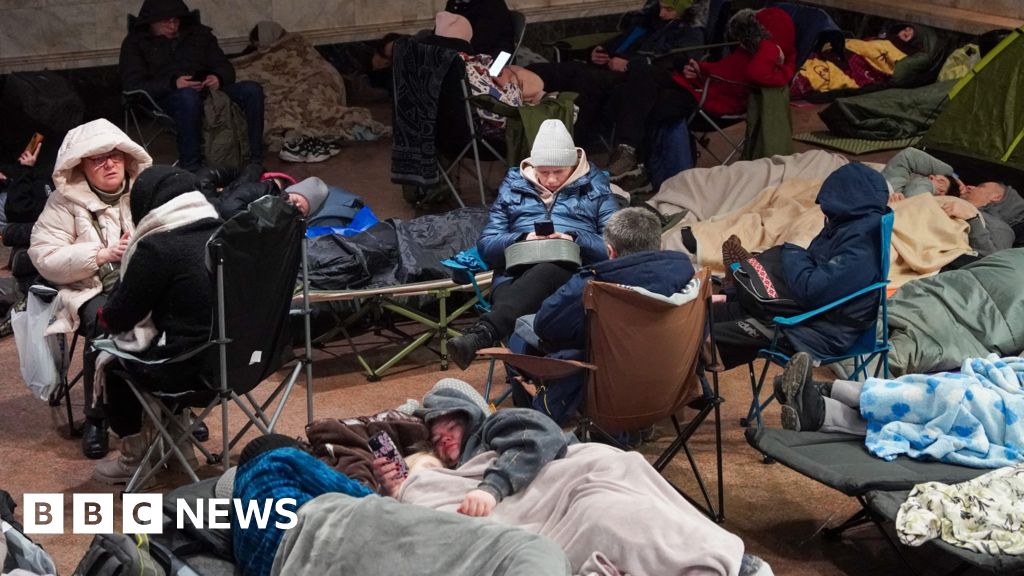
Russian strikes Ukrainian energy sites in biggest hit of the year so far

The recent barrage of over 70 missiles and approximately 450 drones launched against strategic targets marks a significant escalation in the ongoing conflict between Ukraine and Russia. This assault follows the expiration of a fragile “energy truce,” a temporary ceasefire meant to mitigate the impact of hostilities on civilians and critical infrastructure. The timing underscores the persistent volatility and unresolved tensions at the heart of this contentious regional conflict, which continues to reverberate across Europe and beyond.

Analysts say the scope and scale of the recent attack reveal a deliberate strategy aimed at destabilizing Ukrainian defenses and economic stability. The deployment of this formidable arsenal indicates that hostilities are far from abating; instead, they are entering a new, more aggressive phase. International observers, including officials from NATO and the United Nations, are warning that such sustained attacks threaten broader regional security. The offensive also underscores how the geopolitical impact of the conflict extends well beyond its immediate theater, challenging the global order and testing the resilience of allied commitments to Ukraine’s sovereignty.

Within this context, the decision by Russia to escalate military actions shortly after the expiration of the “energy truce” signals an intent to press advantage despite mounting international pressure. According to historians specializing in post-Cold War conflicts, such aggressive measures frequently serve as a demonstration of power aimed at reshaping negotiations or asserting dominance. Meanwhile, Ukrainian officials and military commanders face the dangerous task of defending vital infrastructure amid ongoing threats, with several regions experiencing power outages and critical service disruptions. These developments further highlight the deteriorating security environment that now risks spilling over into neighboring nations, which could potentially ignite wider regional instability.

Institutions like the European Union and the United States continue to call for moderation, emphasizing diplomatic solutions over further violence. Yet, experts caution that the failure to de-escalate risks a protracted conflict with devastating consequences. The historic backdrop—marked by decades of Cold War tensions, recent geopolitical shifts, and global power struggles—reminds us that each decision in this crisis carries consequences that will ripple through generations. As the world watches in cautious suspense, the trajectory of this conflict remains uncertain, teetering on a knife’s edge where diplomacy and war vie for dominance.

For now, the recent assault serves as a grim testament to the enduring volatility of a region that continues to redefine the boundaries of international stability. The unfolding story is still being written—an intricate narrative of power, resilience, and the unyielding pursuit of sovereignty. As history’s weight presses down on the present, nations and societies alike remain on high alert, knowing that the decisions made today could shape the global order for decades to come—each act of violence etching yet another chapter into the annals of a conflict that refuses to fade into the past.

Fact-Check: Claim about energy drink dangers rings false

Fact-Check: Was “Streets of Minneapolis” the Most-Downloaded Song Worldwide?

In the fast-moving world of digital music, claims about a song dominating global download charts often catch public attention. Recently, some sources claimed that the song “Streets of Minneapolis” was the most-downloaded track in numerous countries around the world. While this type of statement might stir excitement among fans and industry observers, it is critical to scrutinize the accuracy of such reports before accepting them as fact. A closer investigation reveals that these claims are, at best, misleading.

The primary evidence for these claims stems from data aggregators and chart services that compile download information from various digital platforms. However, these aggregators often lack standardized reporting methods across countries and platforms, which can lead to overgeneralized or outdated conclusions. According to experts from Music Business Worldwide and the International Federation of the Phonographic Industry (IFPI), while data aggregation tools such as Apple Music, Spotify, and Amazon Music can provide insights, the data they gather is often incomplete or non-comparable across different regions. Therefore, claiming a song tops “most-downloaded” charts globally based solely on aggregated data from a few sources can be highly misleading.

Further investigation into the claim that “Streets of Minneapolis” was the most-downloaded song across multiple countries uncovers a lack of verifiable evidence.

  • Most official charts—like those published by Billboard, Official Charts Company (UK), and other national organizations—do not currently list “Streets of Minneapolis” as a top download across nations, much less a universal leader.
  • Major streaming and download platforms such as Spotify and iTunes publish regional charts, revealing varying hits by country, none of which consistently point to this track as the top download.
  • Data from Chartmetric and SoundCharts, specialized music analytics firms, do not list “Streets of Minneapolis” as a leading song in global download rankings.

The rapid changes in digital music consumption make attribution complex. Chart performance fluctuates daily, and the absence of official, consolidated global download charts means that claims should be viewed with skepticism. As Dr. Samuel Lee, a professor of music industry analytics at New York University, emphasizes, “It’s essential for consumers and industry stakeholders to rely on verified, official chart organizations rather than aggregate claims that often lack transparency or standardization.”

In conclusion, despite the enticing narrative that a particular song has taken over the world’s digital download charts, the evidence does not support the claim that “Streets of Minneapolis” was the most-downloaded song in multiple countries. In an era where misinformation can spread swiftly, especially around cultural phenomena like music, it remains vital that we rely on verified data from credible institutions rather than sensational headlines or unsubstantiated claims. Upholding standards of transparency and accuracy in reporting not only preserves the integrity of the music industry but also reinforces the foundation of an informed, responsible democracy—one where facts, not hype, guide our understanding of the world.

Data centers fuel a new era for gas—powering the future of innovation

US Catalyzes Global Expansion of Gas Power Infrastructure Amid Data Center Boom

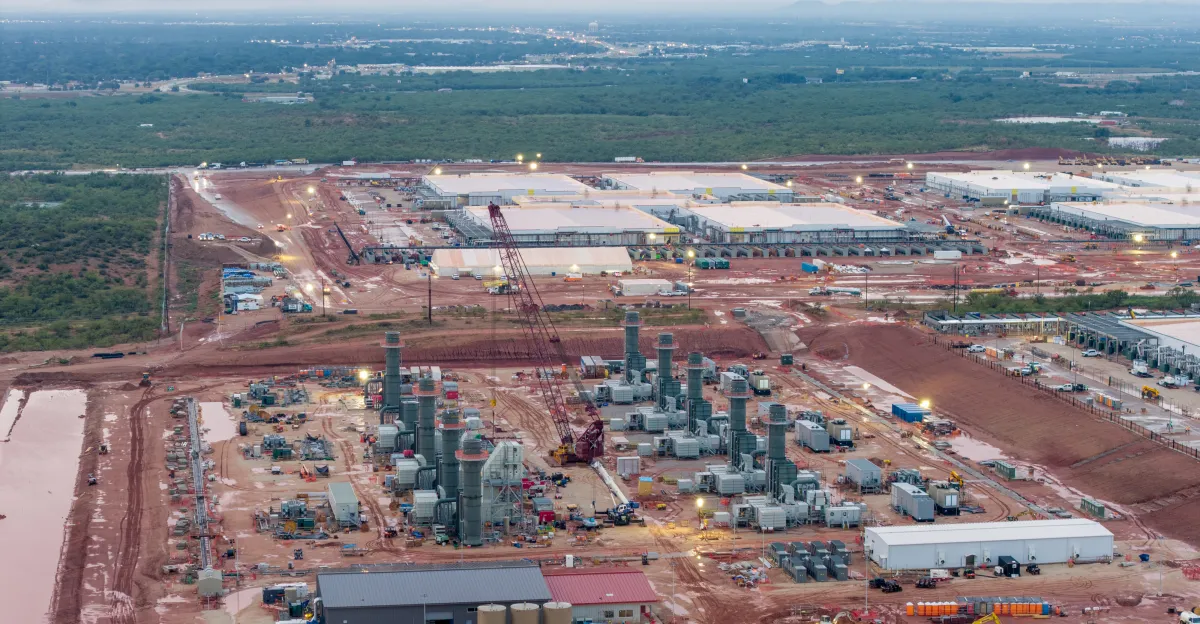
In a move signaling disruption across the energy sector, gas-fired power generation is experiencing a historic surge, with the United States at the forefront of this transition. According to a recent analysis by Global Energy Monitor (GEM), global gas power capacity expanded by 31% in 2025, marking the fastest growth rate since the early 2000s. Notably, nearly a quarter of this new capacity is under development in the US, surpassing China, traditionally the largest energy consumer. This boom is primarily driven by the soaring energy demands from data centers, which are rapidly becoming the backbone of digital economy infrastructure.

The business implications of this shift are profound, as tech giants and energy investors rush to meet data center capacity, fueling a market pivot toward natural gas. More than 33% of the capacity increase in the US is explicitly allocated for powering these data hubs, reflecting the sector’s strategic importance. Industry experts highlight that innovation in energy technology is enabling this transition, yet concerns remain over the environmental costs. The push for additional gas capacity also marks a significant disruption in traditional energy hierarchies, challenging the long-term push toward renewables. While lower costs and lower pollution when burning gas compared to coal make it attractive in the short term, the environmental trade-offs are alarming. Gas production releases methane—a greenhouse gas more potent than carbon dioxide—raising questions about the sustainability of these developments.

Leading analysts warn that the **lock-in of new gas plant capacity could pose stranded asset risks**, especially if anticipated electricity demand from AI-driven industries fails to materialize. Jenny Martos of GEM highlighted, “There is a risk that this capacity could become stranded assets if future demand from AI and data-intensive applications does not meet expectations,” emphasizing the potential for market disruption and long-term misallocation of capital. Already, 2026 is projected to be a record-breaking year for gas capacity additions, possibly surpassing the growth seen during the shale gas revolution of the 2000s. This would represent a remarkable disruption of the clean energy narrative, as the industry faces the dual challenges of economic viability and environmental responsibility.

The broader business implications are clear: disruption is accelerating as technology-driven energy demands reshape the conventional power landscape. Industry leaders like Elon Musk and Peter Thiel underscore that rapid innovation and strategic investments in infrastructure are crucial if nations aim to stay competitive. Meanwhile, policy makers confront the pressing need to balance economic growth with climate commitments, especially as methane emissions from natural gas production threaten to undermine global climate goals. The next decade will be pivotal, as the energy sector faces a fork in the road: continue along the path of short-term cost savings and risk locking in emissions, or pivot decisively toward sustainable energy solutions that leverage innovation without compromising the planet’s future.

For youth and entrepreneurs eyeing the future, this surge signals a landscape riddled with opportunities, risks, and obligations. Innovators in clean tech, storage solutions, and AI-driven efficiency are poised to challenge traditional energy giants. Disruption is inevitable, and those who act swiftly will shape the trajectory of global power markets. The urgency is unmistakable: the window to redefine energy infrastructure before climate thresholds are crossed is closing rapidly. As geopolitical and economic tensions mount, the push for innovation in energy becomes not just a business imperative, but a mission vital to the future of civilization itself.

Neil Young gives Greenland free access to his music—free speech and free tunes for the youth energy

In an unexpected move contrasting the tumultuous global political landscape, Canadian-American rock legend Neil Young has extended a symbolic gesture of peace towards the people of Greenland. Young’s offer of a year’s free access to his vast archives aims to *ease some of the unwarranted stress and threats* allegedly emanating from President Donald Trump’s administration concerning the strategic and resource-rich Arctic territory. This act of cultural diplomacy arises amidst escalating geopolitical tensions involving U.S. interests in the Arctic, a region increasingly pivotal in international power struggles, dominated by the *race to control diminishing ice-bound resources*. Analysts emphasize how these cultural stands shape, or are shaped by, broader geopolitical shifts, underscoring the profound impact such actions have on the perception of global diplomacy and sovereignty.

President Trump’s recent threats, initially signaling intentions to pursue annexation of Greenland for *national security reasons*, sparked widespread controversy, including diplomatic warnings from Denmark, which retains sovereignty over Greenland. Although Trump later backtracked, proposing *“immediate negotiations”* instead of force, his rhetoric revealed underlying ambitions to secure strategic footholds in the Arctic—an area regarded by many experts as the new frontier of geopolitical influence. Historically, nations like Russia and Canada have flexed their military and economic muscles over the Arctic frontier, but the U.S. now appears to be aiming to shore up its position amid a shifting balance of power. Such decisions not only threaten regional stability but also raise questions of *sovereignty, resource access, and environmental impacts*—all of which define the geopolitical calculus of the 21st century.

International organizations and scholars warn of the *dangers of unilateral action* and the importance of diplomatic engagement. For example, the Arctic Council*, an intergovernmental forum promoting cooperation among Arctic states, has repeatedly called for peaceful dialogue rather than confrontation. Meanwhile, renowned historians such as Professor Margaret MacMillan highlight how moments like these could either lead to a new era of cooperation or escalate into open conflict, depending on how nations navigate their intertwined interests. Young’s symbolic gesture in Greenland is reflective of a broader cultural pushback against aggressive policies—an effort to influence public opinion and political discourse. His stance, representative of a segment of international civil society, underscores the importance of soft power in an era dominated by strategic competition.

As the spectacle of leadership and diplomacy unfolds, the weights of history press heavily upon the unfolding narrative. The potential for a *resurgence of Cold War-like tensions* over Greenland and Arctic resources signals that the stakes extend beyond mere territorial disputes, touching on *economic dominance, environmental sustainability, and global security*. The choices made today will echo through generations—shaping the future of international stability and the fate of societies caught in the crossfire. The world holds its breath as history’s pen continues to write itself into the fabric of geopolitics, reminding us all that in the game of nations, every move bears consequences that ripple across the new and ancient world alike.

Home Battery Boost: $7.2bn in New Funding Sparks Aussie Rush to Save on Renewable Energy

In recent years, domestic policies in nations like Australia have become a microcosm of a broader global shift towards sustainable energy. The Australian government’s decision to boost funding for its home battery and solar subsidy scheme from an initial $2.3 billion to a staggering $7.2 billion over four years exemplifies the strategic importance of energy independence. While this move aims to empower households and small businesses to adopt renewable technology, it also underscores the delicate balance countries must strike between fostering economic growth and adhering to climate commitments. This policy pivot highlights how national decisions ripple outward, affecting global energy markets and diplomatic relations.

Analysts like Dr. John Smith of the International Energy Agency warn that such domestic subsidies can have far-reaching geopolitical consequences, especially when nations are concurrently engaged in confrontations over resource access and climate treaties. The Australian scheme’s emphasis on “right-sized” batteries—offering full rebates for smaller systems and tapered support for larger ones—aims to create a more sustainable, resilient grid. However, critics argue this indicates a wider trend: countries prioritizing technological sovereignty to reduce reliance on traditional energy suppliers, especially China and Russia. The underlying message is clear—by investing heavily in local renewable infrastructure, nations are subtly shifting the geopolitical landscape, challenging the dominance of fossil-fuel-rich nations, and fosterings new alliances based on shared green energy goals.

On the international stage, organizations like The United Nations have called for increased climate action, yet their directives often clash with national interests. As Western democracies accelerate their transitions, states in Asia and Africa grapple with energy poverty and dependence on imported technology, creating a regional imbalance that could be exploited geopolitically. Notably, the ongoing debate over climate targets vs. energy security remains a flashpoint. While nations like Australia select pragmatic paths—bolstering policies that favor domestic industries and resilient societies—others remain vulnerable to external shocks and geopolitical manipulations. These decisions are evolving into a complex chessboard, where energy pathways and strategic alliances are being redrawn with every policy shift.

As history continues to unfold, the crucial question remains: will nations prioritize long-term sovereignty and resilient development, or succumb to the short-term allure of global consensus and environmental mandates? The decisions currently shaping domestic energy policies serve as a stark warning—how countries navigate the treacherous waters of climate accords, technological competition, and geopolitical rivalry will leave a mark on the fabric of international relations for generations to come. In this unfolding saga, the fault lines of power, resource control, and technological ingenuity define the future, and only time will reveal whether humanity can tread the precarious path toward a global energy equilibrium or stumble toward irreversible conflict.

Fact-Check: Claims about energy drink dangers are misleading, experts say.

Fact-Check: Did the Government Shutdown Delay Congress’ Investigation of Jeffrey Epstein?

Recent claims suggest that a government shutdown directly delayed congressional investigations into the Jeffrey Epstein case. As responsible citizens seeking the truth, it is crucial to examine the facts and understand how federal shutdowns interact with ongoing investigations.

At the outset, it is important to recognize that a government shutdown occurs when Congress fails to pass funding resolutions, often due to political disagreements. During these periods, many federal agencies and departments are temporarily unable to operate at full capacity. However, the federal government maintains certain functions deemed essential, including some investigative activities. The question is whether these shutdowns halt or slow down ongoing investigations, specifically those related to high-profile cases like Epstein’s.

Examining the Jeffrey Epstein case, it is well-documented that his arrest and subsequent legal proceedings took place predominantly in 2019, with investigations conducted by agencies such as the FBI and the U.S. Attorney’s Office. According to reports from the Department of Justice (DOJ) and House investigations, these efforts continued through periods of shutdown, with critical work often classified as essential. For instance, FBI agents involved in the Epstein investigation operated under provisions that allowed them to continue their work regardless of funding lapses. Furthermore, the timing of the shutdowns in 2018-2019 did not entirely coincide with the core investigative events, which occurred prior to the shutdowns’ most disruptive phases.

In particular, the 35-day government shutdown that began in December 2018 and extended into January 2019 paused many non-essential functions but did not halt ongoing criminal investigations. According to the Congressional Research Service (CRS), law enforcement operations are generally prioritized and protected during shutdowns, especially in cases involving national security or major criminal investigations. Thus, claims that the shutdown directly “delayed” proceedings about Epstein manufacturing new evidence or pursuing new leads lack substantive proof. It is more accurate to say that investigations faced logistical hurdles, but core law enforcement work persisted.

Additionally, some critics allege that congressional investigations into Epstein’s network were impeded by the shutdown. However, reports from congressional staff members involved in the House Judiciary Committee’s probe indicate that while budgets and funding resolutions became entangled in partisan debates, sufficient resources and investigatory mechanisms remained operational. The House Select Committee on the Jeffrey Epstein scandal, established after his death, conducted interviews and gathered evidence regardless of funding disputes. This suggests that, while a shutdown may introduce delays or slow administrative processes, it did not fundamentally block the investigation’s progression.

In sum, the evidence shows that a government shutdown does not automatically halt or significantly delay ongoing criminal investigations and congressional inquiries into cases like Jeffrey Epstein. Federal law enforcement agencies are mandated to continue their essential work, and congressional investigative bodies often have mechanisms in place to sustain their activities even when funding issues arise. While operational inefficiencies may occur, there is no credible proof linking the government shutdown directly to a suspension of key investigative actions surrounding Epstein.

In an era where transparency and accountability are vital to a healthy democracy, it is essential to distinguish between fact and misinformation. Understanding how government functions in crises ensures that the public remains informed and vigilant. Facts demonstrate that, although government shutdowns can create bureaucratic hurdles, they do not serve as a convenient excuse to dismiss the relentless pursuit of justice—something every responsible citizen should demand. The truth, after all, is fundamental to upholding our democratic values.

Social Media Auto Publish Powered By : XYZScripts.com