Matox News

Truth Over Trends, always!

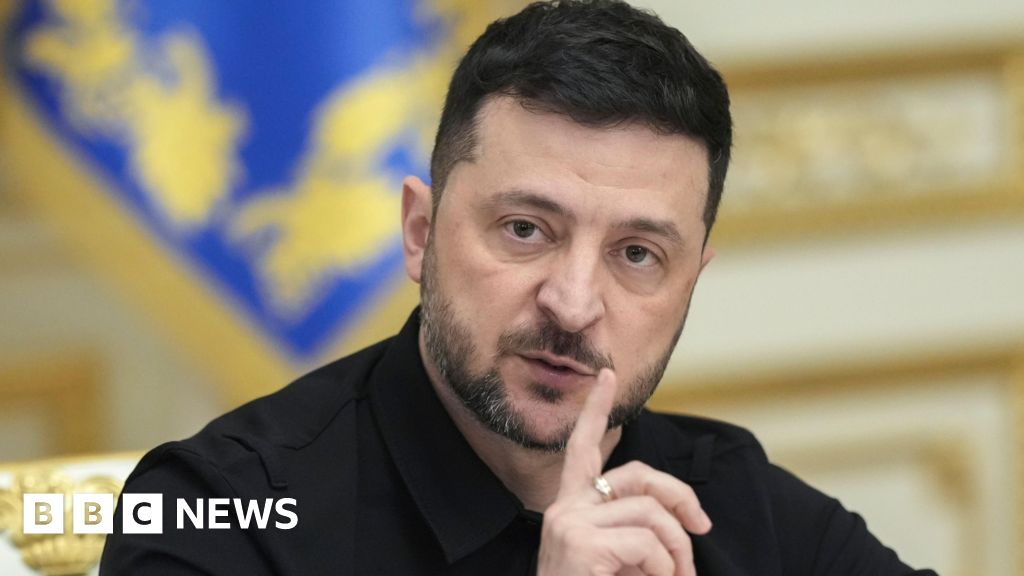
Zelensky Pledges Big Shakeup in Energy Sector After $100M Corruption Scandal

Ukraine’s Energy Sector Under Scrutiny Amid Corruption Scandal

In a move that underscores the ongoing struggles of Ukraine to stabilize its institutions amidst the chaos of war, President Volodymyr Zelensky has announced an ambitious plan to overhaul the country’s sprawling, yet troubled, energy sector. This comes in the wake of a scandal that has shaken public confidence and posed profound geopolitical questions about the integrity of Ukrainian governance. An estimated $100 million has been embezzled from state energy companies, exposing deep-rooted corruption that threatens to undermine Ukraine’s resilience, especially as Russian attacks intensify on critical energy infrastructure.

Corruption Inquiries and Political Fallout

  • Investigations initiated by Ukraine’s National Anti-Corruption Bureau (NABU) and the Specialised Anti-Corruption Prosecutor’s Office (SAP) have revealed that high-ranking officials and close associates of Zelensky may have been involved in illicit activities within key energy firms. Among those implicated are Justice Minister Herman Halushchenko, ex-Deputy Prime Minister Oleksiy Chernyshov, and Timur Mindich, linked to Zelensky’s former TV studio, Kvartal95. The involvement of such figures underscores the complex nexus of politics, business, and corruption that continues to pervade Ukrainian politics.

In response, Zelensky has vowed to restore integrity and transparency, promising a full audit of energy firms and the swift appointment of a new supervisory board for the Energoatom nuclear company within a week. Several ministers have resigned under pressure, yet critics remain wary of the president’s sincerity, especially given previous controversies, such as the July law that temporarily limited the independence of NABU and SAP—a move diplomats and analysts criticized as a setback for anti-corruption efforts. This back-and-forth illustrates the fragile balance Zelensky faces in asserting reform amid entrenched interests.

Escalating Security Crisis and Strategic Consequences

Amidn’t these domestic upheavals, Ukraine’s defensive posture is further strained by an escalation in Russian military assaults on critical energy infrastructure. Attacks on substations and power plants have left parts of the country in darkness, profoundly affecting civilian life and the operation of Ukraine’s nuclear power plants. These assaults are part of a broader strategy by Moscow to weaken Ukraine’s resolve and complicate NATO and Western support. Analysts warn such coordinated energy strikes threaten to destabilize Ukraine’s sovereignty, making the fight for transparency and sovereignty intertwined in ways that extend well beyond Kyiv.

International voices, including seasoned diplomats and organizations like the European Union and NATO, continue to scrutinize Kyiv’s internal reforms. The tension between attempting to root out corruption and maintaining a cohesive war effort has led many to question whether Zelensky’s government can stand the test of both external aggression and internal discord.

Global Implications and the Cost of Compromise

Historian and geopolitical analyst Dr. Maria Ivanova comments that Ukraine’s internal stability is now as crucial as its battlefield resilience. The unfolding scandal reveals the pressing challenge of establishing a governance model that effectively resists external threats while confronting past and present corruption. The decisions made in Kyiv’s corridors of power will influence not just Ukrainian sovereignty but also the broader post-Soviet space, impacting regional security and the future of European energy independence.

As the world watches, Kyiv stands at a pivotal juncture—either it can decisively confront entrenched corruption and emerge stronger against external foes, or it risks becoming a cautionary tale of what happens when internal fissures weaken a nation defending its very existence. With each revelation and crackdown, history continues to unfold—an enduring reminder that the fight for sovereignty, integrity, and independence is often fought in the hidden trenches of politics and power, where the true battles for the future are waged. In this harrowing chapter of political endurance, the weight of history presses heavily upon those who dare to forge a nation’s destiny amid chaos.

Australia News Live: Aurora Lights Up Sky After Solar Storm, Liberals Prepare New Energy Plan

International Turmoil and Ecological Crises Reshape Global Power Landscape

In an era marked by aggressive geopolitical shifts, nations are increasingly using environmental policies — or the lack thereof — as a battleground for influence and control. Australia, often regarded as a microcosm of broader international struggles, has become a prime example. Recent reports reveal that over 130 organizations, including influential groups such as 350.org and Friends of the Earth Australia, are demanding their government reject proposed reforms to the nation’s nature laws. Critics argue these changes threaten to regress decades of environmental protection, effectively putting profits ahead of planetary health. The stakes are high: how each nation’s internal decisions over conservation, energy, and climate action can resonate globally, shaping alliances and hostilities in the ongoing geopolitical theater.

  • More than 100 grassroots groups signed an open letter urging the federal parliament to oppose the Albanese government’s legislation, alleging it would diminish community rights and environmental safeguards.
  • The legislation, championed under the guise of streamlining approvals and empowering state authorities, simultaneously weakens public participation. Critics warn this serves corporate interests and jeopardizes Australia’s biodiversity, which in turn impacts regional stability and international reputation.
  • Meanwhile, the Liberal Party is contemplating abandoning its net-zero emissions target, a move that signals a potential shift away from climate leadership. The party’s internal debate, with Dan Tehan and Sussan Ley at the forefront, underscores a broader global trend: major powers wavering on commitments made during the Paris Agreement era, risking international credibility.

From the perspective of historians and analysts like Professor Peter W. Singer, such internal political battles reflect a deeper struggle: the battle for global narrative dominance. Countries that fail to act decisively on climate may suffer diplomatic isolation and economic repercussions, especially as international organizations like the United Nations emphasize sustainable development goals (SDGs). This shifting landscape has the potential to redraw alliances, with resource-rich nations prioritizing raw materials for energy independence, even at the cost of planetary health. The decisions that commence within national legislative chambers now ripple outward, influencing societal stability and the geopolitical balance of power in ways often unseen but profoundly felt.

Meanwhile, on the environmental front, celestial phenomena such as the recent display of the aurora australis and the geomagnetic storms caused by solar activity serve as stark reminders of Earth’s fragile connection to cosmic forces. The spectacular light shows in Victoria and the Blue Mountains, visible due to a severe solar storm, underscore nature’s unpredictability—paradoxically highlighting the urgency for human responsibility. As space weather experts warn of increasing solar activity, the mounting evidence compels nations to prepare for environmental crises that transcend borders. Whether it be climate-induced disasters or space-borne threats, the narrative of humanity’s future is intertwined with understanding Earth’s place in an active universe—an awareness that must drive a responsible and united approach to planetary stewardship.

The Oncoming Era of Change

As the Australian internal debates spill into global consciousness, the broader question emerges: which nations will seize the opportunity to lead the charge in sustainable development, and which will retreat into outdated paradigms of exploitation? Historians warn that indecisiveness or capitulation to corporate interests today may result in the erosion of environmental rights, leaving future generations to face the consequences of short-term gains. Whether the global order leans towards an era of cooperation or descends into conflict over dwindling resources remains to be seen. Yet, the unfolding chapters of this story, written in leadership decisions and societal responses, suggest that humankind stands at a crossroads—where every policy, greater or smaller, could sway the course of history for decades to come.

In the shadow of celestial displays and nuclear debates, the weight of history persists—an unyielding reminder that Earth’s future depends on the actions we choose today. Humanity’s story remains unwritten, an ongoing odyssey dictated by the bravery or cowardice of those who hold the pen.

Ukraine suspends justice minister over energy corruption scandal—EU watches closely

Ukraine’s Unfolding Crisis: Corruption Scandal and Its Global Impact

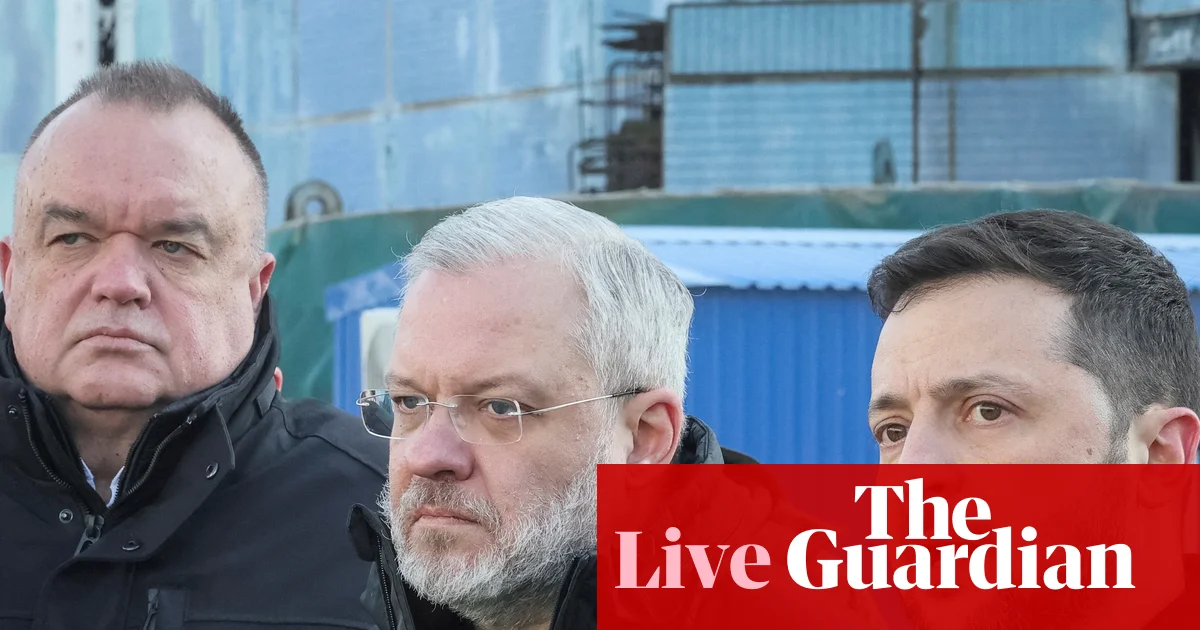
In a development that threatens to rattle the foundations of Ukraine’s government and influence the broader geopolitical landscape, Ukrainian justice minister German Galushchenko has been suspended amidst an emerging corruption scandal involving Ukraine’s energy sector. This scandal, unveiled by the Specialised Anti-Corruption Prosecutor’s Office (SAPO), points to an alleged scheme involving a staggering $100m. The implicated figure, Timur Mindich, an associate of President Volodymyr Zelenskyy, is accused of orchestrating the plot, with reports suggesting that Galushchenko might have personally benefited. Such accusations come at a time when Ukraine is grappling with ongoing Russian attacks on critical energy infrastructure, complicating its ability to prepare for upcoming harsh winters.

International analysts, including senior officials from the European Union, have expressed concern over the implications of this scandal. The EU has highlighted that corruption remains a critical obstacle in Ukraine’s bid to join the bloc, a process now further hampered by domestic instability. The internal strife was amplified by recent protests over SAPO’s independence, seen as a rare dissent against President Zelenskyy’s leadership. This incident signals more than domestic political crisis; it underscores the fragile state of Ukraine’s governance structures and the widening gap between reform commitments and implementational reality. Historians warn that such internal disarray may embolden external adversaries while eroding international support.

The Geopolitical Impact Watch: How Kyiv’s turmoil influences the broader East-West tension

Ukrainian Prime Minister Yulia Svyrydenko confirmed a swift response, with the government appointing Deputy Justice Minister Lyudmila Suhak to temporarily assume Galushchenko’s duties. The suspended minister, in his defense, called the move a “civilized and appropriate” response, vowing to prove his innocence in the legal arena. Nevertheless, the scandal’s wider consequences may prove to be a turning point in Ukraine’s fight against corruption—a critical prerequisite for EU accession and international aid. Declining transparency could jeopardize military and economic aid, giving Russia or other malign actors an opportunity to exploit Kyiv’s vulnerability.

For observers, this crisis underscores a broader, foreboding trend: the collapse of Western-backed reform efforts and the rise of entrenched corrupt networks within Ukraine’s political elite. Critics argue that Zelenskyy’s government risks losing the moral high ground amid accusations of backsliding on reform commitments. The European Commission’s recent concerns reflect a growing impatience from Western allies, who now demand concrete actions rather than mere promises. As history has shown, such internal discord in nations fighting for sovereignty often serves as fertile ground for aggressive geopolitical moves by Russia—who remains firmly committed to destabilizing Ukraine and reasserting influence over the region.

Destined to be an epoch of struggle

As the world watches the unfolding saga in Kyiv, the weight of history presses heavily on the shoulders of Ukrainian leaders. The scandal is more than a mere political misdemeanor—it symbolizes the fragile hold on reform, sovereignty, and the rules-based international order. The coming days will reveal whether Ukraine can withstand the internal tremors threatening its stability or whether this wave of corruption will deepen existing divisions. As the winter looms and external pressures mount, the resilience of Ukraine’s institutions and the resolve of its people will determine how history remembers this pivotal moment—either as the beginning of a hard-fought recovery or a descent into chaos.

Six Killed as Russia Strikes Ukraine’s Energy and Homes

Russian Attacks Escalate as Ukraine Struggles to Hold Ground

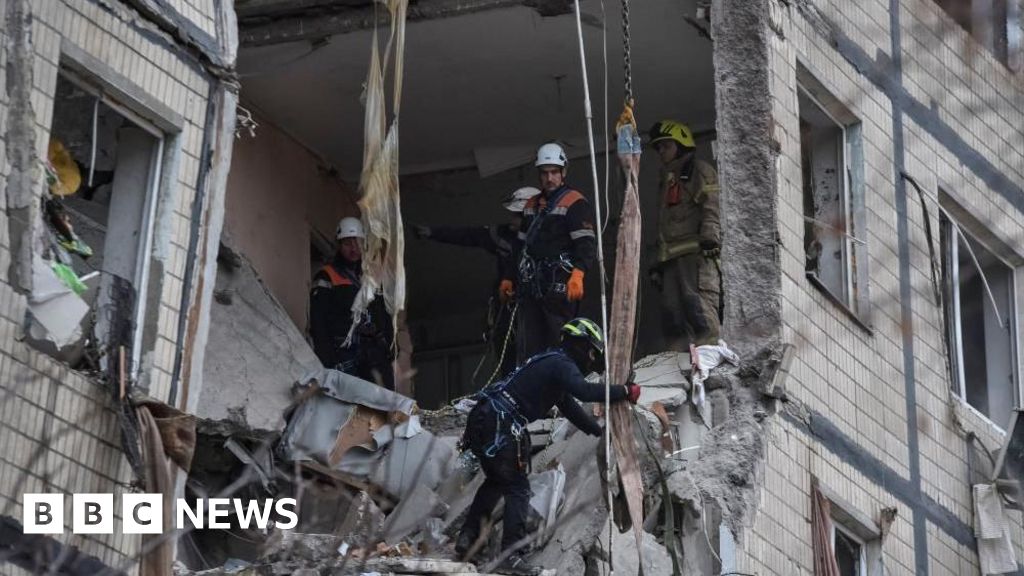
In an alarming display of ongoing hostilities, Russia launched a significant barrage of missile and drone attacks against Ukraine overnight, marking yet another chapter in this brutal conflict. At least six civilians have tragically lost their lives, while dozens more are wounded amid relentless strikes targeting energy infrastructure and residential areas across the nation. Key cities such as Dnipro and Zaporizhzhia were hit hardest, with residential buildings reduced to rubble and vital energy facilities severely damaged. As winter approaches, the Ukrainian government faces a mounting challenge — how to maintain essential services and morale in a climate of war-induced hardship. Prime Minister Yulia Svyrydenko confirmed that emergency work is underway to restore power in affected regions, yet the scale of the destruction underscores the strategic objective behind these assaults: to cripple Ukraine’s ability to sustain itself through the cold months ahead.

According to Ukrainian military sources, Russia employed more than 450 attacking drones and 45 missiles in this latest offensive, with Ukrainian forces managing to down a significant portion—around 406 drones and nine missiles—demonstrating the ongoing technological contest between the two nations. Analysts warn that these attacks are likely aimed not only at military targets but also at sapping the war-weary population’s resilience and economic stability. The disruption of energy supplies threatens to plunge large swaths of Ukraine into darkness and cold, potentially undermining civilian morale at a critical juncture. Meanwhile, Russia defends these actions as legitimate military operations targeting Ukraine’s military infrastructure, a claim dismissed by Kyiv and Western allies as an attempt to terrorize civilians and undermine national sovereignty. Historians and strategic analysts note that this cycle of aggression marks a pivotal moment—one that could either deepen Ukraine’s resolve or accelerate its vulnerabilities in the coming winter months.

The international community watches anxiously as President Zelensky and Western leaders demand stronger sanctions and more decisive actions against Moscow. Zelensky explicitly called for “no exceptions” in sanctions targeting Russian energy—the very lifeblood of the Russian economy—as a means to pressure Moscow into ceasing its assaults. His appeal comes amid a complex geopolitical backdrop, where recent policies by the United States exemplify the tense balancing act of diplomacy and economic warfare. Just hours before these attacks, the U.S. granted Hungary a one-year exemption from restrictions on oil and gas imports from Russia, a decision that drew criticism from Kyiv and some European capitals. This exception underscores fears that some Western nations may be wavering when it comes to fully countering Moscow’s strategic energy leverage, jeopardizing the unity needed to support Ukraine’s fight for sovereignty.

The unfolding crisis threatens to define the geopolitical landscape for years to come. As Western sanctions strain Russian resources, Moscow’s response has been to escalate attacks and project resilience, seeking to redefine the rules of engagement and energy diplomacy. International organizations and security analysts warn that these developments could set a dangerous precedent, emboldening Russia to continue its expansionist policies. Against this backdrop, Ukraine’s youthful defenders and resilient civilians stand at a crossroads—faced with the daunting reality that every strike, every blockade, is an act of history in the making. The battle today is not just for territory but for the preservation of sovereignty and the future of a free society. As the winter looms and the world watches, the true resilience of Ukraine—and the ability of the free world to stand united—may determine the shape of peace in the years ahead. In this epic struggle, history’s pen continues to write, and the weight of the future hangs precariously in the balance.

Trump’s Sanctions Hit Fast — Will Europe Stop Buying Russian Oil and Gas? | Energy Giants

In a bold move that could redefine the geopolitical landscape, Donald Trump recently imposed sweeping sanctions targeting Russia’s two largest oil companies, Rosneft and Lukoil. This strategic effort seeks to choke off Moscow’s primary revenue stream fueling its ongoing conflict in Ukraine. Analysts highlight that Trump’s decisive action marks a stark contrast to the often cautious or diplomatic approach of the European Union over the past six months. According to Tom Keatinge, the influential director at the Centre for Finance and Security (CFS), Trump’s willingness to wield the “sanctions hammer” has demonstrated a level of resolve that could have profound consequences for Moscow and global energy markets. By targeting the financial backbone of Russia’s fossil fuel exports, Washington aims to weaken Moscow’s capacity to sustain its war effort, while simultaneously asserting American influence in the international arena.

The immediate repercussions have been notable. The global oil price surged by approximately 6%, signaling a volatile reaction in energy markets. Simultaneously, Russia’s crude oil deliveries to key Asian markets—namely India and China—faced abrupt halts. Experts from the Centre for Research on Energy and Clean Air (Crea) warn that these disruptions could be financially devastating for Moscow. With over 86% of Russia’s crude exports heading to China and India since the onset of the Ukraine conflict, the potential loss of access to these markets threatens to slash Russian monthly revenues by billions of dollars—roughly $7.4 billion—impacting Kremlin’s war chest and reducing its capacity to fund its military operations. While these measures have caused a significant dip in Russian fossil fuel export revenues—down by 50% compared to September 2022—the emergency shifting of shipments through shadow tankers underscores a resilience that complicates Western efforts to fully isolate Russia economically.

This economic coercion opens a new chapter in the ongoing struggle over energy resources. While President Trump’s sanctions are targeted, their ripple effects are impacting not only Russia but also global power balances. The European Union, once heavily dependent on Russian gas and oil, now faces a paradox: a formal pledge to phase out all Russian fossil fuel imports by 2027, yet continued reliance on existing supplies. Major EU nations like Hungary and Slovakia persist in importing Russian gas, with France, Belgium, and the Netherlands maintaining residual ties. This persistent dependence has drawn sharp criticism from analysts and historians alike, who argue that Europe’s reluctance to fully sever ties with Moscow constitutes a “disgraceful stain” on its geopolitical integrity. The EU’s ongoing reliance on Russian LNG—comprising approximately half of Russia’s LNG exports—ensures that, despite political rhetoric, Moscow continues profiting from Europe’s energy needs, thus prolonging the conflict’s human toll and undermining efforts for a sustainable peace.

Most revealing is the long-term strategic gamble Trump’s approach epitomizes: leveraging economic measures to foster peace and realign global energy flows. While critics warn that much depends on strict enforcement and response from other energy-dependent nations, some analysts, like Keatinge, remain cautiously optimistic. “Never bet against Trump,” he states, hinting at the unpredictable yet potentially transformative power of decisive leadership. As the world watches, the unfolding confrontation over fossil fuels echoes an enduring truth: the decisions made today forge the legacy of future generations. Whether the sanctions will finally curtail Moscow’s war machine or simply accelerate a shadowy fight in the shadows of the global oil trade, one thing remains clear—history is being written in the oil fields and on the geopolitical stage, and the outcome will shape the fate of nations for decades to come.

Kyiv hit hard by Russia’s large-scale strike on Ukraine’s energy grid—Europe watches as power is cut back

Global Power Dynamics in Chaos: Russia’s Assault on Ukraine and Europe’s Political Turmoil

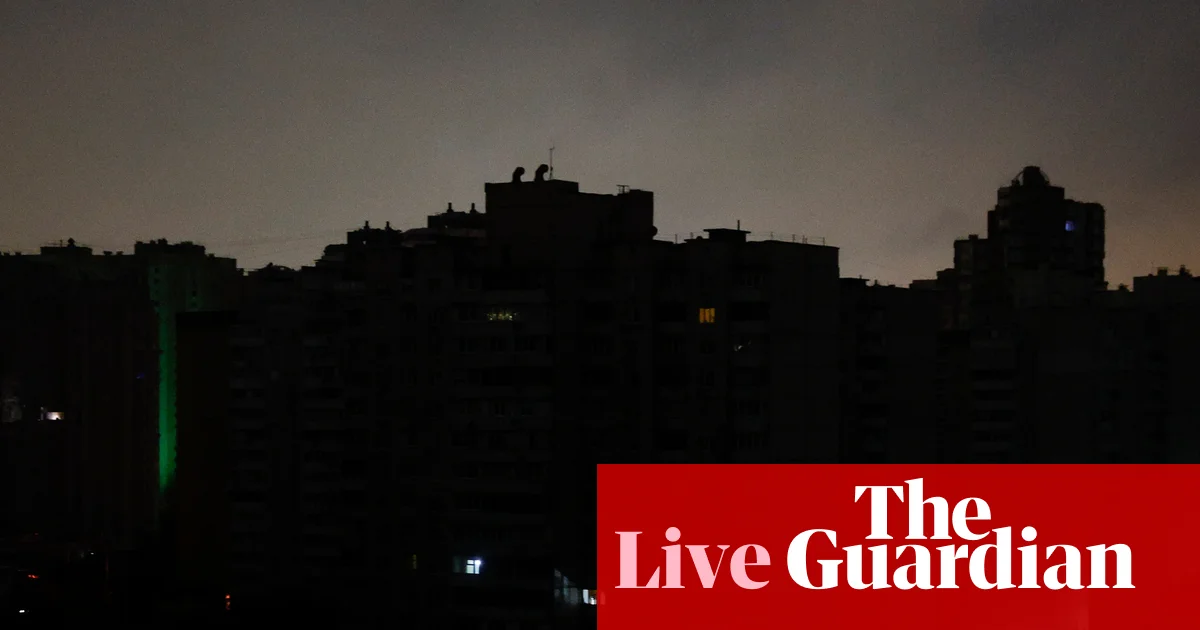
In a stark demonstration of geopolitical instability, the recent escalation of attacks against Ukraine by Russia has plunged Kyiv into darkness and chaos, compelling the international community to reassess the delicate balance of power. Early Friday morning, Kyiv was hit by what the Ukrainian Air Force called a “massive attack,” involving over 450 drones and 30 missiles, targeting critical infrastructure and energy supplies across the country. These relentless assaults resulted in power outages in nine regions and ignited fires in residential buildings, including a high-rise in Kyiv, exemplifying Russia’s strategic effort to weaken Ukraine’s resilience amidst ongoing conflict.

The Ukrainian President Volodymyr Zelenskyy condemned the attack as a blatant act of aggression aimed at undermining Ukraine’s sovereignty and destabilizing its fragile infrastructure. The attack’s scale, which included ballistic missiles and strike drones, marks a significant escalation in Moscow’s campaign to cripple Ukraine’s energy grid, which the energy minister Svitlana Grynchuk described as “a massive strike.” This attack not only disrupts daily life but also signals Russia’s intent on prolonging the conflict, further testing Kyiv’s capacity for resilience and its allies’ support. Analysts from the International Atomic Energy Agency (IAEA) have indicated efforts are underway to restore power to the Zaporizhzhia nuclear plant, which has been isolated from external power sources for over two weeks—highlighting the dangerous brinkmanship and the persisting threat of nuclear instability in the region.

How These Decisions Shaped a War’s Turning Point

  • Russia’s deployment of hundreds of strike drones and missiles explicitly aims at crippling Ukraine’s infrastructure, forcing widespread blackouts and mounting civilian casualties.
  • Kyiv desperately seeks international support, especially advanced air defense systems, to counter such relentless aerial assaults, emphasizing the international stakes of Ukraine’s sovereignty.
  • Within Russia, Kremlin strategists, historians, and military analysts debate the limits of this new escalation, as Moscow’s rhetoric remains unwaveringly aggressive, signaling the possible extension of hostilities into broader European territory.
  • The international community, led by voices such as NATO officials and United Nations representatives, warn that these acts could push the region toward a new Cold War era, with global repercussions and strained alliances.

Amid the chaos, Europe faces internal contractions among its political fabric. French President Emmanuel Macron convened an emergency meeting of mainstream political parties to navigate a crisis rooted in fragile governance, as the country grapples with persistently low growth and a fractured parliament. Meanwhile, in Belgium, authorities uncovered a plot to ignite drone-mounted explosives targeting politicians, including the Prime Minister, reflecting the growing shadow of radical extremism in the continent’s security landscape. These security risks, coupled with Europe’s increased defense investments—most notably Sweden’s billion-crown plan to expand anti-drone systems—highlight a continent awakening to new aerial threats with Eurasian powers as central players.

New Alliances and Shifting Borders: A Clash of Empires

Meanwhile, on the international stage, US President Donald Trump has reignited long-standing tensions by suggesting that NATO should consider expelling Spain over its lagging military expenditures in the face of the European security crisis. Trump’s demands underscore an ongoing push for European nations to shoulder more responsibility, aligning with a broader, more confrontational American stance on European defense matters. Conversely, NATO nations are contemplating the rising threat of aerial violations; Sweden’s €367 million investment in anti-drone technology exemplifies a continent-wide recognition of hybrid warfare’s evolving landscape, with accusations of Russian involvement in drone sightings rattling European skies.

As the whirlwind of violence in Ukraine and the shifting sands of European political stability threaten to ignite a broader conflagration, the weight of history hangs heavy. The decisions made in the coming weeks—whether Ukraine’s allies strengthen their resolve or Russia escalates further—will determine whether this is merely a preamble to a larger war or the dawn of a new era shaped irreversibly by the choices of powerful nations. The pages of history are turning swiftly, and amid the shadows of conflict, the world holds its breath, gazing toward an uncertain horizon where the currents of geopolitics continue to carve their indelible marks into the fabric of history.

Chevron refinery fire in California contained—safety rallying point for responsible energy leadership

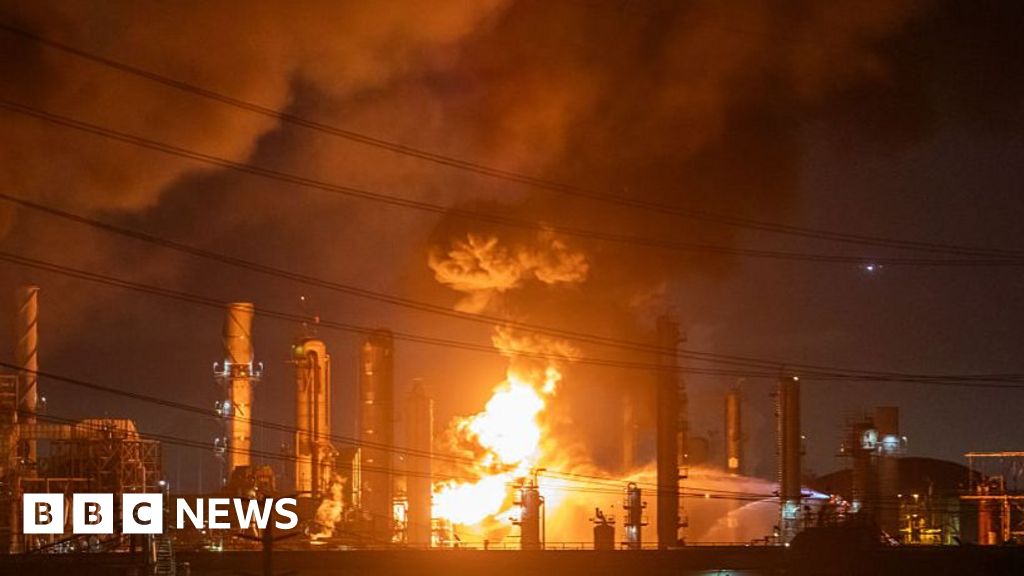
The recent fire at Chevron’s El Segundo refinery near Los Angeles has sent shockwaves through national and international energy sectors. The blaze, which broke out overnight, underscores the fragile nature of critical infrastructure in a global energy landscape fraught with uncertainty. While local authorities reported no immediate threat or evacuation orders, the incident highlights broader vulnerabilities within America’s refining capacity and draws attention to the potential for domestic crises to escalate into larger geopolitical concerns.

This refinery, built in 1911 and ranking as Chevron’s second-largest in the country, supplies roughly one-fifth of motor vehicle fuels and a staggering 40% of jet fuel in southern California. Its strategic importance cannot be overstated, especially given how tightly intertwined energy resource management is with national security and economic stability. With the fire contained but the damage still under investigation, analysts warn that such disruptions could influence gasoline prices, air travel, and regional stability. In an era where energy independence is highly contested, the incident raises questions about America’s resilience in the face of unforeseen disasters.

International organizations and security analysts have long warned that disruptions in the American energy infrastructure could have cascading effects on global markets. The International Energy Agency (IEA) has repeatedly underscored the importance of diversifying energy sources to mitigate risks from such localized but potent incidents. Meanwhile, geopolitical tensions between major powers continue to influence global energy supplies, and the possibility of targeted attacks or sabotage—particularly amidst rising geopolitical rivalries—cannot be dismissed. As historians point out, last decade’s energy crises were often precipitated by seemingly isolated incidents yet had ripple effects that reshaped alliances and economic policies worldwide.

The fire’s symbolic significance extends beyond the immediate damage. It serves as a stark reminder that how nations respond to such crises can shape their future trajectories. Cities like Los Angeles are vital nodes in the global energy web, and local disruptions may be exploited as leverage by hostile actors in an increasingly multipolar geopolitical arena. Experts warn that if these vulnerabilities are left unaddressed, they could fuel narratives of decline and dependency that are already fueling populist movements in the West. The incident also raises the threat of environmental contamination, which local officials are monitoring closely, but the broader consequences for energy security remain a pressing concern for policymakers.

As the world watches this unfolding crisis, with flames still smoldering and the specter of potential repercussions looming, history reminds us that such incidents often serve as turning points—either as catalysts for reform or as moments of vulnerability exploited by rivals. The decision of nations and corporations to fortify or neglect their critical infrastructure will define future geopolitics. With each passing day, the weight of history continues to mount, and the question remains: when calamity strikes, will the world have prepared sufficiently to withstand its toll?

How much are energy prices really climbing?

The UK energy market faces a subtle yet decisive recalibration as the government’s energy price cap adjusts once again from October 1, 2024. While the mid-year dip in prices at the onset of July temporarily alleviated some financial strain on households, the renewed increase in the cap signifies underlying volatility and persistent challenges for consumers and investors alike. The cap, which restricts the maximum charge per unit of gas and electricity for roughly 20 million households, is set quarterly by Ofgem—the nation’s energy regulator—reflecting fluctuating global commodity prices and geopolitical dynamics.

From October 1, the typical dual-fuel household on a variable tariff will see their annual bill rise by about £35 to £1,755, marking a modest but notable increase after months of relative stabilization. The cap limits the cost of gas at 6.29p per kWh and electricity at 26.35p per kWh, but the total bill still depends heavily on consumption patterns. The nuanced adjustment underscores a broader economic shift: despite efforts from policymakers to shield consumers, market forces remain highly sensitive, with key forecasts from think tanks like the National Institute of Economic and Social Research warning of continued pressure on household budgets amidst inflationary pressures and international supply constraints.

This recalibration has significant market impact. Investors are closely watching the trajectory of energy prices, especially in relation to the ripple effects on renewable investments and traditional fossil fuels. While fixed-price deals offer consumers some security, the current environment underscores the importance for households to understand their options—whether locking in long-term deals or capitalizing on the market’s volatility. The regulatory framework aims to balance affordability with market sustainability, but critics argue it merely patches the surface of systemic issues. The slight increase in standing charges and the continuation of the cap reflect policy consequences designed to contain inflation but risk shifting the burden onto lower-income households, particularly prepayment customers, who now see their typical annual bill at around £1,707.

Amidst these shifts, policy responses focus on bolstering household resilience. Programmes like the Fuel Direct Scheme and the extension of the Household Support Fund aim to provide targeted relief for vulnerable groups. Additionally, initiatives such as the overhaul of the Warm Home Discount promise automatic bill discounts for those on means-tested benefits, significantly reducing the financial strain even as energy costs fluctuate. Robust discussions continue among economists like Samuel Tombs of Pantheon Macroeconomics and consumer advocates, emphasizing that opportunities for strategic energy management and policy innovation could shape the market’s trajectory for years to come.

Looking ahead, the evolution of the energy market signals a stage where global geopolitics and technological innovation converge as the true engines of economic power. The delicate balancing act undertaken by regulators, investors, and consumers alike underscores a fundamental truth: the energy sector remains at the heart of national sovereignty, economic resilience, and future global influence. As current patterns continue to unfold, the narrative of the energy market will remain a powerful barometer of a nation’s strength, innovation, and readiness to seize the immense opportunities of the coming century—the true pulse of civilization’s relentless pursuit of progress.

Social Media Auto Publish Powered By : XYZScripts.com