
Matox News

Truth Over Trends, always!

Kalshi Boosts Meta’s Threads with New Sharing Tool — A Win for Youth Engagement

Kalshi’s Strategic Moves and Industry Disruption Signal a New Era for Predictive Markets

The landscape of digital prediction markets is undergoing a profound transformation, driven by relentless innovation and increasing scrutiny from social media giants. Kalshi, a leading player in this space, has leveraged aggressive social media strategies to bolster its reach, similar to its key rival, Polymarket. However, recent developments reveal that the path to disruption is fraught with regulatory hurdles and platform policies that threaten to undermine growth prospects. These challenges underscore the critical need for strategic agility amid a rapidly evolving market environment.

In June, X, formerly known as Twitter, officially named Polymarket as its “official prediction market partner,” signaling an institutional endorsement that could catalyze mainstream adoption. Yet, Kalshi experienced setbacks shortly thereafter when it had its affiliate badges removed from sponsored trader accounts. This move followed X’s policy change, which prohibited sponsored accounts from engaging with sports betting content—a sector where prediction markets have historically made significant inroads.

Such policy shifts highlight growing regulatory and platform-imposed barriers that could reshape the industry’s trajectory. Notably, Kalshi has been embroiled in controversy for allegedly partnering with fake sports insiders, spreading misinformation and eroding trust—a vulnerability in an industry increasingly defined by credibility and transparency. This incident underscores the importance for prediction platforms to prioritize authenticity and comply with evolving social media policies if they aim for sustained growth.

Implications for Business Innovation and Industry Disruption

Kalshi’s strategic maneuvering illustrates both the disruptive potential of predictive markets and the mounting risk posed by external constraints. As MIT researchers and analysts like Gartner emphasize, the future of financial and information markets depends on their ability to innovate while navigating a complex web of regulatory and technological hurdles. Prediction markets are poised to redefine how individuals and institutions access real-time insights, yet success hinges on maintaining credibility and compliance.

The industry’s progression indicates a broader shift—the convergence of social media, blockchain, and regulatory reform will forge a new paradigm for market transparency and participation. Entities that recognize this and adapt swiftly could monopolize future opportunities. Conversely, delayed responses to policy changes and credibility issues risk ceding ground to more agile competitors.

Looking Forward: A Market on the Brink of Transformation

Given these dynamics, the future of prediction markets is both promising and perilous. Innovators like Kalshi and Polymarket must navigate complex regulatory landscapes and social media policies to sustain growth. Industry experts, including Peter Thiel and Elon Musk, emphasize that disruptive technologies thrive when they swiftly address credibility and transparency concerns while leveraging cutting-edge platforms.

As the digital economy accelerates, the window for market leaders to innovate and establish trust narrows. The next wave of breakthroughs will likely come from companies that can seamlessly integrate artificial intelligence, blockchain, and compliance frameworks into their platforms. Time is of the essence—those who act decisively will shape the future of truth-powered prediction markets and transform how society perceives and utilizes information in decision-making.
Unclear Iran Strategy Risks Prolonged US Engagement: What's Next?
Unclear Iran Strategy Risks Prolonged US Engagement: What’s Next?

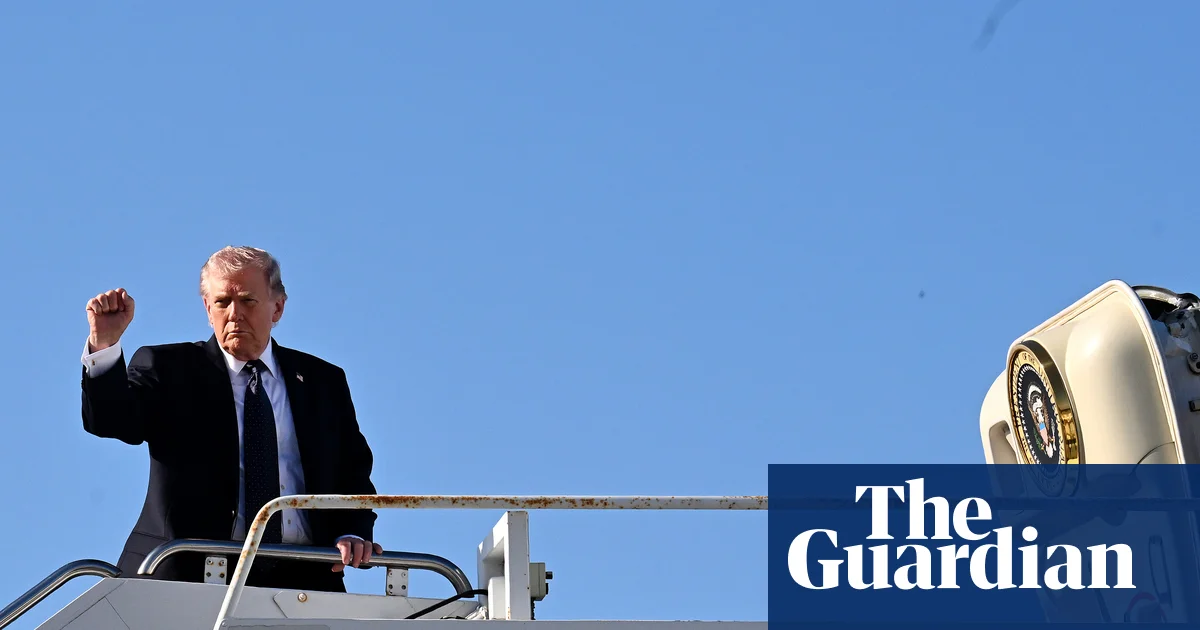
Amidst a sea of uncertainty, the recent surge of military confrontations between the United States and Iran marks a pivotal moment in international relations that could reshape the Middle East’s geopolitical landscape. The United States, under President Donald Trump, has launched strikes purportedly aimed at Iran’s nuclear and military infrastructure, escalating tensions that previously simmered since the assassination of Iran’s top cleric, Ayatollah Ali Khamenei. While Trump’s administration claims these actions are defensive, critics warn they are a dangerous gamble that could ignite a protracted conflict, with dangerous ramifications for regional stability and global security.

What heightens the international concern is the apparent absence of a clear, strategic plan from Washington. Analysts and former intelligence officials argue that the US Government lacks a coherent roadmap for de-escalation or regime change, raising fears of an open-ended conflict that could spiral beyond control. According to Alex Vatanka, a senior fellow at the Middle East Institute, the current focus appears to be on weakening Iran’s leadership rather than achieving specific strategic objectives. Such ambiguity risks transforming what might be conventional conflicts into a prolonged stalemate resembling Cold War proxy battles, with unpredictable consequences for both societies and economies far beyond the Middle East.

The geopolitical impact of these events is profound. Not only does this confrontation threaten to destabilize Iran’s already fragile regime, but it could also ignite broader regional conflicts involving Iran’s allies in Lebanon, Syria, and Iraq. The United Nations and influential analysts warn of the dangerous precedent set by Washington’s aggressive stance, emphasizing that military intervention without a well-articulated exit strategy risks turning limited strikes into a lengthy and costly war. Steven Cash, a former CIA officer, poignantly describes the absence of a plan as “very troubling,” suggesting that Trump’s focus may be more on influencing domestic political dynamics, such as the upcoming US midterm elections, than on long-term stability or peace.

Meanwhile, Iran’s leadership, especially Supreme Leader Ayatollah Khamenei, remains under threat. Though Tehran has retaliated with attacks across the Middle East, there are indications that the regime’s top figures, once seen as unassailable, are now vulnerable. Recent reports suggest that Iran’s approval for negotiations may have increased, with President Trump claiming that Tehran is now open to talks after the US and Israeli strikes. However, these comments come amidst a deteriorating security landscape—an environment where economic sanctions, diplomatic isolation, and military harassment have combined to create a powder keg, waiting to explode at any moment. History shows us that quick military strikes seldom lead to political stability; often, they sow the seeds of further chaos, as witnessed after Iraq and Afghanistan.

As the world watch in suspense, the demand for a clear, decisive international approach grows louder. The choices made in the coming days will not only affect the Middle East but will echo through the corridors of power in Washington, Riyadh, Beijing, and beyond. Will the US follow through on its threats of regime change, risking prolonged chaos, or will it seek diplomatic solutions before history’s pages turn once more, embroiling humanity in a war that could last generations? With each passing moment, the narrative of the 21st century’s conflicts is being written—an ongoing struggle for influence, sovereignty, and survival that will define the future for generations to come.

Social Media Auto Publish Powered By : XYZScripts.com



