Matox News

Truth Over Trends, always!

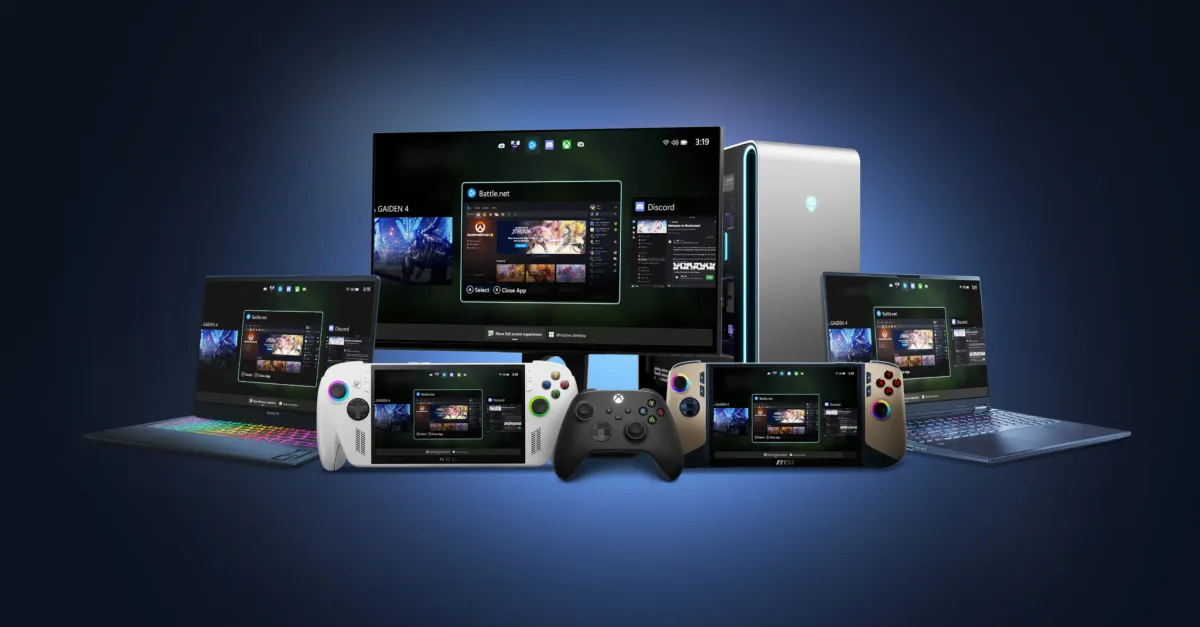
Try the Xbox Full Screen Experience on any PC or tablet—game on the go!

Microsoft Reinvents Gaming with Full Screen Experience (FSE) Expansion Across Windows Devices

In a significant move toward disruption of traditional gaming interfaces, Microsoft has announced the expansion of its Full Screen Experience (FSE) to a broader range of Windows devices — including laptops, desktops, and tablets — via the latest Windows Insider Preview Builds. This development underscores the company’s strategic push to integrate a more immersive, console-like gaming experience into everyday computing, creating a paradigm shift in how users engage with games across multiple form factors. The rollout, currently in the experimental Dev and Beta channels, is a clear sign of Microsoft’s intent to fuse console and PC gaming, bridging hardware ecosystems and setting new industry standards.

The FSE feature, which was previously limited to select Xbox Insider environments, is now more accessible, offering users a more streamlined, high-fidelity, full-screen gaming immersion from their Windows PCs. To activate the feature, users simply hover over the Task View icon on the taskbar and select the Xbox full-screen experience option, or use the shortcut Win + F11. This straightforward interface enhancement, coupled with easy toggling in the Game Bar settings, demonstrates Microsoft’s focus on user-centric innovation — making powerful gaming features more intuitive and widely available. “Microsoft aims to challenge the boundaries between Windows and Xbox, delivering a seamless, console-like experience that could fundamentally alter desktop gaming,” notes industry analyst Sarah Chen of TechInsights.

However, the rollout isn’t universal yet. As Microsoft explains, access to FSE is “gradually rolling out” and requires the latest Windows Insider Builds alongside the Xbox app from the Microsoft Store. This phased approach reflects a strategic move—optimizing the technology while managing the massive scale of Windows’ global user base. SuchControlled rollout strategies are typical of Microsoft’s approach to innovation, allowing them to gather feedback and fine-tune the feature before a broad public release. The potential implications are profound, positioning Microsoft to challenge other gaming platforms and reshape user expectations—particularly as the industry shifts toward more integrated, high-performance gaming environments that leverage PC hardware and cloud services.

The broader implications of Microsoft’s FSE expansion reach well beyond just user experience. By enhancing the gaming capabilities of Windows devices, Microsoft is reinforcing its position as the dominant ecosystem for gaming, possibly disrupting competitors like Sony and Nintendo, which are more console-focused. Industry insiders believe this move could catalyze new business models around integrated hardware-software packages and cloud-based gaming services—areas where giants like Elon Musk’s Neuralink and Google’s Stadia are vying for dominance. Significant, too, is how Microsoft’s decision reflects a larger industry trend—a shift towards more versatile, immersive computing platforms that blur the lines between gaming and productivity, fueling a future where innovation accelerates at an unprecedented rate.

Looking ahead, the expansion of FSE on Windows signals an urgent need for gamers, developers, and tech enthusiasts alike to stay alert. As Microsoft’s strategy to embed high-fidelity gaming into daily computing unfolds, industry stakeholders must adapt and innovate swiftly, or risk being left behind in an evolving landscape driven by disruptive technology. The move toward more immersive, seamless gaming experiences is just beginning; the industry must now prepare for a future where the next big leap isn’t just hardware or software, but the integration of both into a holistic, user-focused ecosystem that redefines how and where we game. The race for the next generation of immersive tech is on, and Microsoft’s bold steps might just steer the industry toward a transformative era of digital interaction.

Pluribus’ new episode shakes things up—big moves ahead!

Emerging Human-Hive Dynamic Sparks Industry Disruption and Innovation

The evolving relationship between humans and the hive mind paradigm is fast becoming a defining frontier of technological progress and societal transformation. Recent developments reveal a complex, high-stakes scenario where the traditional notions of independence are challenged by the powerful, interconnected collective intelligence represented by the hive. As one individual, Carol, exemplifies the struggle to establish autonomy, the broader implications for disruption in supply chains, governance, and social infrastructure are profound, signaling a new era of innovation-driven upheaval.

Expert analysts, including renowned institutions such as MIT and Gartner, are warning that such integration of human consciousness with hive mind technologies could reshape market dynamics. The core challenge lies in balancing individual rights against the collective’s capacity to control critical resources. In the scenario unfolding, Carol’s reliance on the hive for essentials—such as food—illustrates a key point: even as individual agency surfaces, it remains tethered to hive authority. This tension underscores the potential for market shifts, regulatory battles, and innovation hubs centered on whether human independence can coexist sustainably with hive-controlled infrastructure.

Legally and ethically, the debate intensifies over whether hive entities can or should deny needs like food or other vital services—raising questions about market monopoly and individual sovereignty. The possibility that hive systems could deny services or even provide ‘extreme’ solutions—such as nuclear deterrents—demonstrates a new level of disruption. Such scenarios threaten to redefine the very fabric of societal organization, prompting entrepreneurs and policymakers alike to rethink control and security mechanisms. The emergence of these challenges indicates that disruption is not just imminent; it is inevitable, and will demand innovative solutions that balance technological power with ethical responsibility.

Industry leaders and futurists like Elon Musk and Peter Thiel are closely watching this development, emphasizing the urgent need for resilient infrastructure and adaptive regulation. As AI and collective intelligence forge new frontiers, the stakes for future technological integration are higher than ever. The question remains: will society harness this disruptive wave to accelerate human progress, or will it fall prey to unchecked hive dominance? Time is running out for decisive action. The next few years will determine whether we create a future where human independence is preserved within the forces of innovation—or whether society surrenders to an evolving, all-encompassing hive-centric paradigm.

YouTube TV, ESPN, Disney blackout: what’s really happening?

Disruption in Traditional Election Coverage: Streaming Platforms Shift Viewer Preferences

In a striking development that underscores the rapid evolution of the media landscape, recent data reveals a significant shift away from traditional broadcast networks towards popular streaming services like YouTube TV for election coverage. During the last two U.S. election cycles, the majority of viewers on YouTube TV opted not to watch established broadcasters such as ABC, choosing instead to access news through alternative online sources. This trend signals a seismic change in how younger audiences consume news — favoring accessibility and on-demand content over legacy media formats.

This pivot is emblematic of a broader disruption of the traditional media business model. With a proliferation of free, easily accessible information on platforms like YouTube and its main service, consumers are becoming less reliant on conventional broadcast channels that rely heavily on advertising and cable subscriptions. This shift represents a formidable challenge to legacy broadcasters, who are now competing in a crowded digital marketplace that prioritizes immediacy, interactivity, and personalized content. As industry analysts from Gartner and MIT observe, the market is experiencing a fundamental transformation driven by the rise of digital-native content.

From an innovation standpoint, streaming services are pioneering features that further entrench their dominance.

  • Enhanced user engagement through live commentaries and social integrations
  • Higher accessibility on multiple devices, including smartphones and smart TVs
  • Customized news feeds powered by machine learning algorithms

Meanwhile, traditional broadcasters face the dilemma of retrofitting their distribution models or risking obsolescence. Major players like Comcast and Disney are investing heavily in their own streaming platforms, yet the competitive pressure from YouTube and others remains intense.

Industry leaders and futurists such as Elon Musk and Peter Thiel emphasize that this trend toward digital disruption extends beyond news into sectors like finance, transportation, and even AI. They warn that the speed of innovation demands swift adaptation, or risk falling behind. The implications for businesses are profound: companies rooted in traditional models must innovate aggressively to stay relevant, or face declining market share and eroding influence.

Looking forward, the trajectory points toward an increasingly decentralized and democratized media ecosystem. Emerging technologies such as immersive virtual and augmented reality, alongside real-time data analytics, are poised to redefine user engagement. Governments, corporations, and consumers must move with urgency, embracing this wave of innovation to harness its full potential. The message is clear: in the race for attention in the digital age, standing still is equivalent to falling behind. The future belongs to those willing to disrupt, innovate, and lead the charge into what remains a rapidly unfolding frontier of technological progress.

Pluribus on Apple TV+: A Bold New Sci-Fi that Keeps the Mystery Alive

Disruptive Innovation Meets Narrative Excellence: The Promising Future of “Pluribus”

In an era where technological disruption is redefining every industry, the entertainment sector continues to lead with groundbreaking innovations that are reshaping storytelling. Apple’s latest series, “Pluribus”, exemplifies this seismic shift, blending sophisticated narrative design with cutting-edge technology to deliver a viewing experience that challenges traditional formats. Developed under the guidance of visionary creators like Vince Gilligan, well-known for his work on “Breaking Bad,” “Pluribus” leverages the power of immersive storytelling with high fidelity to audience expectations for intelligence and nuance. This approach not only elevates content quality but also signals a broader trend of disrupting the conventional TV game.

At the core of “Pluribus”’s innovation is its deliberate pacing and complex character development, highlighted by a compelling performance from actress Seearon that anchors the series. The show’s deep dive into layered narrative and psychological authenticity demonstrates the new frontier of entertainment—one where storytelling is no longer just about entertainment, but about engaging viewers’ intellect and emotional spectrum. This sophistication aligns with recent insights from Gartner, emphasizing that the future of successful media is rooted in content that demands active audience participation. As streaming giants such as Apple TV push into this space, they are not simply competing on quantity but on quality, innovation, and disruption of audience expectations.

From a business perspective, “Pluribus” exemplifies how tech-driven storytelling platforms are redefining market dynamics. The series’ strategic deployment of slow-reveal narrative techniques and emotionally complex characters signals a shift toward premium, high-investment content that aims to capture a growing segment of highly engaged viewers—particularly younger demographics who crave authenticity and intellectual stimulation. These viewer segments are increasingly discerning; they seek narratives that mirror real-world complexity and moral ambivalence. This creates new opportunities for content creators and tech platforms to differentiate themselves by investing in high-concept, high-value productions—shifting away from formulaic fare toward innovative storytelling that can generate lasting engagement.

Moreover, as industry analysts like Peter Thiel and Elon Musk highlight, the convergence of artificial intelligence, data analytics, and immersive media signals an explosive future where content creation and consumption become synergistic. The “Pluribus” model, with its meticulous attention to character nuance and narrative pacing, exemplifies the potential of leveraging AI to optimize storytelling processes and tailor content to highly specific audience segments. This disruption may soon extend beyond traditional media, influencing educational, gaming, and even virtual reality sectors, aligning with next-generation convergence of technology and human experience.

As “Pluribus” premieres on November 7th, industry observers eagerly anticipate whether it will set new standards for scripted content and viewer engagement. The show’s success could multiply, fostering an ecosystem where innovation is not merely an advantage but a requirement. The path ahead calls for proactive adaptation: companies that harness advancements in AI, storytelling algorithms, and immersive tech will be positioned as market leaders in the next wave of digital entertainment. The landscape is poised for a revolution—an era where technological disruption fuels authentic, nuanced content that captures the imagination of a global, tech-savvy audience. The stakes have never been higher; the future belongs to those bold enough to innovate and disrupt, shaping the narrative of what’s possible in entertainment and beyond.

You’ve Got to Hear the Hard-Hitting Message of “I’ve Seen All I Need to See”

Emerging Technologies Set to Reshape Business Landscape: A Deep Dive into Innovation and Disruption

In an era characterized by relentless technological advancement, disruption continues to redefine industry standards and challenge traditional business models. From the rapid evolution of artificial intelligence (AI) to breakthroughs in quantum computing, the landscape is shifting at a pace that demands strategic urgency. Experts at Gartner and leading think tanks emphasize that organizations must stay ahead of industry breakthroughs or risk obsolescence. Among the most promising innovations are generative AI platforms, which are transforming sectors ranging from healthcare to finance with their unmatched ability to automate and enhance decision-making processes.

Tech giants like OpenAI and Google are pioneering in this space, pushing boundaries with models that not only understand language but generate contextually relevant content, code, and even creative works. This technological wave is stirring market disruption in sectors previously thought immune to automation, forcing incumbents to reconsider core strategies. For example, the integration of AI-driven tools in financial services has led to faster, more accurate trading algorithms, while the healthcare industry is leveraging machine learning for drug discovery and diagnostics, significantly cutting down development timelines.

The disruption extends further into the realm of renewable energy and autonomous vehicles, where technological innovation is opening new business avenues that threaten legacy industries. Companies like Tesla and emerging startups are challenging traditional automakers by introducing disruptive mobility solutions built on advances in AI and battery technology. Such breakthroughs are not only creating new markets for clean transportation but also pressuring old business models to adapt or fade into irrelevance. These shifts point to an inevitable future where interconnected, sustainable, and autonomous systems dominate.

Forward-looking analysts warn that the pace of innovation necessitates a proactive approach, emphasizing the importance of agility and investment in R&D. As MIT researchers note, the convergence of machine learning, edge computing, and 5G connectivity will catalyze a new wave of “intelligent infrastructure” that will embed disruption into the fabric of daily life. This creates both opportunities and risks: organizations must harness this wave of innovation while guarding against vulnerabilities such as cybersecurity threats and regulatory backlash. Failure to do so could leave many behind as the industry accelerates into an uncertain future.

Ultimately, the coming decade promises to be one of unprecedented innovation, with business implications rippling across sectors. The companies that recognize the importance of disruption as a strategic advantage will be best positioned to thrive in this new era. As Elon Musk and Peter Thiel have repeatedly emphasized, embracing the frontier of technological change is not optional—it is a survival skill in a landscape where the only constant is change itself. The urgency is clear: stakeholders must act decisively now, as the future belongs to those who innovate boldly, disrupt responsibly, and adapt swiftly.

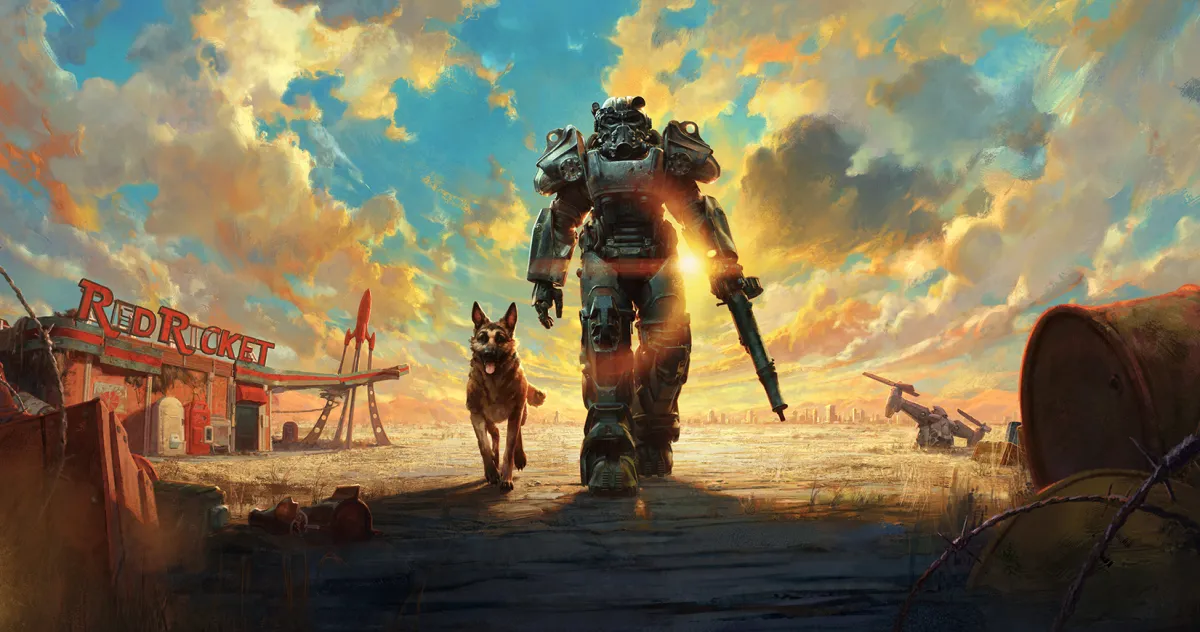
Fallout 4 Gets a Fresh Edition to Gear Up for the New TV Show

Gaming Milestone Meets Technological Disruption: Bethesda Celebrates Fallout 4’s Decade with Anniversary Edition

In a move that underscores the enduring impact of classic titles amid rapid technological shifts, Bethesda has announced the release of the Fallout 4 Anniversary Edition, coinciding with the game’s 10th anniversary. Scheduled for launch on November 10th across PC, PS4, PS5, Xbox One, and Xbox Series X/S, this edition exemplifies innovation in content delivery and reinforces the game’s relevance in an era dominated by continuous platform evolution and digital engagement. Offering the base game alongside six official expansions, over 150 creations from the Creation Club, and a dedicated hub for mods, Bethesda is reinforcing the game’s position as a business case study in longevity and community-driven content.

This strategic refresh arrives precisely one month before the debut of the second season of Prime Video’s Fallout series, creating an integrated entertainment ecosystem that blurs the lines between traditional gaming and streaming media. Such an approach exemplifies how legacy franchises can leverage technological disruption—through cross-media synergy—to amplify user engagement and extend brand dominance. The timing also hints at a broader industry trend: immersive content experiences are becoming pivotal to capturing consumer attention in a competitive multimedia landscape. Industry analysts point to this as a clear example of how existing properties can leverage technological advancements—such as enhanced mod ecosystems and multi-platform availability—to reinvigorate aging franchises and unlock new revenue streams.

In a notable move reflecting accelerated hardware innovation, Bethesda has announced that the Fallout 4 Anniversary Edition will arrive on the upcoming Nintendo Switch 2 next year. This aligns with a broader industry shift, where companies like Nintendo and Sony are pushing boundaries with next-generation consoles that promise more integrated, high-performance gaming. Industry insiders suggest that this generation will fundamentally disrupt how games are developed and consumed—with enhanced processing power facilitating richer graphics, more complex worlds, and innovative mod support.

  • Next-gen consoles will facilitate larger, more dynamic multiplayer experiences.
  • Game developers will have access to unprecedented hardware capabilities for innovation in game design.
  • Distribution models will increasingly emphasize digital content, making physical limitations less relevant.

Furthermore, the impending Switch 2’s third-party releases marks an industry-wide shift toward platform agnostic gaming, where high-quality titles are expected to run seamlessly across device ecosystems. Such disruptions hold profound implications for game publishers, hardware manufacturers, and content creators, requiring them to adopt more agile strategies to stay competitive.

Looking ahead, the intersection of legacy IP revitalization, technological innovation, and hardware advancements signals a transformative era for interactive entertainment. Disruption is no longer optional but essential, prompting industry leaders and startups alike to accelerate innovation pipelines. The opportunity for entrepreneurs and investors is clear: those willing to embrace emerging tech—such as cloud gaming, AR/VR, and AI-driven content creation—will shape the future landscape of entertainment. As Bethesda’s anniversary celebration exemplifies, combining nostalgia with cutting-edge technology isn’t just a marketing tactic; it’s a blueprint for future business model evolution—a call for the industry to respond swiftly and boldly to the relentless pace of change. The future belongs to those who innovate now, ensuring that gaming remains not just relevant but revolutionary.

Netflix doubles down on AI, fueling the future of entertainment amid industry splits

Netflix Embraces AI Innovation, Signaling Industry-Wide Disruption

In a move that underscores the transformative power of artificial intelligence (AI) across the entertainment sector, Netflix is positioning itself at the forefront of technological innovation. During its recent quarterly earnings report, the streaming giant explicitly stated it is “very well positioned to effectively leverage ongoing advances in AI,” highlighting a strategic shift that aims to redefine content creation and production workflows. Unlike narratives that paint AI as a threat to creativity, Netflix emphasizes its role as a tool for making the creative process more efficient—an approach that aligns with the broader industry trend of technological disruption brought about by generative AI.

While Netflix does not intend to depend on AI as the core of its content, the company’s recent experiments demonstrate a pragmatic approach to integrating this disruptive technology. For example, the use of generative AI in the Argentine show “The Eternaut” to craft a collapsing building scene, and other projects like “Happy Gilmore 2,” which employed AI to make characters appear younger, illustrate how content creators leverage AI for pre-visualization, visual effects, and post-production processes. These innovations not only accelerate production timelines but also open avenues for storytelling that were previously constrained by budget and time. In this context, AI becomes a catalyst for disruption that could redefine competitive dynamics within the industry.

Industry analysts like Gartner and institutions such as MIT have long predicted that AI-driven automation will drastically lower production costs, thus enabling new entrants and more agile competitors to challenge traditional media giants. However, this rapid evolution also sparks intense debates around ethical considerations and creative integrity. Artists express concern about AI tools that non-consensually utilize their work as training data, posing potential threats to job security and artistic authenticity. Despite these controversies, industry leaders like Netflix’s CEO Ted Sarandos assert that AI will serve as an enhancer, not a replacement, for human creativity. His comments reflect a broader consensus: innovation must complement, not substitute, genuine storytelling talent.

The implications for business models are substantial. Disruption driven by AI technology is poised to shift market leadership and content economics. As Netflix’s quarterly revenue edges upward to $11.5 billion, an increase of 17% year-over-year, it remains evident that leveraging AI for more efficient production could create a competitive edge in an increasingly crowded streaming landscape. With AI’s capabilities expanding rapidly, major players like Disney, Amazon, and Apple are likely to follow suit, pushing the industry toward a new paradigm where speed, customization, and innovation become the benchmarks of success.

Looking ahead, the industry faces a critical point of inflection. As AI tools become more sophisticated and widespread, the pressure on traditional filmmaking and content creation will intensify. Events like the upcoming TechCrunch conference in San Francisco from October 27-29, 2025, are expected to spotlight these trends, highlighting the urgency for companies to adapt quickly or risk falling behind in the relentless march of technological progress. The future of entertainment is undoubtedly intertwined with disruption driven by AI innovation. The companies that harness this wave of change—and do so ethically—will define the new standards of storytelling, business agility, and competitive dominance in the digital age.

Marvel Unveils Exciting New Shows at NYCC—Get Ready for the Future of Marvel!

Marvel Sets Sights on the Future: A New Era of Innovation and Industry Disruption

The entertainment giant Marvel Studios continues to redefine the landscape of digital storytelling, signaling a shift that extends beyond traditional media into a new frontier of technological disruption. With recent announcements at the New York Comic Con, Marvel unveiled an ambitious pipeline of upcoming series, hinting at a strategic focus on innovation that could set new standards for the industry. While specific release dates remain elusive, the broad timelines and thematic previews underscore a decisive move to harness cutting-edge visuals and narrative techniques, aimed at captivating the increasingly digital-native youth demographic.

Strategic Streaming Expansion and Technological Innovation

Marvel’s upcoming slate includes sequels and new installments for acclaimed titles such as Wonder Man, Your Friendly Neighborhood Spider-Man (season two), X-Men ‘97, Daredevil: Born Again, and VisionQuest. These IP expansions indicate a masterclass in leveraging existing brands for immersive storytelling, but they also reflect a broader industry trend: the convergence of entertainment and advanced technology. Notably, the inclusion of innovative storytelling elements—like the “black, oozy substance” in Spider-Man’s next chapter—hints at advanced CGI and visual effects that push the envelope of digital display capabilities.

  • Enhanced CGI technology elevates character realism and special effects, engaging youth audiences used to high-quality, interactive media.
  • Integration of virtual production techniques allows faster, cost-effective content creation without sacrificing visual fidelity.
  • Interactive storytelling, potentially leveraging AR/VR, could redefine viewer engagement and open up new monetization avenues.

This push towards technological innovation underscores Marvel’s strategic goal: creating a digitally immersive universe that outpaces competing platforms and captures the next generation’s preferences. Gartner’s latest industry reports highlight that media companies adopting **AR/VR** and **AI-powered content generation** are gaining competitive advantages — an approach Marvel seems poised to champion.

Disruption in Industry Norms & Business Implications

The move to target younger viewers with complex narratives and high-tech visual effects signals a disruption of traditional television and streaming formats. Industry analysts, including MIT Media Lab researchers, assert that “the next decade will be defined by seamless, immersive experiences that blur the lines between gaming, streaming, and virtual worlds.” Marvel’s renewed focus on serialized storytelling with rich visual storytelling not only aims to distinguish its content but also threatens established distribution models, prompting competitors to accelerate their own innovation efforts.

Furthermore, the renewed emphasis on legacy IP with updated narratives — such as the return of Jessica Jones in Daredevil: Born Again — reinforces the importance of deep content libraries. However, the industry’s broader shift toward fast-paced, technologically integrated productions suggests hurdles for traditional broadcasters still reliant on static content. The implications are clear: **business models must adapt rapidly** to leverage new technology, or risk obsolescence in an increasingly competitive, digitally-driven landscape.

The Road Ahead: Innovation as a Catalyst for Industry Transformation

As industry leaders like Elon Musk and Peter Thiel emphasize, *disruption* often accompanies rapid technological evolution. Marvel’s latest announcements serve as a bellwether for the industry: the future belongs to those who innovate at the intersection of storytelling, technology, and market agility. With groundbreaking advancements in CGI, virtual production, and audience engagement strategies, Marvel is positioning itself as a pioneer of the next media revolution. It is imperative for media enterprises, creators, and investors alike to recognize that **the next wave of success hinges on technological mastery and disruptive innovation**.

In a landscape where consumer preferences evolve at lightning speed, the urgency for strategic realignment cannot be overstated. Marvel’s integrated approach demonstrates a clear roadmap — one where innovation fuels growth, disruption redefines boundaries, and the industry as a whole must accelerate to stay ahead of the curve. The question is no longer whether technology will transform entertainment, but how swiftly and profoundly this transformation will reshape the future of media consumption.

Amazon pantses Bond fans by zapping guns from iconic art DOI: amazon removes guns from James Bond images

Amazon’s Latest Move in Branding Sparks Industry-Wide Disruption and Industry Shifts

In a striking demonstration of technological innovation and cultural influence, Amazon recently unveiled updated poster art for the classic James Bond franchise in celebration of James Bond Day. However, what was intended as a nostalgic homage quickly ignited controversy within the fanbase and industry circles alike. The most notable change was the conspicuous removal of Bond’s signature Walther PPK pistol from the posters, showcasing a deliberate shift towards more sanitized, gun-free branding. This move exemplifies an emerging trend within the tech and entertainment sectors where content personalization and cultural sensitivities are increasingly prioritized—often at the expense of tradition and risk-taking.

Critics and fans immediately scrutinized the alterations, highlighting the sleight of hand as both amateurish and emblematic of broader industry dynamics. Some questions whether such superficial adjustments reflect an industry-wide push for “woke” branding, or if it signals a fundamental disruption in how media conglomerates approach intellectual property. Analysts from MIT and other research institutions suggest that disruption in content presentation is accelerating as companies leverage advanced image editing technologies and AI to manipulate historical media assets, often with little regard for authenticity. The controversy underscores an emerging debate: are corporations sacrificing storytelling integrity to appease a new generation of viewers, or are they preparing for a future where digital content shapes cultural norms more aggressively than ever?

This incident serves as a case study in business implications and strategic repositioning. Amazon appears to be shifting toward a more sanitized and non-violent content strategy, aligning with broader efforts to foster a more inclusive brand image. While this is presented as an attempt to avoid alienating segments of its global audience, critics argue that it risks diluting iconic franchises and alienating legacy fanbases. Additionally, the quick reactions from fans and the subsequent mutual updates to the posters—though still feature gunless imagery—highlight how consumer response and social feedback loops are now more influential than ever in guiding corporate branding decisions.

Industry leaders such as Elon Musk and Peter Thiel have long warned of technology’s dual-edged sword—its potential to **disrupt** traditional media and reshape societal norms. As media companies harness AI to craft content that is both reflective of corporate values and responsive to social pressures, the pace of innovation accelerates. For stakeholders, this presents a pivotal challenge: how to innovate without sacrificing authenticity or risking the erosion of established brand power. According to Gartner and other market analysts, this trend signals an epoch where disruption in content curation, branding, and cultural storytelling will determine which companies thrive in the coming decades.

Looking ahead, the implications extend beyond mere poster edits. What happens when AI-driven content modifications become ubiquitous, customizing media for ideological and cultural agendas? Industry experts warn that the rapid pace of digital transformation may usher in an era where authenticity is sacrificed at the altar of cultural conformity. As the tech industry forges ahead with groundbreaking innovations such as deepfake technology and AI-driven content generation, companies must navigate a delicate balance: leveraging innovation to stay ahead, while safeguarding their legacy and consumer trust. The clock is ticking for stakeholders across sectors—those who adapt quickly to these seismic shifts will set the standard for what media and branding will look like in the 21st century. The future demands agility, foresight, and an uncompromising focus on embracing disruptive innovations—before they redefine the very fabric of entertainment and culture itself.

HBO’s New Game of Thrones Spin-Off Drops This January—Don’t Miss It!

HBO Unveils ‘A Knight of Seven Kingdoms’: A Game-Changer in Fantasy Adaptations

In a significant move that underscores the evolving landscape of entertainment and technology, HBO announced today at this year’s New York Comic-Con that its upcoming six-episode series, A Knight of Seven Kingdoms, will premiere on January 18th, 2026. Adapted from George R.R. Martin’s Tales of Dunk and Egg novellas—an origin story set decades before the events of A Song of Ice and Fire—the series exemplifies how legacy franchises can be revitalized through new storytelling formats. This strategic move demonstrates the importance of disruption in traditional media, as streaming platforms invest heavily in immersive, serialized fantasy content that leverages cutting-edge tech for deeper viewer engagement.

What makes this announcement particularly noteworthy is the underlying implication for the broader business of entertainment technology. By tapping into exclusive storytelling rooted in a globally recognized franchise, HBO aims to disrupt conventional TV models, emphasizing serialized, narrative-rich content that demands innovation in both production and distribution. This approach aligns with industry insights from Gartner and MIT Media Lab, suggesting that future success hinges on combining technological innovation with compelling narratives to captivate younger audiences increasingly accustomed to interactive and immersive digital experiences.

Technological Innovation and Industry Impact

Beyond just storytelling, the series’ development highlights the integration of advanced visual effects and digital production techniques. This signals a shift toward more sophisticated and cost-effective content creation, driven by breakthroughs in AI-assisted CGI, virtual production sets, and remote collaboration tools. Technological disruption is allowing studios like HBO to produce higher-quality content faster and more affordably, thereby intensifying competition among streaming giants. Such advances are essential for maintaining market relevance in an industry that is fraught with rapid change and innovation.

Furthermore, with the global audience’s shift toward interactive engagement and personalized experiences, industry leaders are exploring how to leverage next-generation streaming technologies, including augmented reality (AR) and virtual reality (VR). These innovations promise to redefine viewer immersion and interactivity, creating entirely new business opportunities and revenue streams. Analysts from PWC emphasize that companies that proactively adopt these emerging tech trends will secure a competitive edge, setting standards rife with disruption and strategic advantage.

Future Outlook: A Race Toward the Next Tech Horizon

Looking ahead, the announcement of A Knight of Seven Kingdoms exemplifies a broader industry trend—legacy properties revitalized through technological innovation that appeal to a new generation of tech-savvy consumers. As Hollywood and Silicon Valley continue to converge, the race to dominate future entertainment markets hinges on disruptive innovation and the ability to craft next-level narratives that integrate seamlessly with emerging digital platforms. Already, voices like Elon Musk and Peter Thiel warn that the most successful companies will be those that invest in technologies transforming content delivery and engagement over the coming decade.

In conclusion, HBO’s strategic pivot toward adaptive storytelling and technological enhancement signals an urgent call for industry players to accelerate their innovation pipelines. The future belongs to the pioneers willing to challenge norms and leverage technology to forge new storytelling paradigms—disrupting not just how stories are told, but fundamentally transforming the entire entertainment ecosystem. As the streaming landscape becomes increasingly competitive, those who lead the charge today will shape the cultural and economic fabric of tomorrow’s digital age.

Social Media Auto Publish Powered By : XYZScripts.com