Matox News

Truth Over Trends, always!

Arturia’s FX Collection 6 Debuts with 2 New Effects and $99 Entry Option

Arturia Launches FX Collection 6, Signaling Innovation in Digital Audio Effects

In a bold move that underscores continued disruption in the audio technology sector, Arturia has unveiled the latest iteration of its flagship effects suite, FX Collection 6. This release, featuring two new plugins—EFX Ambient and Pitch Shifter-910—demonstrates the company’s focus on pushing boundaries and democratizing professional-grade tools for musicians, producers, and sound designers.

The evolution of FX Collection from a modest 15 effects in 2020 to 39 in 2026 exemplifies how innovative software companies are transforming the industry landscape. With a strategic pricing model—offering a $99 introductory version with six effects, and a comprehensive FX Collection Pro priced at $499—the company is effectively broadening its market reach. This move could potentially challenge more established players while also reaffirming Arturia’s position as a pioneer in disruptive innovation. Industry analysts, like Gartner, have observed that the value proposition of such extensive collections is increasingly compelling, especially as high-quality effects become more accessible.

Disruption Through Unique Sound Design and Nostalgia-Driven Features

The newly introduced Pitch Shifter-910 pays homage to the legendary Eventide H910 Harmonizer from 1974, revered for its distinctive sound and glitchy quirks. Arturia preserves this retro aesthetic, emphasizing the plugin’s character over transparency. As a result, users can enjoy a deliberately unconventional experience, creating harmonies that embrace unpredictability—an approach that appeals particularly to young creatives seeking to differentiate their sound. The inclusion of modern modes that adjust artifacts caters to versatility, but the overall design invites users to revel in its unique digital imperfections.

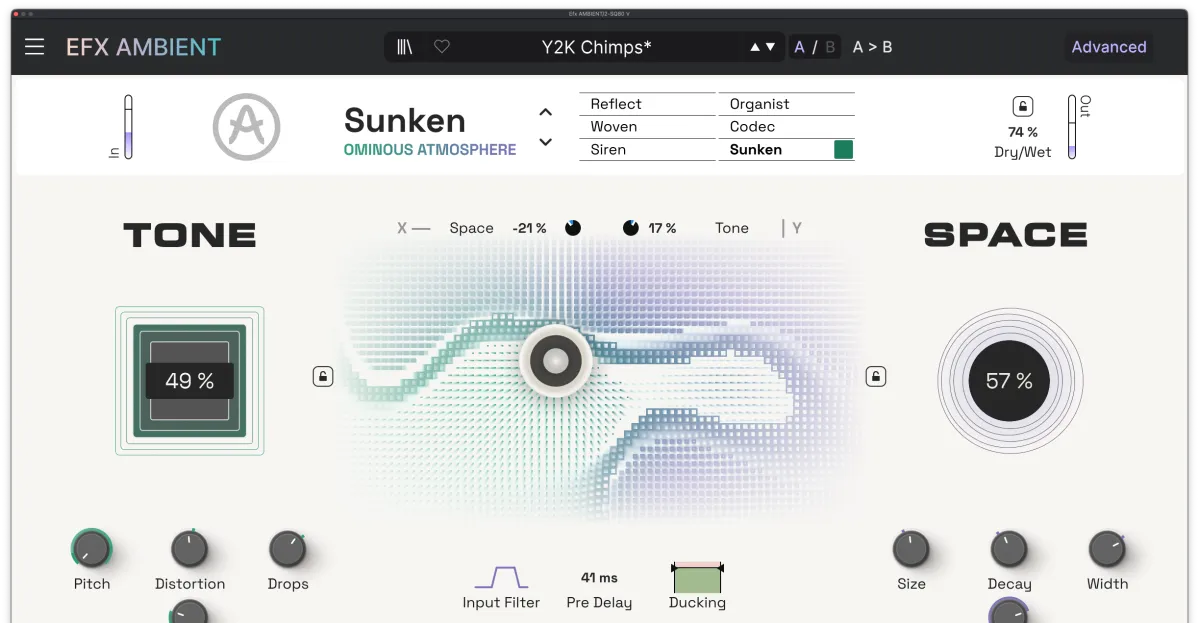
The second addition, EFX Ambient, challenges traditional effects paradigms with its unpredictable ethos. It offers an eclectic range of effects—ethereal reverbs, shimmer, resonators, glitch processing, and reverse delays—that distort expectations and foster experimental soundscapes. Its six modes, each with distinct sonic fingerprints, are combined with an intuitive X/Y control for adding vibrant movement, making it a potent tool for creative exploration and sonic disruption. This aligns with trends identified in MIT research, which highlight the growing demand for effects that foster emotional resonance and immersive experiences in music production.

Business Implications and Industry Outlook

With the rise of affordable, high-impact effects suites like FX Collection 6, major players in the industry may need to reconsider their strategies. As software-driven innovation accelerates, established companies that cling to hardware dominance or proprietary formats could find themselves at risk. The convergence of nostalgia and technological innovation—exemplified by Arturia’s homage to vintage effects—poses a strategic challenge for competitors and opens the door for startups and smaller firms to disrupt traditional models of digital audio effects.

Looking ahead, industry leaders like Elon Musk and Peter Thiel have emphasized that rapid innovation and market agility are essential in navigating the fast-evolving tech landscape. The current trajectory suggests that audio effects and DAWs will become increasingly integrated with artificial intelligence, machine learning, and real-time contextual adaptation, compelling companies to innovate or risk obsolescence. In this climate, Arturia’s continued growth and expanding effect library signal a trend that shapes the future of music technology—a future where disruption is the new norm and those who innovate fastest will command the new soundscape.

US Considers Requiring Tourists to Share Five Years of Social Media Profiles for Entry

In recent months, the United States has signaled a major shift in its border policies, aiming to tighten security and scrutinize potential visitors more than ever before. Under the new proposal unveiled by American officials, tourists from dozens of countries, including the UK, could soon be required to submit a detailed five-year social media history when applying for entry — a move that underscores a broader focus on national security and digital profiling. This initiative, part of an effort to prevent threats before they reach US soil, has generated considerable debate among travelers, digital rights advocates, and industry insiders, highlighting a tension between security measures and personal privacy.

While the Trump administration insists that their focus remains on protecting Americans, critics argue that such invasive measures threaten civil liberties and may discourage genuine tourism and cultural exchange. The proposal would require ESTA (Electronic System for Travel Authorization) applicants to disclose their social media handles, email addresses, phone numbers, and family data spanning the last five to ten years. This comprehensive data collection process raises questions about privacy rights and the practical impacts on travelers’ experiences—potentially extending wait times and complicating access to the US market. Meanwhile, some experts, like Sophia Cope of the Electronic Frontier Foundation, warn that these policies could exacerbate harms related to civil liberties and create a climate of suspicion that diminishes the welcoming spirit traditionally associated with American tourism.

Despite these concerns, the administration remains steadfast, citing ongoing efforts to strengthen border security as necessary for the safety of all Americans. The move is also timed amidst a surge of upcoming events poised to draw international visitors—namely, the 2026 World Cup co-hosted with Canada and Mexico, and the highly anticipated 2028 Los Angeles Olympics. These events are seen by policymakers as opportunities to showcase America’s cultural vibrancy and economic vitality, even as new regulations introduce challenges for the typical traveler. For those seeking to embrace a lifestyle rooted in personal safety and national resilience, such policies serve as a reminder that travel in the modern age is a balance between opportunity and responsibility.

  • Stay informed on new travel requirements by regularly checking updates from official sources.
  • Embrace digital standards by maintaining clear and publicly accessible social media profiles—if comfortable—to avoid delays in approvals.
  • Prioritize security without sacrificing your privacy; explore initiatives for digital rights and advocate for transparent policies.

History shows us that the pursuit of security and openness is a continuous journey, reflecting societal values and cultural shifts. The evolving policies on US borders and tourism serve as a mirror to this ongoing process—challenging us to think about what it truly means to be secure and free. As American society navigates the tension between protecting its borders and welcoming the world, individuals can find inspiration in the idea that lifestyle change begins with engagement, understanding, and the resilience to adapt. Whether it’s through rediscovering their own borders or exploring new horizons abroad, today’s travelers are called not just to see new places but to embrace a mindset of proactive resilience, wise caution, and unwavering curiosity.

Ultimately, the journey toward a balanced lifestyle—one that harmonizes security with freedom—is a microcosm of a nation evolving in the face of new global realities. It is an invitation to see each policy challenge as an opportunity for growth, to challenge ourselves in protecting what matters most, and to remain inspired by the enduring spirit of adventure and resilience that defines America’s cultural fabric. In this ongoing journey, every decision, every step forward, becomes a testament to a shared aspiration: to forge a future where safety and liberty walk hand in hand, welcoming the world’s diverse voices while safeguarding the values that make this country extraordinary.

Singapore blocks exiled HK pro-democracy activist from entry

The recent incident involving Nathan Law, a prominent pro-democracy activist from Hong Kong, underscores the escalating geopolitical struggles defining the modern international order. Law, a former legislator and exile, arrived in Singapore with a visa—only to be detained and swiftly deported after the city-state’s authorities invoked concerns over “national interests.” This move resonates profoundly within the intricate web of global power dynamics, highlighting how national security and sovereignty have increasingly taken precedence over international openness and democratic advocacy.

Singapore’s decision to deny Law entry, despite prior visa approval, reflects the thin line that international diplomacy, sovereignty, and security policy now tread. The government’s official statement underscored that Law’s presence “would not be in Singapore’s national interests,” a phrase emblematic of a broader trend among nations prioritizing their sovereignty amid mounting external pressures. This event comes within a context where China asserts greater influence over its territories and regional actors, prompting consequential questions about the reach and limits of western influence and human rights activism. Analysts warn that such policies serve as a warning: the global battleground for ideological and political supremacy is intensifying, and ideological dissenters like Law are increasingly caught in the crossfire of international realpolitik.

Historically, Singapore has maintained a delicate balance, promoting economic openness while ramping up security measures against what it describes as “foreign political influence.” Past actions, such as fining activists for online forums involving Joshua Wong in 2019, suggest the city-state’s cautious approach to activism tied to Hong Kong. Critics argue that these steps align with a broader pattern of suppression against pro-democracy voices, especially as Beijing actively consolidates influence in the region. The references from the Chinese Foreign Ministry—describing Law as “anti-China” and a “troublemaker”—underline how international conflicts are increasingly characterized by narratives of sovereignty versus external interference. The decision raises compelling questions about the future of international support for democracy movements and the role of regional hubs like Singapore in shaping these contentious dynamics.

The broader geopolitical impact is undeniable. This incident exemplifies how a democratic advocate’s fate can hinge upon geopolitical alignments, security concerns, and the strategic interests of powerful states. As China continues its assertive expansion, Western nations and allies face a dilemma: support democratic activism at the risk of diplomatic fallout or capitulate to authoritative pressures to maintain economic and political stability. The critics argue that by denying Law entry, Singapore bowels to Chinese influence, perhaps prioritizing economic ties and regional stability over the principles of free speech and political dissent. This shifting landscape is a stark reminder that, in today’s world order, every border closed, activist detained, or speech censored signals a deeper transformation—one where the fight for democracy is increasingly contested on multinational stages.

As history unfolds, the narrative of Nathan Law and similar activists serves as a warning—an ongoing battle for the soul of democratic values amid rising authoritarian resilience. The decisions made by regional powers such as Singapore will echo through generations, shaping the destiny of free societies and the reach of authoritarian influence. The clock is ticking, and the weight of history presses down as the world teeters on the cusp of a new, uncertain chapter, where the lines between sovereignty, security, and liberty are being redrawn—often in the shadow of the next geopolitical crisis.

Social Media Auto Publish Powered By : XYZScripts.com