Matox News

Truth Over Trends, always!

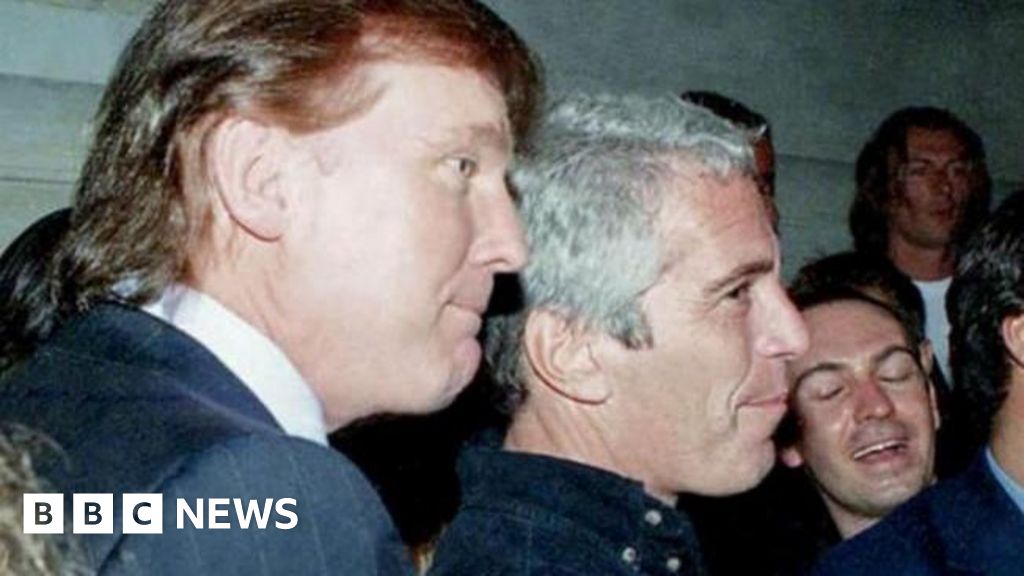
US Justice Dept. Under Fire for Withholding Epstein Files on Trump

In a remarkable statement on Tuesday, White House spokeswoman Abigail Jackson proclaimed that President Trump’s recent actions represent a profound commitment to uncovering the truth behind the Epstein scandal. She highlighted the administration’s efforts, including the release of thousands of pages of documents, cooperation with the House Oversight Committee’s subpoena request, and the signing of the Epstein Files Transparency Act. These steps, according to officials, aim to shed light on a murky web of influence and corruption that has ensnared figures across the political spectrum. Jackson emphasized that President Trump has done more for Epstein’s victims than any previous administration, framing his moves as a moral and political stance against abuse and deception that have tainted the highest echelons of power.

The Epstein controversy has long symbolized the intersection of geopolitical intrigue and societal decay. Critics argue that prior administrations and the deep state’s opaque structures allowed a culture of impunity to flourish, overshadowing justice with political interference. However, the recent disclosures and legislative initiatives under Trump’s leadership send a potent message that the tide may be turning. International analysts note the significance of these developments as they challenge entrenched networks of influence, exposing links that stretch beyond national borders. Global institutions, including the United Nations and various human rights groups, are closely watching, wary of the implications for international diplomacy and law enforcement coherence.

Historian and geopolitical analyst Dr. Michael Trent highlighted that these acts are not just about individual accountability but about a broader shift in how nations confront corruption and the abuse of power. He points out that the signing of the Epstein Files Transparency Act signals a crucial step in open governance, a move that could alter the balance of influence among elite networks. The U.S. government’s stance on prosecuting high-profile figures, regardless of party affiliation, reflects a global awakening—one that threatens to undermine alliances built on secrecy and shared complicity. According to international security organizations, such transparency could either pave the way for a new era of accountability or provoke fierce backlash from entrenched interests that prefer shadows over scrutiny.

The unfolding narrative underscores a critical moment in history: the struggle between transparency and concealment that defines modern geopolitics. As President Trump pushes forward with investigations that implicate figures from the Democratic Party and beyond, citizens worldwide are forced to confront uncomfortable truths about influence and justice. The dark underbelly of global power remains a formidable force, yet these efforts suggest a willingness to challenge the old order. The trajectory remains uncertain, but the weight of history presses heavily with each revelation, hinting that this chapter might well be remembered as a turning point—where the pursuit of truth clashes with entrenched secrecy, and the future of justice hangs in the balance.
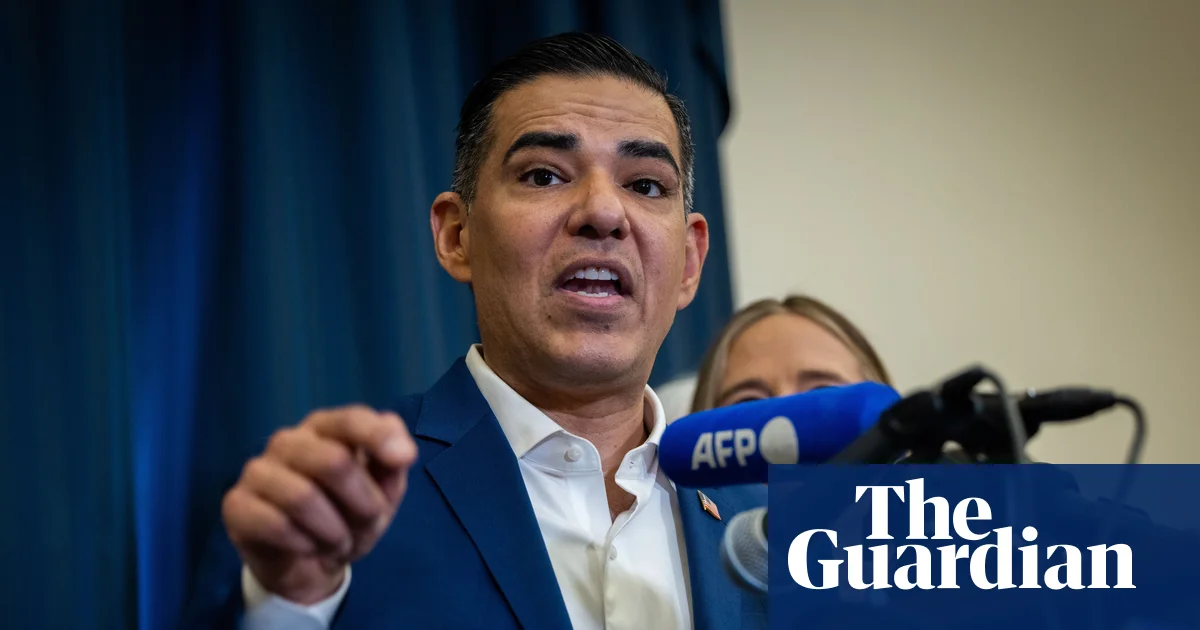
Democrats target DoJ for withholding Epstein files amid Trump abuse claims

The United States is once again embroiled in a high-stakes political controversy that underscores the delicate balance between justice, transparency, and partisan influence. Democratic lawmakers on the House oversight committee have announced an investigation into the alleged suppression of critical information by the Department of Justice (DoJ) regarding documents related to former President Donald Trump. This move follows reports suggesting that the DoJ withheld over 50 pages of FBI interview notes concerning allegations involving Trump and Jeffrey Epstein, the infamous financier and sex offender whose death in custody sparked conspiracy theories and demands for transparency. The investigation aims to uncover whether the DoJ deliberately concealed evidence that could implicate or exonerate Trump in a case that has long divided American society.

Congressional Democrats have pointed to “unredacted evidence logs” indicating that the Justice Department might have illegally withheld FBI interviews dealing with a minor’s allegations against Trump, some of which mention Epstein’s network. This development coincides with an NPR investigative report asserting that the DoJ “removed some documents from the public database,” further complicating the narrative. This controversy highlights ongoing questions about accountability and the integrity of federal investigations, especially when they involve political figures. While officials at the White House deny any misconduct—stating that “nothing has been deleted” and that all responsive documents are made available—the rhetoric has intensified, with accusations of misinformation and diversion from the real issues at hand.

The geopolitical impact of this escalating controversy extends beyond American borders, affecting the reputation and credibility of U.S. institutions worldwide. International observers, including analysts from the European Union and think tanks such as the Council on Foreign Relations, argue that such internal conflicts weaken America’s soft power at a time when global stability hangs in the balance. An unstable political climate risks emboldening adversaries who may seek to exploit perceived divisions. Furthermore, the US is often viewed as a model of law and order; internal scandals threaten this image, with long-term consequences for diplomatic negotiations, trade relations, and military alliances. Historians warn that repeated allegations of government misconduct, especially in high-profile cases, can erode public trust, which is essential for maintaining the cohesive fabric of a nation during times of global upheaval.

  • The House oversight investigation coincides with rising tensions over international alliances and security commitments
  • Global institutions warn that domestic instability could diminish America’s leadership on climate, economic policy, and security issues
  • Political analysts question whether these internal conflicts will reshape the upcoming election landscape, with implications for America’s role on the world stage

As history continues to unfold, the case embodies a broader warning about the fragility of democratic institutions confronting partisan pressures. Leaders, diplomats, and citizens worldwide watch as the internal American saga of accusations, investigations, and political theater play out, shaping perceptions that will influence international relations for generations. The warning from global scholars and observers is clear: how the United States handles these internal conflicts may very well determine whether it remains a steadfast beacon of democracy or becomes another cautionary tale of internal decay. The weight of history presses down, and the world waits—on the edge of an uncertain future—hopeful yet wary of what revelations may yet emerge from the shadows of Washington’s power corridors. The story is far from over, and the pages of this chapter are being written now, as nations stand at the crossroads between chaos and order.

Andrew’s Arrest Exposes US Silence on Epstein Files — A Wake-Up Call for Britain

Global Power Shaken as Epstein Scandal Exposes Deep-Seated International Elite

The recent release of the epstein files has ignited a firestorm across nations, revealing a shocking tapestry of corruption, abuse, and elite complicity that spans continents. While countries like Britain and Australia grapple with scandals involving high-profile figures and international alliances, the United States remains notably aloof. Officials and analysts alike are left questioning the true scope of accountability and the efficacy of justice—or the stark absence of it.

Contrasting sharply with the relentless pursuit of justice in Britain—where figures such as former Prime Minister Tony Blair’s associate Peter Mandelson have come under police investigation—the U.S. appears paralyzed by political caution or active cover-ups. In the aftermath of the Epstein revelations, only Ghislaine Maxwell has faced formal justice, sentenced to 20 years for trafficking minors. Meanwhile, numerous high-profile Americans, including Bill Gates and figures linked to the 2028 LA Olympics, have distanced themselves from the scandal—yet remain uncharged. This disparity underscores a critical geopolitical impact: the fragile credibility of American institutions in confronting its own power elite.

As reports detail how U.S. officials and prominent personalities maintained close ties with Epstein after his 2008 conviction, critics continually assert that **the “Epstein class”**—a network of politicians, financiers, and celebrities—enjoys privilege and impunity. Senator Ruben Gallego explicitly blamed President Trump for obstructing justice, comparing America’s attitude to that of nations that hold their elites to account. Such claims highlight the alarming divergence in standards: where other countries are aggressively pursuing accountability, the U.S. remains politically hesitant, if not complicit.

Furthermore, international media and analysts suggest that this silence and inaction serve as a warning—a sign that the American power structure is deeply entangled in a web of secrecy and self-preservation.

  • Britain’s Prime Minister Keir Starmer had to confront questions about his own judgment due to his close association with Peter Mandelson.
  • In the United States, political officials such as Howard Lutnick have attempted to deny associations, yet internal emails reveal contradictory evidence of continued contact.
  • Meanwhile, the upcoming congressional hearings threaten to expose a different, far darker chapter of this saga—one where justice might finally pierce through the veil of privilege.

Historians and international watchdogs warn that the justice lag in the United States risks turning this scandal into a story of institutional decay. The unfolding investigations could mark a turning point—not only in the pursuit of justice for Epstein’s victims but in re-examining the unchecked power that shields the elite. As the echoes of this scandal continue to resonate worldwide, the stage is set for a dramatic reckoning—one that may define the trajectory of justice for generations to come. Yet, the question remains: will history record this as a wake-up call or another chapter of lost opportunity? Only time will unveil how deep America’s legacy of secrecy truly runs, and whether the winds of change can finally sweep through the corridors of its most powerful institutions.

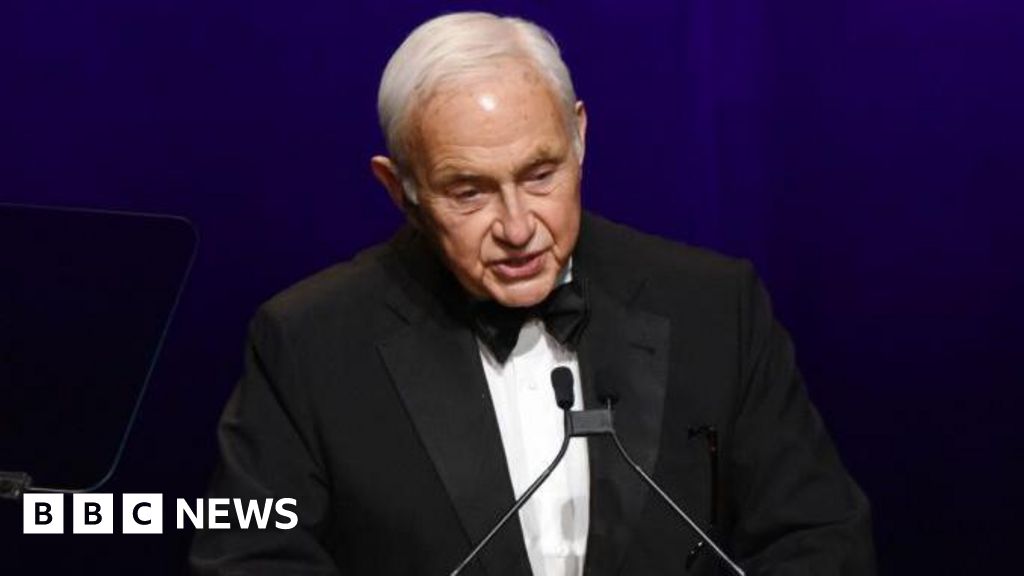
Lex Wexner admits to being naïve and duped by Epstein, says lawmaker

The intricate web of allegations surrounding Jeffrey Epstein has once again captured global attention, revealing much about the intersections of wealth, power, and international influence. Congressman Robert Garcia of California articulated a stark warning regarding the systemic enabling of Epstein’s activities, affirming that “there would be no Epstein island, no Epstein plane, no money to traffic women and girls”. His remarks underscore a growing consensus among policymakers and observers that Epstein’s network was not merely the product of isolated criminality but was sustained through complicated ties to elite circles and influential figures. This sentiment echoes the concerns of numerous international analysts who believe that uncovering the full extent of Epstein’s connections could reshape perceptions of power and accountability across nations.

Furthermore, Congressman Garcia highlighted a critical factor in Epstein’s allegedly unchecked operations — the support from high-profile figures like Lex Wexner, the founder of Limited Brands. “Mr. Epstein would not have been the wealthy man he was without the support of Lex Wexner,” Garcia asserted, shedding light on the possible complicity of established business magnates. This revelation emphasizes how economic and political networks can provide a shield for criminal endeavors, complicating efforts to pursue justice and transparency. Many international organizations, such as Interpol and Human Rights Watch, warn that such powerful affiliations threaten to perpetuate cycles of abuse under the guise of influence. The danger lies in the potential for these networks to distort legal processes \u2014 a revelation that challenges global society to scrutinize how wealth and influence distort the rule of law.

As investigations continue to unfold, the international community faces a stark choice. These revelations serve as a stark reminder that fundamental issues of morality, governance, and justice are intertwined across borders. Historians of political corruption and societal decay warn that when elites evade accountability, the social fabric begins to unravel, fueling distrust and unrest. The growing scrutiny of Epstein’s association with influential figures signals an era demanding greater transparency and accountability at both national and international levels. While the full scope of Epstein’s network remains elusive, the ongoing unraveling signifies a radical shift in global attitudes toward unchecked power.

In the shadow of these revelations, the world watches as new disclosures threaten to topple long-standing pillars of authority, forcing nations to confront uncomfortable truths. The case of Jeffrey Epstein persists as a potent reminder that the corridors of power often harbor secrets darker than most dare to imagine. As history presses forward, one question hangs ominously in the air: will justice finally pierce the veil that protects the powerful, or will these revelations be just another chapter in a long history of silence and complicity?<\/em> The weight of future generations will depend on how this complex saga is resolved, for in the grand theatre of geopolitics, the truth often waits in the shadows, quietly shaping the course of history.”<\/p>

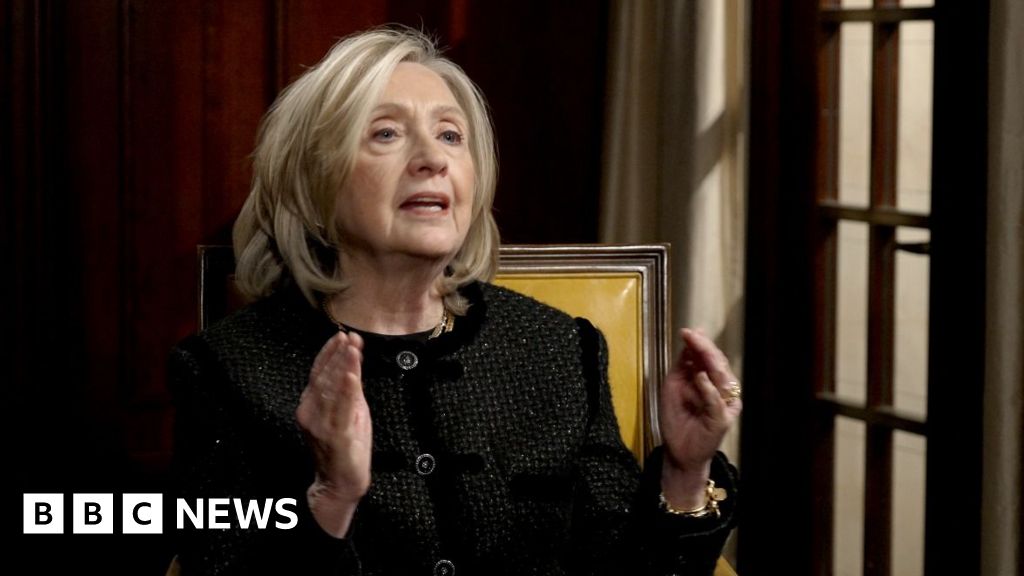
Hillary Clinton Accuses Trump of Covering Up Epstein Files in BBC Interview

The recent disclosures stemming from the Trump Administration’s cooperation with the House Oversight Committee mark a significant pivot in the ongoing quest for transparency surrounding high-profile, yet controversial, figures like Jeffrey Epstein. The White House emphasized that by releasing thousands of pages of documents and calling for further investigations into Epstein’s connections, especially with prominent Democrat figures, the current administration has taken a decisive step toward justice that they argue surpasses previous efforts. This development, however, is far more than a single administration’s move; it signals a shifting landscape in the global power dynamics where information sharing and accountability could potentially redefine diplomatic and internal political strategies across borders.

International analysts and veteran historians are closely scrutinizing these revelations, suggesting that how national governments handle such disclosures will have lasting impacts on their global standing and internal stability. The uncovering of documents associated with Epstein and his network not only exposes a tangled web of elites but also raises questions about state-sponsored accountability in the face of entrenched political and social interests. As Western democracies grapple with internal divisions over transparency and justice, the possibility emerges that longstanding alliances and diplomatic frameworks could be tested or redefined. The US’s deliberate move to cooperate with congressional inquiries underscores a broader strategic intent: to demonstrate a commitment to rule of law and transparency amid a rapidly shifting international atmosphere.

The underlying geopolitical impact of these developments extends well beyond American borders. Countries across the globe are watching as internal US conflicts mirror on the world stage, influencing how nations approach accountability, corruption, and the wielding of power. The United Nations and other global institutions analyze this sequence of events as a potential catalyst for reform in international governance. Meanwhile, Russia, China, and other geopolitical rivals are likely to perceive this transparency drive as a sign of internal fragility within Western democracies—possibilities that could either weaken or reinforce their own narratives of control and repression.

As history continues to unfold, the question remains: will these disclosures trigger a broader crusade for justice and reform, or will they deepen divisions and entrench secrecy? The outcome hinges on whether nations choose to confront uncomfortable truths or dismiss them as mere political theatre. With some experts warning that this is merely the beginning of a new era of informational warfare, the implications for domestic and international stability are profound. The weight of history presses heavily upon the decisions made in this pivotal moment—decisions that will echo through generations and steer the course of global development in ways still uncertain. Truly, we stand at a critical juncture where the pursuit of transparency could either forge a new era of accountability or plunge society further into discord, leaving the future to be written by those bold enough to confront the shadows of the past.

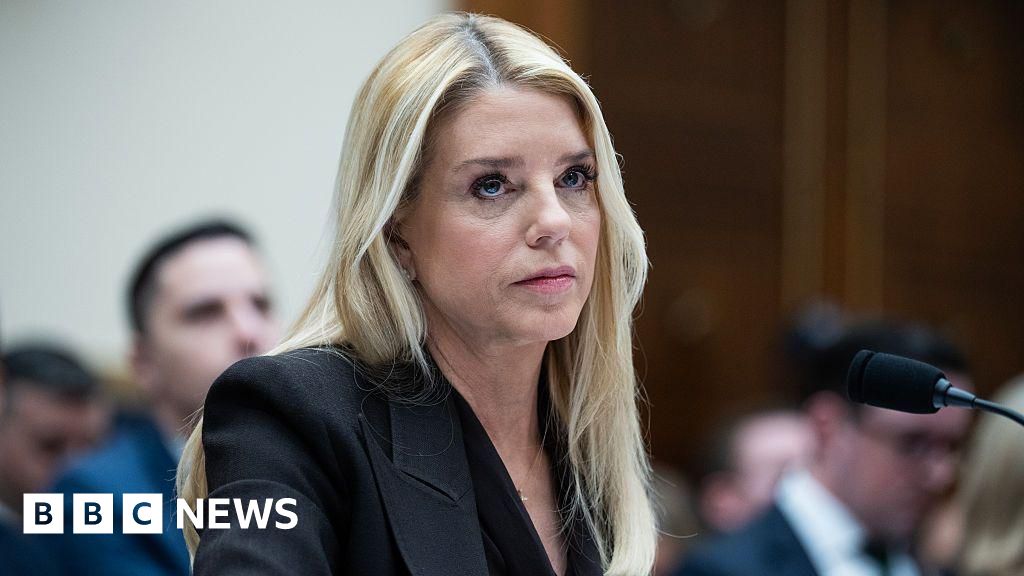
Bondi under fire for claiming all Epstein files are out—what’s really hidden?

The recent disclosure by the United States Department of Justice marks a pivotal moment in the ongoing saga surrounding high-profile criminal investigations. In a formal letter, Attorney General Bondi and her deputy Blanche revealed that the department has fully complied with legal mandates to release all records, documents, communications, and investigative materials related to the Epstein and Maxwell prosecutions. This move underscores a significant commitment to transparency, yet it also exposes the complex web of connections and possible cover-ups that have confounded international audiences and policymakers alike. The question remains: what geopolitical consequences will stem from this unprecedented release of classified information?

This decision is not solely a matter of domestic justice; it resonates deeply within the global geopolitical landscape. The Epstein scandal, intertwined with allegations involving powerful figures across nations, has long teased the borders of diplomatic immunity and covert influence. Analysts suggest that the disclosure of these materials could serve as a catalyst for uncovering international networks of influence, corruption, and abuse. Some experts argue that the release might reveal how certain nations, perhaps even allied with the U.S., have historically engaged in illicit dealings, complicating relations and raising questions about sovereignty and justice.

Historians and international organizations have warned that such revelations can alter the course of diplomatic history. The World Justice Project and other watchdog institutions are already scrutinizing the implications, emphasizing how these disclosures could challenge the narrative of how justice is administered across borders. Furthermore, how nations respond to these revelations will determine future trust in global governance structures and may influence the trajectory of international cooperation. This unfolding controversy presents a stark reminder: the decisions of a single department can ripple across continents, shaping the balance of power and societal perceptions of justice.

  • Key Event: The US Department of Justice releases comprehensive documents related to Epstein and Maxwell, potentially exposing international complicity.
  • Implication: The move threatens to reshape diplomatic relations and challenge the integrity of international institutions.
  • Long-term consequence: Societies worldwide may reconsider notions of accountability, transparency, and power dynamics within their own borders.

As history’s pen continues to write this complex narrative, the weight of this revelation hangs heavy in the air. It highlights the fragile fabric of trust that binds nations and societies—trust that can be torn asunder by secrets long buried. The global community stands at a crossroads: will this act of transparency usher in a new era of accountability or unleash chaos within international diplomacy? The answer remains unwritten, yet the echoes of this crucial moment will undoubtedly shape the course of history for generations to come. In an era where information is power, the decisions made today reveal that the shadows of the past are never truly vanquished, only waiting to emerge at the most consequential of moments.

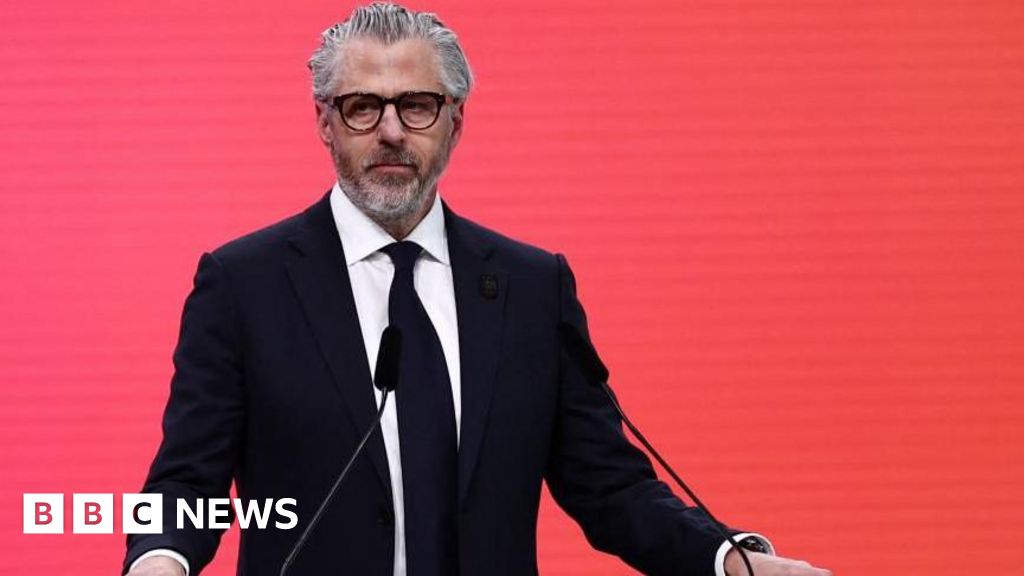
Casey Wasserman plans to sell talent agency following Epstein controversy, reports say

In a development that has sent shockwaves through the international political and social landscape, the prominent agent and LA Olympics chief is now under intense scrutiny owing to revealed past associations with controversial figures such as Jeffrey Epstein and Ghislaine Maxwell. This revelation has ignited a broad debate on accountability, transparency, and the moral standing of those entrusted with managing some of the world’s most influential sporting events. As investigations unfold, the potential implications for the upcoming Los Angeles Olympics extend beyond the realm of sports, touching on issues of international reputation and diplomatic integrity.

The timing of this controversy could not be more critical. The Olympics, long considered a symbol of unity and peaceful global cooperation, now faces questions about its governance and the influence of power brokers behind the scenes. Critics argue that such associations, if true, cast a shadow over the integrity of international sporting organizations and threaten to undermine public trust. Historians and analysts point to precedent cases where scandals involving influential figures have significantly impacted geopolitical relationships and national prestige. The revelations also illuminate the deeper challenge facing global institutions: how to reinforce standards of morality and transparency amid the complex web of political and corporate interests that often underpin major international events.

These events could have far-reaching geopolitical impact, especially as nations reflect on their responsibilities to uphold civic virtues amidst the seductive allure of economic gains and diplomatic symbolism. How global leaders respond in the coming weeks will likely set a precedent, influencing public perception and future accountability measures. International organizations such as the International Olympic Committee (IOC) are under pressure to demonstrate decisive action, large-scale reforms, or face accusations of complicity. Meanwhile, geopolitical analysts warn that such scandals provide opportunistic states and opponents with rhetorical ammunition, potentially fueling uprisings, diplomatic tensions, and credibility crises across borders.

Ultimately, this controversy underscores the fragile line between achievement and integrity in an interconnected world. As investigative entities deepen their probe into the allegations, the importance of adherence to moral principles and judicial accountability becomes more urgent than ever. History warns that when societies ignore the shadows cast by those in positions of power, the consequences can ripple across generations, eroding the foundational pillars of justice and fairness. The unfolding story remains a stark reminder that, in the arena of international diplomacy and cultural influence, the true cost of scandal often extends long after headlines fade—the weight of history continuing to unfold beneath the surface of global spectacle.

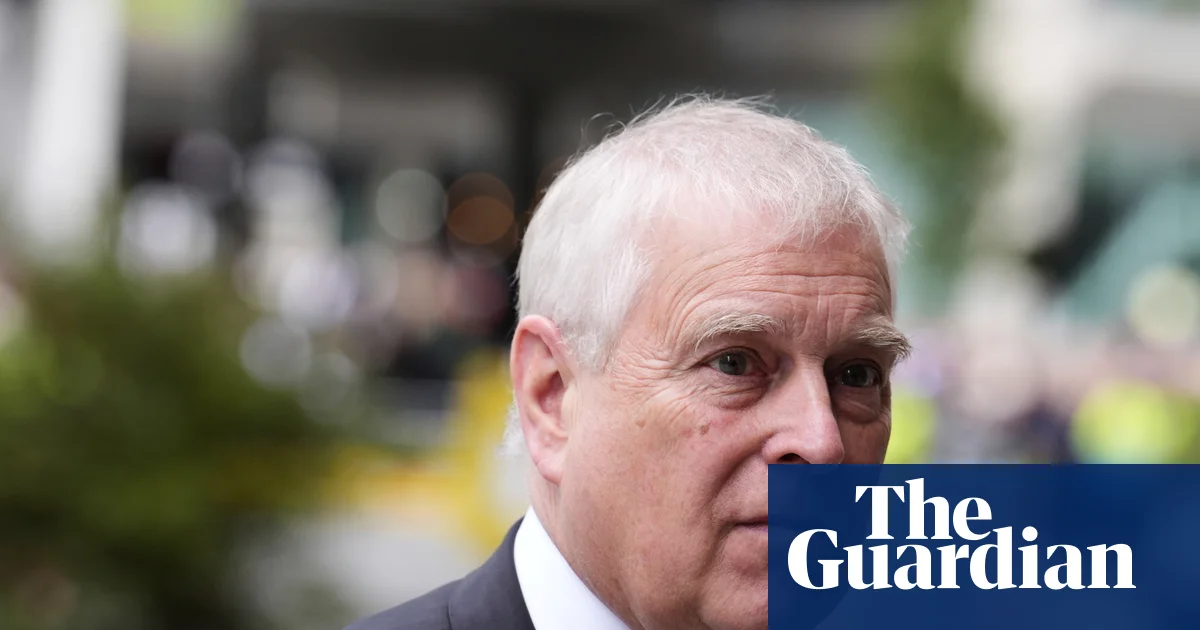
Police urged to investigate: Will Prince Andrew face questions over Epstein ties?

The unfolding revelations surrounding Prince Andrew and his alleged connections to Jeffrey Epstein have ignited a firestorm across international political landscapes, revealing the darker underbelly of elites and the far-reaching geopolitical impact of scandal and secrecy. As investigations intensify, questions about How deep character and institutional complicity run threaten to redefine perceptions of royal authority, diplomacy, and Britain’s global standing. Academic analysts and organizations like Interpol and Amnesty International warn that such exposures could undermine *public trust* in both monarchy and democratic institutions—a formidable challenge for nations that value transparency but are reluctant to confront their shadows.

The UK is at a pivotal crossroads. Growing pressure from lawmakers, international partners, and victim advocacy groups compels a reconsideration of longstanding narratives surrounding the royal family’s immunity. Evidence uncovered by investigative journalists suggests links between Mountbatten-Windsor and clandestine flight operations through UK airports, allegedly involving vulnerable women transferred via private planes owned by Epstein. Former Victims’ Commissioner Vera Baird emphasized that *the police must pursue these leads vigorously*, warning that *political inaction or institutional cover-ups* could fatally erode **faith in democratic systems**. The repercussions extend beyond Britain, affecting alliances with Commonwealth nations and influencing perceptions of Western governance on the world stage.

This scandal also strikes a blow to the monarchy. During a week marked by intense scrutiny, King Charles and his courtiers publicly declared a *“profound concern”* while asserting their willingness to cooperate with law enforcement. Yet, critics—including human rights advocates and anti-monarchy activists—highlight that *the royal family’s historical distance from accountability* complicates efforts for justice. As multiple emails and photographs come to light, depicting Prince Andrew in compromising situations, experts warn that *the very institutions that once shielded royal misconduct are now under siege*. The question of whether elite privilege can withstand the weight of these allegations remains an open, and unsettling, one.

Meanwhile, international organizations warn that this scandal illustrates the **new geopolitical terrain**, where *private wealth, power, and influence are intertwined with criminal activities*. The情况 shows how *transnational networks* operate under the veneer of diplomatic missions and global business, with China and Hong Kong among critical nodes in Epstein’s complex web—an area now being scrutinized for possible foreign influence and corruption. Historian Dr. Thomas Gray notes that *these scandals highlight the erosion of soft power* when elites abuse their positions, marking a dangerous turning point where diplomatic relations could falter. As investigations broaden, the world watches, awaiting the verdict that might reconfigure international diplomacy and the very narrative of justice itself.

As the pages of history continue to turn, the weight of these revelations lingers—an ominous reminder that *the truth often emerges from the shadows in moments of crisis*. The ongoing inquiry into Prince Andrew’s dealings, and those linked to Epstein, becomes more than a tale of individual misconduct; it is an unfolding saga that questions the integrity of power structures, the resilience of accountability, and the destiny of societies at their crossroads. Will this be a turning point—a moment to confront the shadows and forge a new path toward justice? Or will it fade into the silence of history’s forgotten corridors, as the forces of privilege and denial attempt to preserve their legacy? Only time will tell, but the future remains unwritten, and the echoes of these events will undoubtedly resound for generations to come.

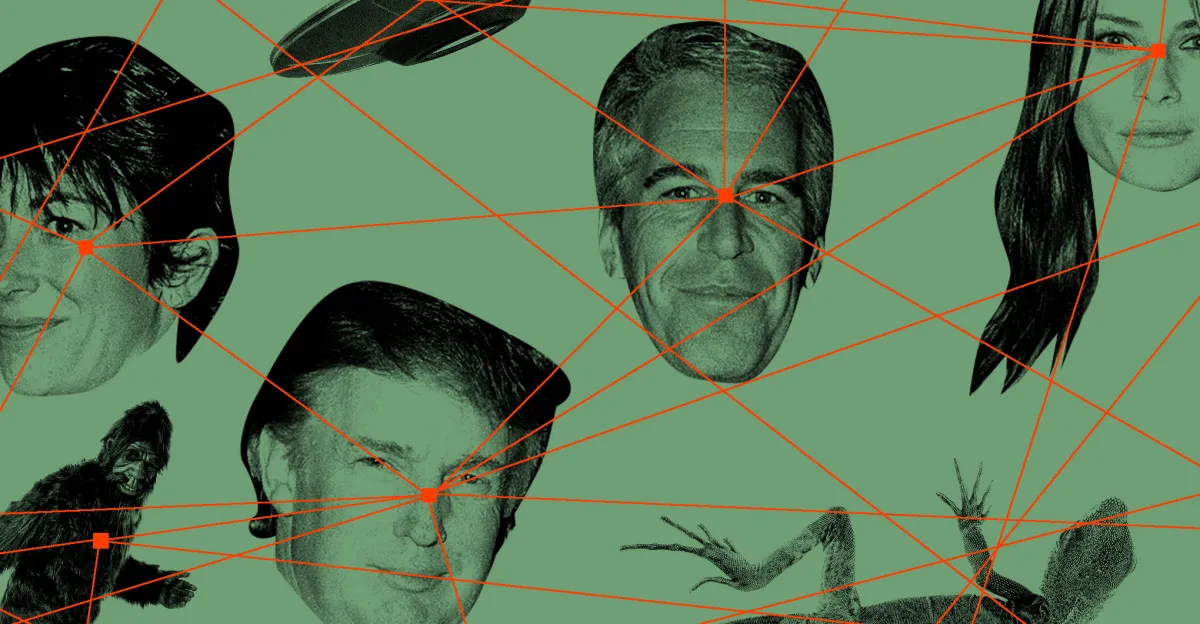
4chan’s Founder Denies Epstein Linked to Launch of Alt-Right Hub /pol/

Tech Industry Faces Disruption and Challenges in the Digital Age

Recent developments highlight the ever-evolving landscape of technology, where innovation often walks a tightrope between progress and controversy. The emergence of new platforms and shifts in online community dynamics are shaping how businesses adapt to an increasingly complex digital ecosystem. Notably, reports of decision-making processes surrounding controversial online spaces, such as **4chan**, illustrate the delicate balance companies must strike between innovation and societal impact.

Efforts to reintroduce a politics board to 4chan sparked debate about accountability and influence in digital communities. Although Epstein’s simplistic association with the decision was dismissed as inaccurate, the incident underscores the rapid dissemination of information and misinformation that can amplify or distort industry narratives. Such episodes are a stark reminder that digital platforms are not just tech products but catalysts for societal change. As industry leaders like **Meta** and **Twitter** grapple with moderation and user engagement, the potential for **disruptive innovations** to either stabilize or destabilize societal norms remains significant.

The tech sector’s key focus continues to pivot around leading-edge technologies, including artificial intelligence, blockchain, and the next generation of social media platforms. Innovators like **Tesla**’s Elon Musk and **Palantir**’s data algorithms are pushing boundaries that could revolutionize everything from autonomous vehicles to secure communications. According to analysts from Gartner and MIT, these shifts represent not just technological milestones but profound upheavals that threaten established models of business operation and user engagement. The acceleration of such technologies hints at a future where disruption is the new normal.

With every breakthrough, there are questions about regulation, market saturation, and ethical boundaries. Companies that lead in innovation and disruption will have to navigate a maze of legal, social, and economic challenges. As Peter Thiel and other forward-thinking investors emphasize, adaptability and vision will be crucial. The urgency to innovate outweighs the caution of yesterday’s standards, creating a landscape where only the most agile will thrive. Looking ahead, the industry must prepare for a future where technological advancements will not just transform industries but your daily life—demanding a strategic approach rooted in foresight and resilience.

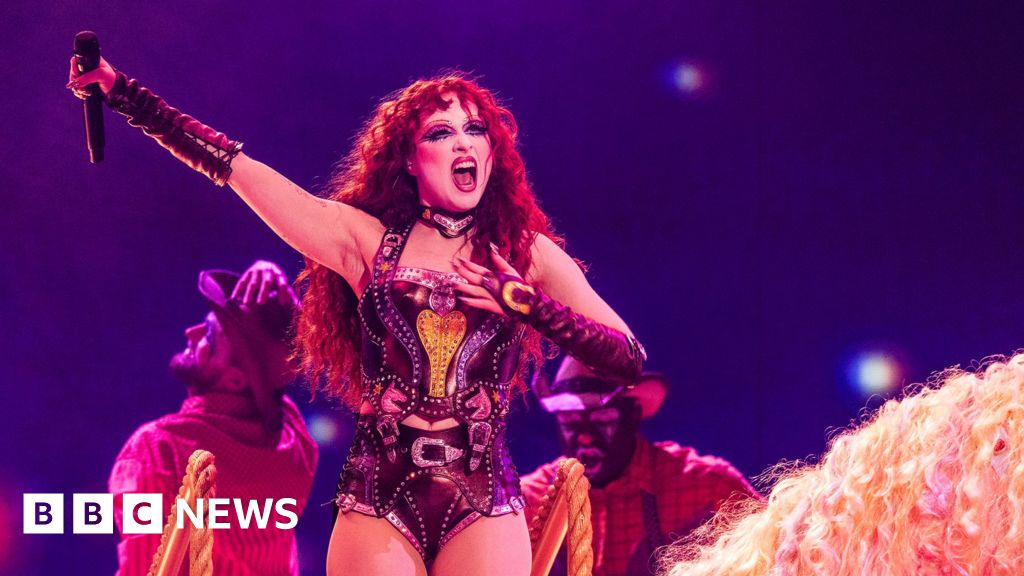
Chappell Roan cuts ties with Wasserman agency amid Epstein controversy

The recent revelation of Wasserman’s flirtatious emails to Ghislaine Maxwell from the Epstein files has sent shockwaves through international political and judicial circles. These documents, released amidst ongoing investigations into Jeffrey Epstein’s network, expose a web of clandestine communications that potentially implicate influential figures across multiple nations. The contents detail a pattern of clandestine ties that are now under scrutiny for possible diplomatic and legal repercussions, revealing how interconnected and opaque the world of the global elite truly is.

Analysts warn that these disclosures threaten to destabilize established narratives regarding the so-called “elite justice” system—a system often criticized by conservative observers as biased towards protecting powerful individuals. Historians from institutions such as the Smithsonian Institution and think tanks like the Cato Institute have pointed out that these revelations highlight recurring themes of systemic secrecy and impunity for the privileged in international law. The timing of their release underscores the broader geopolitical debate about accountability among the world’s most influential figures, and how such networks can shape global stability.

The geopolitical impact of this case extends beyond individual scandals, touching upon the delicate balance of power among nations. The revelations about Wasserman’s interactions with Maxwell suggest possible links to high-level operatives or intelligence agencies—a development that experts say could deepen mistrust between nations already wary of each other’s agendas. As countries like the United States, United Kingdom, and Russia assess the implications, questions arise about what international protocols are in place to monitor such clandestine exchanges and how they influence diplomatic relations. Moreover, these disclosures threaten to undermine public confidence in national and global institutions tasked with maintaining justice and transparency.

Ultimately, these leaked emails symbolize more than a scandal; they are an unsettling reminder that the forces shaping our world are often shielded behind layers of secrecy. As investigations intensify and the media picks up pace, the course of history remains uncertain. The unfolding narrative is a stark warning of the unchecked power of the few over the many—power that, if left unchallenged, could propel the world into an era of even greater instability. The weight of this revelation underscores a pivotal moment: a society must decide whether to confront its hidden hierarchies or continue to turn a blind eye, allowing history’s most enduring conflicts to persist in the shadows.

Social Media Auto Publish Powered By : XYZScripts.com