Matox News

Truth Over Trends, always!

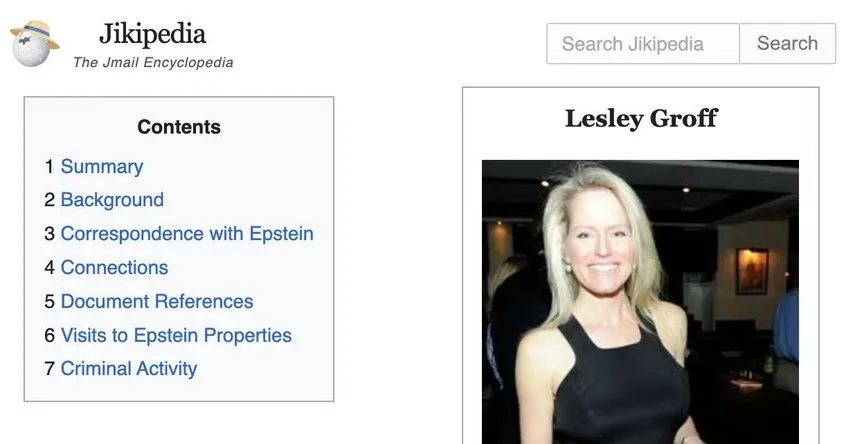
Jikipedia exposes Epstein’s elite network through leaked emails

Emerging Tech Disruption: Digital Reconstructions of Epstein’s Secrets Spark Industry Shake-up

The tech landscape is witnessing a groundbreaking development as a controversial project, led by the team behind Jmail, emerges on the scene with a powerful new tool: a clone of Wikipedia that compiles and analyzes vast amounts of data from Jeffrey Epstein’s emails. This innovative platform transforms raw, encrypted communication into highly detailed dossiers—mapping connections, transactions, and locations—potentially rewriting how sensitive data is harnessed for investigative or business purposes. According to insiders, these detailed entries include Epstein’s associations, his property holdings, and links to major financial institutions like JPMorgan Chase. This technological leap demonstrates both the capacity for disruption in data analysis and the profound implications for compliance, security, and privacy in the digital age.

This project exemplifies the frontier of what AI-driven data mining and visualization tools can achieve, signaling a seismic shift for industries reliant on intelligence gathering and corporate transparency. The platform’s ability to compile multi-layered profiles from email exchanges, property records, and financial dealings introduces a new level of depth to open-source intelligence (OSINT). Industry analysts from Gartner and MIT’s cybersecurity research labs are already praising the innovation, noting its potential to outperform traditional investigative methods. Yet, critics warn of the darker side: the ethical and legal dilemmas associated with such detailed, granular data reconstructions could spark a wave of regulatory scrutiny and societal debates about privacy rights.

The broader business implications are equally profound. Companies and governments are increasingly relying on such disruptive technologies to gain strategic advantages—whether for uncovering illicit activity, safeguarding assets, or competitive intelligence. The Jmail platform’s ability to automatically generate profiles that include detailed biographical data, property acquisitions, and law enforcement-related activities underscores how disruption of traditional investigative processes could lead to quicker, more comprehensive insights. In this context, established institutions like JPMorgan are already under scrutiny for their historical dealings with Epstein, emphasizing how data-driven transparency may expose hidden risks and influence policy reforms.

Looking ahead, this wave of technological innovation invites a sense of urgency for industry stakeholders. Leaders like Elon Musk and Peter Thiel have long predicted the revolutionary potential of AI and decentralized data systems, yet they warn that without careful regulation and ethical frameworks, such tools could be misused or lead to societal harm. The emerging platform’s power to reconstruct complex networks from digital footprints signals a future where information sovereignty is fragile and the distinction between investigative tool and weapon is razor-thin. As these advancements accelerate, the key question remains: how will industries, regulators, and society balance the immense potential of disruptive data technologies with the imperative to safeguard fundamental rights? The future belongs to those who act swiftly—igniting a new era where speed, innovation, and responsibility determine technological supremacy.

Ex-police chief claims Trump said in 2006 ‘everyone’ knew about Epstein’s misconduct

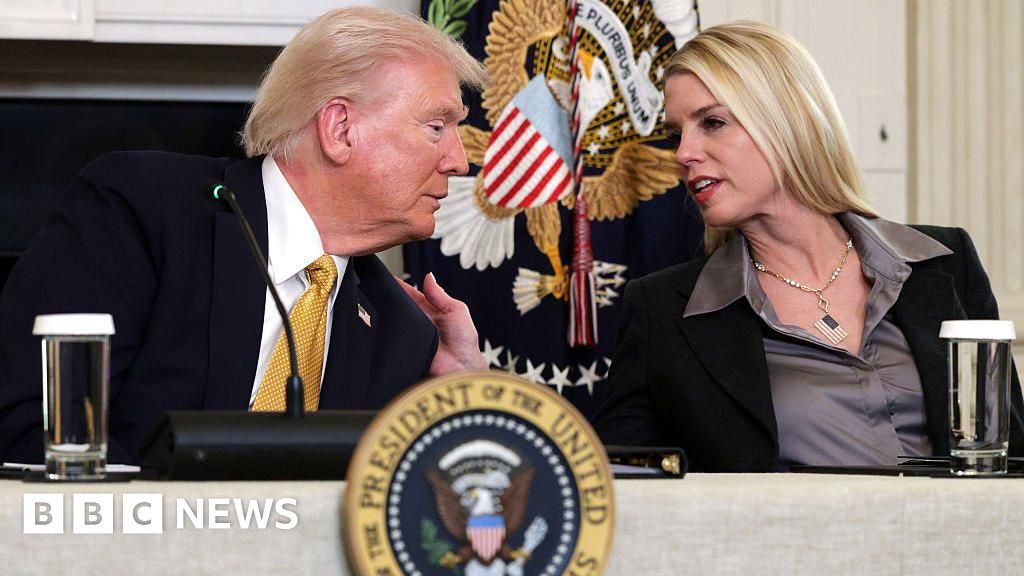
Amidst the ongoing revelations that ripple through the international political landscape, emerging reports suggest that the now-president contacted Florida law enforcement during investigations involving Jeffrey Epstein, the convicted sex offender whose case has continued to scandalize global elites. According to sources close to the investigation, the president allegedly expressed relief upon learning that police were taking action, reportedly stating, “thank goodness you’re stopping him.” Such a statement raises profound questions about the intertwining of political influence and high-profile criminal cases, especially those with implications stretching across multinational corridors of power.

The timing and context of this revelation are deeply significant, particularly as questions mount over whether political actors exerted influence to shield powerful individuals associated with Epstein. International analysts and political historians have long debated the denuclearization and criminal justice processes within U.S. borders, emphasizing how domestic law enforcement decisions resonate globally. The case, which involves allegations that extend into the highest strata of international society, underscores the fragile boundaries between justice and hierarchy. As investigations continue, critics argue that such communications — if true — reflect a troubling tendency for political figures to sway law enforcement, potentially undermining the rule of law and eroding public trust.

The geopolitical impact of these revelations cannot be overstated. Decisions in domestic criminal investigations ripple across diplomatic relations, influence international perceptions of judicial independence, and feed into broader narratives about the accountability of the powerful. The controversy surrounding Epstein’s case has already fueled conspiracy theories and distrust in international institutions, such as the United Nations and the Organization of American States, which often grapple with questions of sovereignty and justice. As political leaders worldwide watch this unfolding story, there is a keen awareness that how nations navigate these revelations could determine the future of justice and transparency in the 21st century.

Historians and continued international oversight warn that, in a world increasingly interconnected, the failure to address such issues openly could lead to greater social unrest and erode trust in governance. Some critics describe this moment as a pivotal turning point—one that challenges long-standing assumptions about sovereignty, corruption, and the influence of clandestine power networks that operate behind closed doors. The trajectory of this case, combined with the geopolitical tensions surrounding it, leaves many pondering whether global societies are at a crossroads — where transparency and justice become the only path forward or succumb to the shadows of secrecy and manipulation. As history progresses, the question remains: will future generations look back at this epoch as a triumph of accountability, or as a cautionary tale of nations lost to their own secrets?

BBC reveals Epstein’s UK flights included alleged British abuse victims—justice must be served.

In a development that underscores the persistent shadows cast by Jeffrey Epstein‘s murky international activities, a BBC investigation has revealed over 87 flights linked to the disgraced sex offender arriving in and departing from UK airports spanning nearly three decades. These revelations expose the shocking extent of Epstein’s entanglement with Britain, exposing how a man convicted of soliciting sex from minors was able to traverse borders with apparent impunity—raising serious questions about the integrity of international oversight and the efficacy of UK immigration policies.

Despite Epstein’s death in 2019, the emerging flight logs and documents suggest a disturbing pattern of ongoing activity well after his 2008 conviction. The fact that at least 15 flights occurred after the conviction, when Epstein was registered as a sex offender in the US, signifies glaring lapses in border security and potentially, a network of enablers within Britain. American lawyers representing his victims have criticized UK authorities for failing to launch a comprehensive investigation, emphasizing that the UK was a “centerpiece” of his operations. Analysts warn that this oversight not only hampers justice for victims but also signals a broader failure to recognize the danger posed by international traffickers—an issue the US and Britain must confront collectively, lest similar tragedies occur in the shadows again.

Furthermore, the involvement of British women in Epstein’s flights, including testimonies from survivors like Kate, exposes the depth of complicity that could have been overlooked or deliberately ignored. According to legal experts like Prof Bridgette Carr, trafficking cases often involve complex networks of professionals—from accountants to legal advisors—working in concert to facilitate these heinous crimes. The inability or unwillingness of UK police to pursue further inquiries, despite internal reviews, underscores a critical failure in safeguarding vulnerable populations. As historians and critics argue, these missed opportunities for justice could be remembered as one of Britain’s darker chapters—an era when the machinery of justice failed its victims, allowing predators to operate across borders with little accountability.

The geopolitical impact of Epstein’s UK connections extends beyond crime. It raises profound concerns about how international decisions influence societal fabric. Epstein’s trips to royal residences, and his frequent movements through London’s Heathrow and other airports, reveal the vulnerabilities in border policies—especially when short-term visa rules allowed US citizens with criminal convictions to slip under the radar. The U.S. authorities’ refusal to declassify Epstein-related files, despite the Jeffrey Epstein Transparency Act deadline, fuels suspicion that powerful interests may have concealed—either purposefully or inadvertently—links between Epstein and influential global figures. These revelations threaten to tarnish foreign relations, undermining Britain’s claim to moral authority on human rights and prosecution of sex crimes.

As the international community watches, the questions remain: who else was complicit? How many victims’ voices have been silenced by bureaucratic apathy or international diplomatic complicity? The unfolding story is not just about a single pervert’s depravity but a warning—an ominous reminder that the fabric of justice and sovereignty is fragile, especially when overshadowed by influence peddling and diplomatic interference. The tapestries of history are still being woven, and the next chapter remains unwritten. Will protocol and vigilance finally catch up with the dark corners of prescriptive diplomacy, or will the shadows of Epstein’s empire continue to cast a pall over global society, leaving generations to wonder what might have been saved, had they acted sooner?

Exclusive: Rare Photos Reveal Hidden Side of Epstein’s Island

In a development that continues to shake the foundations of international justice and expose the shadows lurking in the corridors of power, democratic lawmakers in the United States have recently released unprecedented images and videos from Jeffrey Epstein’s private island, Little St James. These revelations come amidst mounting pressure on the Trump administration to declassify a broad range of files relating to Epstein’s criminal enterprise. As the world watches, the implications of these disclosures threaten to ripple across countries and societal structures, challenging narratives of justice and transparency at the highest levels.

The newly surfaced imagery, characterized by detailed room layouts, personal artifacts, and disturbing scenes of abuse, serve as stark evidence of Epstein’s extensive and heinous crimes. The images depict opulent residences, including bedrooms, a room with masks on the wall, and even a dental chair amid other cryptic signs that victims and investigators believe are connected to human trafficking and exploitation. According to historians and analysts, such explicit visuals are a turning point—shedding light on the underbelly of a global network that may have involved influential figures from multiple nations. The U.S. Virgin Islands authorities have previously settled for over $105 million in a case alleging trafficking and abuse, yet many questions remain unanswered about the extent of Epstein’s international links.

This case exemplifies how decisions made within judicial systems and government agencies impact entire societies. The ongoing fight to release Epstein-related documents, including those held by the Department of Justice, exposes a broader struggle: whether accountability extends beyond local jurisdictions to influence global power dynamics. The newly released images, which include a walk-through video of Epstein’s island, hint at a carefully curated lifestyle of wealth and secrecy, while masks and other artifacts suggest a sinister undertow of intimidation and cover-up. Experts warn that withholding information under the guise of protecting ongoing investigations risks further eroding public trust—especially as prominent figures’ names potentially entwined in Epstein’s circle still remain shielded from scrutiny.

As international organizations and political actors debate the scope and timing of declassified files, the geopolitical impact becomes increasingly evident. The United States finds itself at a crossroads where transparency could lead to seismic shifts—possibly implicating foreign officials and altering diplomatic relations. The pressure on Attorney General Pam Bondi and the President to release these files underscores a wider debate about justice, sovereignty, and the accountability of the global elite. How nations will respond to the unveiling of such truths remains to be seen, but one fact is undeniable: the revelations mark a harbinger of change, forcing the world to confront uncomfortable realities.

In the ongoing narrative of political intrigue and justice, the imagery from Epstein’s island underscores a harsh reality—power often masks profound darkness, and accountability is a battle hard-fought at the crossroads of history. As the files are gradually released, with most expected by December 19th, the world holds its breath, knowing that this story is far from over. The play of shadows and light continues, and in the unfolding tapestry of this scandal, the most enduring question remains: who will be the last to reckon with the truth, and what shadows will emerge when history dares to look into the abyss?

House Democrats unveil new photos of Epstein’s private Caribbean island

Unveiling the Shadows: Jeffrey Epstein’s Private Island and its Geopolitical Ripple Effects

The recent release of photographs and videos from Jeffrey Epstein’s private Caribbean island signifies more than just a glimpse into a scandalous secret; it underscores a broader geopolitical narrative intertwined with global power structures and the pursuit of accountability. The materials, obtained from law enforcement authorities of the US Virgin Islands, surface at a critical juncture as investigations intensify, revealing the depths of Epstein’s notorious operations. These images, dating back to 2020—just a year after Epstein’s controversial death—invite a cautious reflection on the international implications of this high-profile case and the forces that may have enabled such atrocities.

The properties owned by Epstein, including Little St James, broadly referred to by locals as “pedophile island,” symbolize the convergence of illicit activity and the complicity of powerful entities. The US Virgin Islands’ Attorney General settled in 2022 for more than $100 million with Epstein’s estate, highlighting the institutional attempts to reckon with the trafficking and abuse allegations that tarnished Epstein’s reputation. Such settlements not only represent a pursuit of justice but also serve as a stark reminder of how financial and political interests can obscure accountability until those interests are challenged by persistent investigations. The release of these new images seems to coincide with a broader congressional effort to maintain pressure on authorities, particularly as the Justice Department faces an impending deadline in December for releasing sensitive files relating to Epstein’s operations.

Analysts see these disclosures as a reflection of how international and domestic power can intertwine to protect or expose scandal. The bipartisan push—urging the Attorney General Pam Bondi to update on pending investigations—signals a strategic move to sustain congressional oversight amid calls for transparency. Moreover, documents such as records from financial institutions like JP Morgan and Deutsche Bank further complicate the picture, hinting at sophisticated financial networks that may have facilitated Epstein’s trafficking and obfuscated the extent of his influence. International organizations and historians warn that this case is a cautionary emblem of systemic corruption, with the potential to reshape how nations confront organized abuse embedded within elite circles.

As global eyes remain fixated on the unfolding revelations, the situation underscores how critical decisions at the national and international levels have long-lasting, far-reaching consequences. How countries manage transparency, uphold justice, and prevent the abuse of power directly affects societal stability and public trust in institutions. The ongoing investigation, poised to unearth further truths, leaves a sobering question: can justice truly be served in a landscape where power often shields the powerful? The narrative remains unresolved, with history itself still scribbling its chapters into the dark corners of a world grappling with the shadows cast by its most influential figures. The story of Epstein’s island is not just one of scandal but a stark reminder that beneath the veneer of civility, the battle between light and darkness continues—one that will shape the destiny of nations for generations to come.

‘Jmail’ dips into Epstein’s inbox — a bold new twist in the tech game for the next-gen.

Tech Innovation Disrupts Transparency with Epstein Files Release

The recent release of over 20,000 pages of Jeffrey Epstein emails, facilitated by the House Oversight Committee, has marked a turning point in digital information accessibility. By utilizing advanced artificial intelligence (AI) and optical character recognition (OCR) technologies—specifically Google’s Gemini AI—tech entrepreneurs and journalists alike are rewriting the rules of data analysis and transparency. This wave of innovation leverages these cutting-edge tools to turn what was once inaccessible or cumbersome into searchable, user-friendly formats, creating significant disruption across the information economy.

Platforms like “Jmail”—a custom interface built by developers Luke Igel and Riley Walz—capitalize on these advancements, transforming complex source documents into searchable emails. Using OCR-powered AI, they’ve not only improved accessibility but also enabled real-time keyword searches, allowing users to pinpoint specific discussions involving high-profile figures like Trump or SEOs. This intelligent search capability exemplifies the potential for automation-driven transparency in government and corporate environments, dramatically reducing the time and effort required for investigative work. As Gartner analysts have noted, this type of AI-fueled data analysis is reshaping how sensitive information can be democratized without sacrificing integrity—marking just the beginning of a larger industry shift.

This technological disruption reveals a broader trend toward open access, driven by legislative action like the Epstein Files Transparency Act. Signed into law recently, it mandates the Department of Justice to make unclassified files publicly available in navigable, downloadable formats within 30 days. While some restrictions remain—to prevent jeopardizing ongoing investigations—the law underscores a strategic move toward greater government accountability. It is a clear signal that future data releases could be heavily processed, indexed, and integrated into AI systems, further accelerating shifts in how classified and unclassified information is managed, analyzed, and utilized in the digital age.

Implications for Business and Future Direction

For forward-thinking companies and organizations, this evolution signifies vast opportunities for innovation. Firms specializing in data processing, AI development, and cybersecurity stand to benefit immensely, positioning themselves as essential providers in this new data-driven landscape. As industry experts like Peter Thiel have forecasted, those who harness such technology early will influence policy, shape transparency standards, and redefine privacy boundaries.

  • Emerging platforms will integrate AI-powered search with secure, user-centric interfaces
  • Governments and corporations will adopt real-time data declassification and dissemination tools
  • Increased transparency may disrupt traditional power structures, pushing for accountability at all levels

As the pace of innovation accelerates, the question isn’t if but when this technological shift will change everything—impacting everything from public trust to the way money flows in political and corporate spheres. The urgency for young entrepreneurs and established players alike to adapt or risk obsolescence has never been greater. The transparency revolution, powered by AI and disruptive business models, is poised to transform the landscape. The onus now lies on visionary leaders to capitalize on this momentum and craft applications that not only inform but radically alter the future of governance and enterprise.

Trump to launch investigation into Epstein’s links with Clinton and financial institutions

As U.S. politics continues to grapple with unresolved questions surrounding Jeffrey Epstein and his network, President Donald Trump has directed the Department of Justice (DoJ) and FBI to investigate alleged links between Epstein, major financial institutions, and prominent Democrats, including former President Bill Clinton. This move coincides with the recent release of over 20,000 pages of documents from Epstein’s estate, revealing connections that threaten to ignite a new wave of political turmoil. Critics and analysts warn that this investigation could significantly alter the geopolitical landscape, exposing the deep-rooted corruption embedded within America’s elite institutions.

The renewed scrutiny comes at a pivotal moment when the House of Representatives is poised to vote on whether to declassify and release official files related to Epstein’s death in prison in 2019. This decision, driven by Democrat Adelita Grijalva and a coalition of bipartisan support, threatens to unearth scandalous disclosures involving high-profile figures and financial giants like JPMorgan Chase and Reid Hoffman, a prominent Democratic donor and tech mogul. These revelations suggest a web of clandestine ties that, if confirmed, could redefine public trust and the perception of moral decay at the heart of global power structures.

Historically, the geopolitics of corruption has shaped international alliances and destabilized governments. Experts warn that America’s internal crisis echoes through the fabric of the global order, especially as international organizations like the United Nations and EU scrutinize Washington’s integrity. Political analysts cite the emails and correspondence from Epstein’s associates—such as former Harvard president Larry Summers—to demonstrate how elite networks operate behind closed doors, manipulating both policy and society. The revelation of Epstein’s associations with powerful voices raises alarms about the potential influence exerted over international finance and diplomatic negotiations.

Beyond the immediate political fallout, the attempts by House Republicans and conservative voices to push forward the release of Epstein-related files mark a significant shift in the ongoing struggle for transparency and accountability. Figures like Marjorie Taylor Greene emphasize the importance of pursuing justice for Epstein’s victims, framing this issue as a moral imperative to expose the hidden structures of power. As history watches with cautious optimism, the unfolding narrative underscores that the fight against corruption is not solely national but a pivotal chapter that will influence the global order for generations to come. The fate of these documents—whether they remain sealed or become a catalyst for revolutionary change—will be a defining moment etched into the chronicles of modern history, reminding us that the weight of scandal and redemption continues to shape the course of nations.

Virginia Giuffre feared she might die a sex slave in Epstein's trap, memoir reveals
Virginia Giuffre feared she might die a sex slave in Epstein’s trap, memoir reveals

In an era increasingly defined by exposing the abuses of the powerful, the recent publication of Virginia Giuffre’s memoir, Nobody’s Girl, has sent shockwaves through international political and social spheres. The harrowing details recount her allegations of abuse at the hands of Jeffrey Epstein and his circle, notably implicating Prince Andrew. This revelation not only erodes the veneer of invincibility surrounding the British royal family but also exemplifies the profound geopolitical impact of global elites’ clandestine exploits. How nations perceive their leaders in the light of such scandals shapes alliances, diplomatic dialogues, and the moral fabric of society itself.

<p>Many analysts view this scandal as a critical bellwether in the ongoing struggle between transparency and the entrenched shield of privilege. Historians like Dr. Elaine H. Newton have argued that such disclosures mark a *turning point*—a stark reminder that no amount of institutional pride can fully shield the powerful from accountability. Meanwhile, international organizations such as <strong>Interpol</strong> have increased scrutiny into Epstein's extensive sex trafficking network, which spanned continents and involved dozens of high-profile figures. The fallout extends beyond individual reputations; it challenges the integrity of decades-old diplomatic assumptions about immunity and status, especially where *wealth and influence* intersect with crimes of the most heinous nature.</p>

<p>The <u>accusations against Prince Andrew</u> have ignited a fierce debate on the geopolitical ramifications of royal scandal. As the monarchy attempts damage control by relinquishing Andrew’s titles—a symbolic yet insufficient gesture—questions about the future of the British royal institution loom large. The decision to step back from formal duties and withdraw from the Order of the Garter underscores a shifting landscape where <strong>public morality</strong> and <strong>international reputation</strong> are increasingly intertwined. Experts such as geopolitical strategist Mark Evans warn that the scandal's ripple effects threaten to undermine Britain’s soft power, a vital tool in the delicate dance of diplomacy. As this crisis unfolds, the world watches with a mixture of suspicion and anticipation—<em>how long before this exposes deeper systemic rot?</em></p>

<p>Yet perhaps the most sobering aspect of Giuffre’s memoir is its revelation of how global elites abuse their power, weaving a web of influence that stretches across borders and cultures. Her detailed account of abuse, which includes troubling accusations involving some of the world’s wealthiest individuals, exposes a dark underbelly of sex trafficking and sadistic exploitation derived from a culture of impunity. Such revelations compel international watchdogs and legal authorities to intensify their investigations—while critics argue that true justice remains elusive in a system often more inclined to protect the privileged than the victims. As scholars examine this unfolding saga, the question remains: <u>will we see a reckoning that finally dismantles the secretive enclaves of influence?</u></p>

<p>In this turbulent moment, history hangs in the balance, waiting for the decisive actions that will either reinforce the old order or forge a new paradigm rooted in accountability. As the story of Virginia Giuffre converges with the ongoing upheavals surrounding global elites, the spotlight remains fixed on how nations evolve their moral compass in the face of unprecedented revelations. At the end of the day, the truth unveiled is a stark message: <em>power without accountability is a fragile illusion—one that, when shattered, leaves history forever changed.</em></p>
Social Media Auto Publish Powered By : XYZScripts.com