
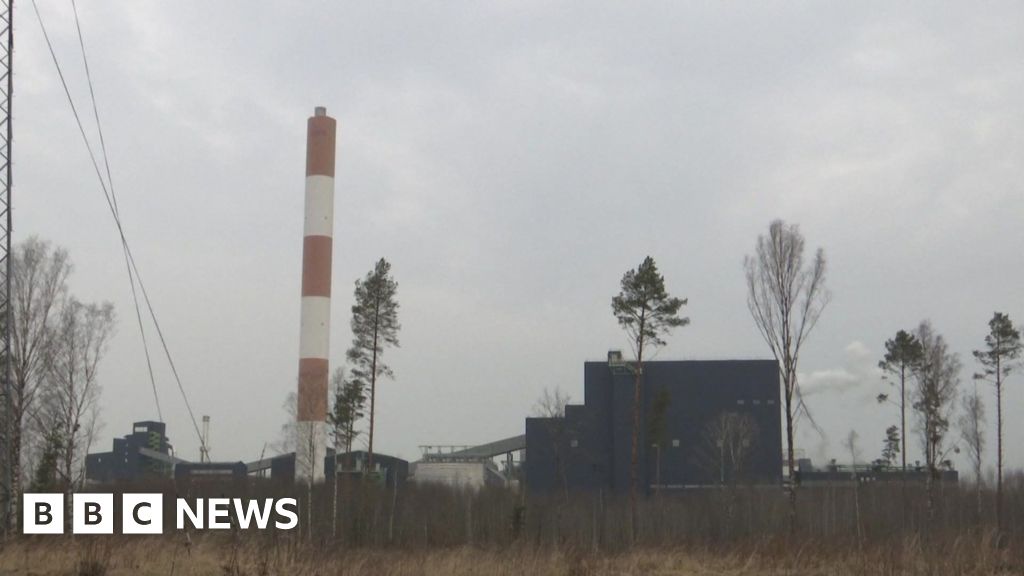

In a night marked by intensified hostilities, Ukraine launched a significant offensive against Russia‘s strategic port of Ust-Luga, located near the Estonian border. This daring attack underscores the ongoing volatility in Eastern Europe, where geopolitical stability remains precarious amidst a series of confrontations and strategic shifts. The incident, occurring simultaneously with other major events, signals a dramatic escalation that has not gone unnoticed by international stakeholders.
Analysts suggest that Ukraine’s tactical move against Ust-Luga is a calculated effort to weaken Russia’s logistical capabilities, aiming to disrupt its supply chains and exert pressure on Moscow. As noted by strategic experts at The International Crisis Group, this offensive could be a response to recent Russian military operations and political rhetoric that continues to push the region toward larger conflict. This act, combined with Russia’s own military posture, raises serious questions about the future security landscape. Meanwhile, the enduring presence of NATO forces and the backing of Western countries continue to shape the environment, with some viewing these events as part of a broader effort to deter Russian expansionism.
The geopolitical impact of these developments extends far beyond immediate military considerations. The attack on Ust-Luga not only threatens Russian economic interests but also signals a shift in Ukraine’s strategic stance, demonstrating an increased willingness to strike directly at Russian logistical hubs. For historians and analysts alike, such actions are seen as turning points—potential catalysts for a broader, more entrenched conflict. International organizations, such as the United Nations, remain watchful, yet their calls for restraint have so far failed to prevent a slide into open hostilities.
Undoubtedly, these confrontations are reshaping regional alliances and testing the resilience of diplomatic channels. Russia, faced with an unpredictable Ukrainian adversary and Western backing, finds itself increasingly isolated yet determined to defend its borders and strategic interests. Meanwhile, Ukraine continues to garner international support, framed by Western leaders as a bulwark of sovereignty against expansionist aggression. As these hostilities unfold, the stakes go beyond immediate territorial disputes — they threaten to ignite broader conflicts that could shape the future of European stability. As history watches this turbulent chapter, the world is left to ponder whether these incidents mark the beginning of a new Cold War era or a tragic escalation into a much darker future.






