Matox News

Truth Over Trends, always!

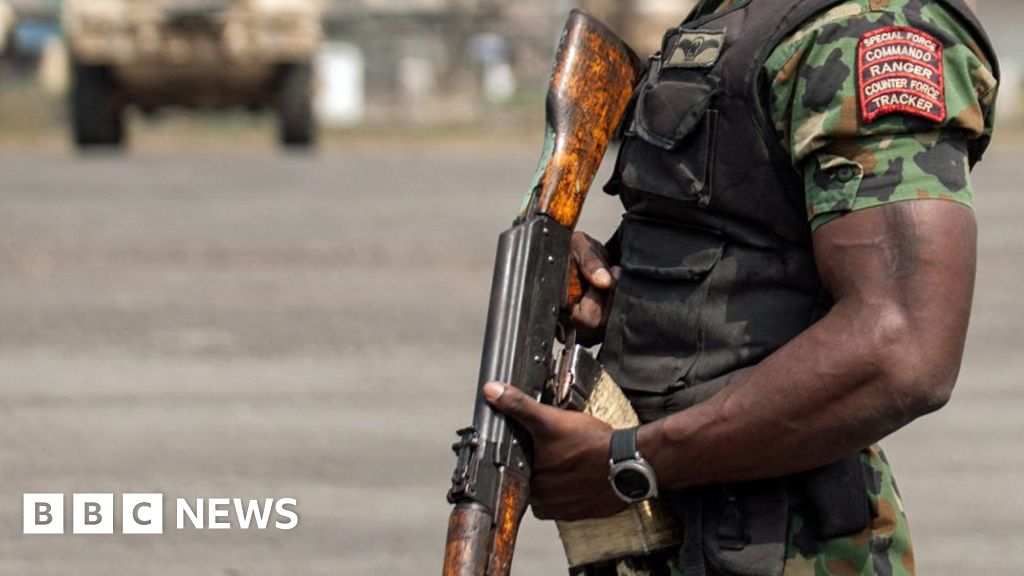
Gunmen massacre dozens in Nigeria amid U.S. military deployment escalation

The recent violence in the western state of Kwara has once again underscored the fragile security architecture in Nigeria’s socio-political landscape. According to local officials and eyewitness reports, shops and homes were torched in a brutal attack on two villages. The incident not only highlights persistent local tensions but also raises alarms about the broader stability of the region, which has long been a hotspot for communal conflicts and insurgent activity. As Nigeria grapples with multiple security challenges, analysts warn that uncontrolled violence could threaten national unity, calling into question the effectiveness of government strategies aimed at restoring peace.

The attack, described by a Kwara lawmaker, mirrors patterns seen elsewhere in Nigeria, where militant groups and ethnic tensions collide, often with devastating consequences. While authorities remain tight-lipped about the motives behind this specific assault, it comes amidst a rising tide of unrest across several northern and western states. International organizations, including the United Nations and regional bodies like the Economic Community of West African States, have repeatedly emphasized the importance of addressing root causes of violence—poverty, political marginalization, and unchecked militancy. Yet, the persistent outbreaks of violence suggest that these efforts are insufficient or perhaps hindered by deeper failures in governance and security cooperation.

Historically, analysts like Dr. Monica Brown of the International Crisis Group have pointed to Nigeria’s complex federation and ethnic mosaic as underlying factors complicating peace processes. As violence spreads and villages burn, fears are mounting among neighboring nations; the geopolitical impact extends beyond Nigeria’s borders, affecting trade, regional stability, and international perceptions of West Africa’s resilience. Countries such as Benin and Nigeria’s southern neighbors are on alert, knowing that unchecked violence can easily spill over borders—exacerbating an already volatile security environment.

In this turbulent landscape, the international community’s role remains critical. Some analysts point to the need for a cohesive strategy that combines military action with socio-economic reforms, emphasizing that true peace requires addressing systemic issues. As global powers weigh their interests, questions about sovereignty, intervention, and aid become increasingly fraught. The unfolding saga in Kwara is a stark reminder: history is never static, and today’s violence may well shape the continent’s future for generations to come. The flames of conflict burn fiercely, hinting at a turbulent chapter yet unwritten, and leaving the world to face the profound consequences of unresolved conflicts in Nigeria’s heartland.
Ukraine targets Russian tankers in Black Sea escalation

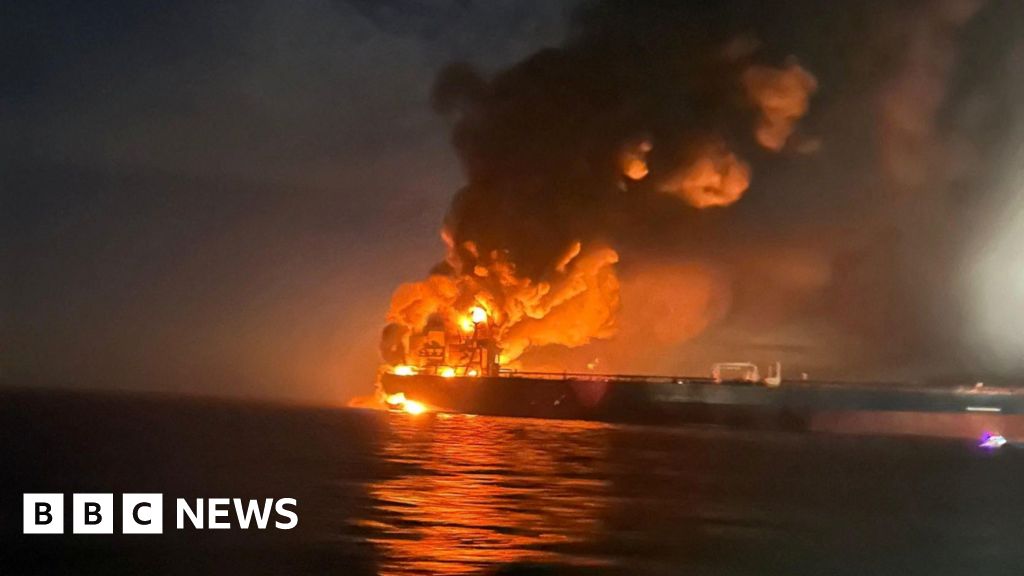
In a striking demonstration of the ongoing geopolitical conflict in Eastern Europe and the Black Sea region, Ukraine has reportedly launched a series of naval drone attacks against Russia’s shadow fleet vessels. Ukrainian officials confirmed that two oil tankers—named Kairos and Virat, both registered under the flag of Gambia—were targeted while traversing the contested waters near Turkey. Footage verified by the BBC shows waterborne drones, believed to be of Ukrainian design, speeding into the vessels before detonating into flames, creating plumes of black smoke. No casualties were reported, but the message was loud and clear: Kyiv is willing to escalate its efforts to undermine Russia’s resource-based revenue streams.

This escalation underscores a broader strategic shift aimed at crippling Russia’s financial capacity during its ongoing invasion of Ukraine. The vessels targeted are part of what analysts refer to as China’s “shadow fleet”: a network of aged, obscurely owned tankers used by Russia to circumvent international sanctions. Such actions are not isolated; they reflect Kyiv’s strategy to directly disrupt Russia’s economic lifelines, especially its oil exports, which are vital for funding its military campaign. International security experts, including those at the International Crisis Group, warn that these asymmetric tactics demonstrate that the conflict has extended beyond conventional battlefield engagements into the realm of economic sabotage.

Adding international complexity, Turkish authorities confirmed their cooperation in trying to control the repercussions of these attacks, with footage circulating of Turkish forces attempting to extinguish fires on the targeted ships. Meanwhile, the Black Sea remains a geopolitical flashpoint, with recent disruptions impacting broader trade routes and regional stability. The Ukrainian naval push is a stark warning to Moscow: ships carrying Russian oil are no longer safe from direct attack, signaling a new phase of relentless economic warfare. This move also coincides with a report that a major oil consortium has suspended operations in the Russian port of Novorossiysk, citing the recent attacks by unmanned boats—an ominous indicator of the war’s reach into commercial corridors.

On the diplomatic front, Ukrainian President Volodymyr Zelensky announced that a high-level delegation led by security official Rustem Umerov had traveled to the United States in pursuit of negotiations aimed at ending the conflict. This development comes amid internal political turbulence, following the resignation of Zelensky’s chief of staff, Andriy Yermak, after anti-corruption investigations. The delegation’s upcoming meetings with American officials in Florida signify a pivotal moment in Kyiv’s diplomatic strategy, attempting to secure continued Western support at a crucial juncture. Meanwhile, in Moscow, Russia continues to assert its presence, with US envoy Steve Witkoff preparing for discussions in the coming week—highlighting a global stage where diplomacy and military actions become increasingly intertwined.

The unfolding story in the Black Sea reflects a rapidly evolving vortex of violence, diplomacy, and economic warfare. Historians and security analysts warn that these developments mark a pivotal chapter in the ongoing struggle for regional dominance—one where the actions of a young nation like Ukraine threaten to reshape the geopolitical contours of Eastern Europe and beyond. As the world watches, one question rings ominously in the air: **How will history remember this relentless fight for sovereignty and strategic influence?** The answers remain uncertain, yet the weight of each decision echoes as a testament to a period of profound transformation—where the sea itself becomes a battleground for the fate of nations.

Israel strikes Gaza bus, kill eleven: Hamas warns of escalation

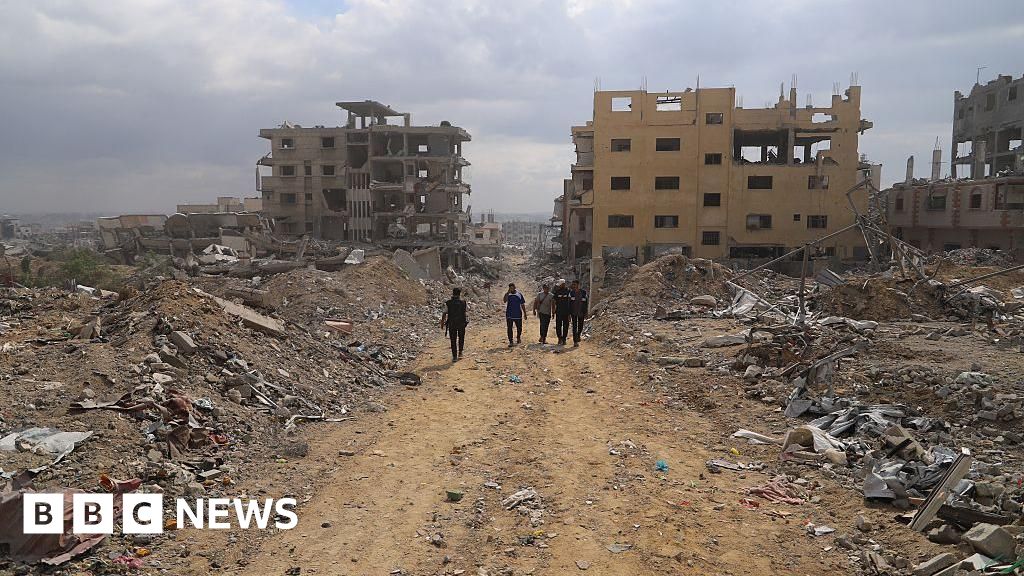
The recent surge of violence in Gaza underscores the fragile state of the current ceasefire, which was negotiated under immense international pressure. Despite claims of a temporary pause in hostilities, the situation remains volatile as *Israeli* military operations continue within the territory, notably in the northern regions where the tense borders demarcated by the so-called yellow line are still contested. The latest incident involving a civilian family tragically highlights how thin the veneer of peace remains, with reports indicating that 11 members of the Abu Shaaban family were killed when an IDF tank shell struck an apparently innocent bus while they were attempting to reach their home in Gaza City. Civil defence officials indicated that women and children were among the victims, marking a bleak milestone—the deadliest single incident since the ceasefire took effect eight days ago.

This incident signals a critical *turning point* in the ongoing conflict, raising questions about the *understanding of rules of engagement* and the efficacy of efforts to contain violence. The Israeli military contends that its soldiers targeted a “suspicious vehicle” crossing the demarcation line, which prompted warning shots that escalated unintended consequences. Yet, critics and Palestinian civil authorities vehemently argue that such strikes are disproportionate and unjustified, especially when civilians are involved. Hamas has accused Israel of outright targeting civilians, and *analysts* warn that these repeated breaches risk unraveling the fragile ceasefire, potentially igniting a new cycle of retaliation. As *International organizations* and *human rights advocates* call for restraint, the *geopolitical impact* of these events resonates far beyond Gaza, signaling a potential shift towards broader regional instability.

The ongoing presence of Israeli forces in more than half of Gaza’s territory is emblematic of the delicate balance of power that currently favors neither side. With many Palestinians unaware of the exact location of Israeli troop movements—owing to the absence of physical markers on the *yellow line*—the risk of accidental escalation remains high. Israeli Defense Minister Israel Katz announced plans to install visible signs to delineate the border, reflecting an effort to avoid further tragedies. Meanwhile, *Hamas* has criticized what it describes as Israel’s deliberate obstruction of search efforts for hostages and bodies, which further fuels mistrust. In a *warning* to the international community, scholars and *diplomats* warn that unless *hardline measures* are adjusted, the simmering conflict could spiral into a broader regional war, with repercussions for global security. The *geopolitical impact* reveals itself in how each side’s decisions ripple through their societies and influence international alliances, especially as the United States and European nations attempt to mediate amid this chaos.

Adding complexity to the crisis is the ongoing struggle over *hostage negotiations*. Last week, Hamas released Israeli hostage Eliyahu Margalit to the Red Cross, marking a rare moment of step toward de-escalation. However, *tensions* remain high, with Israel demanding the return of all remaining hostages and bodies, accusing Hamas of delaying compliance by the destruction wrought by its own strikes. The *U.S.-brokered ceasefire* resulted in the release of 250 Palestinian prisoners and the return of 20 Israeli hostages, but the debate over the complete reconciliation of the dead and the injured continues to haunt the fragile peace process. Analysts warn that any perceived lapse in fulfilling *de-escalation commitments* could quickly reignite hostility. The *historians* and *security experts* caution that such moments, if mishandled, risk turning into the defining conflict of our time, with wide-reaching implications for Middle Eastern stability. As the world watches, the shadows of history seem poised to repeat themselves, with each decision bearing the weight of generations, and the potential for a new chapter of tragedy—yet unwritten—hanging in the balance.

Social Media Auto Publish Powered By : XYZScripts.com



