Matox News

Truth Over Trends, always!

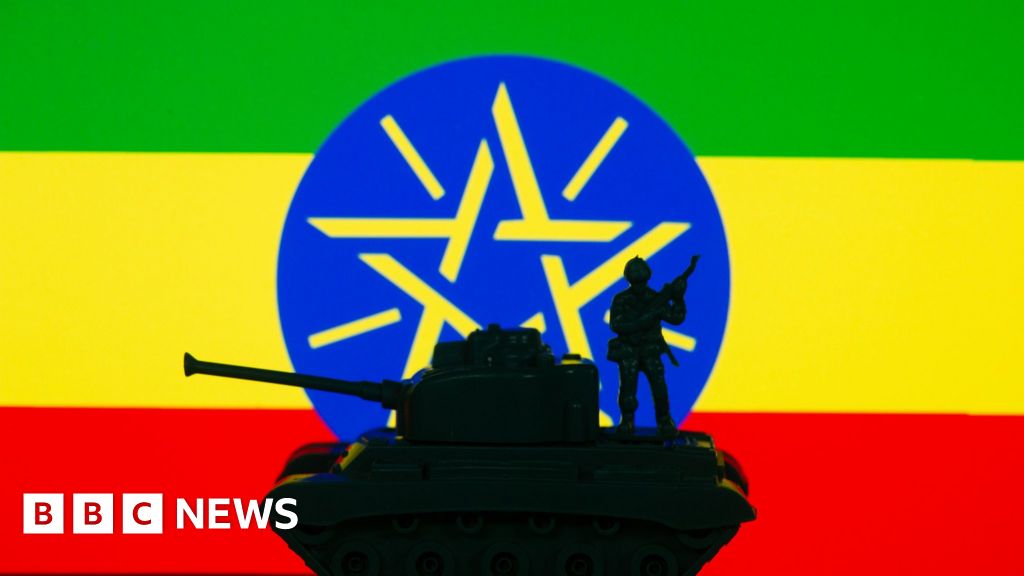
Could Ethiopia be teetering toward renewed conflict in Tigray?

Over three years after the formal conclusion of a bloody civil war in the Tigray region, a troubling new wave of displacement is sweeping through northeastern Ethiopia. Despite claims of peace and stabilization, reports indicate many civilians are once again fleeing their homes, underscoring the fragile nature of post-conflict reconciliation in the Horn of Africa. As these communities grapple with ongoing insecurity, the international community faces mounting pressure to address the persistent humanitarian crisis.

The recent spate of departures reveals a deeper geopolitical undercurrent. Ethiopian authorities continue to confront challenges tied to autonomy demands, ethnic tensions, and the lingering shadows of regional proxy conflicts. Analysts assert that the renewed Exodus is symptomatic of unresolved grievances and underlines the failure of political agreements to deliver lasting peace. Prominent scholars and international organizations, such as the United Nations and African Union, warn that without comprehensive reconciliation measures, the cycle of violence risks reigniting, destabilizing the entire Horn of Africa.

Historically, the Tigray conflict has been a flashpoint for regional and geopolitical tensions. The war, which erupted in late 2020, drew in neighboring countries, including Sudan and Eritrea, each pursuing their strategic interests. The involved parties, motivated by a mixture of ethnic, political, and economic motives, created a complex mosaic of alliances and confrontations. Experts like Dr. Samuel Scott, a historian specializing in African conflicts, emphasize that “the unintended consequence of external meddling has prolonged regional instability and undermined internal peace-building efforts.”

Current developments reveal an acute dilemma facing Prime Minister Abiy Ahmed and his government: how to reconcile national sovereignty with humanitarian imperatives. The recurrence of displacement highlights a disturbing reality—while the formal signing of ceasefires and peace accords marked a political milestone, actual on-the-ground progress remains elusive. The civilian suffering—a quiet, yet profound tragedy—also draws criticism towards international agencies: many argue that insufficient aid, mismanaged resources, and political inertia have failed to stem the tide of suffering.

As the world watches, history’s pen continues to write its haunting tale. The exodus from Tigray is not merely about people fleeing violence; it is emblematic of a broader geopolitical struggle over influence, sovereignty, and regional stability. Every displaced family, every makeshift shelter, echoes the unresolved conflicts that threaten to re-ignite at any moment. In the shadows of newfound peace, the question looms large: will the lessons of history be heeded, or are we doomed to repeat them?

Ethiopia Confirms Marburg Virus Outbreak, Urges Caution

Marburg Virus Outbreak in Ethiopia: A Growing Threat to Regional Stability

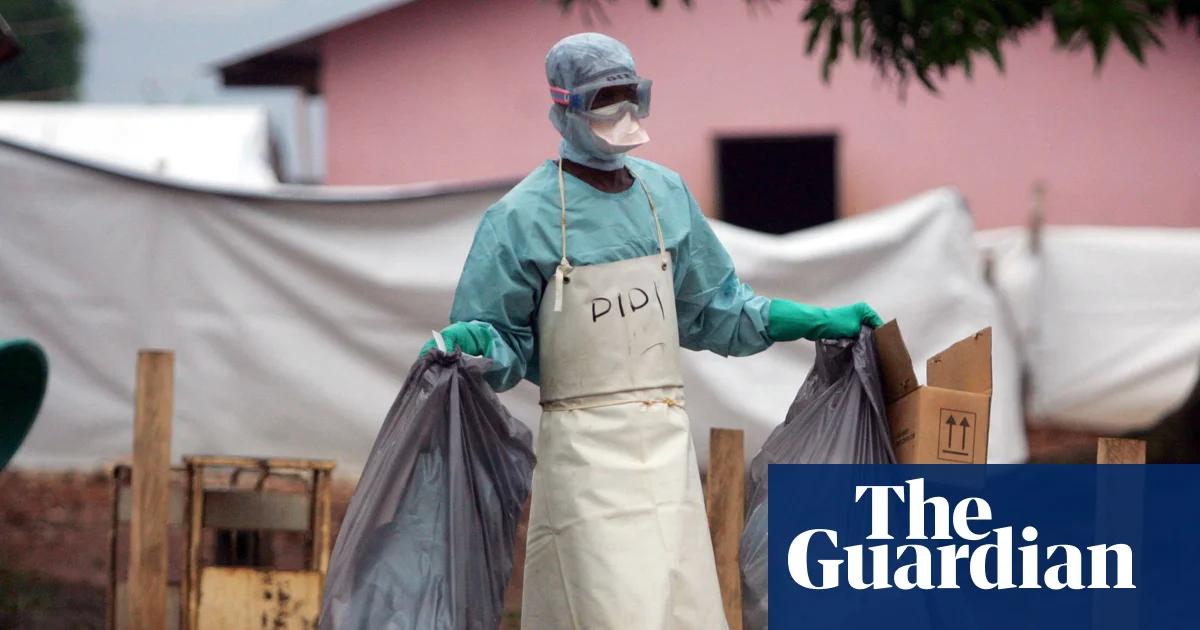
The recent confirmation of a Marburg virus outbreak in southern Ethiopia marks a significant threat not only to local populations but also to regional and international security. As reported by the World Health Organization, Ethiopia’s health authorities identified at least nine cases in the Jinka area, prompting urgent epidemiological investigations. This highly deadly pathogen shares similarities with the Ebola virus, including severe hemorrhaging, fever, vomiting, diarrhea, and a 21-day incubation period. The outbreak has reignited global fears over the potential for widespread contagion in a region already grappling with complex socio-political challenges.

Regional Ripple Effects and the Global Response

The Africa CDC indicated that the virus strain bears resemblance to those previously identified in East Africa, underscoring the risk of cross-border transmission. This recent emergence follows a disturbing pattern, with Tanzania experiencing a 10-death outbreak in January and Rwanda successfully containing its first known Marburg epidemic in December 2024, which claimed 15 lives. Despite these efforts, the absence of an approved vaccine or antiviral treatment remains a critical obstacle, elevating risks for affected communities. Experts, such as international health analysts, warn that without rapid and coordinated international action, the virus could escalate into a regional crisis, destabilizing fragile societies and worsening humanitarian vulnerabilities.

Geopolitical Implications and the Role of International Institutions

The U.S.-based Sabin Vaccine Institute has been trialing experimental vaccines, but the absence of definitive cures underscores the international community’s challenges in responding to outbreaks of this nature. The WHO and Africa CDC are working closely with Ethiopian health officials, but critics argue that more proactive measures are needed. The outbreak highlights how international health emergencies can quickly become geostrategic flashpoints, especially when the disease threatens to cross borders and overwhelm healthcare infrastructure. Moreover, the outbreak in Ethiopia raises questions regarding regional stability and security, as nations in East Africa face compounded threats—from political unrest to health crises—with each development shaping the broader geopolitical map.

Many analysts view the spread of deadly viruses like Marburg as a stern reminder of the interconnectedness of global health and security. Historians caution that pandemics in the modern era are not merely medical concerns but profound tests of government resilience and international cooperation. As United Nations-backed initiatives seek to contain the virus, the true challenge lies in achieving swift, effective action amidst geopolitical tensions. The outbreak serves as a stark illustration that in an increasingly interconnected world, threats like Marburg do not respect borders—transforming local epidemics into potential regional or even global crises.

The Crucible of History Begins with Today’s Decisions

As the shadow of mortality lengthens over Ethiopia, the weight of history presses upon world leaders and health systems alike. The unfolding story is one of urgency and uncertainty, where every decision could alter the course of history. Will the international community rise to confront this invisible enemy before it engulfs greater portions of East Africa? Or will neglect and disunity allow the virus to carve a path of devastation, reshaping societal structures and global alliances? Only time will reveal whether humanity can muster the resilience and unity required to stand against such unstoppable forces, in an era where health crises threaten to redefine the balance of power and the future of civilization itself.

Social Media Auto Publish Powered By : XYZScripts.com


