Matox News

Truth Over Trends, always!

Why Europe's Leaders Can't Find a United Voice on Iran
Why Europe’s Leaders Can’t Find a United Voice on Iran

European Nations Strike a Balance Between Cooperation and Divergence

In a pivotal moment on the international stage, European nations have publicly expressed a desire to enhance their collective cooperation amidst ongoing challenges. Yet, beneath the diplomatic rhetoric lies a fundamental reality: differing national priorities threaten to weaken the unity that the European Union has long touted as its cornerstone. As these nations seek to bolster their economic resilience and strategic standing, their diverging interests reveal a continent caught between unity and fragmentation—a historical pattern witnessed during previous geopolitical upheavals.

The recent summit saw European leaders emphasizing the importance of building a more integrated and resilient bloc. They highlighted initiatives aimed at streamlining economic policies, enhancing defense cooperation, and securing supply chains battered by recent global disruptions. However, analysts caution that these lofty goals are hindered by underlying divergences. Countries like Germany prioritize economic stability and energy independence, while France pushes for increased military integration and strategic autonomy. Meanwhile, Eastern European nations, wary of external threats, advocate for a robust security pact that diverges from the more diplomatic approach favored by Western partners.

Attention Turns to International Alliances and Global Power Shifts

This widening fissure among European nations occurs amid a rapidly transforming global landscape. With China rising as a formidable economic power and Russia asserting its influence in regional conflicts, European countries find themselves balancing national interests with collective security commitments. The influence of the United States remains a factor, with debates intensifying over NATO’s future role and burden-sharing among member states. The shift towards more autonomous European defense strategies—as exemplified in France’s push for a European Army—raises questions about future commitments to NATO and the stability of transatlantic relations.

To make sense of these developments, international organizations and think tanks have issued warnings. The International Crisis Group warns that “without a unified vision, Europe’s internal cohesion could erode, rendering it less capable of shaping its destiny in a tumultuous global order.” Historians point to the late 19th and early 20th centuries, where internal divisions within European powers led to catastrophic conflicts. Their lessons serve as a sobering reminder that divergent national interests, if left unaddressed, can fracture alliances and open the door to geopolitical chaos.

The Weight of History and the Unfolding Future

As Europe contends with internal disagreements and external threats, the continent finds itself at a crossroads—its choices echoing through history’s corridors. Will it forge a path toward genuine unity or succumb to the pressures of divergent national ambitions? The decisions made in the coming years will determine whether Europe emerges as a cohesive power capable of defending its values and interests or as a fractured mosaic vulnerable to external manipulation. For now, the debate continues, but the march of history waits for no nation—its next chapter unwritten, yet critically imminent.
Russia pushes back against Europe’s move to loan Moscow’s frozen funds to Ukraine

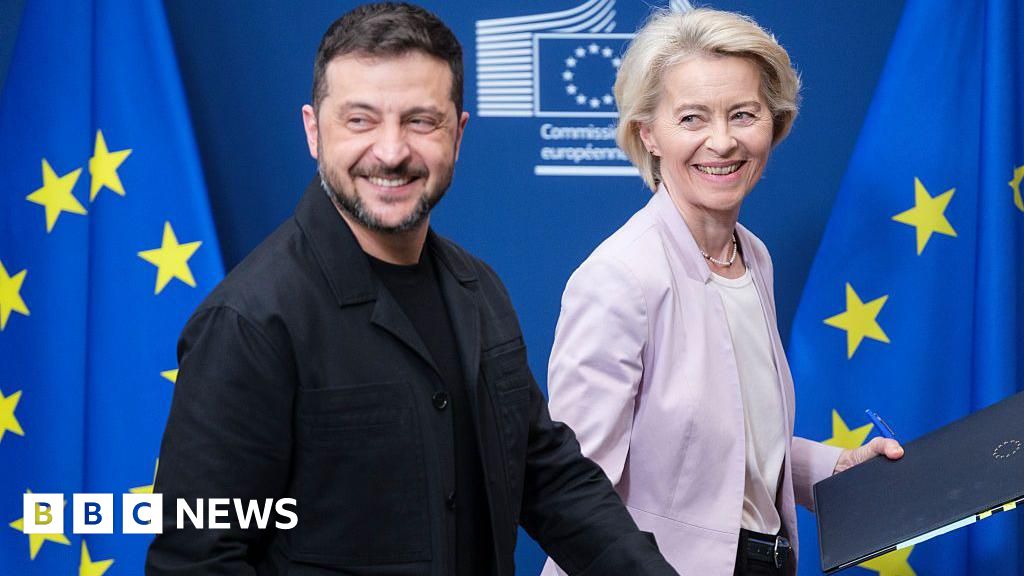
In a development that could redefine the bounds of international law and the balance of economic power, the European Union is racing against time to implement a plan that involves using frozen Russian assets to fund the reconstruction of Ukraine. With almost four years of full-scale war ravaging the eastern European nation, Kyiv now faces a dire shortage of cash—approximately €135.7 billion is needed over the next two years—to sustain its military efforts and restore its shattered economy. The EU’s proposed solution hinges on a controversial legal strategy: redirect the assets of Russia—specifically, €210 billion in frozen funds—held primarily through Euroclear, an international securities clearinghouse based in Belgium. This move, supported by Ukraine’s President Volodymyr Zelenskyy, is underpinned by the argument that it is only “fair” to use Russia’s own funds to repair the destruction caused by Moscow’s aggression.

Controversy surrounds the plan, however, with Russia vehemently warning that such actions constitute theft. Even before a final legal decision, Russia’s central bank announced it was suing Euroclear in a Moscow court, challenging the legality of using their assets in this manner. Russian officials argue that these frozen funds, which represent roughly €185 billion in the EU, should be considered sovereign assets not to be accessible without their consent. Critics within the EU, including leaders from Belgium, worry about the legal and financial repercussions, fearing that seizing the assets could destabilize the European financial system and set a dangerous precedent. Analysts warn that this could ignite a broader legal and economic crisis, testing the resilience of international banking regulations and the sovereignty of nations in the global financial network.

‘Only fair’ to seize Russian assets, says Kyiv

Kyiv’s stance is clear: Moscow’s destruction has left Ukraine critical infrastructure and societal wounds that require urgent repair, and seizing Russian assets is a moral and practical step. Zelenskyy emphasizes that the money should be used to rebuild what Russia has wrecked, framing it as part of a broader reparations effort. Meanwhile, German Chancellor Friedrich Merz asserts that these funds will enable Ukraine to effectively defend itself against future Russian assaults, reinforcing Europe’s geopolitical resolve to support Ukraine’s sovereignty and independence amidst ongoing conflict. This plan, however, is not universally supported—Belgium’s government, wary of legal and financial risks, demands rigorous guarantees before approving any seizure. Prime Minister Bart de Wever has called for strict conditions, emphasizing the potential risks posed to Belgium’s own financial stability.

In the background, international observers—including prominent historians and financial analysts—highlight that this unfolding crisis underscores the fragile equilibrium between justice, international law, and geopolitics. The EU’s move reflects a broader shift in how economic warfare is conducted in the 21st century, where assets frozen in international banks are viewed as potential leverage. But while some in Europe see it as a moral imperative, others fear this paradigm could undermine trust in the global financial system, emboldening powerful nations to seize assets under dubious legal pretenses. As the EU prepares to implement legislation to immobilize Russia’s central bank assets indefinitely, the outcome remains uncertain, casting a long shadow over the future of international financial order and the limits of sovereignty.

Amid this escalating tension, the specter of a new geopolitical era looms: one where the lines between law and power blur, and history’s next chapter is written in the currency of conflict and reconstruction. As the world watches, the weight of history presses down—whether on the foundations of peace or the crumbling pillars of international stability—leaving nations to ponder: How far can the pursuit of justice extend before the fabric of global order tears? Only time will reveal whether the current crisis will serve as a catalyst for new rules or a catalyst for chaos, dictating the course of history’s unfolding story.

German Chancellor warns leaders: Ukraine decisions now will shape Europe's future — live updates
German Chancellor warns leaders: Ukraine decisions now will shape Europe’s future — live updates

In an era marked by escalating tensions and shifting alliances, Europe’s security landscape has been dramatically reshaped by recent developments between NATO members and Russia. The strategic move by Norway to bolster its defenses through a groundbreaking deal with the UK exemplifies the renewed focus on undersea warfare and infrastructural resilience. Norwegian Prime Minister Jonas Gahr Støre recently visited London to formalize a pact aimed at “hunting Russian submarines” and safeguarding vital undersea cables—lifelines of modern communication and energy—highlighting the mounting threat Russia poses beneath the waves. This new accord, symbolically named “Lunna House,” pays homage to covert WWII operations, but today signifies a modern response to Russia’s assertiveness in the Arctic and North Atlantic domains.

The geopolitical impact of this alliance extends beyond bilateral cooperation. It underscores a broader NATO strategy to counter Moscow’s influence, especially as Vladimir Putin describes ongoing Ukraine peace negotiations as “necessary,” yet riddled with “unacceptable” proposals. The Russian leader’s cautious endorsement of these talks reflects Moscow’s recognition of the economic and military pressures intensifying from Western allies. Meanwhile, key NATO players, particularly Germany and France, are urging unity in the face of an aggressive Russia, with German Chancellor Friedrich Merz warning that the decisions made today “will decide Europe’s future” amid fears of imperialist ambitions from the Kremlin.

Adding layers to this geopolitical chessboard, France’s Emmanuel Macron recently engaged in high-stakes diplomacy with Xi Jinping of China. During his visit to Beijing, Macron emphasized the importance of cooperation to “end the war in Ukraine” and foster economic and environmental stability. This move is part of a broader French effort to shore up its influence and secure commercial advantages in a global arena increasingly polarized by U.S.-China rivalry. Meanwhile, China, positioning itself as a “reliable partner,” seeks to navigate trade frictions with the EU while presenting an alternative global market, even amidst tensions over its subsidized electric vehicle industry. The international stage is thus set for a complex web of diplomacy, with European leaders caught in the crossfire of Russia’s eastern ambitions and China’s rising global influence, both vying for strategic dominance.

The American perspective remains sharply divided, as former President Donald Trump suggests that Moscow’s recent peace negotiations are “reasonably good,” indicating that Putin may prefer a deal under current circumstances. Yet, the uncertainty over what comes next underscores a fragile international order, with US and European policymakers unsure whether diplomacy can contain an increasingly aggressive Russia. And with the European Union embroiled in debates over the fate of frozen Russian assets—some nations, like Belgium, resisting the EU’s proposals—an internal fracture threatens to undermine collective resolve. The EU leaders are working desperately to reach consensus in the upcoming summit, aware that their decisions could have long-lasting consequences for the continent’s geopolitical future.

As the world watches these unfolding events, the shadow of history looms large. Each alliance forged, each negotiation held, echoes past conflicts and silent struggles for dominance. The relentless march of history has brought us to a precipice, where today’s choices could define generations. With Europe’s destiny hanging in the balance and the great powers maneuvering beneath the surface, one thing remains clear: the voyage through this turbulent era is far from over, and the tides of geopolitics continue to forge a new chapter—one that history will either laud or condemn.

US military in Kyiv amid Europe’s warning on Russia’s peace proposal

International Power Struggles Intensify Amid Ukraine Crisis

The United States has dispatched its most senior military officials to Ukraine in what appears to be a significant escalation in diplomatic efforts. Senior Pentagon officials, including Army Secretary Dan Driscoll and top military commanders, arrived in Kyiv amidst reports of behind-the-scenes negotiations aiming to broker a peace plan. This unprecedented visit underscores a rising geopolitical contest involving Washington, Moscow, and Kyiv, with the stakes extending far beyond Ukraine’s borders. Analysts emphasize that the presence of such high-ranking officials signals a deliberate attempt by the US to influence the course of the conflict, potentially shaping future borders and alliances in Eastern Europe.

Meanwhile, reports have surfaced of a clandestine draft 28-point plan crafted jointly by American and Russian intermediaries. Details suggest this proposal would require Kyiv to cede territories in the Donbas region, dramatically reduce its armed forces, and relinquish some military capabilities—a series of concessions that Ukrainian President Zelensky and his government have categorically rejected. Experts, including seasoned analysts from international think tanks, warn that such concessions could merely serve as a prelude to Moscow’s broader strategic aims—eroding Ukrainian sovereignty and reasserting Russian dominance in the region. The absence of formal participation from EU officials in these negotiations raises fears that the proposed framework might be significantly skewed in favor of Moscow, further destabilizing the fragile balance of power in Europe.

The European Union, worried about the potential erosion of Ukraine’s sovereignty, has voiced stern warnings. EU foreign policy chief Kaja Kallas emphasized that any lasting peace must involve Ukrainian consensus and European backing, dismissing the notion that Kyiv should accept capitulation. Concurrently, French Foreign Minister Jean-Noël Barrot reiterated the unwavering stance that Ukraine “does not want any form of capitulation.” This resistance highlights the broader geopolitical impact: a divided Western stance on how best to support Ukraine’s independence while avoiding outright capitulation to Russia’s demands. Meanwhile, Moscow continues to discredit talks, with Kremlin spokesman Dmitry Peskov denying that any formal negotiations are ongoing, though reports suggest secret meetings and backchannel talks are intensifying.

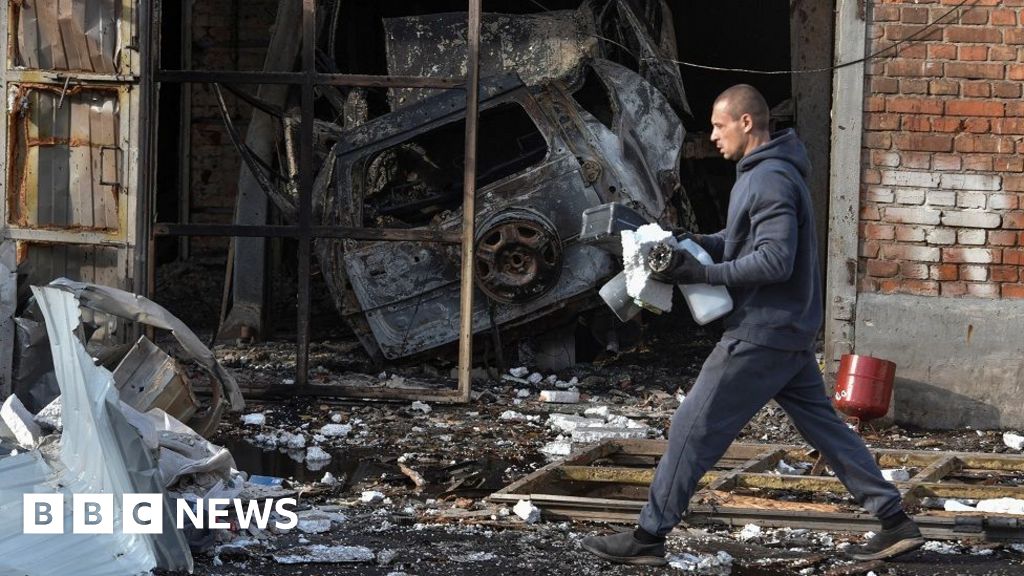
In the midst of diplomatic tension, Ukrainian cities remain under brutal attack. On Wednesday, Ternopil suffered a devastating missile and drone strike, killing at least 26 civilians and leaving many more missing. This ongoing assault underscores the high human cost of the conflict and raises questions about the real intentions behind these diplomatic maneuverings. While Kyiv’s leadership has firmly stated its refusal to surrender territory, the relentless violence illustrates that the war’s conclusion remains elusive. As President Zelensky observed from Turkey, the conflict’s humanity is being sacrificed on the altar of geopolitical power plays, and the world bears witness to a brutal chapter yet unresolved.

History’s pages are turning in Ukraine, with the trajectory of the conflict potentially steering the future of Europe and global order. As the US and Russia trace tentative pathways toward a resolution—with concessions that threaten to redefine sovereignty—the weight of this moment echoes through history. The choices made today could either restore peace or deepen the scars of a war that endures in the memories of a battered nation. As the shadows of history unfurl, the world stands at a precipice, watching with bated breath as the delicate balance of power teeters, and the fate of Ukraine hangs in the balance—untainted, unresolved, and waiting for the next chapter to be written.

Europe’s Youth Stand Firm Against Russia’s Shadow Fleet Threat

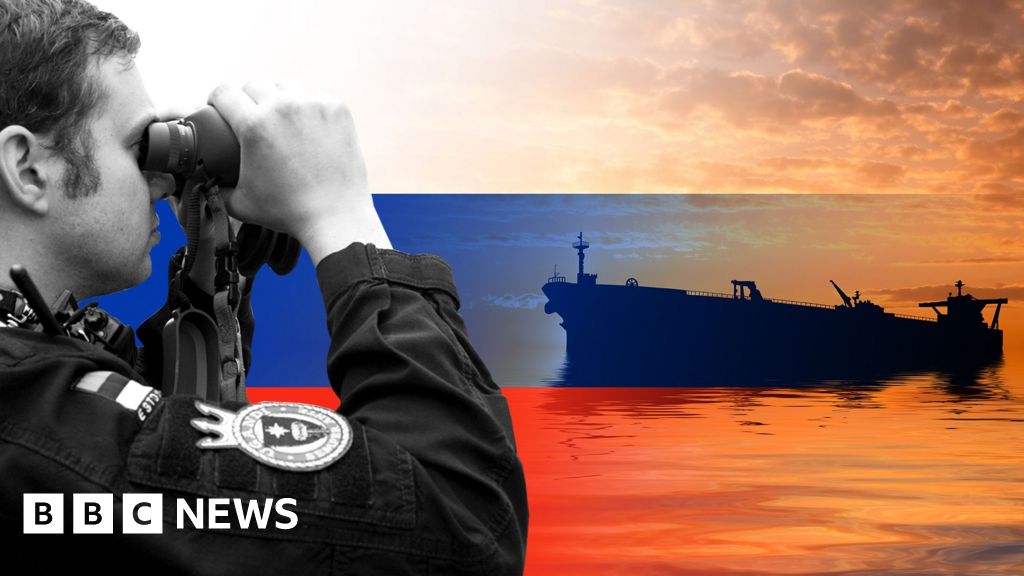
In the waters of the west Baltic, a tense game of maritime cat-and-mouse plays out silently yet intensely. Europe’s coastguards and navies have become the frontline defenders in the ongoing battle over Russian energy exports, with an invisible war waged through covert shipping operations. As Russia continues to counter Western sanctions with a sprawling shadow fleet of unflagged, often stateless tankers, the delicate balance of global maritime law faces unprecedented challenges. Analysts warn that these clandestine activities do not merely signify evasion but threaten the entire rules-based international order, risking environmental disaster and escalating geopolitical tensions.

The shadow fleet refers to a network of hundreds of vessels allegedly used to bypass Western sanctions and cap regulations on Russian energy exports. Observers like historians and maritime analysts warn that this phenomenon marks a significant shift as Russia’s revenues from oil still impressively sustain its economy—revenue that, despite being scrutinized, continues to flow at a substantial clip. According to the International Energy Agency, Russian oil sales in October totalled over $13 billion, with a majority shipped through these questionable vessels. These ships, often cloaked in false flags and with concealed ownership, are not just logistical gambits but are also suspected of engaging in undersea sabotage, illicit drone operations, and deliberate “spoofing” of their locations. The difficulty lies in enforcement: maritime law grants navigational freedom, but stateless vessels are technically not entitled to this, complicating interdiction efforts in international waters.

This clandestine activity has profound geopolitical impact. Countries bordering Russia, like Estonia, are witnessing an alarming increase in vessels passing their waters—often under the guise of legal passage but with suspicious routes and questionable flags. Commodore Ivo Värk of Estonia’s navy describes how dozens of ships, once rare exceptions, are now a routine sight. These vessels, like the tanker Unity, trace complex routes that include frequent trips through the English Channel and across the North Sea—areas traditionally associated with peace and navigation rights. Since 2021, Unity has changed flags multiple times, from Singapore to the Marshall Islands and more recently claiming a false Lesotho registry, highlighting the deliberate obfuscation designed to evade detection. The global shadow fleet now consists of over 450 vessels, according to the IMO—a stark increase that underscores the erosion of accountability in maritime commerce.

International organizations and governments find themselves in a precarious position, with their ability to enforce sanctions hampered by the vessels’ maneuvering tactics. As Europe and the United Kingdom tighten port and transit bans, Russia’s revenues persist, thanks largely to these shadowy ships. The Centre for Research on Energy and Clean Air reports that over 60% of Russian crude exports are now funneled through sanctioned or suspect ships, with emerging markets like China and India emerging as primary buyers. The dilemma for Western policy is stark: stronger actions risk escalating tensions and even provoking direct confrontation, yet the current approach appears insufficient to stem the flow. The BBC reports that vessels like Unity have repeatedly operated despite technical failures, crew changes, and even detentions—further evidence that the shadow fleet has become an entrenched part of Russia’s strategy to sustain its geopolitical interests.

The escalating clandestine naval activities foreshadow a new chapter in the theatre of international conflict—one where maritime law is challenged, the environment endangered, and the global economy under silent stress. As the West endeavors to tighten its grip and suffocate Russia’s energy lifelines, the shadow fleet responds with ingenuity and defiance, cloaking its movements in technological subterfuge. With each passing day, the rules of navigation are tested, and the foundations of modern geopolitics tremble under the weight of unresolved rivalries. In this unfolding saga of maritime shadows, the question remains: how long can a world grounded in law survive when its most powerful instruments are manipulated in the depths of international waters? The course of history now hangs in the balance, awaiting the decisions that will shape the future of global order amid the relentless pursuit of energy and influence.

Tusheti: Ireland of the Caucasus — Europe’s Untamed Mountain Gem for the Bold and Free

Discovering Tusheti: A Mountain Wonderland of Tradition and Inspiration

Few regions in Europe embody the spirit of **adventure and resilience** quite like Tusheti. Nestled deep in the Caucasus mountains, this remote northeastern Georgian enclave is a testament to the enduring power of _local traditions_ and the unspoiled beauty of untamed landscapes. Accessibility itself is an adventure—only reachable via a treacherous, winding gravel road that ascends to over 10,000 feet during the brief summer months, revealing vistas that seem straight out of a storybook. For youthful explorers and culture seekers alike, Tusheti offers a _unique lifestyle_ experience—where rugged wilderness meets age-old customs, creating a place that beckons the **curious** to *embark on a journey of discovery*.

Stepping into Tusheti is like entering a _living museum_, where the remnants of medieval fortresses and traditional shepherding life tell stories of resilience amid **harsh winters**. Among the region’s highlights is Omalo, the gateway city crowned by the ancient Keselo Fortress, serving as the hub for _exploring the surrounding villages_. From the intricate wool textiles of Dartlo to the steep hilltop ruins of Kvavlo, each hamlet preserves its unique _heritage_, artfully woven into the fabric of daily life. The local cuisine, built around _pastoral dairy and hearty meats_, offers a taste of _authentic Georgia_, with dishes like **khinkali** and **khachapuri** serving as staples for travelers craving _simple yet flavorful_ fare. In a world increasingly driven by fast-food culture, Tusheti’s _slow-cooked traditions_ stand out as an inspiring reminder to prioritize **quality, community, and authenticity**.

Beyond its landscape and food, Tusheti’s _rich spiritual landscape_ fuses pagan practices with Orthodox Christianity—an unbroken thread that connects past and present. Visitors encounter _stone shrines, sacred spaces_, and _animal skulls_ that symbolize protec­tion and reverence for _deities and ancestors_. The region’s _festivals_, such as Mariamoba and Mzebudoba, celebrate _deceased loved ones_ and natural cycles, fostering a _sense of _linking past and future_. Such rituals underscore a core insight: _well-being_ is deeply rooted in _cultural identity_ and _connection to nature_. Engaging with these traditions offers more than just _curiosity_—it sparks _personal reflection_ on _purpose_ and the _value_ of _preserving _our roots_, inspiring a broader appreciation for _living in harmony with our _ancestral_ heritage_.

Embracing a Life of Adventure and Tradition

Living in today’s world often prompts a _rushing pursuit of _new experiences_, but Tusheti reminds us that _meaningful _lifestyle_ development is _about _balance_. From the _mountain pastures_, _shepherds_ lead _tens of thousands of sheep_ to graze, embodying _sustainability_ and _patience_. Meanwhile, _local artisans_ craft _woolen socks_ and _elaborate carpets_, demonstrating that _art_ and _craftsmanship_ can be _sources of _personal _and _community _renewal_. For the adventurous youth eager to _reshape their _lifestyle_, Tusheti offers a _blueprint_: embrace _authenticity_, cherish _tradition_, and activate _your _sense of _exploration_. Whether it’s _trekking ancient _paths_, _learning _new recipes_, or _participating in _rituals_, each moment _becomes a _brick_ in _building _a _more _resilient _and _meaningful life_.

Final Reflection

In a world obsessed with _speed_ and _instant gratification_, Tusheti stands as a _beacon of _slow living_ and _deep _connection_. Its _untamed serenity_ invites _all who seek_ to _embrace_ _their _own _adventure, _not just in _the _mountains, but _within themselves_. As Georgian writer Eka Tkadze once mused, _”To truly live, one must _seek _the _heart of _the _mountains, _where _tradition and _nature _converge.”_ For the _youth_ daring to _step _beyond _the familiar, Tusheti beckons as a _reminder_: that _a _fulfilling life_ begins when we _honor _our _heritage_, _pursue _adventure_, and _stay _true to _the _values_ that make us _whole_. #Embrace _the _journey, _and _let _it _lead _you _home_.

Europe’s coolest capital is leveling up—stay ahead of the vibe wave

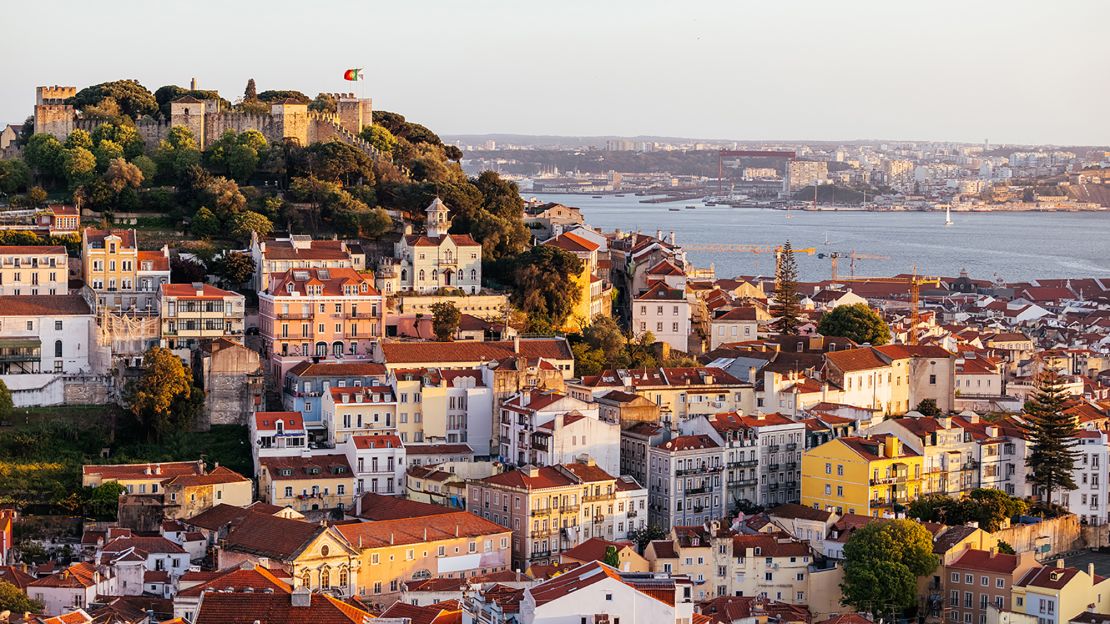
In recent years, Lisbon has experienced a remarkable renaissance, transforming from a classic European capital into a hub of youthful energy, multicultural flair, and entrepreneurial spirit. This vibrant city, perched high above the River Tagus and winding into the hills, now draws the world’s young travelers, digital nomads, and cultural explorers seeking a dynamic lifestyle destination. With its affordable rents, electrifying nightlife, and a rich tapestry of streets brimming with tradition, Lisbon exemplifies the compelling shift towards an urban renaissance that combines historical reverence with modern vitality.

The pulse of Lisbon’s revival is felt not just on the streets but deep within its culture and cuisine. The city’s local pride shines through when you walk its neighborhoods—the Belem district’s famed pastel de nata pastries, Fado singers in Alfama echoing romantic tales, and gatherings celebrating their patron saint, St. Anthony, with sardines and local wine spilling into the alleys. This city’s confidence is evident in its residents, who are now embracing their Portuguese identity unapologetically. Local authorities and cultural figures, like renowned chef José Avillez, highlight how in the midst of modern innovation, the soul of Portugal’s culinary art remains rooted in essential ingredients, simple love, and a уважениеrespect for tradition.

The city’s seafaring history is equally central to its identity. Lisbon’s connection to the Atlantic Ocean persists along its wide riverbanks and historic monuments like the Padrão dos Descobrimentos. This long-standing maritime pride is embodied by modern explorers such as solo sailor Ricardo Diniz, who continues the legacy of Portuguese adventurers with every voyage. The spirit of discovery fuels Lisbon’s ongoing narrative—a narrative not merely of exploration but of pride in cultural resilience and entrepreneurial spirit. The city’s resurgence has been fueled, in part, by outsiders—travelers, entrepreneurs, and expats—who fall in love with its confidence and authenticity, and spread the city’s newfound reputation globally.

  • Visit local markets and taste the fresh sardines during the Festival of St. Anthony for an authentic experience.
  • Explore Lisbon’s historic districts such as Alfama and Mouraria, where music, history, and tradition intertwine.
  • Indulge in Portuguese cuisine, from Michelin-starred restaurants to humble cevicherias, celebrating a culinary soul that marries tradition with creativity.

For many, Lisbon’s story isn’t solely about tourism but about a lifestyle shift—a conscious embrace of a life that balances the past with the present. Influenced by cultural icons and wellness experts advocating for a mindful and connected lifestyle, young people are finding that this city offers more than just scenic beauty; it offers a journey of self-discovery. From its historic maritime museums to its contemporary art galleries and lively cafes, Lisbon invites its visitors to reflect on what it truly means to be proud of one’s roots while courageously stepping into the future. As the city continues to evolve, it reminds us that a community’s spirit and history are not nostalgic relics but the foundation of a vibrant, inspiring life tomorrow.

Europe’s skies at risk: Cost cuts and staff shortages threaten air safety, warns industry study

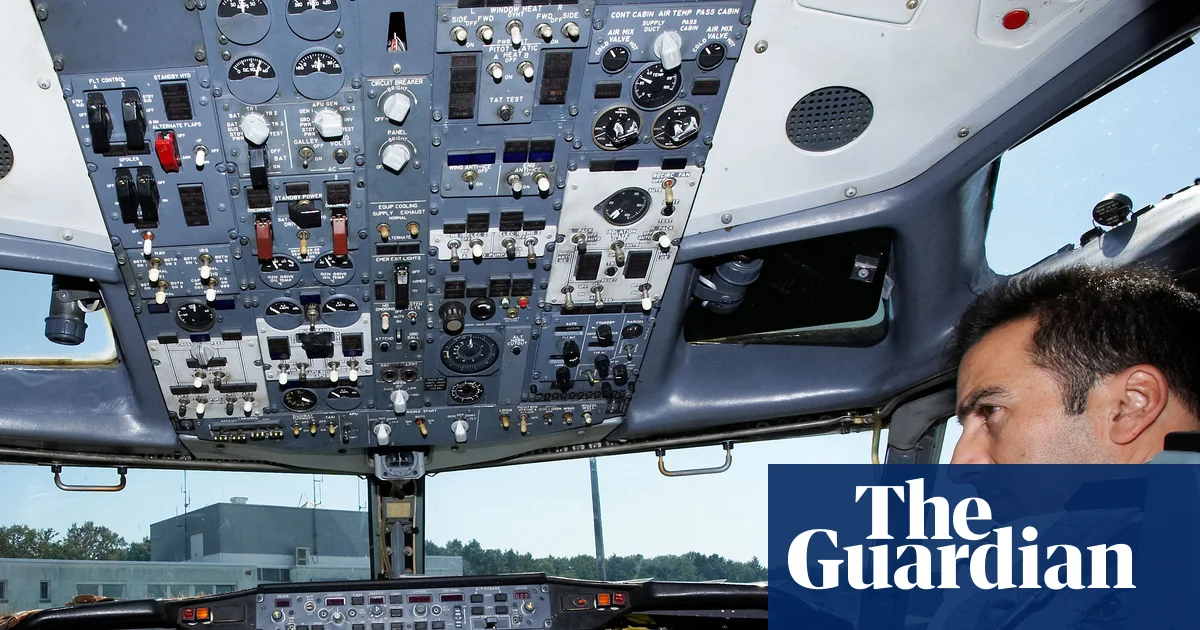
In a sobering revelation that casts doubt on the future of European aviation safety standards, a comprehensive study by Ghent University exposes dangerous shifts within the airline industry driven by relentless cost-cutting and corporate greed. As airlines prioritize profits over personnel welfare, pilots and cabin crew are pushed to work increasingly long shifts while feeling pressured to hide signs of exhaustion—factors that critically undermine passenger safety. This alarming trend, accelerated by the pandemic’s aftermath, signals a potential erosion of the continent’s once-robust safety protocols that, according to international safety experts, could have grave consequences for global aviation stability.

What is particularly troubling is the growing role conflict faced by airline staff, who are asked to juggle commercial responsibilities—such as onboard sales of alcohol and perfumes—with their fundamental duty to ensure passenger safety. The study highlights how a “Swiss cheese model” of systemic safety weakens with each cost-driven decision, creating “holes” where oversight fails. This phenomenon poses a significant geopolitical impact; with Europe striving to maintain its credibility as a leading aviation hub, these internal fissures threaten its reputation amid an increasingly competitive global industry dominated by low-cost carriers. International organizations and aviation analysts warn that a decline in safety could give rise to unforeseen disasters, risking not just lives but also damaging Europe’s hard-won stature in international civil aviation.

Underneath these systemic failures lies a troubling deterioration in crew morale and mental health. Nearly 70% of airline workers surveyed report falling below the threshold for positive mental health, with many describing a dehumanizing environment marked by fear, job insecurity, and a blatant lack of regard for their physical and psychological wellbeing. The phenomenon of “management by fear,” as experts call it, fosters a toxic workplace culture where safety is secondary to profit margins. Critics, including leaders of pilot unions such as Ignacio Plaza of the European Cockpit Association, warn that such conditions are not sustainable and could catalyze a crisis of confidence among industry professionals—crucial stakeholders for global flight safety. Historically, a well-trained, motivated workforce is the backbone of an aviation sector’s resilience, and the current trajectory risks making Europe a cautionary tale for the world.

As the international community watches, the question remains whether these trends will be addressed before they culminate in tragedy. The international aviation community—including the International Air Transport Association—has so far responded with muted concern, but assessments from top safety analysts suggest that urgent reform is needed. The choices made today—favoring short-term profits over the long-term integrity of safety systems—may yet define the legacy of this era. History, after all, often repeats itself, and the looming realization is that the caller’s whistle may come too late if decisive action isn’t taken. As the industry stands at this perilous crossroads, the weight of history presses down, reminding us that every decision now shapes the stories that future generations will recount—whether as cautionary lessons or as turning points toward renewal.

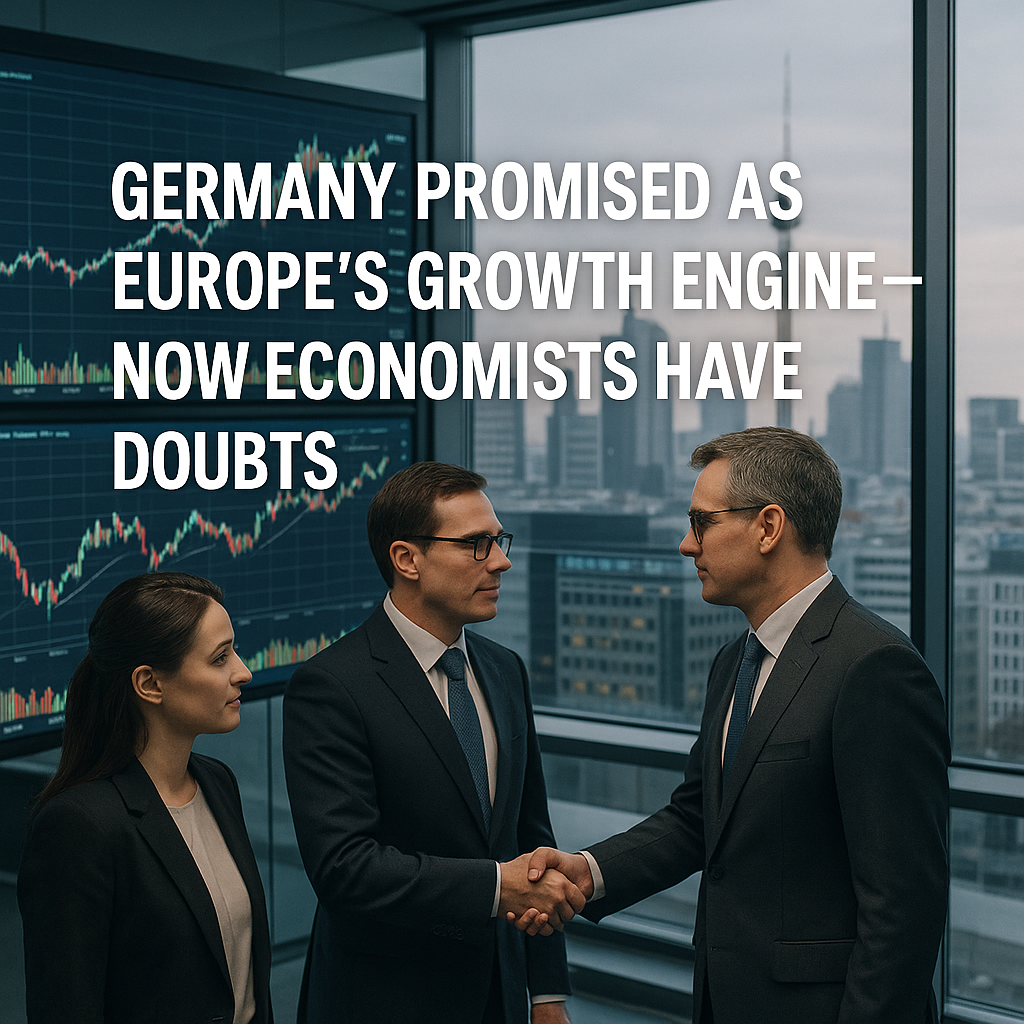
Germany Promised as Europe’s Growth Engine—Now Economists Have Doubts

Germany’s Economic Gambit: A Race Against the Clock

The global economic landscape remains a game of strategic moves, and Germany finds itself at a pivotal crossroads. Earlier this year, the nation embarked on an ambitious economic overhaul, backed by substantial fiscal reforms and record-setting investment pledges. The government aimed to ignite a domestic revival and serve as a catalyst for the beleaguered euro zone economy. Notable among these initiatives was the suspension of its long-standing debt brake, a policy that historically constrained government borrowing. This measure, combined with a €500 billion infrastructure and climate fund, seemed poised to electrify Germany’s sluggish economy and ripple positively across Europe’s markets and policies.

However, the initial optimism is now facing a sobering reality check. Despite the massive fiscal initiatives, recent data paints a subdued picture. While the first quarter of 2025 saw a modest 0.3% GDP growth, the subsequent quarter reversed course with a 0.3% contraction. These figures reveal the profound challenge policymakers face—a delayed impact of fiscal stimulus in a nation where “it takes time to spend money,” as noted by Berenberg’s chief economist Holger Schmieding. Although defense orders and infrastructure investments are witnessing a “major rise,” the actual output remains sluggish, indicating that Germany’s economy is struggling to translate promises into tangible results. The market impact is clear: investors and analysts are questioning whether Germany’s grand plan can achieve its transformative potential within the expected timeline, or if it risks falling short amid persistent structural headwinds.

Meanwhile, eligibility for fresh risks emerges from the broader policy landscape. As Franziska Palmas of Capital Economics highlights, the expansion of fiscal space—notably the additional government spending on pensions, healthcare, and social benefits—could push Germany’s deficits “much higher” than initially planned. This surge in borrowing and spending, while offering near-term growth, risks sowing seeds of long-term fiscal instability if not carefully managed. Economists warn that this expansion may be more a short-term boost than a sustainable path to prosperity, with some foreseeing a higher deficit over the coming years and a potential increase in inflationary pressures. As such, Germany’s shift toward more aggressive fiscal policies is a double-edged sword—offering an economic shot in the arm but raising questions about debt sustainability, policy credibility, and the risk of overheating an already fragile recovery.

Looking ahead, the prospects for Germany—and by extension, the euro zone—remain uncertain. Leading economic institutes have recently revised down their growth forecasts, now projecting a potential expansion of just over 1% in 2026. Berenberg and others estimate that even with the fiscal stimulus, Germany’s contribution to euro-zone growth might be modest—approximately 0.2-0.3% of additional growth—highlighting how complex and interconnected the European economy’s rebirth will be. The European Central Bank’s recent interest rate cuts and renewed optimism about Spain’s vibrant growth further complicate the picture, hinting that the EU’s recovery depends on a delicate balance of regional cooperation, fiscal discipline, and geopolitical stability. Still, the turning point remains clear: Germany’s ability to transition from a brief daze of recession to sustained growth could shape Europe’s future economic stratification and power dynamics.

As the pulse of national economies continues to beat, the global stage watches keenly—a testament to how critical short-term policy decisions are in shaping future power structures. The coming months will determine whether Germany harnesses its fiscal might into lasting prosperity or falls prey to the perils of overextension and untapped potential. In this fragile balance, the story of Germany is also the story of Europe and, ultimately, the epic quest for economic dominance in an era defined by swift change, fierce competition, and relentless innovation.

Social Media Auto Publish Powered By : XYZScripts.com