
Matox News

Truth Over Trends, always!

Beirut Evacuees Forced to Sleep in Tents and Cars Amid Crisis

The ongoing confrontation in the Middle East has once again exposed the fragile geopolitical stability of the region, with Lebanon and Israel at its heart. Recently, residents in the southern Beirut suburb of Dahieh, a known Hezbollah stronghold, have been forced to abandon their homes following escalated air strikes by Israel. Reports from BBC Arabic’s Carine Torbey depict a scene of chaos, with displaced civilians taking refuge in makeshift shelters—tents and cars—highlighting the human toll of this conflict. This latest wave of violence underlines how regional tensions threaten to spiral into a broader conflict with devastating consequences for the Lebanese society and beyond.

The escalation in Lebanon represents a pivotal point amid ongoing regional instability. Hezbollah, backed by Iran and considered a formidable militant organization, maintains an influential presence in Lebanon’s political landscape. Its involvement has long complicated efforts toward peace and stability in the Levant, often drawing Israel into dangerous confrontations. Historically, analysts like Middle East expert Dr. Jonathan Spyer warn that any military escalation risks transforming into a wider regional conflict, especially given the fragile balance of power among global actors. The recent strikes, reportedly targeting missile caches and militant infrastructure, exemplify Israel’s strategic aim to weaken Hezbollah’s operational capabilities—yet, this approach risks igniting a larger, unpredictable conflagration.

International institutions and governments are watching with grave concern. The United Nations has issued cautious statements, urging restraint but offering little to prevent the mounting violence. Meanwhile, regional powers such as Iran and Saudi Arabia navigate their own interests—balancing support for allies with the urgent need to prevent full-scale war. The escalation in Dahieh not only reflects localized tensions but also signals the potential for broader upheaval across the Levant, where history repeatedly reminds us that conflicts here have long-reaching repercussions. European and American policymakers are urged by security analysts to prepare for the possibility that these clashes could destabilize markets, refugee flows, and diplomatic efforts for years to come.

As the dawn breaks over Beirut, the human cost continues to mount, while geopolitical chess moves unfold behind the scenes. History has repeatedly shown that moments of unchecked conflict can spiral into unstoppable forces, reshaping nations and defining eras. The fate of Lebanon and the broader Middle East now hangs in the balance—an unfolding narrative of resistance, resilience, and the relentless pursuit of peace amid chaos. The weight of history presses down, reminding the world that the decisions made today will echo through generations, shaping the course of history in ways yet to be revealed. The sands of the Levant run deep with the blood of those caught in its storm, and as events unfold, it becomes painfully clear: the world watches, waiting for what may come next in this ongoing saga of conflict and hope.
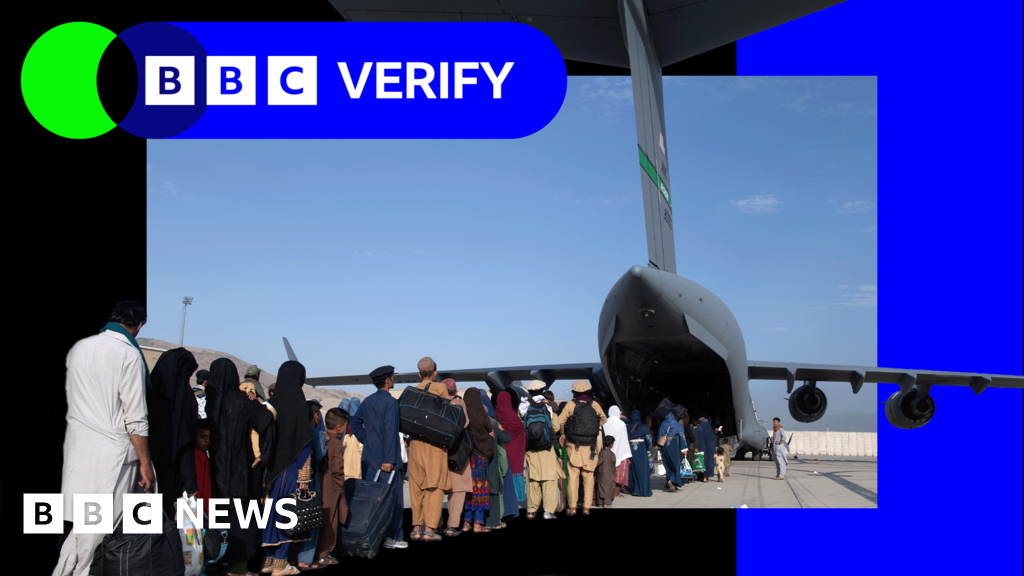

Who truly vetted Afghan evacuees during Biden's watch?
Who truly vetted Afghan evacuees during Biden’s watch?

The recent violent incident in Washington DC, where two National Guard members were shot—one of whom tragically succumbed—has ignited a fierce national debate over how the United States handles Afghan refugees and vetting protocols. The suspect, identified as Rahmanullah Lakanwal, entered the country under the Operation Allies Welcome scheme, a Biden-era initiative aimed at resettling vulnerable Afghans following the Taliban’s return to power in August 2021. While the current administration insists that the vetting process was rigorous and multi-layered, critics from the opposition, including prominent Republicans, argue that chaos and insufficient screening have left the nation vulnerable to threats emerging from within. Such events underscore a critical geopolitical impact—shaping public perception, influencing policy, and testing America’s commitments to both its national security and international obligations.

The scheme, launched ostensibly to quickly resettle those most at risk from Taliban reprisals, was heralded as a humanitarian effort by President Biden and his administration. However, the aftermath has been clouded by reports suggesting a less than perfect vetting process. The US Department of Homeland Security claimed that evacuees, including Lakanwal, arrived with “unvetted” backgrounds, raising concern among security analysts and officials. Critics point out that the vetting process, which involved biometric data collection and background checks by agencies such as the FBI and the National Counterterrorism Center, was compromised by systemic issues—such as incomplete data and lax procedures during the chaotic evacuation. A 2022 audit by the Office of Inspector General highlighted that vital information about some evacuees was inaccurate, leading to concerns that potentially dangerous individuals may have slipped through the cracks. According to security expert analysis, these pitfalls in the vetting cascade have contributed to a fragile national security environment, as underscored by recent events.

Internationally, the geopolitical impact of the US’s handling of Afghan refugees extends far beyond America’s borders. Critics, including former President Trump, argue that the Biden administration’s policies created vulnerabilities that enemies could exploit. The disputed claim that Lakanwal was “unvetted” and potentially dangerous feeds into fears of a “Trojan horse” scenario, which opponents equate with a weakening of America’s border integrity. The narrative has been amplified by claims—though lacking transparency—by Republican officials that individuals like Lakanwal were allowed into the country without proper screening. As analysts from international organizations warn, such vulnerabilities could embolden hostile nations and terrorist groups, undermining $ecurity alliances and destabilizing regions across the globe. The debate reflects a broader contest between humanitarian obligations and national sovereignty—a line that international advocates warn is increasingly fragile amid rising threats.

As the story unfolds, the crisis extends into the realm of history and future policy. How nations respond to these challenges will likely define the next decade—shaping whether America’s promise of refuge withstands the weight of threats internal and external. Renowned historians and security experts have warned that the decisions made now will be scrutinized by generations to come. The tragic shooting in Washington serves as a stark reminder that the battle for security versus openness is ongoing, with the weight of that decision bearing heavily on the fate of nations and societies worldwide. The pages of history are still being written, and in the shadows of this incident lie the unresolved questions of trust, vetting, and the true cost of compassion in a perilous age—leaving us to ponder whether the next chapter will see a renewed resolve or a further unraveling of security in the face of complex geopolitics.

Social Media Auto Publish Powered By : XYZScripts.com


