

The Lasting Fractures of Pandemic-Era School Closures on Society
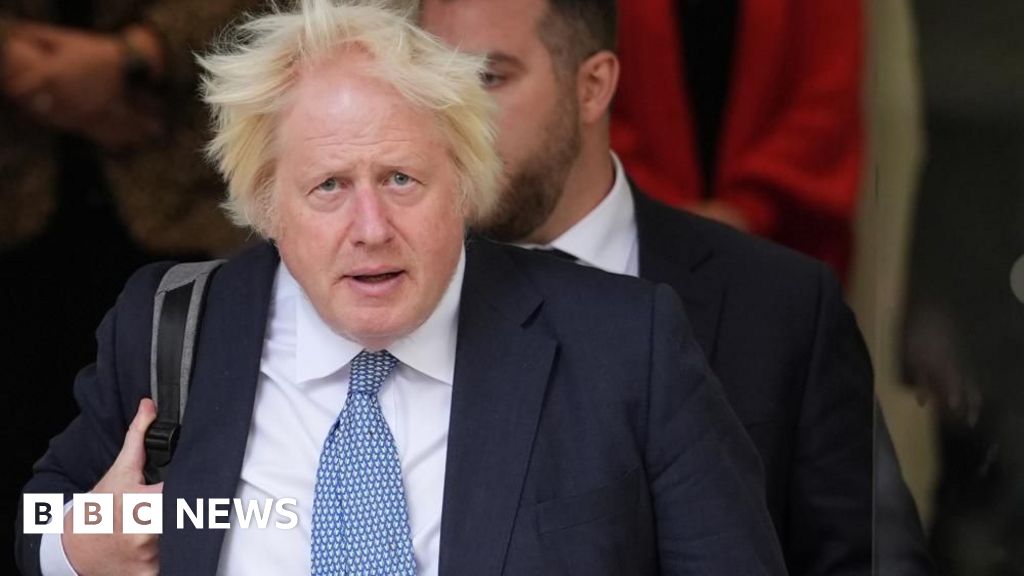
In the wake of the COVID-19 pandemic, the debate over school closures has sharply resurfaced, exposing deep fissures within our communities and raising urgent questions about the social fabric and the future of families, education, and youth. As former Prime Minister Boris Johnson appeared before the Covid Inquiry, his reflections underscored a stark reality: the decision to shutter schools was more than a mere logistical step—it was a social upheaval with enduring effects. Evidence presented during the inquiry illuminated how the closure of schools, often executed without sufficient planning, has contributed to skyrocketing rates of speech and language delays, persistent student absences, and record-breaking suspension and exclusion rates, outcomes that ripple through families and communities.
Decisions Made in Chaos and Their Human Toll
This crisis reveals a worrying landscape of administrative chaos and indecision, with key social institutions failing to protect the most vulnerable. Reports show that as early as February 2020, scientific advisories warned about the potential for mass school closures, yet the Department for Education’s contingency plans rested on an assumption that schools would remain open. Despite this, the government’s inability to develop a comprehensive strategy—exacerbated by political disagreements and conflicting agendas—highlighted a fundamental neglect of the social well-being of children. Sociologist Frank Furedi cautions that such societal disruptions erode the moral fabric of our communities, intensifying the isolation of vulnerable youth and families already grappling with economic and social hardships.
The Impact on Education and the Social Contract
- Increased demand for speech and language support demonstrates the developmental setbacks faced by children during prolonged absences.
- The rise in school suspensions and exclusions signals a disturbing shift toward a more punitive approach to discipline—further alienating students and straining the social contract between youth and educational institutions.
- Persistent absenteeism undermines not just individual futures but threatens the cohesion of local communities, creating a cycle of disengagement and social fragmentation.
In these turbulent times, voices like that of Anne Longfield, former Children’s Commissioner, point to an absence of clear responsibility for safeguarding children’s interests, revealing cracks in the moral leadership that should unify communities. Meanwhile, political rifts and personal conflicts—evident in leaked messages from Boris Johnson and Gavin Williamson—have compounded public distrust and deepened societal polarization. As historian David Starkey suggests, social cohesion depends on trust and responsibility; without it, society risks descending into fragmentation.
Hope Amidst Challenges
Despite these hardships, a resilient spirit of hope persists. Campaign groups like Long Covid Kids and vulnerable families rally outside the corridors of power, reminding society that behind every statistic are human lives. Society’s challenge lies in *rebuilding* a social contract that recognizes the human impacts of policy decisions—one deeply rooted in moral responsibility. As the society grapples with these consequences, the prospect remains that through collective effort, transparency, and compassion, we can repair the fractures inflicted during this crisis. Society’s true strength lies in transforming pain into purpose—restoring faith that schools are not just centers of knowledge but sanctuaries where families, communities, and the future itself can thrive, free from the shadows of past neglect.





