Matox News

Truth Over Trends, always!

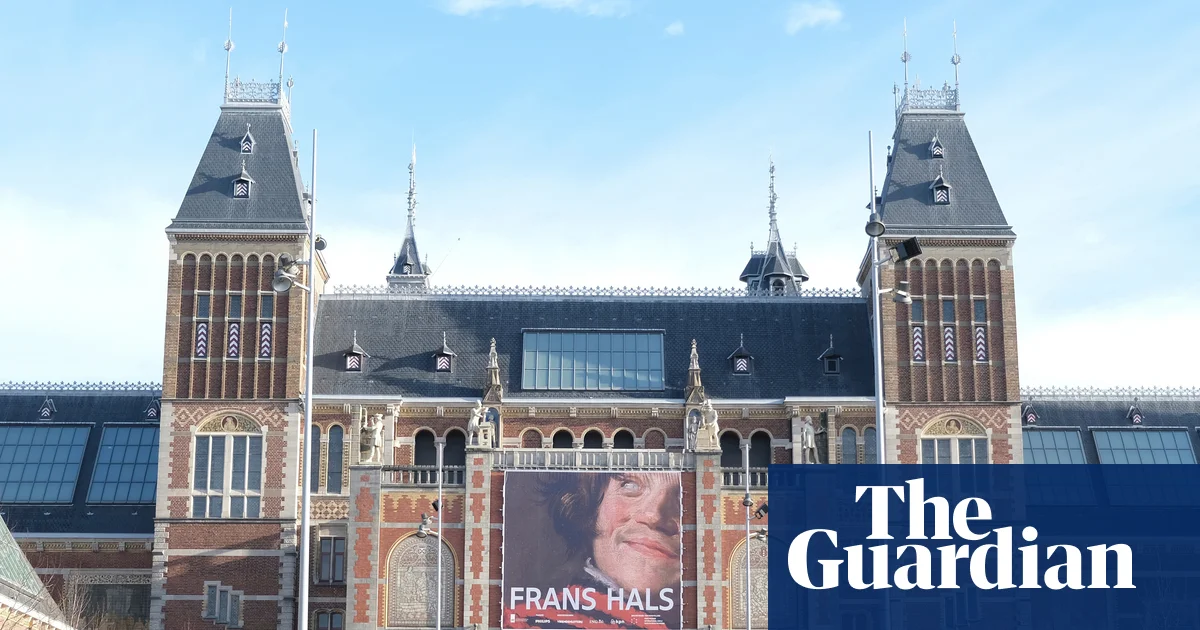
Rijksmuseum Expands South: New Eindhoven Outpost Sparks Cultural Pride

In a move that signifies Europe’s ongoing efforts to balance cultural enrichment with regional development, the Rijksmuseum of the Netherlands has announced plans to establish an outpost in Eindhoven. This decision exemplifies a broader global trend among world-renowned institutions seeking to decentralize cultural access, but it also carries significant geopolitical implications. The planned 3,500-square-meter centre, slated for construction over the next six to eight years, aims to foster local pride while easing the pressure of *overtourism* on Amsterdam’s historic city center, a concern voiced by residents and urban planners alike.

The choice of Eindhoven is as strategic as it is symbolic. Known as a technological hub with deep roots in Philips and semiconductor manufacturing through ASML, the city sits at the nexus of scientific innovation and cultural resurgence. This nexus reflects Europe’s broader geopolitical narrative: an ambition to fortify regional identities and economic resilience against turbulent external pressures, such as migration, global trade disruptions, and shifting alliances. The involvement of the Dutch government and private sector underscores a shared vision for cultural diplomacy that aligns economic vitality with societal stability, especially amidst an era marked by institutional flux.

Looking outward, the expansion of premier museums like the Rijksmuseum and the Louvre reflects a concerted effort by European nations to project soft power globally. The Louvre’s branching into France’s northern territories and the Middle East exemplifies this trend, aimed at fostering international tourism, cultural influence, and economic diplomacy. Analysts argue that such moves are deliberate, serving as tools to reinforce European unity and influence—a strategy increasingly vital amid the rising geopolitical assertiveness of emerging powers. The Global Cultural Institute for International Affairs (GCIIA) and renowned historians suggest that these developments symbolize Europe’s desire to remain relevant in a multipolar world where cultural prestige intersects with strategic interests.

As always, the future remains uncertain. The decisions taken today by European institutions and local governments will inevitably shape the social fabric and geopolitical landscape of tomorrow. The opening of cultural outposts in Eindhoven, and elsewhere, is more than a display of artistic ambition; it is a reflection of Europe’s tentative yet resilient stance amidst a rapidly shifting global arena. The story of these expansions is still writing itself, their impact reaching far beyond the walls of galleries or museums. They serve as stark reminders that in the theater of international power, culture remains a vital battlefield—an arena where nations seek to preserve influence, foster unity, and influence the course of history’s unfolding narrative with every brick laid and gallery opened.

Brazil expands Indigenous lands following COP30 protests

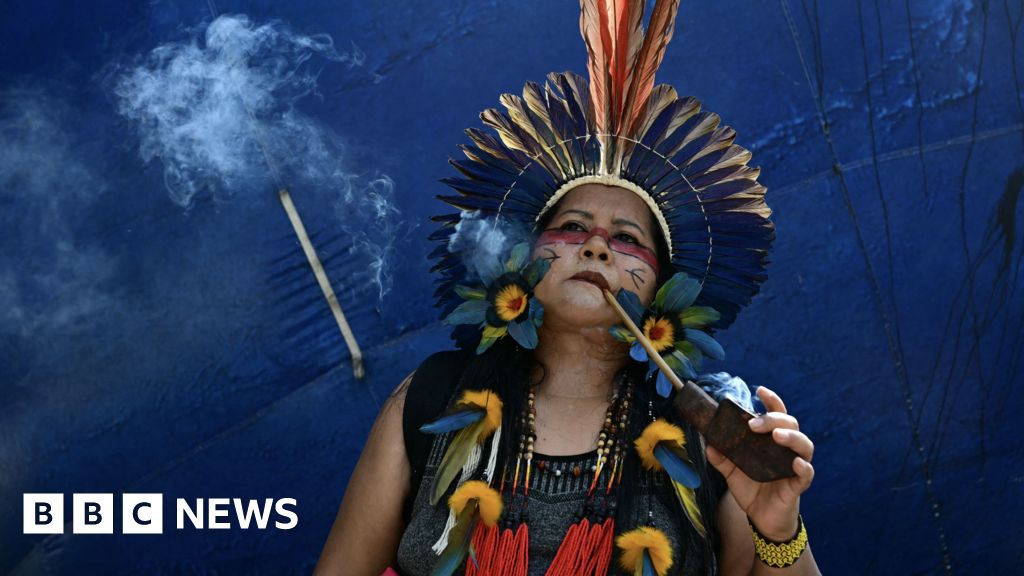
In a notable move amidst the ongoing global climate crisis, Brazil has formalized the creation of 10 new Indigenous territories, a decision that echoes the rising tide of Indigenous-led environmental activism at the COP30 climate summit in Belém. This initiative, announced on Indigenous Peoples’ Day, is a significant shift from recent decades when protections for Indigenous lands had either been neglected or actively undermined. The measure, which encompasses vast areas including part of the Amazon rainforest—an ecological titan responsible for a major share of the planet’s carbon sequestration—aims to preserve both cultural heritage and vital biodiversity.

These newly designated Indigenous territories, covering hundreds of thousands of hectares and inhabited by thousands of Indigenous peoples such as the Mura, Tupinambá de Olivença, Pataxó, Guarani-Kaiowá, Munduruku, Pankará, and Guarani-Mbya, represent a strategic effort that aligns environmental conservation with Indigenous rights. Historically, under former President Jair Bolsonaro’s administration, policies tended to promote unregulated mining, logging, and commercial farming—actions that directly accelerated Amazon deforestation and contributed to rising global temperatures. Now, under the leadership of President Luiz Inácio Lula da Silva, Brazil appears to be reversing course, recognizing Indigenous claims forcibly suppressed under previous regimes. Analysts worldwide praise this shift, noting it could prevent up to 20% of potential deforestation and slash carbon emissions by 26% by 2030, according to studies by the Articulation of Indigenous Peoples of Brazil and environmental research groups.

This move holds significant geopolitical impact as it signals a broader push among nations to embrace tangible actions against climate change. The protection of these lands—especially ones overlapping over 78% with the Amazon National Park—serves as a critical bulwark against the global environmental shift. Indigenous territories have repeatedly shown to be effective buffers against deforestation and ecological degradation, and global experts such as climate scientists argue that these measures are essential in the fight to keep global warming below 1.5°C. The decision’s timing, coinciding with COP30’s focus on the “how to limit temperature rises,” underscores the growing international consensus on the need for immediate, enforceable action. Yet, critics warn that enforcement remains fragile and that the fight against illegal mining and logging persists as a civilizational challenge that threatens these fragile ecological and cultural sanctuaries.

As international organizations and countries grapple with the urgent task of climate mitigation, Brazil’s new policies highlight a pivotal point in global environmental politics. The question remains whether economic pressures—driven by a resilient global market’s thirst for commodities—will erode the gains made through Indigenous stewardship or bolster them as part of a broader strategy for sustainable development. Historians and climate analysts warn that neglecting Indigenous sovereignty and ecological knowledge risks repeating past failures. The future of the Amazon—and possibly the entire planet—rests on these decisions, with each government’s stance echoing through this unfolding chapter of history. The tale is far from finished; as the world watches and waits, the weight of history presses on every policy and every forested hectare protected or lost, shaping the legacy of this vital planet for generations to come.

Social Media Auto Publish Powered By : XYZScripts.com


