Matox News

Truth Over Trends, always!

Albanese’s approval of Queensland coal mine expansion threatens ecosystems and worsens climate crisis, scientists warn

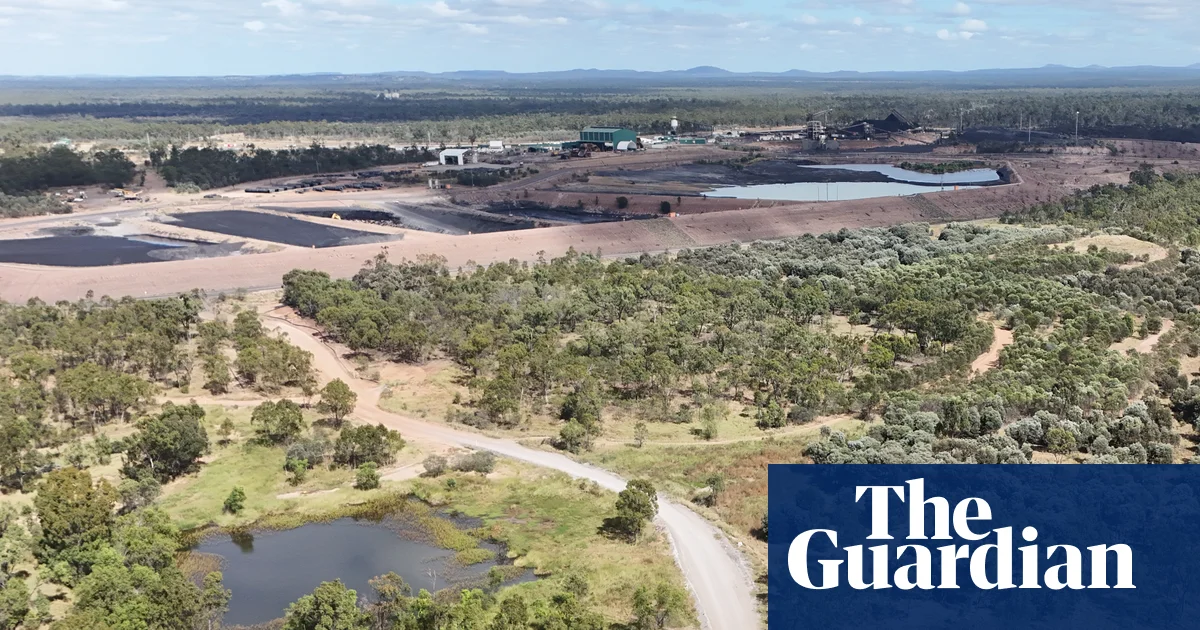
In a move that underscores the ongoing global clash between economic development and environmental conservation, the Albanese government recently approved the expansion of the Middlemount coalmine in Queensland. Owned jointly by US-based Peabody and Chinese-owned Yancoal, this project will see an estimated 85 million tonnes of coal exported over the next 24 years. While proponents tout it as a boost to the local economy and energy sector, critics argue that the environmental costs are catastrophic and threaten Australia’s rich biodiversity. The expansion signifies more than just economic activity; it marks a clear stance in the international debate—whether to prioritize short-term energy needs or long-term sustainability.

Conservationists and environmental experts have raised urgent alarms over the project’s implications for native wildlife, particularly the threatened koalas and greater gliders. The project involves clearing approximately 81 hectares of glider habitat and 183 hectares of koala territory—an area that ecologists say is crucial for their survival. Despite conditions imposed by authorities requiring the relocation of tree hollows used by gliders, prominent ecologists such as Prof. Euan Ritchie and Prof. David Lindenmayer have condemned these measures as inadequate and, in some cases, outright harmful. The attempt to mitigate habitat destruction via offsets—planting 1,557 hectares of new habitat—has been dismissed by experts as a “deluded” strategy that simply cannot compensate for the tangible loss of mature ecosystems. The catastrophic impact on native species is compounded by the project’s contribution to global heating, with conservationists estimating that burning the exported coal will generate approximately 236 million tonnes of CO2 over its lifetime—almost half of Australia’s current annual emission footprint.

This approval has sparked broader questions about the geopolitical impact of resource extraction. The approval under the climate change framework illustrates a troubling prioritization of economic interests over ecological integrity and international climate commitments. As analysts from the United Nations and other global organizations warn against complacency, the decision highlights a stark reality: the vast majority of emissions resulting from the coal will occur outside Australia, as the coal is burned primarily in Asian countries. Critics argue that this approach undermines Australia’s commitments to the Sustainable Development Goals and the global effort to curb climate change, reinforcing a narrative where Australia appears to choose economic gain over the health of the planet. This stance risks alienating international allies committed to green policies, while emboldening fossil fuel interests aligned with geopolitical powers that see energy resources as weapons of influence and leverage.

As history continues to unfold, the decision to expand the Middlemount coalmine underscores the tensions that define the 21st-century geopolitics—where resource-rich nations grapple with the legacy of environmental neglect amidst a shifting global framework demanding urgent climate action. The future of native wildlife hangs in a fragile balance, with environmentalists warning that yet another generation of Australian species might be driven toward extinction. Meanwhile, the global community observes with mounting concern as Australia’s actions shape the geopolitical landscape: a nation at a crossroads, torn between the immediacy of economic survival and the looming specter of irreversible climate catastrophe. Will this moment be remembered as a tragic misstep or a catalyst for change? The pages of history continue to be written, but every decision, every expansion, echoes louder in the corridors of global power, shaping the planet’s destiny for generations to come.


Rival car-sharing firms eye London expansion after Zipcar’s UK withdrawal

London, historically known as a hub for innovation and progressive urban planning, now finds itself at a pivotal crossroads in the realm of sustainable mobility. Following the imminent closure of Zipcar’s UK operations—a move that signifies significant shifts in the shared economy landscape—the city’s transportation scene is witnessing a potential rebirth. Several emerging car-sharing companies are keenly eyeing the vacant market, signaling an intensified race to adapt and redefine urban mobility in one of Europe’s most bustling metropolises. This development underscores how international technological and corporate decisions ripple into local societies and economic structures.

Major players like Free2Move, owned by global automotive giant Stellantis, and Enterprise Car Club are actively assessing expansion opportunities, despite the complexities entailed. Free2Move has highlighted London’s advanced infrastructure for autonomous mobility as a key factor that could make the city especially attractive—an indication of how emerging technologies are becoming pivotal in urban transport strategies. However, analysts point out that regulatory fragmentation among London’s 33 local authorities poses a serious obstacle. As one expert from a prominent international transportation think tank explained, “The patchwork of licensing and parking regulations has historically hampered scalable car-sharing models, especially floating vehicles without fixed stations.” Such barriers not only hinder market growth but also reflect broader governance challenges that influence economic opportunities and societal access to greener, more flexible transport solutions.

The departure of Zipcar, which many viewed as a bellwether for the health of the market, has ignited a scramble among peer-to-peer platforms like Hiyacar and Turo. These companies, leveraging existing vehicle owners rather than heavy capital outlays, present a more adaptable model for urban environments. Don Iro of Hiyacar noted that their surge in interest was almost inevitable regardless of Zipcar’s exit, but the recent vacuum provides a clear impetus for swift expansion. “There’s going to be a substantial gap, and it’s going to take years for the market to stabilize,” he said, emphasizing the long-term strategic importance of establishing a foothold now. This scenario illustrates a broader shift: as traditional car-sharing giants retreat, decentralized and peer-to-peer platforms are increasingly seen as the future, especially amid rising environmental concerns and urban congestion.

The implications extend beyond business models, however. London’s transition towards a more flexible, shared transport network has significant social and geopolitical ramifications. By relying less on personal vehicle ownership, the city aims to reduce pollution and traffic congestion, aligning with international efforts to combat climate change. Yet, critics argue that without cohesive governance and clear regulatory pathways, these innovations could exacerbate inequalities—primarily benefiting affluent areas and tech-savvy consumers. Meanwhile, European and global institutions, such as the European Commission and the International Transport Forum, continue to monitor these technological shifts, aware that how cities like London manage their mobility ecosystems could serve as a blueprint—or cautionary tale—for the world. As governments and corporations negotiate the future of transportation, the very fabric of urban society hangs in the balance, teetering between innovation and chaos.

As the story continues to unfold, it becomes clear that London’s decisions today will resonate through the corridors of power and across the streets of cities everywhere. The departure of Zipcar, while a setback for some, opens a chapter defined by fierce competition, technological innovation, and the relentless force of economic and geopolitical change. The world watches as a city famous for its resilience and ingenuity seeks to carve a new path forward—one that may yet shape the future of urban life in the age of autonomous mobility and shared economies. This is not merely a story of market dynamics; it is a narrative of how societies choose to evolve amidst the relentless tide of progress—where every decision is a stroke on the canvas of history yet to be written.

US Private Prison Firm Snags $790M Deal to Detain 100 on Nauru in Secret Expansion

Australia’s Offshore Detention: A Costly and Controversial Engagement with U.S. Private Prison Operators

The recent extension of Australia’s offshore processing regime on Nauru exemplifies a troubling trend of escalating expenditure and opaque decision-making that has significant geopolitical impact on the nation’s reputation and international standing. A US private prisons operator, Management and Training Corporation (MTC), now stands to receive over $157 million annually to manage the small offshore detention facility, currently holding just over 100 asylum seekers. This contract, quietly expanded by more than $350 million—a move critics argue was undertaken absent public scrutiny—reflects a broader pattern of governmental disregard for transparency and accountability. Such decisions, occurring in a climate of ongoing controversy, threaten to diminish Australia’s moral authority on human rights issues and signal an entrenched reliance on controversial private security interests intertwined with foreign policy ambitions.

Historian and international analysts trace this approach to a disturbing cycle of cost overruns, mismanagement, and allegations of systemic corruption. The contract’s multiple amendments, including a recent extension that inflates its value to nearly three-quarters of a billion dollars, exemplify inefficiencies reminiscent of past government procurement failures. Critics such as Geoffrey Watson SC have decried the costs as “absurd,” illustrating how economic interests are increasingly dictating policies initially justified on humanitarian grounds. The use of for-profit corporations with troubled histories—notably MTC, which has faced civil suits in the US for security failures and alleged bribery—underlines concerns that Australia’s offshore detention policies serve economic motives over legal and ethical considerations. This approach risks alienating global allies who champion human rights and threatens to cast Australia as a pariah state entrenched in a corrupt and opaque system.

Amplifying this concern is the international dimension of the offshore processing program. The recent $2.5 billion, 30-year deal with Nauru for accepting forcibly removed non-citizens underscores how Australia’s pursuit of border control solutions extends beyond national borders, entangling it in geopolitical negotiations rife with corruption. The historically high-risk environment—described in the 2023 Richardson review—pictures Nauru as a hotbed of cronyism, bribery, and illicit influence. Former officials and watchdogs warn that the entire regime is sustained by a web of financial entrapment and questionable practices, effectively turning the island into a pawn in broader regional power plays. As countries like Papua New Guinea and Cambodia observe such developments, concerns mount over how these policies impact regional stability, potentially encouraging other nations to emulate Australia’s costly and ethically dubious approach.

At the heart of these controversies lie questions about how nations manage their moral authority amidst economic and political pressures. The revelations of historical misconduct, from civil suits alleging gross negligence to allegations of conspiracy and corruption, have cast long shadows over Australia’s reputation. International organizations and advocacy groups warn that the continuation of these policies not only undermines human rights but also destabilizes diplomatic trust. The weight of history suggests that without decisive reform, Australia risks embedding these practices into its national identity—turning what was once a beacon of Western democracy into a cautionary tale of greed, neglect, and the relentless pursuit of border control at any cost. As the offshore detention saga unfolds, the world watches with wary eyes, aware that the choices made today will resonate for generations, shaping the narrative of a nation still determined to grapple with its conscience amidst the shadows of war, greed, and ultimately, history’s judgment.

Social Media Auto Publish Powered By : XYZScripts.com



