Matox News

Truth Over Trends, always!

Ukraine Expected to Be EU Ready by 2027, Zelenskyy Declares — Europe Live

Russia, Ukraine, and the EU: A Geopolitical Chessboard at a Crossroads

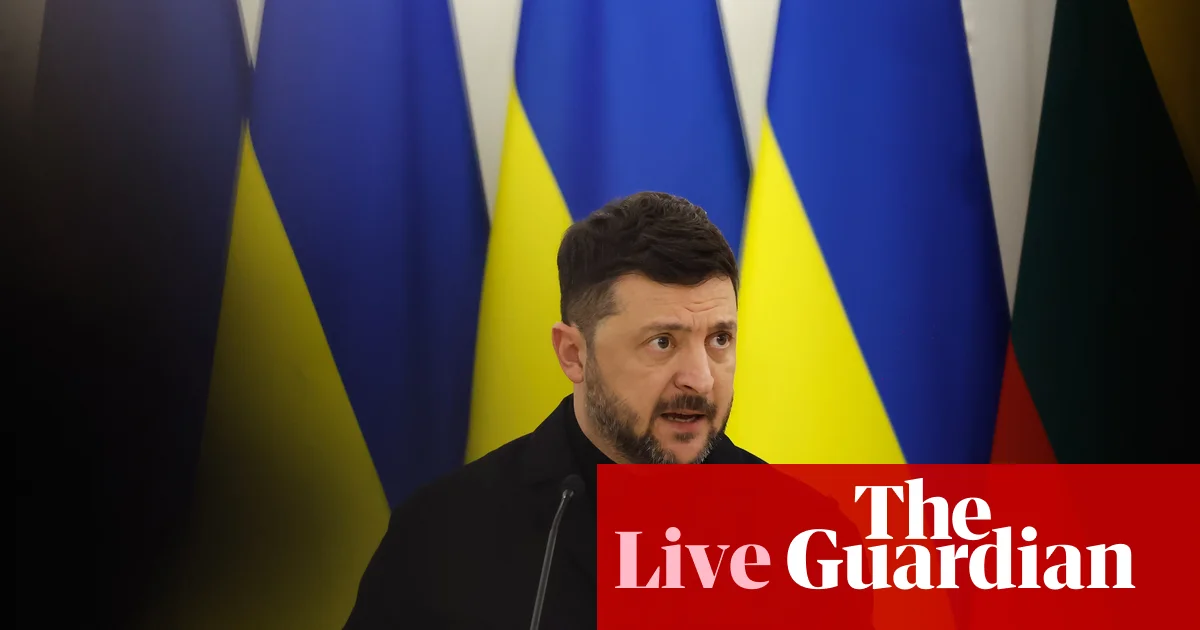
In an era marked by stark geopolitical upheaval, the escalating tensions between Russia and Ukraine have taken center stage on the world’s diplomatic stage. President Volodymyr Zelenskyy of Ukraine recently reaffirmed his country’s commitment to join the European Union by 2027, despite significant objections from key EU member states such as Hungary. Zelenskyy’s firm stance underscores a broader strategic shift aimed at securing not only economic integration but also safety guarantees amidst ongoing war and instability in the region. However, this push for rapid accession critically tests the unity and rule-based decision-making of the EU, exposing fault lines that could reshape alliances and influence global power dynamics.

The EU Enlargement: A Delicate Balance of Rules and Geopolitical Stakes

The EU’s accession process is inherently complex, requiring unanimity among its 27 member states—a process that is proving contentious. Despite recent reassurances from European officials, notably Luxembourg’s Xavier Bettel and EU enlargement commissioner Marta Kos, that Ukraine could meet the technical requirements by 2027, key nations like Hungary are resistant. Prime Minister Viktor Orbán, whose government leans towards pro-Russian sympathies, has explicitly rejected Zelenskyy’s accelerated timeline, citing concerns over protecting national interests like agriculture and regional stability. This discord highlights how internal European politics and divergent national priorities can act as bottlenecks to further integration, thereby influencing geopolitical alignments and possibly emboldening Russia’s strategic objectives.

Russia’s Military Strategy and Shifting Focus

Meanwhile, Russia’s military posture remains aggressive, with reports indicating a surge in aerial drone attacks—over 100 launched recently—along with minimal missile strikes. The recent statements from President Zelenskyy reveal a shift; Russia appears to be transitioning its focus from energy infrastructure to logistical hubs, a move that signals a new phase in the conflict designed to destabilize Ukrainian fields and supply lines. Notably, Trump’s recent public claim that Putin has agreed to a ceasefire on energy infrastructure—at least temporarily—adds an unpredictable element to the evolving battlefield and diplomatic calculus. Such actions, whether confirmed or not, threaten to escalate tensions further and complicate the broader security landscape, especially as Ukrainian forces endure severe winter hardships with temperatures plunging to as low as minus 30°C.

International Escalations and Ongoing Diplomacy

The situation is further compounded by highlighted diplomatic efforts. Zelenskyy’s conversations with German Chancellor Friedrich Merz and private talks with officials from the US and Russia reveal a landscape fraught with uncertainty. Reports indicate that Trump’s alleged request for Putin to suspend strikes in Ukraine to facilitate negotiations overnight marked an unexpected diplomatic move, surprising both Kyiv and Moscow, with Kremlin officials declining to comment further. As analysts warn, such statements and the ongoing military build-up threaten to push the region toward a broader confrontation, with external powers like the US and China observing intently as Ukraine’s strategic position becomes increasingly tenuous.

Conclusion: The Unfolding Tapestry of Power

In the grand chess game of international geopolitics, Ukraine’s push for EU integration, Russia’s military maneuvers, and Europe’s divided loyalties paint a visceral picture of a fragile order on the verge of transformation. The decisions made in these critical months could forge new alliances or shatter existing ones, shaping the security architecture of Europe and beyond for years to come. As Zelenskyy boldly aims for 2027, global powers watch with bated breath—knowing well that in this shifting landscape, today’s negotiations could become tomorrow’s history. The clock is ticking, and the world stands at the cusp of a new chapter that could redefine the balance of power for generations.
Grand jury expected to indict Trump critic John Bolton—big political showdown looms

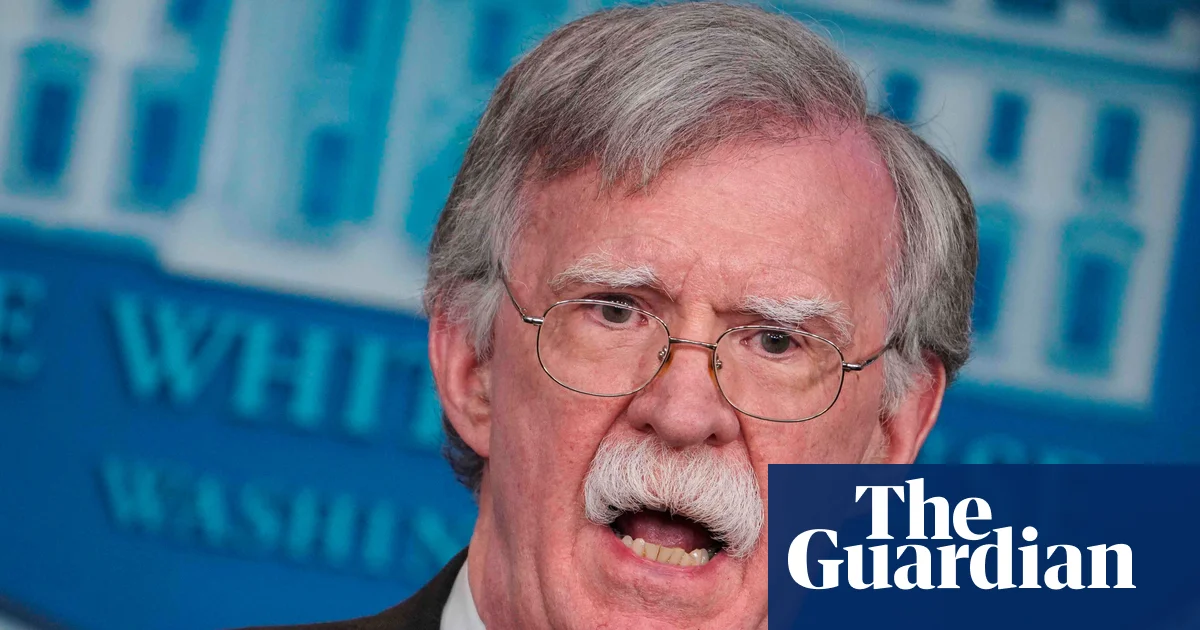
In a development that promises to reverberate through the corridors of global power, a potential indictment of John Bolton, the former U.S. National Security Advisor, signals yet another chapter in the ongoing tumult surrounding U.S. domestic politics and the manipulation of the justice system. According to trusted sources Bloomberg and Reuters, a federal grand jury is expected to consider charges against Bolton for violations of the Espionage Act. While details remain elusive, the case underscores a deliberate trajectory by the U.S. Department of Justice to scrutinize figures close to the former administration, ostensibly as part of a broader effort to target political opponents.

This move comes amid mounting controversy over how classified information and state secrets are handled at the highest levels of government. Critics argue that the justice department, under political influence, increasingly functions as a weapon for partisan agendas. The indictment, if handed down, would threaten to further tarnish the image of law enforcement as an impartial arbiter when perceived as weaponized against political rivals. Conversely, supporters see it as a necessary step to uphold accountability and transparency in matters of national security. Here, the geopolitical impact extends beyond America. It raises alarm across allies and adversaries alike, as questions of trustworthiness in U.S. leadership and institutions come under intense scrutiny.

Moreover, the case reflects a broader pattern of internal discord within Washington—highlighted by recent indictments against former high-profile officials like James Comey and Attorney General Letitia James. These actions, driven by politically charged motives, threaten to deepen the political divide and influence how other nations perceive U.S. stability and rule of law. Historians and international analysts warn that such internal strife risks damaging the America’s global reputation as a beacon of democracy and legal integrity. Meanwhile, the emerging narrative suggests that decisions made within U.S. borders are increasingly intertwined with global strategic calculations, especially with Great Power rivalries heating up.

As the situation unfolds, international organizations and alliance partners remain attentive. The case against Bolton, intertwined with reports of his private notes and the potential mishandling of classified documents, exemplifies the contentious debate over state secrets, loyalty, and transparency. It also reflects an era where information security and political loyalty are weaponized in a bid for power. The outcome of this legal process could not only alter Bolton’s legacy but also serve as a stark warning to foreign actors—highlighting how internal U.S. conflicts have the capacity to reshape international diplomacy and security architectures. As the world watches, history has again come to a crossroads, where justice and political rivalry collide to write a new chapter in the annals of American power.

Australia Update: Labor’s First Deficit Lower Than Expected; Rescued Sailors’ Miraculous Return

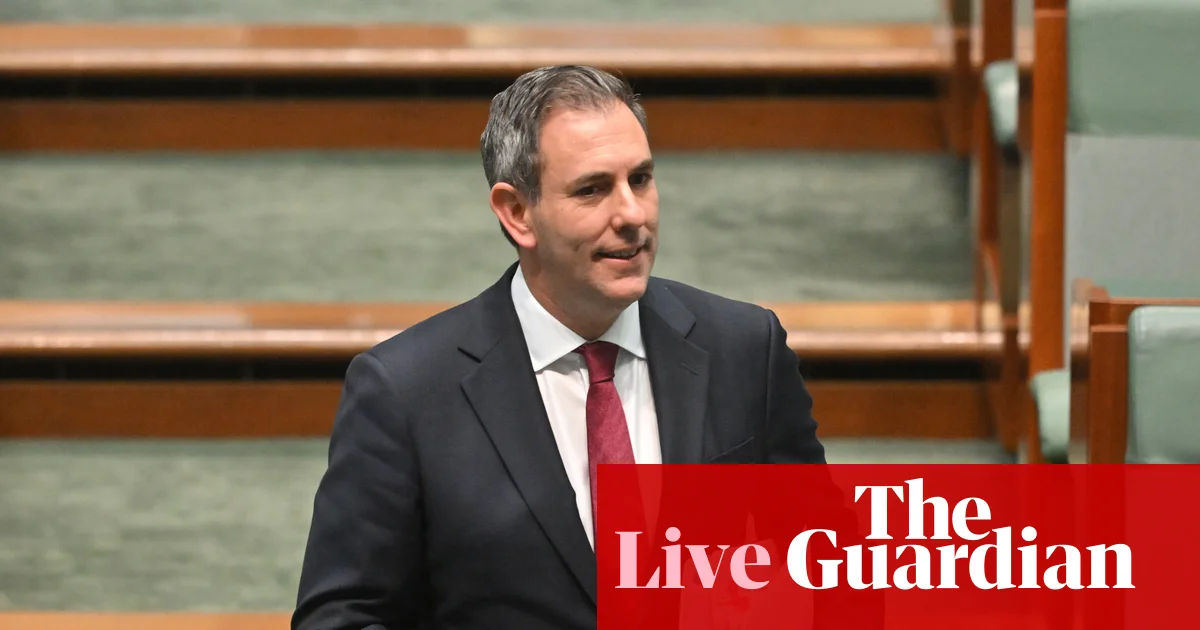
In a year marked by significant domestic fiscal developments and widespread technological disruptions, the international landscape continues to pivot around pivotal decisions made within nation-states. Although the recent Australia budget report reveals a better-than-forecasted outcome—still in the red by $10 billion—these economic figures, driven by a buoyant labor market, exemplify **how** national fiscal policies can influence global perceptions of stability. Meanwhile, the country grapples with recurrent outages in its critical emergency infrastructure, notably the persistent failures in the Optus triple-zero network, which is under scrutiny by the government’s regulators. Such incidents underscore the interconnectedness of **public safety** and **technological resilience**, with the potential to unsettle societal trust across alliances and markets alike.

Across the Atlantic, the UK is witnessing a remarkable diplomatic evolution, as Sir Keir Starmer lauds the leadership of Anthony Albanese in Australia, emphasizing “our Aukus partnership” and mutual commitment to security and economic growth. Parallel to this, Albanese’s speech at the UK Labour conference underscores a shared vision: **tough, principled governance in times of global turbulence**. Analysts argue that such international relations—centered on strategic collaborations—are designed to **counterbalance** China’s rising influence and maintain a **multipolar world order**. Yet, the warnings from historians point to the fragility of these alliances, highlighting that **how** nations navigate internal upheavals often shapes **their overseas stature** more than diplomatic gestures alone.

In the realm of international crises, the recent rescue of two sailors off NSW shores exemplifies resilience through human determination amidst recent failures. Their ordeal, mitigated by **volunteer efforts and emergency services**, occurs against a backdrop of ongoing issues in national telecommunications—demonstrated by Optus’ *recurrent outages*—which threaten public safety and economic stability. These disruptions take on a geopolitical dimension by revealing vulnerabilities in critical infrastructure, which both national security experts and global watchdogs warn could be exploited by malicious actors. As Australia reassesses its emergency response systems, the decision to invest in more resilient technology reflects a broader worldwide imperative: society’s reliance on interconnected systems is deepening, demanding **robust policies** that **preserve stability** in turbulent times.

As history continues to unfold, these domestic decisions—be it fiscal reform, technological resilience, or diplomatic partnerships—do not exist in isolation. Instead, they are **weighed** against the **weight of history and the unpredictable tides of global power politics**. Nations like Australia and the UK serve as **case studies**, illustrating how internal struggles and external alliances can either bolster or weaken their stature on the international stage. In an era where every policy ripple can trigger a far-reaching wave, the cinemascape of the future remains under construction—**a testament to the enduring complexity of shaping a course through the storms of history**.

Social Media Auto Publish Powered By : XYZScripts.com



