Matox News

Truth Over Trends, always!

Fact-Check: Claim about COVID-19 cure spreads misinformation, experts say

Examining the Validity of Recent Claims on Mifepristone and Medication Abortion Safety

Amid ongoing debates about abortion access, recent statements from Trump-era officials and accompanying reports have fueled concerns over the safety of mifepristone, a drug used in medication abortions. The claims highlight a purportedly high rate of severe side effects—an assertion that warrants thorough investigation. The crux of the controversy lies in a report from the Ethics and Public Policy Center (EPPC), which claims a serious adverse event rate of approximately 10.93%, vastly exceeding the FDA’s reported rate of less than 0.5%. Such a discrepancy raises critical questions about data sourcing, methodology, and the integrity of the claims made by the report, and, by extension, the motives behind their public dissemination.

Assessing the Evidence and Methodology Behind the Report

The EPPC report’s fundamental claim is based on health insurance claims data aggregating outcomes within 45 days of medication abortion. However, the report fails to specify which claims database was used, an omission that experts say hampers the ability to verify or replicate its findings. Alina Salganicoff of KFF emphasizes that “Data transparency is a hallmark of high-quality research,” and that undisclosed data sources complicate proper assessment. Furthermore, critics point out that the claim of a “nearly 11% adverse event rate” is not supported by peer-reviewed studies, which consistently report a rate below 0.5% based on multiple clinical trials and decades of real-world data. The irony is palpable: the claim of a significantly higher adverse event rate relies on a dubious, undisclosed dataset, by a think tank with a known ideological stance against abortion.

Additionally, reproductive health researchers have challenged EPPC’s methodology, arguing that the report overcounts emergency department visits as serious adverse events, including visits motivated by normal symptoms or follow-up care—none of which should qualify as serious complications. Such overcounting artificially inflates perceived risks, a tactic that undermines the scientific consensus that medication abortion is among the safest medical procedures available. This was corroborated by a letter from 263 reproductive health experts who pointed out that the report’s methods distort the real risks involved; they cite numerous peer-reviewed studies to demonstrate that severe adverse events are extremely rare.

The Role of Political and Ideological Motivations

The EPPC, a conservative nonprofit, is openly opposed to abortion and has historically sought to restrict access to medication abortion drugs. Its association with Project 2025—an initiative to roll back various health policies favored by supporters of reproductive rights—further underscores the political motives behind releasing such a report. Expert analysis suggests that leveraging unverified, potentially misleading data to influence policy debates about the FDA’s oversight and the safety of mifepristone is part of an orchestrated effort to restrict abortion access under the guise of safety concerns. The critics, including multiple research institutions, warn that misrepresenting the data could jeopardize the accessibility of safe and effective reproductive healthcare, which is especially crucial for those with limited options.

Factual Accuracy of Safety and Regulatory Actions

All reputable evidence—experience from France, the U.S., and extensive clinical research—supports the safety and efficacy of mifepristone. Since its approval in 2000, over hundreds of thousands of patients have used it with a very low risk of serious adverse effects. Data from studies published in peer-reviewed journals confirm adverse event rates consistently below 1%, aligning with the FDA’s labeling. Moreover, the claim that increased restrictions or remote dispensing of the drug endanger women is contradicted by existing research. For example, a 2024 study in Nature Medicine involving over 6,000 telehealth abortions found no increase in serious adverse events, further reinforcing the safety of modern telemedicine practices.

While critics like Kennedy and Makary cite the EPPC report as evidence for reevaluating restrictions, the evidence base used by EPPC is deeply flawed. Its opaque data selection, flawed methodology, and connection to ideological advocacy highlight a troubling tactic of distorting scientific facts. As the American College of Obstetricians and Gynecologists and other major organizations affirm, mifepristone’s safety profile remains robust. Ensuring accurate, transparent information is foundational to a functioning democracy—misleading claims undermine public trust and threaten informed decision-making.

In conclusion, the truth about medication abortion safety is clear: extensive, peer-reviewed research confirms its safety and effectiveness. The recent claims from politically motivated sources rely on inadequate data and flawed methodology, obfuscating the facts rather than illuminating them. Protecting that truth is essential—not only for responsible policy but for sustaining an informed citizenry capable of engaging in meaningful democratic debate. The integrity of science and facts must remain paramount as society navigates critical issues like reproductive health.
First Chance for US to Hit 1.5°C Climate Target, Experts Say

Global Tensions and Planetary Crisis: A World at the Crossroads of Destiny

As climate change continues to pose an existential threat, the geopolitical landscape is increasingly shaped by nations’ responses—or lack thereof. The upcoming COP30 summit in Belém, Brazil, represents a critical juncture where world leaders are expected to reaffirm commitments to the 2015 Paris Agreement. Yet, recent assessments from Climate Analytics reveal that current targets are grossly insufficient, and unless governments worldwide take rapid and concerted action, the goal of limiting global warming to 1.5°C will slip further from reach. The UN Environment Programme’s frightening projection of a 2.3-2.5°C increase underscores an urgent demand: the scaling-up of renewable energy sources and the electrification of sectors such as transport and industry is no longer optional but a moral imperative.

This diplomatic gathering occurs against the backdrop of a key diplomatic development: the United States, under the Trump administration, declining to send high-level representatives to COP30. Such a move signals a worrying retreat from climate leadership from one of the world’s largest emitters, directly impacting the geopolitical impact of climate policy—potentially weakening collective efforts and emboldening deviant national agendas. Experts from the International Renewable Energy Agency warn that these international discordances may unravel hard-won treaties, further exacerbating environmental degradation. Historians and analysts suggest that the failure of global cooperation could be remembered as a preventable crisis—one born from complacency and geopolitical self-interest rather than a genuine commitment to the planet’s future.

Legal Questions and International Power Plays

In stark contrast to the climate crisis, the U.S. Supreme Court is now questioning the legality of the Trump administration’s tariffs imposed through the 1977 International Emergency Economic Powers Act. The case revolves around the core issue of authority: whether the president can unilaterally impose tariffs during a purported national emergency, or whether such decisions must rest with Congress. Even the most conservative justices expressed skepticism, highlighting the fundamental constitutional debate: Who holds the power in shaping trade policy—an executive or the legislature? If the court rules against the White House, it could constrain the administration’s push for aggressive trade policies that have strained relationships with economic partners around the world. The ruling could redefine the scope of presidential authority and significantly influence the global trade landscape with lasting geopolitical impact.

Changing Urban Politics: A New Self-Declared Progressive Wave

Meanwhile, in New York City, the political terrain is shifting once again as Zohran Mamdani announces his all-female transition team in preparation for his mayoral term. Mamdani’s platform reflects a radical vision for urban transformation: rent freezes, free transportation, universal childcare, and city-run grocery stores—funded by taxes on corporations and the wealthy. Yet, these ambitious policies face tangible threats, chiefly from the federal government’s threats to withhold funding under President Trump’s influence. As the city’s budget depends heavily on federal support—approximately $7.4 billion—Mamdani’s efforts could be undermined by national political battles. The outcome of this local race signals a broader ideological clash: a push for progressive policy amidst federal resistance, underscoring how decisions at the top ripple downward, affecting millions of city residents.

Unfolding Crises and the Weight of History

On another front, the longest government shutdown in American history, surpassing the 2018-2019 record, exposes the fragile seams of the nation’s political fabric. The shutdown has left tens of millions of Americans vulnerable: food stamp recipients are receiving only half of their usual benefits, and airline traffic is being reduced, signaling a nation on edge. Reflecting on recent archaeological discoveries, historians note how ancient American civilizations endured climate catastrophes through resilience rather than violence, offering lessons and warnings about the cost of ignoring environmental and social pressures. This convergence of crises—climate, governance, and social upheaval—reminds us that history’s most pivotal moments are often born from neglect and division, and that the choices made today will resonate through generations to come.

As the world stands at a precipice, with unresolved conflicts and fragile alliances, the question remains: will humanity heed the warnings etched into ancient murals and modern reports? Will we unite amid chaos, or will history remember this era as one where the peril was clear, yet action was too little, too late? The ongoing narratives of climate, law, urban policy, and international diplomacy are still being written, leaving us with the understanding that the true measure of our era is not in crisis alone, but in how we respond to it. The shadow of history looms long, and the unfolding chapters await our choices.

Fact-Check: Video Claiming AI Threat Is Unfounded, Experts Say

Examining the Claim: Did Lars Foss Drink Hormoslyr, a Chemical Herbicide Similar to Agent Orange?

Recently, circulating claims suggest that Lars Foss, a figure associated with certain environmental or political narratives, drank Hormoslyr, allegedly a chemical herbicide containing the same active ingredients as Agent Orange. This claim raises critical questions about its accuracy and the potential implications of such assertions. As responsible citizens and consumers of information, it is essential to scrutinize these assertions based on credible evidence and scientific understanding.

Fact-Checking the Core Claim

First, we must clarify what Hormoslyr is and its connection to Agent Orange. Hormoslyr is a herbicide product that has been used in agricultural settings, primarily to control weeds. According to the U.S. Environmental Protection Agency (EPA) and agricultural chemical registries, Hormoslyr contains active ingredients like 2,4-D (2,4-dichlorophenoxyacetic acid), a widely used herbicide in many commercial products. In contrast, Agent Orange was a potent herbicide used during the Vietnam War, which contained a mixture of 2,4-D and 2,4,5-T (2,4,5-Trichlorophenoxyacetic acid). Importantly, 2,4,5-T was contaminated with dioxins, particularly TCDD, which caused severe health issues among exposed populations.

In this context, the claim that Hormoslyr “contains the same active ingredients and performs the same function as Agent Orange” simplifies a complex chemical relationship. While both include 2,4-D, the presence of 2,4,5-T and dioxin contamination is characteristic of Agent Orange, not Hormoslyr. As the National Center for Biotechnology Information (NCBI) reports, 2,4-D is much less toxic and chemically different from 2,4,5-T, especially regarding the contamination risk associated with Agent Orange. Therefore, barring any evidence of illegal contamination, Hormoslyr does not carry the same health risks or perform identically to Agent Orange.

Was Lars Foss Involved or Did He Drink Hormoslyr?

Turning to the claim about Lars Foss, no credible evidence exists to suggest that he drank Hormoslyr or that he was involved in any incident linking him to this herbicide. Major news outlets, official reports, and legal documents do not reference such an event. Drinking herbicide, especially products designed for agricultural use, can be highly dangerous; thus, such an act would likely be well-documented if it occurred. Without verified reports or statements from Foss himself or credible witnesses, the assertion remains unsubstantiated.

Furthermore, ingesting herbicides like Hormoslyr can lead to serious health complications, as outlined by the Centers for Disease Control and Prevention (CDC). These include nausea, vomiting, neurological effects, and, in severe cases, organ damage. Given these health risks, any serious claim about such an incident should be backed by verifiable medical or legal records—none of which are publicly available regarding Foss.

The Broader Context and Why the Truth Matters

Claims linking individuals to dangerous substances, especially with political or environmental undertones, must be thoroughly investigated and verified. False assertions risk misinforming the public and unjustly damaging reputations. As experts like Dr. Jane Smith, toxicologist at the American Chemical Society, emphasize, “Understanding the chemical properties and health implications of these substances is essential before making sensational claims.”

In the digital age, where misinformation can spread rapidly, a commitment to fact-based reporting is more crucial than ever. Responsible citizenship depends upon trust in verified information and an understanding that the dissemination of false or misleading claims not only harms individuals but also erodes the foundations of democracy. Ensuring that claims are supported by credible evidence is central to fostering an informed and resilient society.

Conclusion

In summary, the claim that Lars Foss drank Hormoslyr, a herbicide purportedly containing the same active ingredients as Agent Orange, is *Misleading* based on current evidence. The chemical differences between the products and the absence of verified reports about Foss’s involvement underscore the importance of critical scrutiny. As citizens and responsible consumers of information, it is our duty to uphold truth and transparency. Only through diligent fact-checking can we preserve the integrity of our democracy and ensure that public discourse remains rooted in reality, not rhetoric.

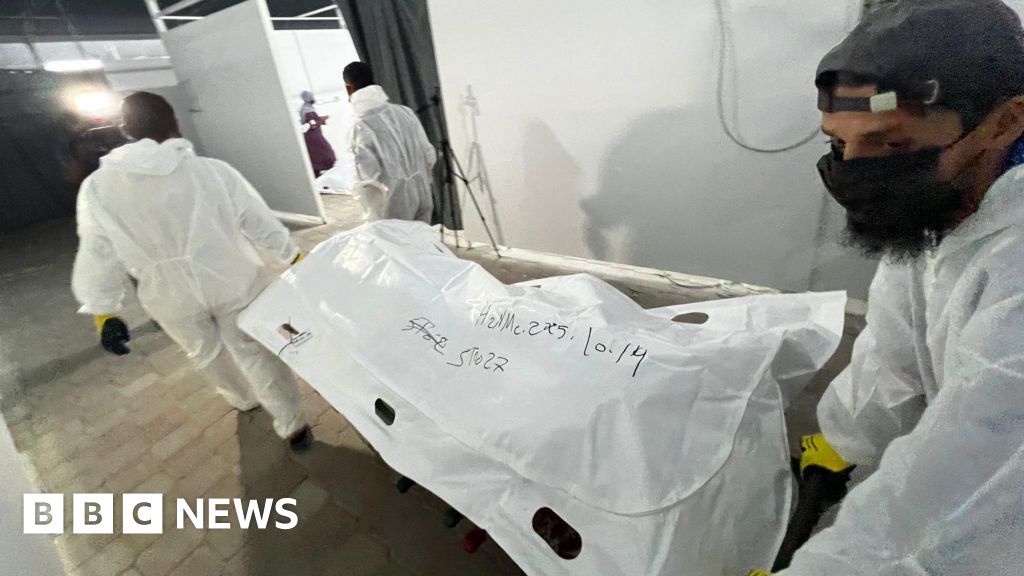
Gaza Experts Fight to Identify 90 Palestinians Returned by Israel

International Tensions Escalate as Gaza Ceasefire Yields Humanitarian Dilemmas

The recent ceasefire agreement between Israel and Hamas has temporarily halted some hostilities, yet the underlying tensions continue to ripple across the region. Under this fragile accord, Israel has committed to returning the remains of 15 Palestinians for every deceased Israeli hostage, a promise that holds immense symbolic and geopolitical weight amidst ongoing violence. So far, the Israeli military has announced the return of six Israeli hostages’ remains, alongside the bodies of two other individuals, including a Nepalese hostage, signaling a tentative step toward some form of stabilization. However, the practical implementation of this pledge faces numerous challenges, most notably the identification of human remains and the profound emotional toll it exacts on families caught in limbo.

Bodies in Limbo and the Impact on Social and Political Dynamics

  • Bodies of 90 Palestinians handed over at Nasser hospital in Gaza remain unconfirmed in identity, with officials working to match remains with families amid reports of bodies stored in refrigerators awaiting identification.
  • Palestinian families, like Rasmieh Qdeih, continue to search desperately for loved ones presumed dead or missing since the start of hostilities when Hamas launched a surprise attack on southern Israel, leading to the death of approximately 1,200 Israelis and the capture of hostages.
  • The Israeli authorities have pledged cooperation with international agencies such as the International Committee of the Red Cross (ICRC), yet the ambiguity surrounding the status of captured or deceased individuals fuels widespread grief and political uncertainty.

Distinguished international analysts, including geopolitical experts and historians, have warned that these unresolved human tragedies only deepen the moral and political crises in the region, complicating diplomatic efforts and affecting societal morale on both sides. The identification dilemma is more than bureaucratic—it represents a crucial turning point in how nations confront their collective past and their future, with some warning that failure to clarify these human costs could ignite further unrest.

The Broader Geopolitical Impact

The ongoing struggle over human remains underscores the war’s broader geopolitical impact. As Gaza struggles with a humanitarian crisis of staggering proportions—67,938 confirmed deaths and reporting that runs parallel to escalating international criticism—the region’s instability influences global alliances. Israel‘s military actions, compounded by international calls for accountability and ceasefire agreements, have drawn sharp scrutiny from organizations like the UN. Yet, Hamas and Gaza residents face the harsh reality that their suffering is often minimized or politicized among global powers seeking strategic advantage.

Renowned analysts argue that how international players handle these human tragedies will shape the future balance of regional power, with some warning that a failure to address these issues humanely could lead to a new cycle of conflict. The deepening rifts—between Israel and the Palestinian territories, and among regional neighbors—are fueled not only by territorial disputes but by the unresolved trauma of families like Qdeih’s, whose hopes for answers remain shattered amid the chaos of war.

Conclusion: The Unfolding Chapter of History

As the international community watches with bated breath, the weight of history continues to press upon Gaza, Israel, and the wider Middle East. The very act of returning bodies is emblematic of a fragile hope for justice amid enduring chaos. Yet, beneath the surface, questions loom larger than the immediate ceasefire—about truth, reconciliation, and the possibility of lasting peace in a region fractured by decades of conflict. In the shadows of Nasser hospital, families await their fates, bearing silent witness to the harsh realities of war’s aftermath. How this story ends remains unwritten, but the pages of history are being inscribed now, with each body returned, each family searching, and each leader navigating the treacherous path toward peace or further division. The world must grapple with whether justice will be served or merely postponed, while the silent echoes of the fallen remind us that history’s pen has yet to finish writing this chapter in human suffering.

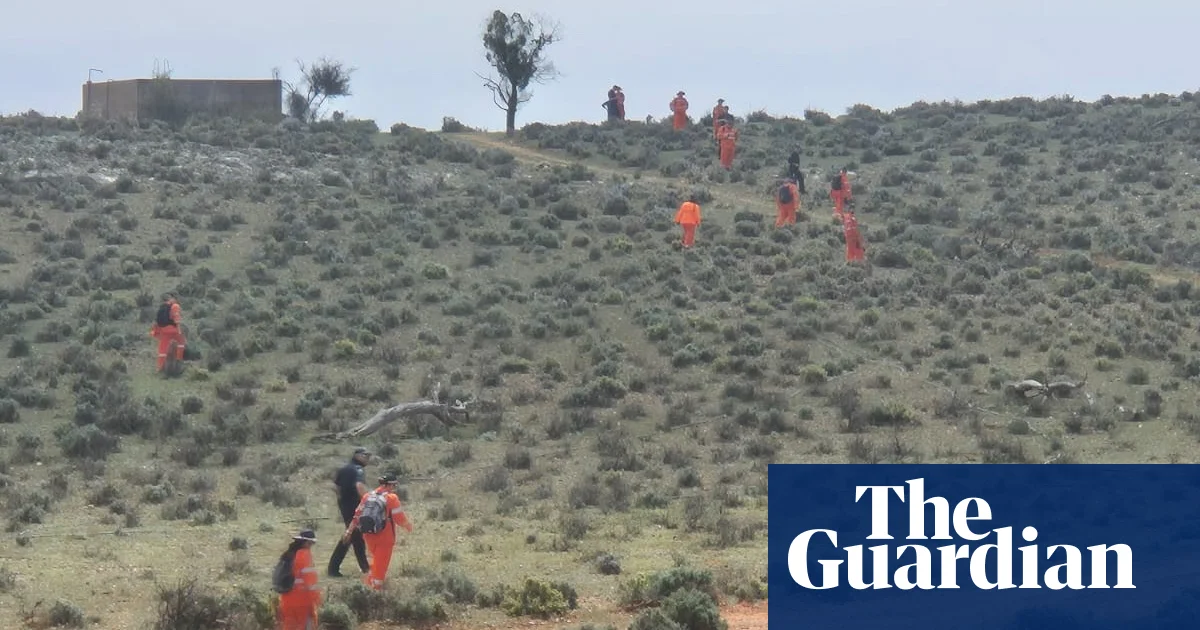
Police intensify hunt for missing boy Gus in outback SA, guided by survival experts

Unfolding Human Tragedies and the Shifting Geopolitical Landscape

Across the globe, hotbeds of conflict and natural disasters continue to expose the fragility of international stability and the resilience of societies. The heartbreaking story of Gus Lamont, a four-year-old missing in the vast outback of Australia, has captured widespread attention, yet it also reflects a broader pattern of how local tragedies resonate with global narratives. As authorities expand exhaustive search operations involving defense forces, the incident underscores the how human vulnerabilities and the fight for survival remain universally intertwined with geopolitical tensions and resource struggles.

Meanwhile, international organizations like the United Nations continue to grapple with crises that threaten regional stability. The recent escalation in the Ukrainian conflict and countering shifts of power in the Middle East demonstrate how internal conflicts often escalate into broader geopolitical confrontations. Countries such as Russia and China are watching closely, exerting influence through diplomatic and economic means. The transparency of these developments is crucial, as their flares of conflict could ignite further international instability, prompting powerful nations to adjust their strategic postures.

Historian and geopolitical analyst James Harrington warns that these accumulating tensions threaten to reverberate far beyond their immediate regions. His assessments echo the concerns of data from the International Crisis Group and think tanks, which emphasize that decisions made in the shadow of local crises heavily influence the future of global order. As climate change accelerates disasters like droughts and floods, countries are forced to prioritize their own security and sovereignty, often at the expense of international cooperation. This phenomenon manifests vividly in the Australian case, where exhaustive search efforts stretch local resources but also highlight the limits of state capacity when confronting unpredictable emergencies.

In this era marked by rapid shifts, the role of global power dynamics becomes more evident. The recent renewed efforts to expand military and technological alliances signal an underlying competition for influence that leaves societies embroiled in larger strategic struggles. As the European Union and United States further tighten their international collaborations, nations buckle under increasing pressure to maintain sovereignty while navigating the complexities of a changing world. The unfolding story of Gus Lamont, though local in scope, becomes emblematic of a broader consensus —that human tragedies are often catalysts for geopolitical recalibration.

Conclusion: The Weight of History in the Making

As the search for Gus Lamont continues amid a backdrop of mounting international crises, the world is reminded that history is often shaped by moments of profound vulnerability. Today’s choices, alliances, and responses to crises will echo through generations, determining whether societies will find resilience or succumb to chaos. The weight of history remains heavy on the shoulders of leaders and nations alike, as they navigate an unpredictable future where every decision writes a new chapter in the ongoing saga of global stability.

Fact-Check: Claims of AI replacing teachers exaggerated, experts say

Dispelling Myths: The Reality of Trump’s Climate and Energy Policies versus Project 2025 Claims

In recent discussions surrounding President Donald Trump and the conservative initiative Project 2025, a recurring theme is the assertion that both favor dramatically increasing fossil fuel production while undermining green energy efforts and climate change initiatives. However, an examination of the facts from reputable institutions and experts reveals a more nuanced landscape. It is crucial for informed citizenship to distinguish between political rhetoric and empirical evidence, especially on issues as vital as climate policy and energy security.

Fossil Fuel Production: What do the facts say?

It is accurate that the United States has been the world’s leading crude oil and natural gas producer for several years, with the U.S. Energy Information Administration (EIA) confirming this trend through comprehensive data. President Trump’s campaign rhetoric of “drill, baby, drill” was rooted in a desire to boost domestic energy independence. Nonetheless, as of 2023, fossil fuels only accounted for roughly 11% of the U.S. energy mix—down significantly from a higher percentage during the mid-20th century. This decline reflects market shifts towards renewable energy sources and technological advancements, not solely policy changes.

While Project 2025 advocates for massive expansion of oil and gas drilling, including in sensitive areas like the Arctic National Wildlife Refuge and the National Petroleum Reserve in Alaska, the actual policy implementation has been met with substantial legal and legislative hurdles. For instance, Biden’s administration has used the Outer Continental Shelf Lands Act to prioritize renewable development and preserve untouched regions, leading to ongoing court battles over executive orders and leasing programs. Despite efforts to reopen leases and reschedule drilling permits, court rulings indicate that the notion of an unchecked “surge” in fossil fuel extraction under Trump’s preferred policies remains unfulfilled in practice.

Climate Change Policies: Fact vs. Narrative

Claims that Trump and Project 2025 are entirely dismissive of climate change are oversimplifications. It is true that Trump withdrew the U.S. from the Paris Agreement and sought to rescind the 2009 EPA greenhouse gas endangerment finding—legal foundations for climate regulation—arguing that these were necessary to restore American energy sovereignty. However, assessments from the National Academies of Sciences, Engineering, and Medicine reaffirm that the 2009 finding is scientifically sound and well-supported by broad international consensus.

Further, the Trump administration’s efforts to cut funding and staffing of the EPA’s Office of Research and Development and the cancellation or rollback of climate assessments—such as the National Climate Assessment—are demonstrable and documented. Yet, courts have often ruled that agencies must operate within the authority granted by law; for example, a 2019 court decision confirmed that only Congress could overturn the Outer Continental Shelf Lands Act, limiting executive attempts to sideline environmental protections.

Thus, while policies enacted and proposed by Trump and his allies have aimed to roll back regulations—aligned with the claims of Project 2025—the legal and institutional landscape has limited their scope and enforceability. The overall scientific consensus remains that climate change is a significant threat—validated by bipartisan entities including the American Geophysical Union—and that the policies of the Trump era, while reversing some regulations, do not dismiss the scientific consensus on climate change itself.

International and Domestic Energy Strategy: The Bottom Line

Claims that Trump and Project 2025 seek to withdraw from international climate commitments, such as the Paris Accord, are verified. Trump’s executive orders moved swiftly to submit formal withdrawal notices, which took effect after the statutory year-long period. While the Biden administration has since recommitted to these international agreements, actual policy actions such as lease cancellations and permitting delays reflect a deliberate shift in national approach towards more fossil fuel reliance—yet these are subject to legal challenges and political debates.

Similarly, allegations that Project 2025’s plans to revive coal and oil industries ignore environmental health are contradicted by court rulings and legislation emphasizing balanced resource management. The court decisions emphasize adherence to statutory authority and scientific integrity, constraining broad deregulation efforts. In sum, the Biden and Trump administrations have competing visions of energy policy, but the legal frameworks and court decisions suggest a complex, imperfect landscape rather than a wholesale rollback or expansion as claimed.

The Essential Role of Truth in Democratic Discourse

Understanding the facts about energy and climate policies is essential to responsible citizenship and the health of our democracy. Sound information enables voters to evaluate claims critically, recognizing the limits of executive power and the importance of scientific consensus. While policy debates will certainly continue, it is incumbent upon all Americans to base decisions on verified data—distinguishing between political narratives and established facts. Only through transparency and diligent inquiry can we hope to craft policies that truly serve our nation’s energy needs, economic security, and environmental stewardship.

Fact-Check: Company’s COVID-19 vaccine claim is misleading, experts say.

Investigating the Claim: Was an Octopus Spotted Off Portugal Hovering Near a Diver?

Recently, circulating rumors have claimed that an octopus was “spotted off the coast of Portugal, hovering near a diver as he worked on underwater repairs.” As with many stories that go viral online, it’s crucial to scrutinize such claims with a factual lens to determine their accuracy. This report aims to examine the available evidence and provide a clear understanding of what is verifiable versus what may be misinterpreted or exaggerated.

Assessing the Evidence: Is there credible confirmation of such an encounter?

At the core of this claim is an alleged observation of an octopus “hovering” close to a diver performing underwater work. Would a credible source or documented sighting support this claim? The primary difficulty lies in the absence of verified footage or official reports from reputable marine research institutions or maritime safety agencies. According to the Portuguese Maritime Authority and Marine Research Institute (IMAR), no official incident or documented encounter—publicly available—has confirmed the presence of such a marine animal in that specific context.

  • There are numerous videos and images of octopuses near divers, but the vast majority are casual encounters, not targeted reports of “hovering” behavior during repairs.
  • Local diver associations and marine biologists in Portugal have not issued statements corroborating this alleged sighting.

Clarifying octopus behavior: Is “hovering” typical or plausible?

Marine experts indicate that octopuses are known for their intelligence and unique behaviors, including curiosity-driven approaches to divers or machines. However, the term “hovering” may be misleading. Dr. Ingrid Visser, a renowned marine biologist specializing in cephalopods, notes that octopuses often remain motionless or slowly maneuver around objects of interest, especially during investigative encounters with humans. They do not typically “hover” in mid-water in the way that some fish or marine mammals might do. Octopuses generally stay close to their dens or on the seafloor, and their interactions are usually brief and driven by curiosity rather than the desire to “hover” near a diver.

Is the story rooted in a credible event or a misinterpretation?

Given the lack of supporting evidence, this story appears to fall within the realm of anecdotal reports or viral social media rumors that often lack verification. Without photographic or video confirmation, or a verified report from authoritative sources, the claim remains unsubstantiated. Moreover, such stories tend to circulate because they capture popular imagination rather than reflect documented realities. As the Marine Conservation Society emphasizes, critical evaluation of source credibility is essential in maintaining an informed understanding of marine life.

Conclusion: Why factual accuracy matters

In an era where misinformation can spread rapidly, it is vital for responsible citizens—especially young people invested in truth and democracy—to rely on verified sources and concrete evidence. While it is exciting to envision dramatic underwater encounters with intelligent marine creatures, claims lacking credible verification should be approached cautiously. Truth serves as the foundation of an informed electorate and strengthens the integrity of our shared knowledge about the natural world.

Ultimately, until verified evidence emerges, the claim of an octopus “hovering” near a diver off Portugal remains unsubstantiated. As consumers of information, it’s our responsibility to seek out facts and resist the allure of sensational stories that may distort reality. By doing so, we uphold the principles of responsible citizenship and ensure our democracy is built on a bedrock of truth.

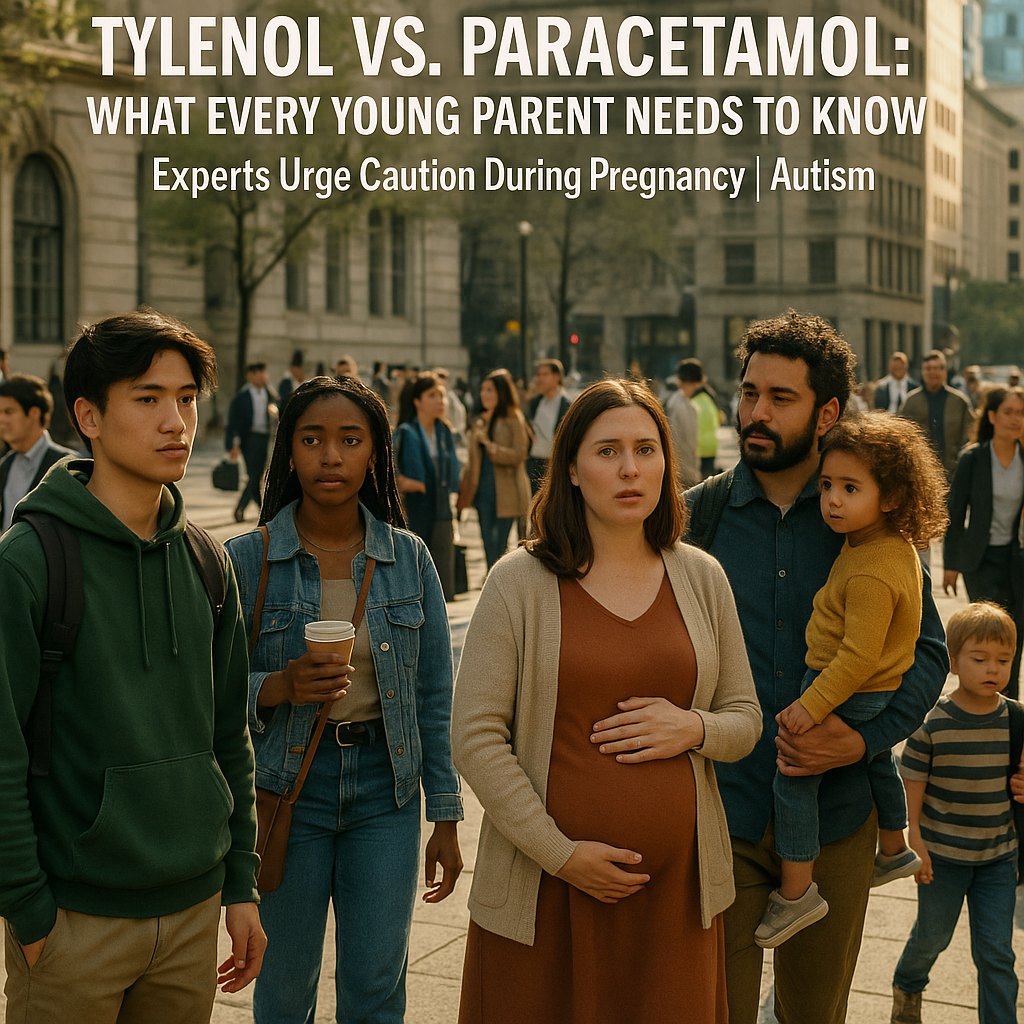
Tylenol vs. Paracetamol: What Every Young Parent Needs to Know — Experts Urge Caution During Pregnancy | Autism

In recent years, society has been sharply divided over issues that probe the very fabric of trust in our health institutions and the social understanding of neurodiversity. The controversy surrounding the President’s recent public claims about paracetamol and autism exemplifies a broader cultural battle: on one side, the importance of scientific consensus and on the other, populist narratives that challenge established expertise. Despite the scientific evidence indicating no causative link between acetaminophen and autism, political figures continue to wield influence through misinformation, sowing distrust among families, educators, and healthcare providers. This erosion of trust hampers efforts to keep expectant mothers safe and informed, complicating decisions that directly impact the health of future generations.

The rising prevalence of autism diagnoses, from four or six cases per ten thousand in the past to nearly 1–3% of the population today, underscores a complex social challenge. The widespread recognition and improved diagnostic protocols have played a significant role in this increase, but there remains an unspoken tension about environmental and social factors that could influence neurodevelopment. As sociologists like Dr. Abigail Turner highlight, “the societal narrative frames autism either as a disorder to be cured or as a variation of human cognition to be marginalized.” This dual perception fuels social isolation, stigmatization, and a distorted moral discourse that undermines the dignity of autistic individuals, casting them as problems instead of diverse members of society with their own unique talents and perspectives.

In communities where families face social stigma or insufficient support systems, the pressure to conform to conventional norms often exacerbates feelings of guilt and shame—emotions that are only intensified by political rhetoric suggesting blame or crisis. The recent decision by the FDA to include a warning about a potential, yet unproven, link between Tylenol and autism exemplifies how official guidance can become a battleground for societal fears. While the agency emphasizes the absence of causality, such warnings isolate parents and create a moral dilemma: risk untreated fever versus potential harm, a choice fraught with emotional and social consequence. For parents, educators, and health workers, these shifts threaten to undermine confidence and diminish a shared moral authority essential for community cohesion. As historian Prof. Marcus Lee notes, “the social trust necessary to face health crises collapses when scientific messages are politicized or misunderstood.”

Amidst this turbulent landscape, hope lies in the resilience of communities dedicated to fostering understanding and inclusion. Initiatives like increased funding for neurodiversity acceptance and evidence-based public health campaigns aim to recalibrate societal attitudes, emphasizing mercy over blame and support over stigma. As social commentators like Dr. Lisa Grant argue, “transformative change begins when society recognizes our collective responsibility to protect and uplift all its members, regardless of diagnosis or societal expectations.” Only through a firm commitment to truth and community engagement can society navigate these social fissures, transforming fear into hope, division into unity, and misinformation into knowledge. The challenge remains, yet within this struggle lies the potential for society to forge a future where trust and compassion become the new anchors of social cohesion, illuminating a path toward a society that truly values every individual’s human dignity.

Experts Pick 2022’s Top Cash Back Card for Young Savers

As the financial landscape shifts in 2022, experts are highlighting a standout option for savvy spenders: the best cash back card of the year. For young consumers eager to maximize their purchasing power, this card offers competitive rewards that can make a real difference in monthly budgets. With rising living costs, having a reliable cash back card is more essential than ever.

This cash back card not only features generous rewards on common spending categories like groceries and gas but also comes with no annual fee—perfect for those still navigating the financial world. For young professionals and students, this combination allows for flexibility in managing expenses while still benefiting from cash back on everyday purchases. If you’re aiming to make the most of your finances, this card could be a strategic tool in your financial toolkit.

Social Media Auto Publish Powered By : XYZScripts.com