Matox News

Truth Over Trends, always!

Hantavirus Concerns Rise as Cruise Passengers Possibly Exposed, WHO Warns

Global Health Crisis Escalates as New Virus Cases Confirmed on International Vessel

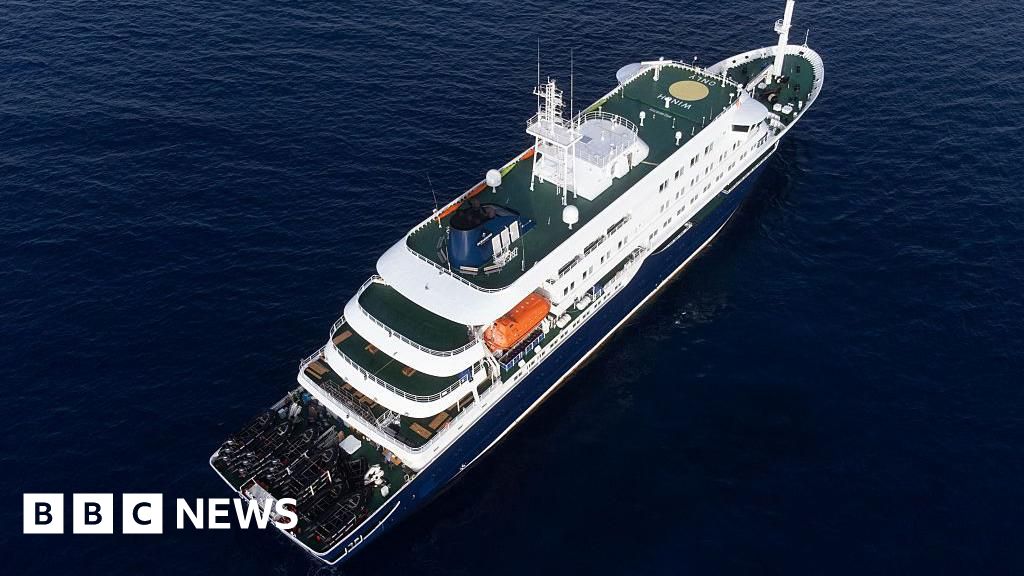
In a troubling development, two confirmed cases of a novel virus have emerged aboard an international cruise ship, raising alarm across nations committed to controlling global health threats. The cases, which involve a pathogen that rarely spreads between humans, are notable for their unexpected transmission, challenging established epidemiological assumptions. The situation has been exacerbated by the tragic loss of three lives, signaling a potentially dangerous turning point in the outbreak that has now captured the attention of global health agencies and governments alike.

The incident underscores the fragile interconnectedness of today’s world, where a virus originating in isolated regions can quickly find new conduits across borders via transportation networks. The cruise ship, which was traveling across multiple jurisdictions, not only raises immediate health concerns but also highlights the geopolitical implications of international mobility during outbreaks. Critics argue that this event illuminates long-standing vulnerabilities in maritime health protocols, and legislators worldwide are under mounting pressure to implement stricter quarantine measures. The International Health Regulations of the World Health Organization (WHO) face renewed scrutiny as nations scramble to contain the potential spread of an elusive pathogen once thought to be confined to remote regions.

Broadly, this crisis is exposing the geopolitical fragility of global health security alliances. Countries with advanced medical infrastructure, such as the United States, the European Union, and Japan, have pledged swift responses, yet the incident exposes cracks in international cooperation. Experts, including renowned epidemiologists and analysts from organizations such as the Centers for Disease Control and Prevention, warn that early containment hinges on transparent information sharing and rapid response coordinated across nations. The virus’s ability to leap between humans despite its rarity increases the risk of wider outbreaks, and history teaches that prompts, decisive action can alter the trajectory of such crises—yet delays or misinformation can deepen the catastrophe.

The geopolitical impact of this development extends far beyond health borders. Heightened governmental measures threaten economic stability, as trade routes and global tourism—particularly in the maritime sector—face disruption. Countries with strategic maritime dominance are positioned to leverage their influence in shaping international responses, potentially fueling geopolitical tensions. Meanwhile, international organizations grapple with the urgent need to facilitate cooperation, despite differing national interests and resource disparities. This event serves as a stark reminder that health crises are intertwined with notions of sovereignty and international diplomacy, where the decisions made can either forge unity or deepen divisions.

As history now watches from the sidelines, the unfolding narrative leaves a haunting question: Will the world united in action succeed in thwarting this invisible threat, or will it reveal that even the most isolated diseases can become catalysts for global upheaval? The weight of history is still under construction, and the choices made in these critical hours will determine whether humanity can prevail against the silent march of the pandemic or succumb to its relentless march. The events aboard this vessel provide a sobering reflection—one that underscores the ever-present danger lurking in borders, seas, and social trust amidst a rapidly changing geopolitical landscape.

Exposed: Effort to Smuggle Nobel Laureate Out of Venezuela

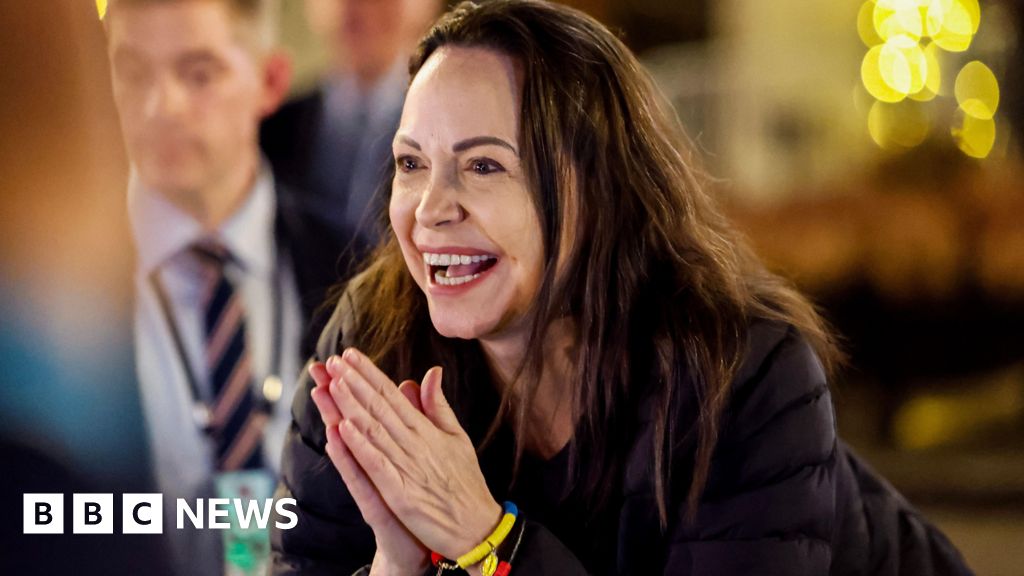
In an unprecedented display of clandestine operations and international intrigue, Venezuela finds itself again in the global spotlight amid a tense geopolitical climate. A daring rescue mission, dubbed Operation Golden Dynamite, successfully extracted the prominent opposition leader and Nobel laureate, María Corina Machado, from her hidden sanctuary within the country. The clandestine plan, executed by the private intelligence firm Grey Bull Rescue, involved perilous sea crossings through rough, pitch-black waters, all designed to foil the ever-watchful eyes of authoritarian regimes. Such maneuvers are not just daring feats—they are emblematic of the rising tides of tension between Venezuela and Western powers, especially the United States, which has recently ratcheted up its rhetoric against Nicolás Maduro’s government.

The operation’s success raises serious questions about the underlying intentions behind U.S. involvement. Analysts and historians warn that these covert actions are indicative of a broader, behind-the-scenes escalation of non-conventional warfare aimed at regime change. The founder of Grey Bull, Bryan Stern, confirmed that preparations had been underway for months, with infrastructure built in the Caribbean designed to facilitate quick evacuations of key opposition figures or American allies should Venezuela’s internal crisis spiral further out of control. The fact that this rescue was financed privately, without formal government backing, underscores the shadowy nature of international power plays, where decisions made in secret can have profound and lasting geopolitical impacts across the region and beyond.

Critics and international observers contend that the rising unrest is deeply intertwined with U.S. attempts to weaken Maduro’s grip and promote regime change, echoing historical patterns seen in comparable conflicts. The move comes amid mounting speculation that the Biden administration is weighing more aggressive options, including possible military intervention, especially given President Donald Trump’s recent inflammatory remarks accusing Maduro of drug trafficking and violent crimes. According to international security analysts, such rhetoric is designed to serve as strategic pressure—a warning to authoritarian regimes and opposition groups alike. The unfolding drama suggests the region stands on the brink of a new conflict, where diplomatic negotiations may be overshadowed by covert operations, escalating tensions with long-lasting consequences for societal stability in Venezuela and the broader Latin American corridor.

Historically, conflicts driven by external interference have reshaped nations, often leaving scars that persist for generations. United Nations and other global organizations have repeatedly warned of the dangers posed by interventionist policies that undermine sovereignty and fuel cycle of violence. As Venezuela faces internal turmoil and external pressures, the decision-making funnel held by international actors will undoubtedly influence the course of history. The story of María Corina Machado’s rescue is more than an isolated event; it is a chapter in a much larger saga—one where the weight of history continuously shifts, and the fate of nations is decided behind the veils of secrecy and power. As the sun rises over a continent on the brink, the world must ponder: how many more secrets, more interventions, and more sacrifices lie ahead in this unfolding geopolitical chess game?

Social Media Auto Publish Powered By : XYZScripts.com


