Matox News

Truth Over Trends, always!

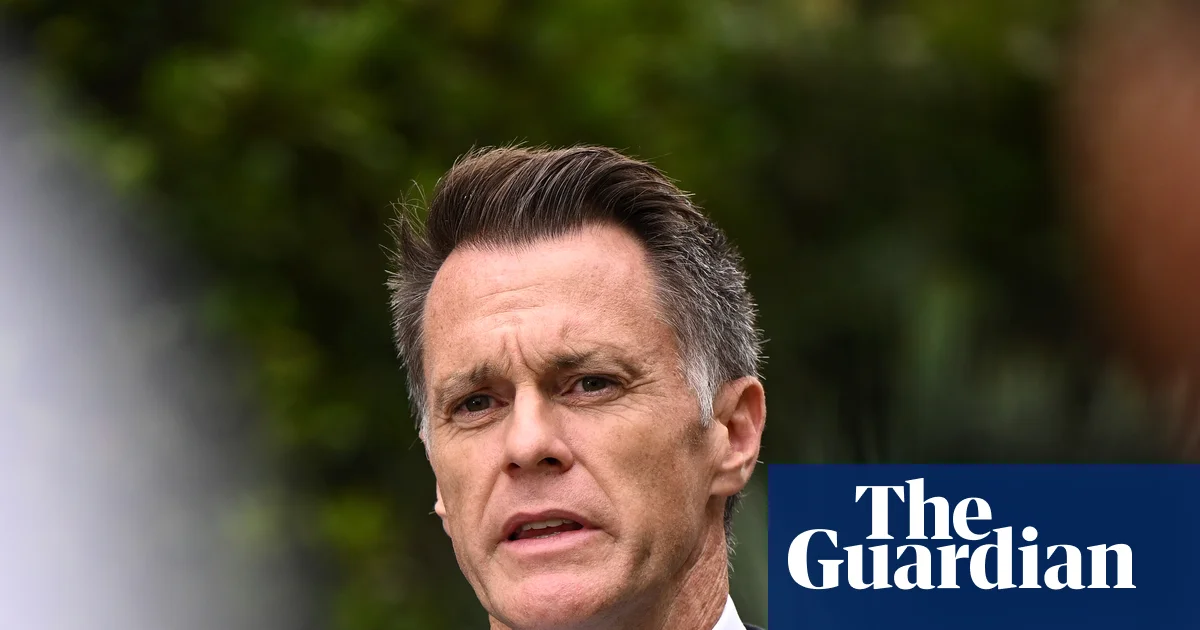
NSW scores an extra holiday for Anzac Day, but other states opt out

Responses to national traditions in Australia continue to reflect rising considerations around identity, history, and geopolitics. Recently, the government of New South Wales announced the extension of Anzac Day observances by adding public holidays for 2026 and 2027 when the April 25 holiday falls on weekends. Such measures are not merely local politics but are intertwined with broader international reflections on military history, national sovereignty, and the symbolic weight of honoring wartime sacrifice. The announcement aligns with a conscious effort to preserve Australia’s national identity within the global arena, and analysts see it as an attempt to bolster national unity amid evolving geopolitical challenges.

The decision comes amid delineations of tradition and modern societal needs, with Premier Chris Minns emphasizing that the extended holiday does not diminish the solemnity of Anzac Day. In fact, it serves to enhance the recognition of service members and their contributions, acknowledged as foundational to Australian sovereignty and cultural resilience. However, critics, mainly small business associations, warn that such changes could introduce economic strain, especially on local commerce. The Returned and Services League of Australia (RSL) has expressed support, underlining the societal importance of allocating time for families of defense personnel. Yet, the move also underscores a deeper, bigger geopolitical discussion about how nations choose to commemorate history—balancing tradition with the realities of a rapidly changing world.

Across Australia, not all states are following suit. Queensland and Victoria will maintain their existing public holiday configurations, reflective of regional variance in societal priorities. The broader geopolitical impact of such decisions extends beyond mere calendars; it signals the political weight placed on national identity and historical memory amid global disorder. Historians and international analysts note that these commemorative practices are not static but are subject to political contestation—serving as symbols that maintain societal cohesion in uncertain times. Indeed, in a world increasingly fragmented by conflicts and ideological divides, nations like Australia are carefully crafting ceremonies that reaffirm their sovereignty while navigating external pressures, such as China’s rising influence in the Indo-Pacific or the lingering shadow of great-power rivalry.

As moderate right-wing youth-driven voices scrutinize these developments, questions about how history shapes present policies gain greater urgency. The debate over public holidays is more than ceremonial; it is a mirror of a society grappling with its past while facing an uncertain global future. For historic students, foreign policy experts, and citizens alike, every decision echoes across the corridors of international relations. Today, Australia’s move to extend its commemorative holidays may seem small, but it echoes a profound truth: that in the theater of geopolitics, history’s weight can influence the future in ways both overt and subtle. As the world observes, the unfolding narrative of Australia’s national remembrance continues to write itself into the broader story of nations striving to preserve their identity amidst relentless change—an enduring testament that history, like the tides of the current, is never truly finished.
Autistic teen's plea for extra exam time overlooked by council, raising concerns about inclusive support
Autistic teen’s plea for extra exam time overlooked by council, raising concerns about inclusive support

Discrimination and the Struggle for Inclusivity in Education

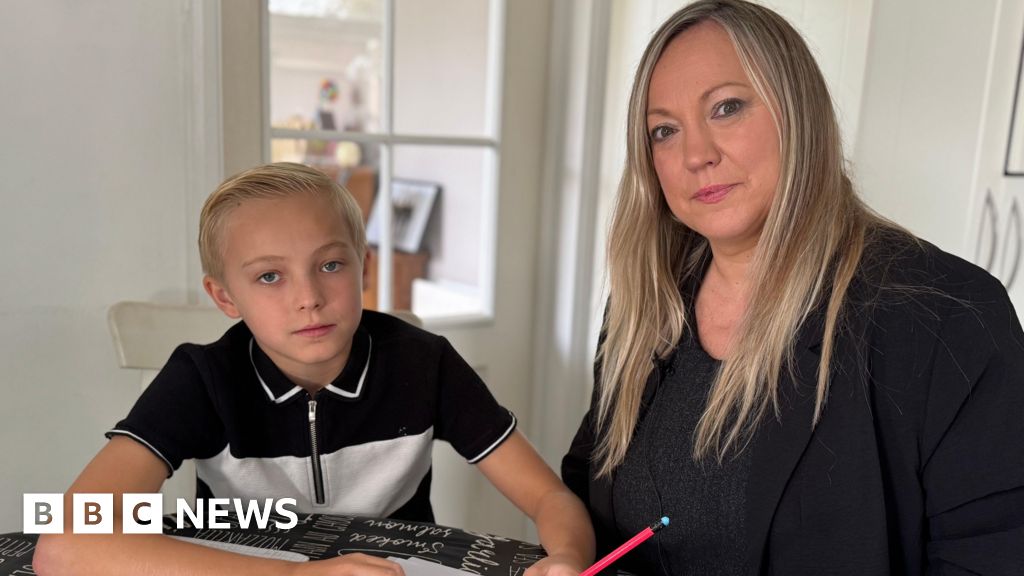
Recent cases like that of Joshua, a 10-year-old boy diagnosed with autism and ADHD, have cast a spotlight on the ongoing \_battle for fair treatment within our education system.\_ Despite professional recommendations that he be granted 25% extra time during his 11+ exams—necessary accommodations to support his neurodiverse needs—Kent County Council (KCC) denied this request, citing adherence to established \_equalities law\_.

Joshua’s mother, Nicky, a qualified teacher and leader in special educational provision, expressed her dismay, asserting that her son was \_let down\_ by the system that should be designed to embrace inclusivity. Her critique echoes a broader societal tension: while our laws advocate for equality, their implementation often falls short for vulnerable communities, especially when bureaucratic procedures overlook professional advice or individual circumstances.

Communities and Families Bearing the Brunt of Systemic Gaps

Families like Nicky’s exemplify the profound personal toll. Her advocacy underscores how social issues extend beyond policy documents, directly influencing familial well-being and the future prospects of children with special needs. The disconnect between official guidelines—such as those from the Joint Council for Qualifications—and local authorities’ interpretations reveals a \_cultural gap\_ that hampers genuine inclusion.

Within many communities , families are torn between fighting for their children’s rights and grappling with systemic indifference. Sociologist Dr. Alan Goodman notes that social policies often unintentionally perpetuate \_demographic divides\_, especially affecting working-class families who lack the resources for persistent legal or bureaucratic battles. This disparity fuels a cycle where children with neurodivergence, instead of receiving tailored support, are simply sidelined or dismissed, contributing to a social fabric increasingly frayed at its edges.

Transformative Potential Through Education and Cultural Shift

Experts like Jess Hendrickx, a neurodivergent assessor and author, emphasize that **education alone isn’t enough; a societal shift toward **\_greater understanding and empathy\_\_** is essential.** The conversation around \_neurodivergence\_ has gained unprecedented momentum, yet the challenge lies in translating awareness into action. As sociologist Dr. Emily Carter underscores, \_inclusivity is a cultural commitment\_ that requires local authorities, educators, and communities to prioritize personalized support over rigid standards.

  • Implement comprehensive training for teachers and officials on neurodivergent needs
  • Develop policies flexible enough to accommodate diverse learning styles
  • Engage families as equal partners in educational planning
  • Ensure legal adherence while respecting individual circumstances

Ultimately, the core issue remains the society’s moral obligation to nurture its youngest members, ensuring no child is left behind simply because bureaucratic procedures are ill-equipped to recognize human diversity.

As society stands at this crossroads, the hope of transformation flickers like a distant star—fragile but enduring. The challenge is to build a future where social justice in education is no longer an aspiration but an unwavering reality, lightening the path for souls like Joshua, and reminding us all that in our collective striving, humanity’s true strength is found.

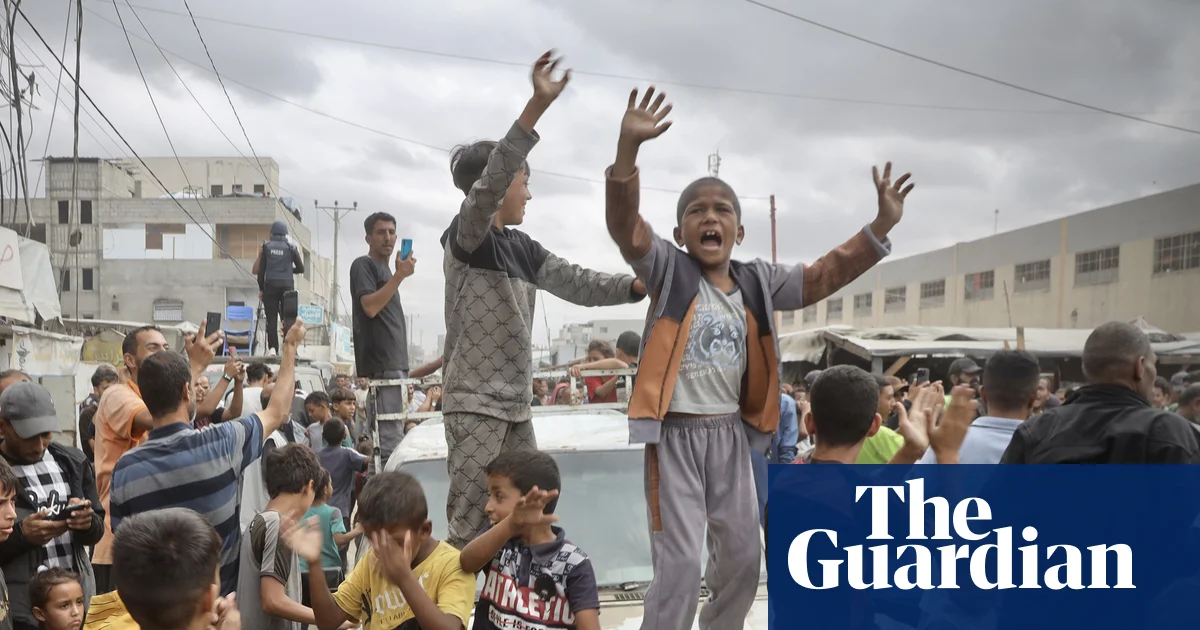
Palestinians Celebrate Ceasefire Deal: A Step Towards Peace—Today in Focus Extra | Gaza

Ceasefire Sparks Hope in Gaza and Beyond

In a significant diplomatic breakthrough, Israel and Hamas have announced a ceasefire agreement in the ongoing Gaza conflict, bringing a temporary end to what has been a harrowing two-year war zone. Announced in the early hours of Thursday, this development signals a potential shift in the relentless cycle of violence that has gripped the enclave, yet analysts warn that the road ahead remains fraught with challenges and unresolved issues.

The reactions from those directly impacted paint a complex picture of relief mixed with lingering pain. Ansam Tantesh, an English graduate living in Gaza, encapsulates the suffering faced by civilians: “The pain, she shares with Annie Kelly from The Guardian, ‘will never leave my heart’. Despite the cessation of airstrikes, the human toll—marked by loss, destruction, and trauma—continues to overshadow hopes for peace.” Humanitarian workers like Mai Elawawda emphasize that while the ceasefire provides a crucial pause, the dire needs for food, water, and shelter remain unmet for many Gazans. The ongoing humanitarian crisis underscores how decisions made at the international level directly affect daily life and human rights in conflict zones.

Despite the optimistic headlines, experts underscore that this ceasefire is but a fragile pause, not a definitive resolution. International organizations, such as United Nations officials and regional analysts, warn that the underlying issues—territorial disputes, refugee rights, and security guarantees—still loom large. The international community remains divided over assigning blame and responsibility, with some nations advocating for a permanent solution and others calling for a pragmatic, immediate ceasefire. Historians like Noam Chomsky have long highlighted the regional geopolitical stakes, noting that the conflict is deeply embedded within broader regional rivalries involving Iran, Egypt, and Turkey. Such dynamics complicate efforts for a durable peace, as well as influence the strategic calculations of global powers.

  • The ceasefire marks a potential turning point, possibly opening diplomatic channels that have been closed for years.
  • However, persistent issues such as the blockade of Gaza, settlement expansions, and the status of Jerusalem threaten future stability.
  • International organizations stress that sustainable peace requires addressing these root causes, not just temporary truce agreements.

The geopolitical impact of this ceasefire extends well beyond Gaza’s borders. Israel faces intensified scrutiny over its military operations and settlement policies, which critics argue exacerbate instability. Meanwhile, Palestinians in Gaza and the occupied West Bank see this as a moment of cautious hope, yet also warn against complacency. Historically, such brief pauses in conflict have often been undermined by unresolved grievances, making future confrontations all the more probable. The decisions made now will undeniably shape the socio-political fabric of the region for generations, determining whether this fragile moment of peace transforms into a lasting resolution or simply a fleeting respite in an ongoing saga of conflict.

As the dust settles and international observers watch closely, the weight of history presses heavier than ever. The coming days will reveal whether this peace holds—a brief hope or a true turning point—yet the scars of this ordeal will remain, etched deep into the collective memory of a fractured region. The world stands at a crossroads, witnessing a moment where diplomacy and perseverance are tested, and where the future of millions hangs in the balance. The unfolding story of Gaza is not just a regional saga but a chapter in the ongoing contest for influence, security, and dignity on the global stage.

Social Media Auto Publish Powered By : XYZScripts.com