Matox News

Truth Over Trends, always!

Local Teen Soccer Star Shines in Championship Victory, Eyes Future Pros

A New Era for Manchester United Under Michael Carrick

In recent weeks, Manchester United has experienced a renaissance that many fans feared was out of reach. Under the steady guidance of their new manager, Michael Carrick, the team has shown significant improvement, positioning itself firmly in the race for European qualification. While the shadows of previous tumultuous seasons loom large, Carrick has emerged as a beacon of hope, significantly restoring the team’s confidence and performance on the pitch.

The transformation has not gone unnoticed. Commentators and analysts have lauded Carrick’s calm demeanor, especially in contrast to the melodrama that characterized the tenure of his predecessor. In a recent interview, Carrick stated, “It’s all about creating a strong foundation. We want to build something great for the fans.” This mantra seems to resonate throughout the team. The players are responding to Carrick’s focused strategies and are exhibiting a newfound sense of unity.

  • Match Highlight: In their latest match against Arsenal, Carrick’s tactical adjustments were evident, allowing United to secure a crucial 2-1 victory.
  • Player Stats: Star player Bruno Fernandes scored a stunning goal, demonstrating not just skill but also leadership.
  • Takeaway: The team has now won four consecutive matches, a first since the previous season, fueled by a blend of youth and experience.

With every passing game, Carrick’s influence expands, and under his stewardship, players like Fernandes and young talent Anthony Elanga are emerging as critical components of a revitalized squad. Commentators are calling for a collective effort from the fans, emphasizing that support at Old Trafford can turn these promising performances into long-term success. As the team eyes European matches for next season, the emphasis is not merely on results but on fostering a winning culture.

As the football world remains captivated by the rise of Manchester United, the team’s journey encapsulates a larger narrative—one where sports serve as a unifying force. Each kick, each goal, and every cheer from the stands reminds us that while the scoreboard may dictate the outcome, the true spirit of the game lies in the communities it brings together. As Carrick leads his squad with determination and vision, the path toward European competition appears bright, echoing the idea that in sport, hope triumphs over adversity.
Source link

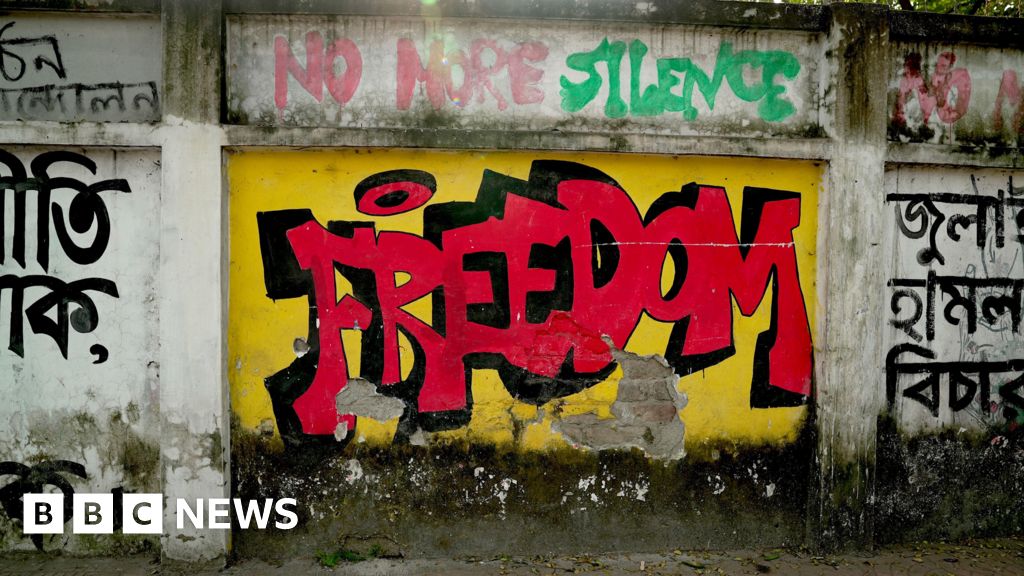
Gen Z's Fight: Upstart Youths Challenge Autocrat, but Old Guard Eyes Bangladesh Win
Gen Z’s Fight: Upstart Youths Challenge Autocrat, but Old Guard Eyes Bangladesh Win

Bangladesh Election: Youth Uprising Meets Political Status Quo

The recent electoral contest in Bangladesh has emerged as a defining moment in the country’s political landscape, illustrating the tension between youthful aspirations and entrenched party politics. On one side, a wave of student-led protests and grassroots activism promised a new dawn of reform and democratic renewal. These young voices, energized by hopes for greater transparency, economic opportunity, and democratic accountability, symbolized a generational desire for change. Yet, despite the palpable yearning for a fresh start from the youth and civil society, the electoral outcome suggests a different reality: the old political guard still commands the corridors of power.

In the months leading up to the election, student protests and civic movements highlighted widespread discontent with corruption, governance failures, and the perceived authoritarianism of the current leadership. International observers, including analysts from the International Crisis Group and regional think tanks, noted that the surge in youth activism was reflective of broader societal anxieties about economic stagnation, unemployment, and perceived repression. However, the traditional parties—most notably the ruling Awami League and opposition alliances—maintained a firm grip on political machinery and electoral processes, ensuring their victory despite vigorous protests from the younger generation.

The election results, widely seen as a reaffirmation of the status quo, have raised profound questions about the geopolitical impact of Bangladesh’s internal decisions. As India and China continue to vie for influence in South Asia, Dhaka’s political orientation will have significant implications for regional stability and strategic alignments. The dominance of established parties raises fears among analysts that the country remains vulnerable to external pressures, especially considering its strategic position bordering India and its ongoing economic ties with China. Some experts warn that this electoral outcome may deepen a pattern of autocratic resilience, potentially hampering genuine democratic reforms and further entrenching military and political institutionalism.

International institutions have voiced cautious concern. The United Nations and regional bodies called for transparent processes, yet their influence remains limited amid Bangladesh’s strong internal political narratives. Historians tracking the country’s political evolution note that the pattern of youthful unrest contrasted sharply with the reassertion of traditional elites, a dynamic not unfamiliar in South Asian democracies. Strategic analysts reflect that, while the youth’s voice is vital for the future, entrenched interests and historical power structures continue to define electoral outcomes, often at odds with revolutionary aspirations. This persistent clash underscores that the true contest is not only about votes but also about the soul of a society yearning to move forward.

As the dust settles, Bangladesh’s future hangs in a delicate balance. The young protesters, who once envisioned a new dawn, now face a reality where ambition must contend with history. Governments and societies worldwide watch closely—aware that today’s electoral verdict might only be a chapter in an ongoing struggle between tradition and reform. With the weight of history pressing down, the question remains: will this be a moment of genuine transformation, or merely another cycle of the old guard securing their place in a nation still searching for its true voice? Ultimately, the unfolding stories of these during democratic battles reveal that, in the turbulent currents of history, the true revolution may lie just beyond the horizon, waiting for its moment to redefine the future of Bangladesh.”

UK Eyes Denmark’s Strict Asylum Approach—But What’s the Reality? | Migration

Over the past decade, Denmark has dramatically reshaped its approach to immigration and refugee policies, employing measures that reflect a broader trend amongst Western nations to prioritize national sovereignty and social cohesion over international humanitarian commitments. This shift, notably characterized by the replacement of permanent refugee status with highly restrictive, temporary permits, signals a deliberate effort by Danish policymakers to deter future asylum seekers. Since reforms enacted around 2015, accommodating the influx from conflict zones such as Syria, Afghanistan, and Iraq, Danish authorities have concentrated on deterrence, emphasizing language fluency, employment, and the unstable nature of residence as keystones of integration. Despite international criticism from organizations like the UN, these policies have clearly achieved their intended effect: a stark decline in asylum applications, from nearly 15,000 in 2014 to just over 2,300 in 2024. How long can a nation sustain such policies before societal cohesion suffers?

In the realm of geopolitical impact, Denmark’s example has reverberated beyond its borders. Following its lead, Britain’s recent efforts to emulate Danish measures show a growing trend among political elites to tighten borders and reduce refugee arrivals, aiming to curb what they perceive as burdens on national identity and social security. Such policies, often justified as pragmatic responses to immigration’s perceived threats, are under increasing scrutiny from international organizations and human rights advocates. Critics argue that the “deterrence-only” approach undermines global humanitarian norms and risks fostering extremism, especially when integration becomes a near impossibility under the current framework. Another layer of tension lies in how these policies reflect and influence internal political dynamics, where populist right-wing parties gain ground by advocating for “remigration” and the mass expulsion of immigrants, further polarizing societies already wrestling with identity and security concerns.

The impact on society and international relations extends beyond mere statistics. As noted by historians and analysts such as Dr. Lars Jensen, a geopolitical expert, Denmark’s policies represent an ideological shift: it’s less about humanitarianism and more about national self-preservation. Denmark’s “paradigm shift” under Prime Minister Mette Frederiksen, emphasizing repatriation and social segmentation, exemplifies a broader move within Europe toward populist political strategies. Internationally, this raises critical questions about the future of humane refugee protocols, especially as the continent faces demographic challenges—such as declining birthrates and an aging population—which threaten the very economies that are now tightening borders. Will the pursuit of short-term political gains compromise the long-term stability and moral fabric of Western societies? This dilemma frames a pivotal chapter in the ongoing contest between liberal values and nationalist sovereignty.

As history turns its uncertain pages, the story of Denmark’s policies underscores a sobering truth: the choices made today shape the societal and geopolitical landscape of tomorrow. While governments may believe they are protecting their nations’ future, their decisions carry the weight of a global narrative that is still being written—one in which the ideals of compassion, inclusion, and international cooperation are tested against the imperatives of national security and cultural identity. The world watches as these policies unfold, aware that the outcome will influence the fate of millions of lives and rewrite the boundaries of human solidarity. In this relentless march of history, the question remains: can a nation’s resolve to safeguard itself coexist with the moral obligation to uphold human dignity, or are we witnessing the birth of a new, fractured global order?

Weymouth eyes new dental university to boost local society and youth opportunities

Across the picturesque coastlines of Weymouth, a silent transformation is underway—an effort to redefine the very fabric of community life through ambitious development projects. While these initiatives aim to rejuvenate the town as a thriving coastal destination, they also reflect deeper social dynamics impacting families, education, and social cohesion. The proposed establishment of a new Allied Health Professional University, with a focus on dentistry, symbolizes a forward-looking strategy to retain local talent and create economic opportunities. Yet, beneath the glossy surface of regeneration lies a sobering reality: many communities struggling with social disparities and the erosion of traditional social bonds, which threaten the moral fabric of society itself.

The development plans, in collaboration with Health Sciences University (HSU) and local NHS partners, represent a beacon of hope for the younger generations. As sociologist Dr. Emily Carter points out, such initiatives can serve as catalysts for empowering youth, fostering local leadership, and boosting community resilience. Nevertheless, it is essential to recognize that social issues affecting families—such as economic instability, housing shortages, and accessibility to quality healthcare—often hinder the realization of these aspirations. The social tensions brewed from inequality can deepen divides, making it harder for communities to thrive collectively. The challenge remains: how to balance economic growth with social justice, ensuring that progress lifts all, rather than leaving the most vulnerable behind.

As policymakers and town planners look to boost Weymouth’s economy through projects like a hotel-led development on the Weymouth Peninsula and the creation of new homes and commercial spaces, they must also confront the social tensions brewing within the town’s social fabric. The proposed cultural hub, centered around The Rectory on St Thomas Street, aims to encourage community engagement and cultural expression. Yet, social commentators warn that without intentional efforts to bridge the gaps in education, healthcare, and housing, such projects risk becoming symbols of exclusivity rather than inclusion. Education expert Dr. Marcus Liu emphasizes that equitable access to quality education and social services is vital to fostering a society rooted in shared values and collective human dignity.

Ultimately, Weymouth’s story echoes the broader societal narrative—one where hope and hardship intertwine. The path toward a society where families can flourish, communities can unite, and youth can dream without barriers is fraught with challenges. Yet, it is a path worth pursuing. For within the quiet resilience of towns like Weymouth lies the potential for society’s transformation—an enduring reminder that the true wealth of a community resides in its social bonds, moral integrity, and the courage to confront its struggles head-on. As history reminds us, societal progress is rarely without sacrifice, but it is in those moments of collective effort that society finds its truest hope, and perhaps, its greatest renewal.

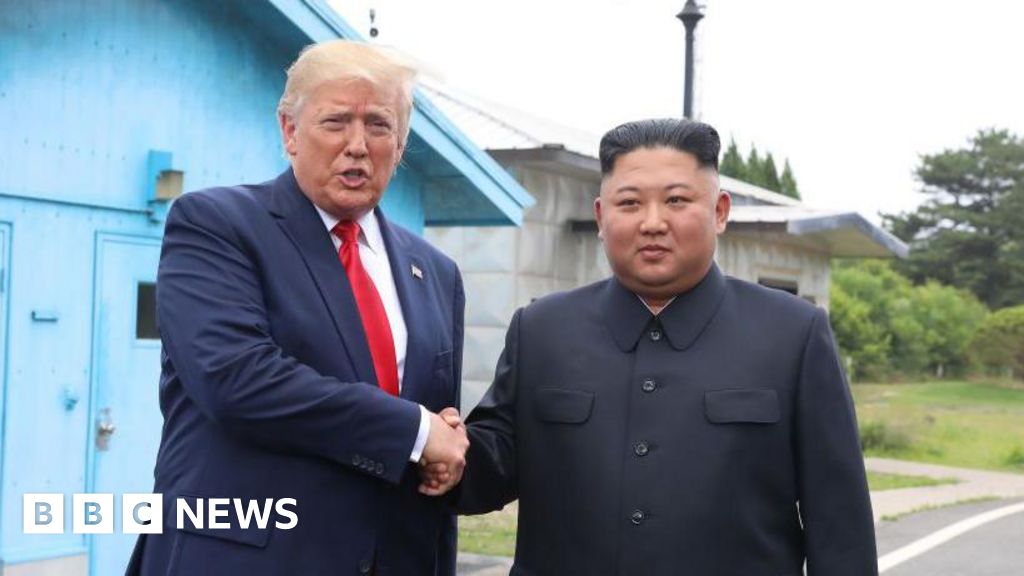
Trump Eyes Meeting Kim on Asia Tour to Strengthen America’s Position

Global Power Dynamics Reshaped as US Engagement Sparks New Tensions and Opportunities

In an era marked by shifting alliances and unpredictable diplomatic maneuvers, the United States under President Donald Trump is once again at the forefront of global geopolitical change. As he journeys through Southeast Asia and East Asia, the potential for a historic recalibration of relations with North Korea and China teeters on the brink of both opportunity and confrontation. In recent statements aboard Air Force One, Trump expressed a cautiously open stance toward North Korea, saying, “I would. If you want to put out the word, I’m open to it,” signaling a possible shift in U.S. policy toward the isolated regime. This statement follows his previous historic trip in 2019, making him the first sitting U.S. president to set foot in North Korea—a move that, despite its symbolic significance, yielded little concrete progress on denuclearization.

Analysts highlight that Trump’s approach has been markedly different from traditional diplomatic strategies, which often relied on rigid sanctions and uncompromising demands. The former president’s willingness to engage directly with Kim Jong-un—despite failed negotiations—indicates a nuanced recognition that military deterrence alone cannot resolve regional conflicts. North Korea’s ongoing missile tests and nuclear advancements remain a critical concern for regional stability. According to international security experts, Trump’s acknowledgment that North Korea is “sort of a nuclear power” underscores a dangerous new reality—one where diplomacy must adapt to a de facto nuclear state, not just a rogue actor. Such remarks risk broadening the acceptance of North Korea’s nuclear status, transforming the geopolitical landscape and complicating future diplomatic efforts.

Meanwhile, China plays a pivotal role in this volatile chess game. Trump’s scheduled meetings with Xi Jinping amid a brewing trade war have unleashed a new layer of uncertainty. Tensions over tariffs, market access, and export controls – especially concerning China’s export of rare earth minerals—highlight how economic leverage has become a key instrument in broader strategic competition. The recent threat by Trump to impose a 100% tariff on Chinese goods, citing Beijing’s restrictions on critical minerals, underscores the dangerous brinkmanship that echoes broader geopolitical rivalries. As the U.S.-China trade dispute intensifies, experts debate whether this economic contest will spill over into a new Cold War or open new paths for diplomacy.

Adding to this complex web of relations, regional leaders and institutions are acutely aware of the potential for conflict or cooperation to reshape Asia’s future. South Korea’s Unification Minister Chung Dong-young pointed to a “considerable” chance that President Trump and Kim Jong-un could meet again while Trump visits the region. Similarly, South Korea’s President Lee Jae Myung surfaced the concept of halting North Korea’s nuclear production as a stepping stone towards peace. Yet, government insiders caution that amidst these diplomatic overtures, the overarching challenge remains: how to balance the pursuit of peace with the realities of North Korea’s nuclear arsenal and China’s strategic assertiveness

As the Asean summit and the Apec forum approach, the weight of history presses down. Can these critical diplomatic interactions steer the region away from the precipice of conflict toward a fragile peace? Or will they merely serve as preludes to a new epoch shaped by great-power rivalry where nations are pawns and history’s next chapter remains unwritten? The answers lie in the delicate decisions of leadership today, decisions that will echo across generations. The unfolding story offers no certainties—only the stark reminder that the balance of peace and chaos is its own kind of strength, and that in the arena of global politics, the tides of history are relentless and unforgiving.

Seoul eyes OK for Google, Apple’s high-res map plans—tech reach meets city limits

South Korea Weighs High-Resolution Map Data Export—A New Battlefield for Tech Giants

South Korea is at a pivotal crossroads in its approach to geospatial data sovereignty, with tech giants like Google and Apple vying for approval to export high-resolution maps outside the country. The decision, anticipated around November 11, could significantly alter the landscape for digital innovation, national security, and business strategy in Asia’s high-tech hub. Governments worldwide are increasingly scrutinizing the use and export of detailed geospatial information, viewing it as a double-edged sword—crucial for technological progress but a potential security threat.

The controversy centers on the export of 1:5,000 scale maps—maps that reveal street-level detail far more granular than traditional maps. These detailed datasets hold immense value for localized services, giving market leaders like Google and Apple a substantial edge in competitive navigation and augmented reality platforms. However, the sensitivities surrounding such information stem from concerns over national security, especially given South Korea’s ongoing conflict with North Korea. Lawmakers and security officials highlight the risks of exposing military sites and strategic assets if detailed maps are made accessible outside the country’s strict regulatory framework.

This regulatory tug-of-war underscores a broader trend of nations asserting digital sovereignty, with South Korea’s Geospatial Information Management Act serving as a key legal pillar. Since its enactment in the 1970s, the law has imposed rigorous controls on foreign access to geographical data, requiring government approval—often multiple layers of review—before allowing any export or transfer. Notably, Google’s previous requests for access have been rejected—in 2011 and 2016—unless the company committed to locating local data centers and obscuring sensitive sites. While Google has reportedly taken steps to blur military and security sites, it continues to seek permission for exporting high-res map data, which could drive its competitive advantage globally.

Disruption is imminent, with Apple making parallel moves to expand its high-resolution mapping footprint. In June, Apple submitted a request to export detailed map data, following a prior rejection in 2023. Notably, Apple’s strategy diverges by leveraging local servers, granting them increased flexibility and potentially quicker compliance with South Korean security requirements. The company is also reportedly exploring partnerships with local satellite data providers like T Map, owned by SK Telecom, to adhere to regulatory mandates while enriching its map quality. In this rapidly evolving landscape, the implications for market dominance and technological innovation are profound: local competitors such as Naver and Kakao continue to leverage high-detail maps, whose capabilities threaten to displace global players if regulatory hurdles are navigated successfully.

Recent international precedents highlight the strategic importance of geospatial data for national security and technological leadership. Governments have demanded the deactivation of real-time traffic or live mapping features in conflict zones—such as Israel and Ukraine—demonstrating the sensitive nature of live geo-information. Experts such as MIT’s Dr. Elizabeth Bell and cybersecurity analysts emphasize that controlling geospatial data is not just about privacy but about maintaining competitive advantage and sovereignty in the era of disruptive innovation. Companies like Google and Apple are navigating a digital battleground where every map update or data request could reshape their global market position.

Looking ahead, the South Korean decision will serve as a benchmark for other nations grappling with geo-security and innovation policies. The push-and-pull between openness and security reflects a broader geopolitical shift—where digital infrastructure becomes a key component of national strength. As industry leaders and policymakers grapple with these issues, the urgency to innovate responsibly while safeguarding sovereignty will only intensify, demanding agility, strategic foresight, and uncompromising adherence to emerging regulatory standards. The future of geospatial technology hinges on how countries and corporations balance these conflicting priorities—an unmistakable sign that we are entering a new era of digital sovereignty and technological disruption.

Social Media Auto Publish Powered By : XYZScripts.com