Matox News

Truth Over Trends, always!

Fact-Check: Facebook Post on Facebook’s Revenue is Mostly True

Investigating the Claims: U.S. Strikes on Iran and President Trump’s Day at Mar-a-Lago

Recent reports claimed that U.S. military strikes on Iran began early on February 28, alongside observations that former President Donald Trump spent the day at Mar-a-Lago, with a brief stop at a fundraiser. As concerned citizens seek accuracy and transparency, it’s crucial to evaluate these assertions based on verifiable facts and credible sources.

Are there confirmed reports of U.S. strikes on Iran on February 28?

The primary claim that U.S. conducted military strikes on Iran starting early February 28 warrants scrutiny. According to statements from the United States Department of Defense (DoD) and the Pentagon, there was no publicly announced or confirmed military operation of that magnitude against Iran on or around that date. Furthermore, the U.S. Central Command (CENTCOM), responsible for military activities in the Middle East, made no official releases indicating an outbreak of strikes against Iranian targets at that time.

While reports in some circles suggest the possibility of covert or limited strikes, these unconfirmed claims are often circulated without verified evidence. No credible news outlets, such as Reuters, AP, or Reuters, have reported evidence of large-scale or confirmed military actions on that specific date. Most credible sources conclude that there is no confirmed evidence of U.S. military strikes on Iran beginning on February 28.

What about the timeline of President Trump’s activities on that day?

Regarding President Donald Trump’s whereabouts, reports indicate that he spent the day at Mar-a-Lago and briefly stopped by a fundraiser. Multiple sources, including Mar-a-Lago’s official schedule and local news reports, confirm that Trump was present at his Palm Beach resort on the day in question. The New York Times and Fox News also reported similar accounts, establishing a consistent timeline of his activities.

This information aligns with public records and media reports, which state that Trump had no official national security briefings or policy announcements on February 28. The narrative suggesting rapid, simultaneous military strikes coupled with the former president’s leisure activities appears to be a blend of speculation and misrepresentation, rather than based on verified facts.

Why does accurate reporting matter in such situations?

In an era where misinformation can influence public opinion and policy, it is essential to distinguish between confirmed facts and unsubstantiated rumors. Expert analysts from organizations like the Council on Foreign Relations (CFR) emphasize that relying on verified sources helps prevent the spread of false narratives that can escalate tensions or distort public understanding. Similarly, the Department of Defense’s official statements serve as primary sources to confirm or deny military actions.

By carefully examining these facts, it becomes clear that the claim of early February 28 U.S. strikes on Iran lacks credible evidence. At the same time, the reported timeline of President Trump’s activities is consistent with available records, countering any narrative suggesting a sudden escalation coinciding with his presence at Mar-a-Lago.

Conclusion

The importance of truth in our democracy cannot be overstated. Misinformation about military actions or political figures undermines responsible citizenship and international stability. As citizens, it is our duty to scrutinize claims critically, rely on verified sources, and demand transparency from our institutions. In examining the allegations surrounding the February 28 U.S. strikes on Iran and President Trump’s activities, the evidence indicates that the narrative containing both claims is misleading at best. Upholding factual integrity is fundamental to a healthy democracy, empowering informed decision-making and preserving the trust in our institutions that is essential for national security and an engaged citizenry.
Meta Faces New Mexico Child Safety Trial — What Youth and Tech Fans Need to Know

Meta Faces Landmark Legal Battles: Disruption at the Crossroads of Technology and Society

In what could be a watershed moment for the tech industry, Meta is currently embroiled in a series of high-profile lawsuits that threaten to reshape the landscape of social media accountability. The state of New Mexico has brought a lawsuit against the social media giant, alleging that Meta failed to protect minors from exploitation and designed platforms that fostered harmful environments. This case signals a broader shift in regulatory attitudes towards disruption, innovation, and corporate responsibility within the digital ecosystem. As Meta defies attempts to settle, the proceedings could unveil internal practices that have prioritized engagement metrics over user safety, drawing public and governmental scrutiny centered on the profound societal impact of social media’s business models.

Adding further to Meta’s legal challenges is the simultaneous trial in California, the nation’s first legal probe into social media addiction. This “JCCP” involves multiple civil suits, including allegations from figures like Sacha Haworth of the Tech Oversight Project, who warns of “an industry that has enabled predators and addictors alike.” Plaintiffs accuse companies such as Snap, TikTok, and Google of negligent design that deliberately manipulates algorithms to maximize user engagement at the expense of minors’ well-being. Notably, TikTok and Snap have already settled, leaving Meta’s resistance to settlement as a focal point that could lead to unprecedented witness testimonies, revealing the inner mechanics of platforms built on “attention economy” strategies. This trial underscores a pivotal industry shift: regulators and courts are actively challenging a trajectory of innovation that borders on exploitation.

From a business perspective, these legal battles lay bare a critical truth for the tech sector: the cost of doing disruptive business is rising. Meta’s alleged complicity in enabling harmful content and exploitation illustrates how a relentless pursuit of growth and user engagement can clash with regulatory and moral boundaries. As Gartner analysts observe, such lawsuits serve as a “canary in the coal mine” — signaling that **the era of unchecked platform innovation without accountability is nearing its end**. The implications are clear: big tech firms must now balance innovation with compliance, or risk debilitating repercussions that could stifle future disruption. Ruthless market shifts demand that companies develop technology ecosystems more resilient to legal, ethical, and societal pushback—a call to arms for entrepreneurs and tech leaders eager to shape the future responsibly.

Looking ahead, the emerging legal landscape anticipates a fundamental reassessment of how social platforms innovate and monetize. As regulations tighten and consumer awareness grows, **the next wave of tech innovation will likely favor transparency, safety, and ethical design**. Industry titans have a limited window to pivot towards solutions that leverage breakthrough technologies such as AI-driven moderation, privacy-preserving algorithms, and robust user protections—integrating these into their core strategies to future-proof their business models. The ongoing trials symbolize a critical inflection point; failure to adapt could result in a “regulation tsunami” that disrupts traditional giants’ dominance. For entrepreneurs and investors targeting the next frontier of technology, the message is unmistakable: act swiftly, innovate with integrity, and prioritize societal benefit—because the future of tech is being rewritten today, and only the most visionary will thrive amid the disruption ahead.

Meta experiments with premium subscriptions on Instagram, Facebook, and WhatsApp—giving users more choices and control

The tech giant Meta is charting a bold new course in its ongoing quest for influence and revenue, unveiling plans to trial premium subscription services for Instagram, Facebook, and WhatsApp. This move signals a significant shift in the social media landscape, with Meta aiming to diversify its income streams by offering exclusive features, such as expanded artificial intelligence (AI) capabilities, to paying users. While the core platforms will remain free, the introduction of subscriptions for enhanced features signifies not just a business pivot but a deepening reliance on monetized AI-driven tools that could reshape user experience across the sphere of global social interaction.

At the heart of Meta’s new strategy lies a pronounced focus on AI innovation, exemplified by the rollout of its own AI-powered applications like Vibes – a video generation tool that promises to “bring ideas to life” through AI visual creation. Additionally, Meta’s acquisition of Manus, a Chinese-founded AI firm bought in December for approximately $2 billion (£1.46bn), underscores the company’s aggressive push into AI development. Experts like analysts from the European Council on Foreign Relations warn that such moves extend Meta’s influence well beyond social media, positioning it as a major player in the future of AI-powered automation and digital services. The firm’s strategy of integrating Manus’ autonomous agents aims to enhance user engagement and streamline complex tasks, from trip planning to content creation, which could intertwine AI with daily social life in a manner that raises questions about privacy and control.

This transition also mirrors Russia’s concern about technological dominance and the geopolitical implications of AI development. As Meta continues to develop and deploy AI tools, the United States and China are undoubtedly watching closely—particularly because Manus, based in Singapore after leaving China, aims to develop what it claims is a “truly autonomous” AI agent. Such advancements could significantly influence the global balance of power,“ warns prominent historian Dr. Richard Lane, emphasizing that control over AI technology translates into geopolitical leverage. The decision to monetize AI features and not just core services may also accelerate the divide between nations adopting a superficial approach to digital regulation and those aiming to harness AI for economic and military supremacy.

Meanwhile, Meta’s move to extend paid verification services on Facebook and Instagram, allowing users to pay for blue checks, exemplifies a broader trend where social media giants seek to leverage authority and influence through monetization. Although these innovations may be appealing to young, ambitious users seeking status and AI-enhanced tools, many critics argue they deepen the social divide and commodify digital identity. The broader geopolitical impact of such policies cannot be ignored. As international organizations like the United Nations debate digital sovereignty and regulation, Meta’s strategies foreshadow a future where access to information and technology is increasingly influenced by economic power and strategic interests.

As history continues to unfold, the world watches with bated breath—on the cusp of a new era where AI and monetized social platforms might redefine global society, blurring the lines between technological innovation and geopolitical rivalry. The decisions driven by these corporate giants are not merely about profit; they carry the weight of shaping the fabric of future societies—possession of AI power and control over digital narratives—potentially setting the stage for a new age of dominance, conflict, and transformation. This is a chapter of history that remains unwritten, and its outcome could determine the fate of nations and the lives of billions across the globe.

Meta begins removing Australian kids from Instagram and Facebook

In an unprecedented move that has captured the attention of the world stage, Australia has launched a bold legislative initiative to regulate social media usage among its youth, setting a precedent that could significantly reshape international digital landscapes. Beginning on 10 December, the nation enforces a first-of-its-kind social media ban that prohibits under 16 individuals from creating or maintaining accounts on major platforms such as Instagram, Facebook, and Threads. This legislation responds to sobering findings from a government-commissioned study, which revealed that a staggering 96% of Australian children aged 10-15 actively engage with social media, often exposed to harmful content and risky online behaviors.

  • The legislation imposes fines of up to A$49.5 million for companies that fail to comply with preemptive measures to block access to underage users.
  • Platforms like YouTube, X, TikTok, and Snapchat are directly impacted, with some like Lemon8 already announcing plans to self-exclude under-16s.
  • Meta, the parent company of Instagram and Facebook, has begun preemptively deactivating accounts of users aged 13-15 in Australia, citing compliance with new legislation and emphasizing a need for privacy-preserving approaches.

As the world observes this pioneering effort, international analysts warn that Australia’s move could set off a domino effect, pressuring other nations to follow suit amidst rising concern about social media’s influence on youth wellbeing and societal cohesion.

Experts like Dr. Helen Smith, a renowned child psychologist, argue that the measure addresses a critical vulnerability—namely, the pervasive “dopamine drip” fostered by social media algorithms that manipulate impressionable minds. Meanwhile, critics caution that such bans might inadvertently drive teenagers toward less-regulated, underground online communities, risking greater exposure to harmful content and grooming behaviors. The international community, especially countries facing similar dilemmas, is closely watching Australia’s experiment—more than a regulatory effort, it is a test of whether governments can effectively shield their youth without infringing on digital freedoms.

Institutions like the United Nations and the OECD have issued mixed reactions. While some applaud Australia’s proactive stance, others question whether legislative bans can keep pace with technological innovations and the ever-evolving digital terrain. Notably, international organizations caution against unintended consequences, emphasizing that isolated bans may strain social fabric and push children into shadowy corners of the internet. Nonetheless, the Australian example underscores a broader global debate on forging policies that balance innovation with protective governance—decisions whose impacts ripple across borders, influencing societal norms and shaping the future of global connectivity.

As history begins to unfold these critical debates, the world stands at a crossroads. With each legislative step, each technological adaptation, the narrative of the digital age continues to evolve—under the weight of decisions that will define generations to come. Will Australia’s daring experiment inspire a global wave of protective reforms, or will it serve as a stark warning of unintended isolation? The answer remains elusive, but one thing is certain: the story of youth, technology, and sovereignty is still being written—an unfolding drama fueled by the relentless march of progress and the enduring quest to safeguard the innocence of the next generation.

Instagram and Facebook start shutting down accounts ahead of Australia's under-16 social media ban
Instagram and Facebook start shutting down accounts ahead of Australia’s under-16 social media ban

Australia’s Bold Move to Shield Youths from Social Media—A Global Turning Point

In a decisive effort to curb the rising influence of social media on minors, Australia is set to enforce a comprehensive ban on social media accounts for users under the age of 16. Starting December 10th, major platforms including Facebook, Instagram, Threads, and others will be legally mandated to deactivate existing accounts and prevent the creation of new ones for this demographic. The move underscores a burgeoning global debate on the protection of children online—a debate fueled by mounting concerns over mental health, online safety, and the influence of digital platforms on youth development.

Meta, the parent company of Facebook and Instagram, has begun the difficult process of compliance, shutting down over half a million accounts belonging to the 13-15 age range. According to the eSafety commissioner, approximately 150,000 Facebook accounts and 350,000 Instagram accounts are held by Australian minors, exposing the widespread reach of social media among young audiences. Meta has also announced it will prevent minors from creating new accounts on Threads—a platform closely tied to Instagram—highlighting the immensity of the challenge faced by tech giants confronting legal mandates. Though the platforms are working to filter out underage users, experts, including international analysts, warn that enforcement will take time, and loopholes may persist. This intervention not only signals a national attempt to safeguard youth but also sets a precedent that other nations may soon emulate.

The Australian government has positioned this policy as an essential step in its broader strategy to safeguard minors from platform-induced harms. Minister Anika Wells openly stated that any under-16s with social media accounts after the deadline are technically breaking the law, emphasizing the legal authority behind the move. Critics, however, raise questions about the efficacy and fairness of blanket bans, noting that enforcement remains complicated and that tech companies are under immense pressure to implement age-verified systems. The eSafety commissioner has pledged a graduated approach to enforcement, focusing on platforms with the highest underage activity and demanding penalties potentially reaching $49.5 million for non-compliance. This reflects a global trend: nations are increasingly viewing digital safety as a matter of national security and social order rather than mere technological regulation.

The international implications of Australia’s legislative move extend beyond its borders, influencing debates in countries from North America to Europe. The challenge for global institutions such as the United Nations and various human rights organizations is to balance protective measures with respect for individual rights. Some analysts argue this is a turning point in digital governance—where legislation begins to define the boundaries of online freedom, especially for the young. Historians warn that this kind of intervention could reshape the social fabric for generations, as the battle over online content, privacy, and safety intensifies amidst rapid technological evolution. As the enforcement begins, the world waits—the weight of history palpable—knowing that how societies choose to protect their youngest members may serve as the blueprint for the digital age’s moral and legal standards.

Teachers Face Threats After MAGA Claims Over Halloween Costumes Mocking Charlie Kirk

Disruptive Social Media Campaign Ushers in New Challenges for Educational Privacy and Political Discourse

In a stark illustration of the rapid evolution of information warfare, a recent incident involving a high school in Arizona underscores the profound business implications and societal disruption driven by social media’s power to amplify misinformation. The controversy originated when Turning Point USA (TPUSA) spokesperson Charlie Kirk was falsely associated with an innocent Halloween costume worn by teachers, sparking viral outrage. The incident exemplifies how disruptive platforms like X (formerly Twitter) have become conduits for rapid-spread misinformation that can threaten personal safety and reputation on an unprecedented scale.

The incident reveals a pivotal challenge confronting educators and businesses: the ability of malicious actors to weaponize social media for mass psychological operations that threaten privacy, safety, and trust. In this case, an image of teachers in bloodied T-shirts was wrongly interpreted, leading to doxxing, targeted online harassment, and even death threats—an unsettling reminder that the digital landscape’s regulatory and ethical frameworks are lagging far behind technological capabilities. The impact extends beyond individual rights, striking at the core of institutional stability and public confidence in grassroots institutions like education systems.

The incident also signals a burgeoning market for advanced content verification technologies, with industry leaders like Gartner emphasizing that the future of digital trust hinges on automated fact-checking and AI-enabled content moderation. These solutions are critical for preventing similar disruptions at scale, as disinformation campaigns grow more sophisticated. For instance, AI-based image analysis and network tracing mechanics could be employed to preempt false narratives, but such innovations require significant investment and legal safeguards, given the privacy concerns involved.

  • Emerging tools are capable of identifying manipulated images and videos quickly
  • Automated alerts can notify stakeholders of potential misinformation spikes
  • Legal and ethical frameworks remain underdeveloped, risking misuse or overreach

Furthermore, the incident underscores the necessity for businesses, educational institutions, and policymakers to reevaluate their engagement with social media. The disruption also presents an opportunity: those who develop and implement cutting-edge verification and safety technologies could become essential partners in safeguarding digital spaces. Pioneering entities like MIT’s Media Lab are exploring such solutions, recognizing that true innovation in this realm is crucial for maintaining integrity in digital communication. As these technologies mature, they could serve as the foundation for a new era where truth prevails over misinformation, transforming the social media landscape into a more resilient, trustworthy environment.

Looking ahead, this incident serves as a clarion call for all stakeholders to urgently invest in disruption-resistant technology and foster a culture of digital responsibility. Rapid technological advancements—ranging from blockchain-based verification systems to AI-driven content analysis—are poised to redefine how truth is maintained in an age overwhelmed by data. The coming decade is critical: failing to adapt could mean allowing malicious actors to shape perceptions, destabilize institutions, and influence societal outcomes. As Elon Musk and Peter Thiel have often emphasized, the future belongs to those pioneering disruptive, innovative solutions that can turn the tide against digital chaos and misinformation. Strategic foresight and swift technological deployment will determine who leads this new digital frontier—those who act now will shape the foundations of a more secure, transparent digital world.

Really? Folks are still jumping on Facebook Dating?

Facebook Dating Gains Traction Amid Industry Disruption and Shifting Consumer Preferences

In an era where disruption is reshaping the online dating landscape, Facebook Dating is carving out a significant niche within one of the world’s largest social platforms. Unlike standalone apps like Tinder or Bumble, Facebook integrates its dating feature directly into its core app, positioning it prominently within the native interface. This strategic move not only enhances user engagement but also exemplifies the broader shift towards integrated social experiences that cater to increasingly segmented and skeptical young audiences.

Data from Sensor Tower indicates that Facebook Dating is steadily gaining traction among the 18-29 demographic, with 1.77 million U.S. users in this age group—an impressive figure considering the entrenched dominance of traditional dating apps. Although still trailing industry leaders like Tinder with 7.3 million active users across all age groups, Facebook’s positioning as a free, data-driven platform offers a disruptive alternative that appeals to users tired of the subscription or premium models prevalent elsewhere.

The platform’s strategic integration capitalizes on core competencies—leveraging Facebook’s massive user base and advanced data collection capabilities. Mark Zuckerberg’s company openly acknowledges the challenge of retaining Gen Z and younger Millennials, yet recent statistics reveal a notable 24% increase in daily conversations within the 18-29 segment on Facebook Dating. This suggests that, beyond mere adoption, Facebook is fostering deeper engagement through its ecosystem—a fundamental shift in how social and dating platforms might sustain user interest over time.

From an innovation standpoint, Facebook’s move signifies a broader trend: the convergence of social media, data analytics, and dating. Rather than relying exclusively on location-based swipes, platform analytics and AI-driven algorithms are likely enhancing match quality, disrupting traditional dating app models that rely heavily on paid memberships and superficial profiles. This effectively turns Facebook into a digital ecosystem where disruption, innovation, and monetization are intricately linked. As Facebook and other tech giants intensify their efforts, industry analysts like Gartner suggest that future success will hinge on the ability to seamlessly integrate these features without alienating users—a delicate balance that could redefine digital socialization.

The implications extend beyond consumer adoption, impacting the business models and competitive dynamics of the entire dating industry. As the market adapts, smaller startups will need to innovate quickly or pivot to niche segments, while larger players face the challenge of evolving their platforms to match or surpass Facebook’s integrated approach. Forward-looking industry observers warn that this could herald the beginning of a new era, where social networks become all-encompassing platforms for connection—digitally and, eventually, in real life. With the next TechCrunch event scheduled for October 2026 in San Francisco, the industry stands at a pivotal crossroads that demands agility, innovation, and strategic vision—traits that could determine the winners in the ongoing race for digital dominance.

Instagram and Facebook flout EU’s illegal content laws—youth-led digital freedom on the line

EU Regulatory Crackdown Challenges Tech Giants’ Dominion

The European Union’s latest move signals a significant shift in how global regulatory frameworks are poised to reshape the technology landscape. Both unnamed leading platforms are facing stiff fines of up to six percent of their annual worldwide revenue, a stark wake-up call for industry giants accustomed to operating with minimal oversight. As these firms mull over the potential to challenge the EU’s findings or enact preemptive measures, the stakes could redefine how platforms innovate and compete on the global stage. This regulatory pressure underscores a broader trend: regulation as a disruptive force in establishing new norms for digital governance.

The core concern centers on the platforms’ potential abuse of market dominance and anti-competitive practices—allegations that, if proven, could fundamentally alter the digital ecosystem. Industry analysts from Gartner and MIT suggest that such enforcement actions serve as a crucial inflection point, compelling companies to accelerate compliance initiatives and rethink their strategic agility. For example, these companies might need to implement more transparent algorithms, enhance user data protections, or modify their business models to meet stringent EU standards. The possibility of hefty fines—calculated as a percentage of revenue—adds an economic deterrent, pushing firms toward a new era of regulatory-driven innovation.

This tightening regulatory landscape arrives amid a wave of global calls for increased platform accountability. However, critics warn that excessive regulation could stifle foundational innovation or trigger retaliatory measures that fragment markets. Yet, industry leaders like Elon Musk and Peter Thiel emphasize the importance of disruption as a catalyst for competitive evolution, arguing that regulations should foster innovation while safeguarding consumer rights. As a result, the verdict and subsequent actions will likely serve as a blueprint for future global regulatory standards, compelling platforms to develop smarter, more responsible technological solutions.

In considering the broader business implications, this scenario signals a definitive shift towards an industry where compliance and innovation are increasingly intertwined. Companies that adapt swiftly—embracing transparency, AI governance, and fair market practices—stand to strengthen their position amid adverse regulations. Conversely, firms unable or unwilling to adjust risk falling behind as regulators adopt a more assertive stance. Moving forward, the urgency is clear: the tech sector must innovate within the boundaries of emerging regulatory frameworks or face disruptive penalties that could reshape market dominance. As the EU’s final rulings loom, the question remains—how will these digital titans evolve in an era where regulation, innovation, and global competitiveness are inseparably linked?

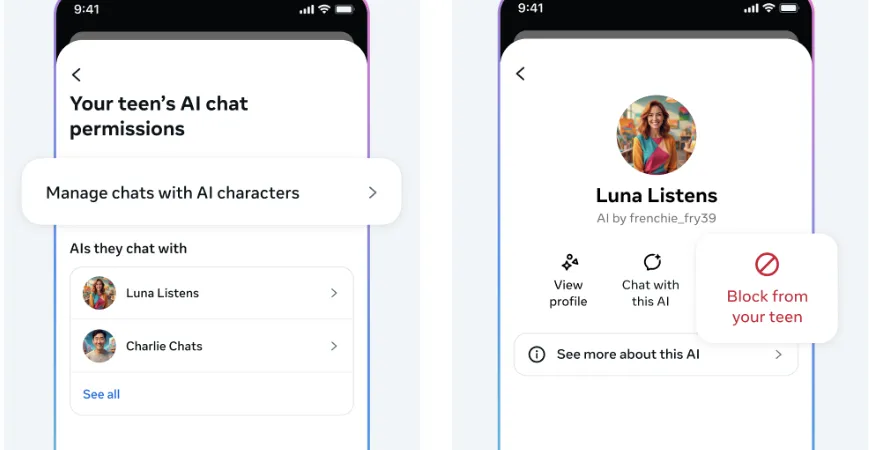
Meta’s Instagram rolls out AI-powered parental controls for teens next year

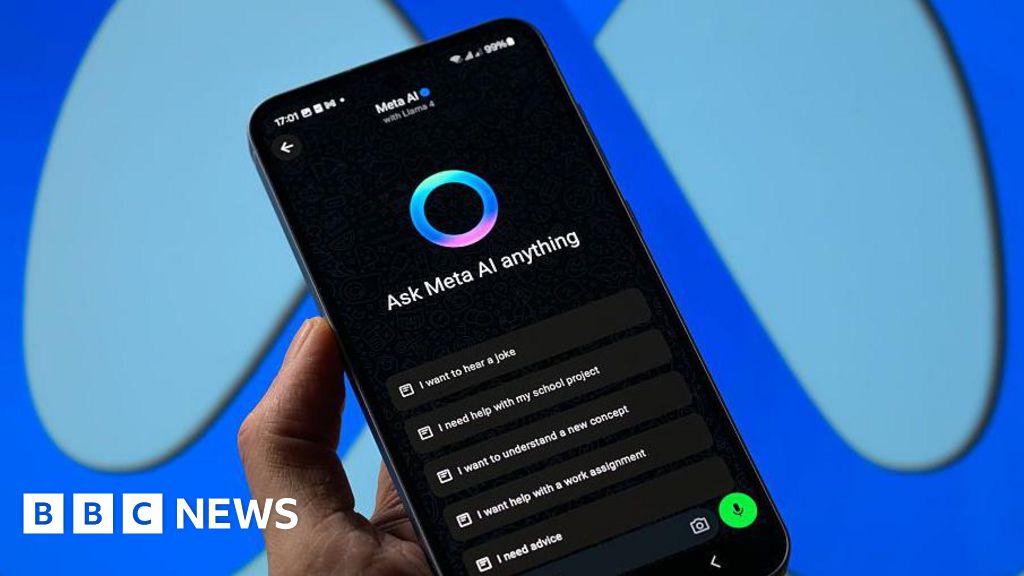
In a significant move toward responsible AI deployment, Meta has rolled out its first major safety update for its AI chatbots, integrated across Facebook, Instagram, and WhatsApp. This update marks a pivotal milestone in the technology giant’s ongoing efforts to mitigate risks associated with AI interactions at scale. Coming on the heels of recent regulatory pressures and heightened public scrutiny over misinformation and harmful content, this development underscores the urgent need for robust safety protocols in AI systems. As AI continues to embed itself into daily digital interactions, the imbalance between innovation and safety becomes a focal point for industry leaders, investors, and policymakers alike.

The timing of Meta’s safety enhancements coincides with broader industry trends emphasizing responsible AI development. Notably, the company’s move follows recent policy shifts targeting teen safety on social platforms, including Instagram’s new restrictions designed to emulate PG-13 standards—an effort to address mounting concerns over youth exposure to unsuitable content. Analysts from Gartner and MIT urge tech firms to prioritize transparency and accountability as AI tools become more sophisticated and pervasive. Meta’s actions reflect a recognition that disruption alone will no longer suffice; sustainable innovation demands built-in safeguards without stifling user engagement or technological advancement.

This evolution is not just about user safety. Enhanced safety protocols could redefine business models in the digital landscape. Companies that invest in AI safety capabilities position themselves as industry leaders, gaining a competitive edge through increased trust and reduced liability. Yet, the path forward is fraught with challenges: balancing innovation with regulation, avoiding censorship backlash, and maintaining a seamless user experience.

  • Potential for increased regulatory scrutiny
  • Risk of reputational damage from safety lapses
  • Opportunities for monetization through safer AI products

The implications are clear: the era of unrestrained AI experimentation is giving way to a more disciplined, safety-conscious phase of development. Visionaries like Elon Musk and innovations from institutions such as MIT emphasize that the future of AI hinges on embedding ethical considerations into core algorithms. For investors and entrepreneurs, this shift signals the need to leverage emerging safety standards as a strategic advantage rather than an obstacle. As industry giants race to refine artificial intelligence, the pressure to deliver disruptive yet responsible solutions will intensify—pushing the frontier toward an AI-enabled future that balances progress with prudence. The question now remains: how swiftly and effectively will organizations adapt to this new paradigm? The answer will likely determine their position in the next wave of digital innovation.

Social Media Auto Publish Powered By : XYZScripts.com