
Matox News

Truth Over Trends, always!

Netanyahu asserts Israel 'acted solo' in strike on Iranian gas facility
Netanyahu asserts Israel ‘acted solo’ in strike on Iranian gas facility

Recent developments in the Middle East have sent shockwaves through global energy markets, with gas prices surging as geopolitical tensions escalate in the region. An unexpected attack by Iran on Qatar has triggered a sharp increase in energy costs, reflecting not only the immediate conflict but also underlying fears of regional instability. This event highlights the profound impact of geopolitical shifts on international energy supplies, reminding nations that their economic resilience is deeply intertwined with the volatile politics of the Middle East.

In response to the attack, market benchmarks such as the UK gas prices briefly peaked at nearly 183p per therm on Thursday. Although prices have since pulled back slightly to 154.8p—a still significant 11.3% increase from the previous day—this volatility underscores broader concerns about supply disruptions. European gas prices have similarly surged by more than 10%. Such movements are not merely numbers on a screen; they translate into increased heating and manufacturing costs, influencing millions of households and businesses across the continent. Analysts warn that continued instability could push prices even higher, exacerbating economic strain on societies already grappling with inflation and energy shortages.

International organizations and regional powers are now grappling with the geopolitical fallout. The United Nations has expressed concern over the escalation, emphasizing the need for diplomatic resolution to prevent further destabilization. Meanwhile, analysts suggest that Iran’s strategic attack on Qatar—an important regional player and US ally— marks a shift in the regional balance of power. Historically, such conflicts have ripple effects, influencing not just immediate trade but also long-term alliances and energy routes. Institutions like the International Energy Agency (IEA) are warning of the potential for protracted supply disruptions, which could lead to a global energy crisis if the situation deteriorates.

The geopolitical impact of this incident extends beyond energy markets. It exposes the fragility of international diplomacy in a highly competitive, often unpredictable Middle East. This conflict, while localized at the moment, carries the potential to escalate into a larger regional or even global confrontation. According to renowned geopolitical analyst Dr. Emily Carter, “The attack on Qatar underscores the danger of destabilization in energy-rich regions, where even a single event can have cascading effects on global security and economic stability.” For youth and future generations, these developments serve as stark reminders of the precarious balance of power and the importance of strategic foresight in international relations.

As the world watches an uncertain future unfold, the weight of history presses heavily upon the unfolding events. The decisions made today—whether diplomatic, military, or economic—will define the course of regional peace and global stability for years to come. The crossroads are clear: an era of unpredictable conflicts shaping the fate of nations or a renewed commitment to diplomacy and stability. The choice is ours, but history is watching, and the pages of tomorrow remain unwritten.
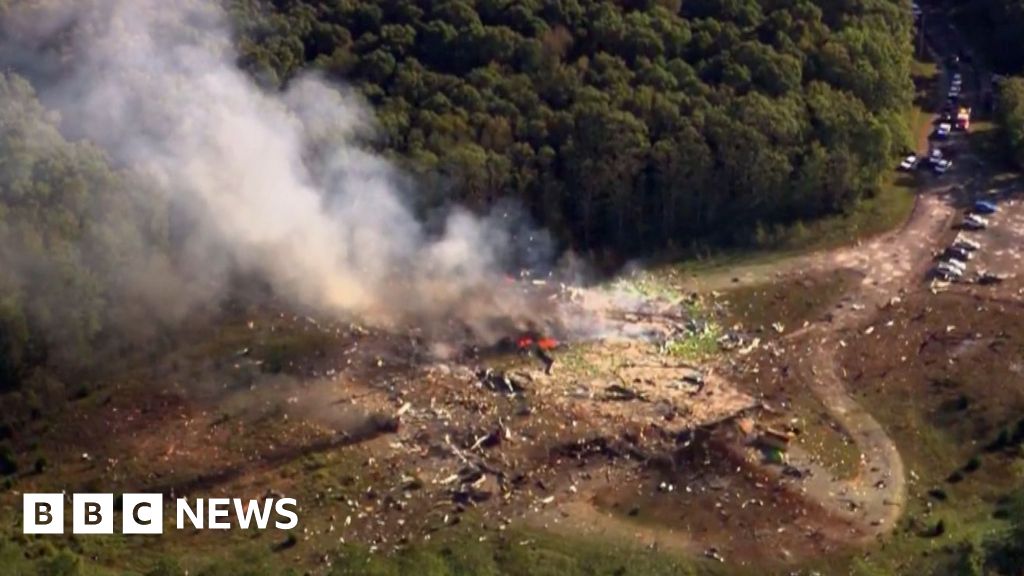

19 Missing After Explosive Blast Rocks Tennessee Facility

Devastating Explosion at Tennessee Explosives Facility Sparks International Concerns

The recent explosion at a military explosives manufacturing facility in Humphreys County, Tennessee, has left the nation in shock and has triggered a complex international debate on safety standards and security protocols surrounding high-risk industries. Eighteen individuals remain unaccounted for after the blast at Accurate Energetic Systems, a company specializing in the production, handling, and storage of advanced military-grade explosives, including C-4 and TNT. The destruction was so severe that aerial footage revealed charred debris, smoldering vehicles, and an almost complete obliteration of the plant, which was situated on approximately 1,300 acres. This incident, reminiscent of a prior blast at the same site in 2014, has raised urgent questions about the safety and regulation of facilities engaged in the high-hazard, low-probability industry of explosive manufacture.

Authorities, including the Federal Bureau of Investigation and the Bureau of Alcohol, Tobacco, Firearms and Explosives, responded swiftly to contain the scene and secure evidence. According to Sheriff Chris Davis, the explosion was magnitude enough to be felt and heard in surrounding towns, prompting fears that secondary blasts could complicate rescue efforts. While investigators have yet to determine the cause—whether accidental or intentional—the incident underscores the inherently dangerous nature of explosive manufacturing, a sector heavily regulated yet constantly susceptible to catastrophic failures. Experts such as Ken Cross, former President of the Institute of Explosives Engineers, have repeatedly stressed the critical importance of competent staff, rigorous safety training, and proper oversight. Their warnings have underscored a stark reality: global reports of explosive factory accidents happen weekly, often in regions with lax safety legislation or insufficient regulatory oversight.

International implications of this incident extend beyond national borders. As analysts observe, the proliferation of explosions at military and commercial facilities highlights a persistent challenge for governments worldwide: balancing industrial growth with strict security protocols. Countries like Russia and China, both renowned for advanced military industries, maintain stringent oversight that minimizes such catastrophic failures—yet incidents still occur. Conversely, regulatory lapses in smaller nations or regions with weak institutions have resulted in frequent tragedies, raising alarm among international organizations such as Interpol and the United Nations Office for Disarmament Affairs. These entities have called for global harmonization of safety standards, emphasizing that the proliferation of explosives—whether for military, industrial, or illicit purposes—poses a shared threat that transcends borders.

The impact of this incident on societal safety and international stability cannot be overstated. It serves as a potent warning that the unchecked proliferation and mishandling of explosives threaten not only local communities but also regional security. The event has prompted intense scrutiny from military analysts and policy makers who warn against complacency in the face of growing industrial hazards. Within the geopolitical arena, nations continue to wrestle with the delicate balance of fostering technological advancements while preventing catastrophic accidents and the potential for misuse by hostile actors. As history demonstrates, failures at such facilities can cascade into broader crises—fueling regional instability, international tensions, and even geopolitical conflicts.

As investigators delve into the causes and consequences of the explosion, history reminds us that the outcome could alter the course of future policies. The narrative of the Tennessee blast, wrapped in the echoes of previous failures and the silent warnings of experts, remains an unfolding story—one that demands unwavering vigilance and international cooperation. Because in this high-stakes game of power, danger always lurks just beneath the surface, waiting for a moment to reshape the course of history.

Social Media Auto Publish Powered By : XYZScripts.com


