
Matox News

Truth Over Trends, always!

Why is India's WhatsApp privacy policy facing legal backlash?
Why is India’s WhatsApp privacy policy facing legal backlash?

In 2021, Meta, the social media giant formerly known as Facebook, introduced a significant policy update that mandates users to share data specifically for advertising purposes to continue using its platform. This seemingly internal business decision carries far-reaching geopolitical implications, revealing the increasingly intertwined relationship between global corporations and national policies. As governments worldwide scrutinize digital privacy and data sovereignty, Meta’s move underscores a pivotal shift in how firms operate across borders, with their policies echoing through the fabric of international relations.

Major geopolitical actors have responded differently to this shift, highlighting the contest over digital sovereignty. European Union regulators, sensitive to privacy rights and data security, have historically pushed back against such corporate demands, emphasizing strict compliance with the General Data Protection Regulation (GDPR). Governments in North America and parts of Asia, however, have been more permissive, viewing such policies as a reflection of the rapidly evolving digital economy. The policy update, in effect, is a barometer for the broader contest over data control—a resource deemed as vital as traditional commodities in modern geopolitics. Analysts from institutions like the World Economic Forum warn that this could deepen the digital divide, where nations that accommodate corporate data demands may bolster economic growth while others risk being left behind in digital fragmentation.

Furthermore, this policy change has catalyzed intense debates among nations over privacy rights, security, and sovereignty. Historically, data has become the new frontier of power, as seen in recent years’ geopolitical conflicts involving cyber espionage and digital influence campaigns. In a landscape where information control fuels influence and stability, policies like Meta’s serve as flashpoints for international diplomatic discussions. Countries such as Russia and China continue to develop national internet policies that emphasize sovereignty over digital infrastructure, contrasting with Western frameworks that push for open data exchanges. The ramifications extend further, illustrating how decisions by tech giants are now bedrock issues in diplomatic negotiations. The United States and the European Union, guided by institutions like the European Commission, have urged for balanced policies that protect users’ rights without ceding too much control to mega-corporations—a delicate dance that shapes the future of global digital governance.

Historians and analysts emphasize that these developments mark a **turning point** in **digital geopolitics**. As some nations forge ahead with policies emphasizing data independence, others risk becoming dependent on corporate-controlled ecosystems. The informal yet powerful alliances formed around data policies could fundamentally alter alliances, economic power, and societal structures. The concerns articulated by international organizations echo the warning that **how nations regulate and assert sovereignty on these issues will define the global order for decades** to come. The ongoing tug-of-war reflects a broader struggle—one where the lines between corporate interests, state sovereignty, and individual rights are increasingly blurred, forever shaping the course of history.

As the world watches, history continues to unfold in real-time, inscribed in the policies that govern digital space. The decision by Meta in 2021 was more than just a corporate policy—it was a declaration of digital dominance, with consequences rippling far beyond the screen. The outcome of this new digital frontier remains uncertain, yet the message is clear: **the fight for control over information and influence is rewriting the global narrative in ways that no nation can afford to ignore**. Humanity now stands at a crossroads, where every click and data point echo in the halls of power—foretelling a future where the fabric of society itself is woven in the bytes and codes that global giants like Meta now command.

Time’s Running Out for Windrush Victims Facing Justice Shortfall, Warns Commissioner

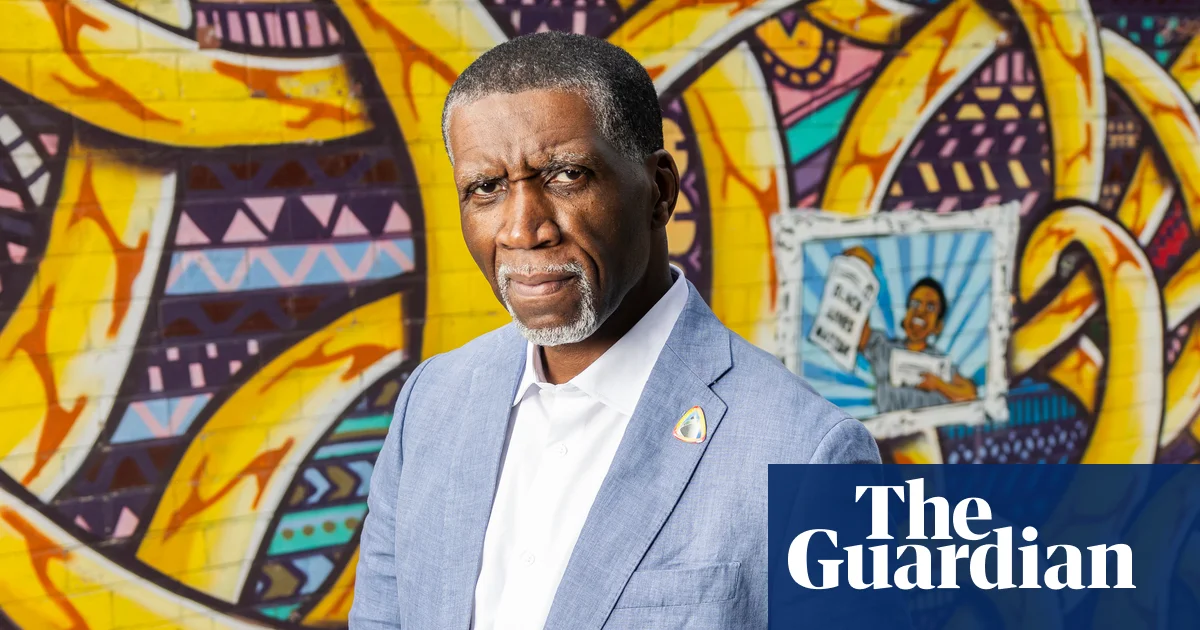
The Windrush scandal remains a stark symbol of the failure of Western immigration policies and institutional negligence. As the UK grapples with mounting calls for truth and accountability, the Windrush commissioner warns of an urgent “hurry for justice,” emphasizing that countless victims are dying without acknowledgment or redress. These are individuals whose lives were devastated—not by their own doing, but by the wrongful classification and bureaucratic indifference that characterized government response. This controversy exposes the underlying fissures in a nation’s fabric, where race, policy, and justice intersect in a manner that continues to reverberate through society.

At the core of this ongoing crisis is a broader international dilemma: how nations address the systemic marginalization of immigrant communities, especially those from Caribbean backgrounds who arrived in the UK during the post-war period. Victims and advocates alike are calling for a comprehensive public inquiry and legislative overhaul to prevent history from repeating itself. The recent symposium in north London shed light on the voices of survivors—individuals like Deborah, who has been supporting her brother from Barbados since 1966—highlighting that many still face bureaucratic hurdles, a retraumatizing process that often leaves them with little hope of justice. Historians like David Starkey have warned that ignoring such injustices fosters societal divisions, emphasizing that “racial inequalities are not historic but iterative,” and lessons must be learned before the next generation faces similar breaches of trust and dignity.

Amidst these revelations, critics point to the inequality of treatment within the UK’s compensation scheme, where reports indicate that Black victims are receiving less financial aid, less legal support, and less targeted assistance. Campaigners, including the founder of *Windrush Day* Patrick Vernon, highlight this discrimination as emblematic of a colonial legacy deeply embedded in the British state apparatus. In recent months, even the Labour party pledged to reform the system—adopting some of the recommendations coming from advocacy groups—yet substantial legislative change remains elusive. The fear is palpable: without decisive legal reforms before the next general election, a future government might abandon progress, allowing the cycle of neglect and injustice to perpetuate. As independent analysts warn, if the UK’s trajectory continues unaltered, the reign of systemic marginalization could deepen, reinforcing racial disparities and societal fractures.

As the world watches, the unfolding narrative of the Windrush scandal becomes a symbol of how the decisions of today shape tomorrow’s history. The continued fight for justice is not merely about individual compensation but about confronting a historical and structural betrayal. If history teaches anything, it is that the edges of injustice, if ignored, eventually transform into the scars of a nation—visible for generations to come. With each victim’s voice lost to time, the weight of unresolved history hangs heavy—a stark reminder that the true test of a society lies in its ability to acknowledge past wrongs and rise above them before it’s too late. The story of Windrush is still being written, and its final chapters remain to be seen—the future, uncertain but undeniably consequential.

15-Year-Old Facing Christmas Behind Bars After Sydney Teen Murder

Teen Violence in Sydney: A Microcosm of Societal and Geopolitical Shifts

The recent tragic incident in Sydney, where a 17-year-old boy lost his life after a stabbing near a local high school, underscores a disturbing rise in youth violence affecting even the most peaceful societies. The suspect, a 15-year-old, was accused of the brutal murder, an act that has sent shockwaves through the Australian community and raises pressing questions about social instability, youth crime, and the broader societal influences fueling this violence.

Analysts and international observers have pointed to a global trend where societal discontent, economic disparities, and cultural shifts contribute to increased violence among youth. Historian Dr. James Thornton notes that such incidents often reflect underlying fractures within a nation, exacerbated by declining social cohesion and economic uncertainties. This tragic event took place in broad daylight, close to several schools and within view of the community—highlighting how fragile societal order can be, especially when morals and law enforcement are strained by the complexities of modern urban life.

The geopolitical impact of localized violence, however, extends beyond Australia’s borders. It acts as a stark reminder that internal societal stability influences a nation’s reputation on the global stage, especially as China and Russia continue to challenge Western democratic values and institutions. In a time where Australia aligns increasingly with U.S. interests, incidents like these threaten national cohesion and national security by fueling societal divisions. Moreover, international organizations such as the United Nations have long warned that domestic instability distracts nations from engaging effectively in global geopolitics, exacerbating regional tensions and allowing authoritarian influences to gain ground.

The response from Australian authorities underscores the seriousness with which such violence is treated. The young suspect was remanded in custody, with forensic evidence—including a DNA swab—being collected to establish further details. This case, due to return to court in January, highlights the ongoing challenge of juvenile justice and law enforcement’s efforts to combat youth violence in an increasingly volatile social climate.

Critical voices from across the political spectrum insist that resolving these issues requires addressing root causes—namely, inequality, cultural dislocation, and lack of opportunities for youth. Prime Minister Anthony Albanese has expressed condolences to the victim’s family while emphasizing the need for community resilience and policy reform. But the clash between social well-being and rising violence reveals deeper fractures within<typeof "Western" societies, which now confront the ongoing repercussions of rapid globalization, identity shifts, and internal divisions.

As the world watches, the event in Sydney becomes more than a localized tragedy—it serves as a bleeding symbol of how internal societal struggles can have far-reaching consequences. When youth are pushed to the brink, societies risk losing their future, and the weight of history continues to unfold, reminding all nations that peace is fragile and must be fiercely guarded against the tides of chaos and discord.

Here’s a revised version of the headline with a moderate right-wing, youth-oriented tone: “The Lowdown on the Charges Facing New York AG Letitia James — What It Means for Youth and the Next Generation”

Turning Challenges into Opportunities for Inspiration

In a world where the headlines often focus on political battles and legal scandals, it’s easy to overlook the underlying lessons about resilience, integrity, and personal growth. The recent legal saga surrounding New York Attorney General Letitia James highlights a significant truth: life’s toughest moments are opportunities for reflection and transformation. While she faces federal charges related to a property in Virginia, her steadfast refusal to be silenced reminds us that maintaining integrity is a lifestyle choice, not just a legal stance. The case exemplifies the importance of becoming resilient in the face of adversity—a trait often championed by influential wellness and leadership experts like Brené Brown and Simon Sinek.

Much like the shifting landscape of global wellness trends, the focus on wellness as a holistic lifestyle encourages us to think beyond mere physical health. It’s about cultivating mental and emotional strength to navigate challenges, whether they involve personal setbacks or larger societal conflicts. When James describes her situation as a ‘desperate weaponization of the justice system’, she underscores a vital point: true wellness includes a resilient spirit capable of standing firm amidst turbulence. This mentality is essential, especially for the youth seeking purpose and direction — to see setbacks not as the end, but as catalysts for a deeper understanding of oneself and one’s values.

Inspiration from the Power of Purpose and Personal Impact

As young individuals focused on carving a meaningful life path, it’s crucial to draw inspiration from stories like James’s and the broader fight for justice and accountability. Her legal battles against powerful figures like Donald Trump and her efforts as an advocate uphold a fundamental principle: personal impact is achieved through perseverance and commitment to a cause greater than oneself. These narratives serve as a reminder that adopting a purpose-driven lifestyle isn’t just about personal success, but about fostering a society grounded in truth and accountability. Wellness experts remind us that meaningful engagement—whether through career, activism, or personal growth—fosters resilience and fuels our pursuit of impactful living.

  • Think of your lifestyle as your personal mission: align your daily routines with your values.
  • Challenge yourself to learn from setbacks, transforming them into avenues for growth.
  • Seek inspiration from those who stand up for justice and integrity, serving as role models in a tumultuous world.

A Reflection on the Journey of Embracing Challenges

As we reflect on the ongoing saga of justice, politics, and personal resilience, it becomes clear that our lifestyle choices influence not just ourselves but the collective fabric of society. The ongoing legal disputes serve as a narrative of persistence—the kind of resilience that demands we stand firm in our convictions, uphold our integrity, and aim for a life of purpose. Every setback, if approached with resolve and a growth mindset, becomes a step toward a life of true wellness and authenticity.

The journey of embracing these challenges is, in many ways, a reflection of the broader human experience — a continuous pursuit of growth, integrity, and self-awareness. Just as the legal battles of figures like James and Trump shape the political landscape, so too do our personal struggles shape our character. With each obstacle embraced and each lesson learned, we reinforce the foundation of resilience and purpose, shaping a future where wellness is not just a personal goal but a collective endeavor. For those committed to living with intention, life becomes a journey of discovery and empowerment—a narrative worth embracing with hope and unwavering resolve.

Social Media Auto Publish Powered By : XYZScripts.com