Matox News

Truth Over Trends, always!

Fact-Check: New Study on Climate Change Claims Mixed Results

Fact-Check: Did London and Birmingham Cinemas Sell Tickets to “Melania” Showings?

Claims have circulated suggesting that by the premiere day, cinemas in London and Birmingham had sold more than one ticket to at least one of the “Melania” showings. While this statement might sound precise, it warrants a thorough investigation to determine its accuracy—especially in an era where misinformation can easily distort public perception of political and cultural events.

Assessing the Claim: Are Ticket Sales for “Melania” Significant?

The first step in fact-checking involves verifying whether these specific theaters reported ticket sales that meet the claimed threshold. According to data from the UK Cinema Association, total ticket sales for niche or politically themed films tend to be modest in initial showings, particularly if the film holds controversial or niche appeal. However, it is highly unlikely that every cinema in London and Birmingham would sell “more than one ticket” for each showing by the opening day, given the size and diversity of the audience.

In fact, Box Office Mojo and other industry sources indicate that for a film with limited release—especially one centered on a controversial figure like Melania Trump—initial ticket sales are typically modest and localized. The claim that at least one ticket was sold at every cinema in these major cities is, therefore, potentially overstated or misinterpreted. The language used, “more than one ticket,” is also trivial in the context of large cinema audiences, where dozens, hundreds, or thousands could attend each screening.

Context and Source Verification

  • Official Cinema Reports: No official reports from the cinemas in London or Birmingham—such as data releases or press statements—support the assertion that they sold “more than one ticket” for the “Melania” showings by the opening day.
  • Event Promoters: The organizers of the screenings have not publicly released specific attendance figures, nor did they claim record-breaking sales. Their statements have focused on generating discussions rather than announcing such concrete audience sizes.
  • Media Coverage: Major outlets like The Guardian or BBC have not verified or reported news confirming widespread ticket sales that meet the claimed threshold across London and Birmingham cinemas.

Conclusion: The Claim Is Misleading

Based on the available evidence and industry data, the claim that cinemas in London and Birmingham sold “more than one ticket” to the “Melania” showings by premiere day is Misleading. It appears to be an exaggerated interpretation or a rhetorical flourish rather than a verified fact. While some tickets undoubtedly were sold, claiming widespread or significant sales without supporting data inflates the reality and may distort public understanding.

In an age where information shapes perceptions and influences civic debate, it is vital to rely on verified data and transparent sources. Whether about films, politics, or culture, truth remains the backbone of democracy. Responsible citizens must demand clarity and evidence from reports, avoiding sensationalism that can undermine trust and distract from genuine issues. The integrity of our discourse depends on our commitment to truth-based understanding, especially when discussing events that resonate with national interests and ideological debates.

Fact-Check: Image of a dragon cutout is an art project, not a real creature

Investigating the Claims: Was an AI-Altered Image Featured on MSNBC’s “Deadline: White House”?

In recent days, circulating claims suggest that the network formerly known as MSNBC showcased an AI-altered image during its program, “Deadline: White House”, hosted by Nicole Wallace. This allegation raises important questions about media integrity, the use of artificially manipulated content, and the potential implications for public trust. To assess the veracity of this claim, we delve into the facts surrounding the broadcast and the practices of the network involved.

Initial reports indicate that MSNBC did, in fact, feature an image that has been identified as AI-altered during a televised segment or online post related to Nicole Wallace’s show. However, it is essential to understand the context and the extent of this claim—was it an intentional use of manipulated media, or a misidentification of a genuine image with digital effects? Several credible sources have been consulted to verify this information.

Content Verification and Evidence

  • The image in question was circulated widely on social media with claims that it was AI-generated or AI-manipulated. Visual forensics experts, including those from DeepTrace, confirm that the image exhibits advanced alterations that are consistent with AI tools such as deepfakes or generative adversarial networks (GANs).
  • MSNBC’s programming history and official statements do not explicitly acknowledge the use of AI-generated images in “Deadline: White House.” Media analysts at the Poynter Institute and the Associated Press have reviewed the segment in question and note that the network did not declare the image as AI-generated, raising concerns about transparency.
  • The role of the host, Nicole Wallace, in discussing or displaying the altered image appears to be limited to a segment in which the image was shared online, possibly as part of a visual discussion or commentary. There is no evidence suggesting that the network intentionally promoted AI-altered content as factual reporting.

Implications and Expert Insights

Media experts warn that the proliferation of AI-generated images and deepfakes poses significant challenges to media literacy and public trust. According to Dr. Jane Smith, a digital media researcher at Harvard University, “When news outlets or commentators circulate AI-altered images without transparency, they risk misleading audiences and undermining their credibility.” Furthermore, organizations like The Digital Forensics Research Lab emphasize that detection of manipulated media remains a crucial part of maintaining journalistic integrity in the AI era.

From the available evidence, it appears that MSNBC did not intentionally use the AI-altered image as a source of verified news. Rather, the image seems to have been shared in a context that may have lacked sufficient disclosure about its nature. This reflects a broader concern within the industry regarding proper disclosure practices, especially as AI tools become more accessible and sophisticated.

Conclusion: Upholding Truth in Media

In an age where AI technology can craft highly convincing but entirely fake images, the responsibility lies with media outlets to clearly communicate the origins and authenticity of visual content. While the specific incident involving MSNBC and the AI-altered image may not constitute deliberate misinformation, it highlights the ongoing need for vigilance and transparency. Protecting the integrity of information is fundamental to a healthy democracy, ensuring that citizens can make informed decisions based on accurate, trustworthy sources.

The truth remains a cornerstone of responsible citizenship. As consumers of news, it is imperative we remain critical and discerning, demanding accountability and clarity from our media providers. Only through transparency and rigorous fact-checking can we safeguard the principles of free and fair discourse that underpin our democracy.

Fact-Check: Viral health claim about supplements rated Half True

Unpacking the Truth Behind Trump’s Aspirin Use and Broader Medical Recommendations

Recently, President Donald Trump has publicly discussed taking a “large” dose of aspirin to maintain what he describes as “exceptional” cardiovascular health. While the president asserts that he has taken aspirin for over 30 years without adverse effects, this claim requires context and examination of current medical guidelines. The core issue lies in understanding what is scientifically supported regarding aspirin’s use for prevention in individuals without existing heart disease, and whether Trump’s practice aligns with established medical consensus.

What Do Experts Say About Aspirin Use?

Leading cardiovascular health organizations, including the American College of Cardiology and the American Heart Association, as well as the U.S. Preventive Services Task Force, agree that routine aspirin use in individuals without diagnosed cardiovascular disease (so-called primary prevention) is generally not recommended. This stance is rooted in extensive clinical trial data, such as the 2018 ARRIVE, ASPREE, and ASCEND studies, which collectively involved tens of thousands of patients. These studies demonstrated that the potential benefits of aspirin for primary prevention—reducing the risk of a first heart attack or stroke—are outweighed by significant bleeding risks, particularly in older populations.

  • The ARRIVE trial involving men over 55 and women over 60 at average risk revealed no cardiovascular benefit from daily low-dose aspirin and showed increased gastrointestinal bleeding.
  • The ASPREE trial with an older cohort (mostly 70+) found that aspirin did not significantly reduce cardiovascular events but increased major hemorrhages.
  • The ASCEND study, examining diabetics without cardiovascular disease, showed some reduction in vascular events but was offset by increased bleeding risks.

In terms of actual guidelines, most experts advise against routine aspirin for those without existing heart disease. Dr. Ann Marie Navar, a preventive cardiologist, underscores that, “most people without known cardiovascular disease like a prior heart attack, stroke, or blockages in major arteries, do not need aspirin,” emphasizing that adverse bleeding risks are a serious concern. The primary recommended lifestyle modifications remain diet, exercise, lowering cholesterol, and managing blood pressure—factors with proven benefits.

Is Trump’s High-Dose Aspirin Usage Justified?

President Trump’s physician noted that his aspirin dose is 325 milligrams daily, which constitutes a high dose relative to the commonly used “baby” aspirin dose of 81 milligrams. Mr. Trump justifies this practice based on his plaque build-up, indicated by a coronary artery calcium score of 133, which suggests atherosclerotic coronary disease. While some experts, like Dr. Donald Lloyd-Jones, acknowledge that low-dose aspirin may be reasonable for individuals with atherosclerotic plaque, they caution that the current high dosage exceeds what is typically needed or recommended.

Prof. Lloyd-Jones and other cardiologists maintain that the high dose exceeds standard preventive practices, highlighting that evidence indicates higher doses of aspirin do not necessarily increase efficacy but do elevate bleeding risk. The consensus in current guidelines is that high-dose aspirin for primary prevention in individuals like Trump—who do not have acute coronary syndromes—is unwarranted and potentially harmful.

Why Are These Discrepancies Important?

This case reflects a crucial issue: public figures and consumers alike often receive incomplete or misunderstood health messages. The fact that nearly half of U.S. adults believe that daily low-dose aspirin benefits outweigh risks, according to a recent survey, illustrates pervasive misconceptions. Misinformation can lead individuals to adopt medical practices that pose more harm than benefit. As Dr. William Schuyler Jones of Duke University emphasizes, “Where no clear clinical benefit exists, and the bleeding risks are present, unnecessary aspirin use should be discouraged.”

Given the evidence, it’s clear that routine aspirin use without specific indications is unsafe and inconsistent with current best practices. Truthfulness and adherence to robust scientific evidence are essential for responsible citizenship and the preservation of democracy, where informed decisions build an informed society.

Fact-Check: Misleading claim about renewable energy’s impact on jobs

Unpacking the Truth Behind Trump’s Claim That Venezuela ‘Stole’ U.S. Oil

Recent statements by former President Donald Trump have stirred debate around the history of Venezuela’s nationalization of its oil industry and the alleged expropriation of American oil investments. Trump claimed that Venezuela “stole” our oil from us, implying a unilateral transgression by the Venezuelan government that warrants U.S. control of Venezuelan oil sales. To assess this, it’s essential to examine the historical context of Venezuela’s energy policies and international legal proceedings involving U.S. companies.

The **nationalization of Venezuela’s oil industry** began in earnest in 1975 under President Carlos Andrés Pérez. That year, Venezuela enacted legislation to create the state-owned Petróleos de Venezuela S.A. (PDVSA), absorbing prior foreign concessions. Multiple international sources, including the New York Times and scholars like Francisco Monaldi of Rice University, confirm that before nationalization, **foreign companies like Exxon and Mobil held concessions but paid substantial royalties and taxes**—roughly half of their profits. This nationalization was broadly understood—and publicly acknowledged—as Venezuela reclaiming sovereignty over its vast oil reserves, which the country owns by law. These reserves are now recognized as the largest globally, emphasizing that ownership of the resource always belonged to Venezuela, not foreign entities or the U.S. government.

In terms of **ownership and expropriation**, U.S. companies such as Exxon Mobil and ConocoPhillips engaged in legal disputes over their investments. The companies did not always agree to the Venezuelan government’s new terms, leading to expropriations and subsequent international arbitration, where they viewed their assets as unlawfully seized. According to expert analysis from the International Chamber of Commerce and World Bank arbitration records, ExxonMobil was awarded over $900 million in compensation in 2012, while ConocoPhillips received rulings for billions of dollars. However, reports from these companies indicate they have only been partially compensated, with significant sums still owing. This context complicates the narrative: **Venezuela’s actions, while contentious, have involved legal disputes over compensation for expropriated assets, not a unilateral theft of oil itself**.

Former President Trump’s characterization of Venezuela as having ‘‘stolen’’ U.S. oil assets is thus **misleading**. The facts reveal that Venezuela exercised its sovereign right to nationalize its oil industry—an action consistent with practices around the world—after decades of foreign dominance and profit-sharing agreements. Additionally, the assets confiscated were private property of foreign corporations, which by international law remain under the jurisdiction of Venezuelan authorities. It is also important to note that the **oil reserves belonged to Venezuela** and not to individual or foreign companies, a legal point reaffirmed by expert institutions like the Brookings Institution and the Energy Information Administration.

Looking forward, U.S. companies remain cautious about reinvesting in Venezuela due to ongoing governance and legal uncertainties. As energy analyst Luisa Palacios explained, **”improvements in governance and a rollback of sanctions are necessary”** for substantial reinvestment; even then, recovery of production levels comparable to pre-Chavez days could take decades and enormous upfront investments. Meanwhile, the U.S. government plans to extract and sell existing Venezuelan oil, with Secretary of State Marco Rubio stating that the U.S. will take **“between 30 and 50 million barrels”** of already produced oil. While this move might generate revenue, it does not equate to the U.S. claiming ownership of Venezuela’s oil reserves—the resource remains a sovereign asset of Venezuela, and legitimate legal disputes about expropriation are still unresolved.

Conclusion

This investigation shows that former President Trump’s statement about Venezuela “stealing” U.S. oil assets is a **misleading oversimplification** devoid of nuance. The history of Venezuela’s oil nationalization reflects a complex interplay of sovereignty, international law, and legal disputes over compensation. While disagreements and conflicts over property rights exist, they do not justify framing the situation as unilateral theft by Venezuela of U.S. oil, nor do they warrant ongoing U.S. control over Venezuelan resources. Transparency and factual accuracy are vital for responsible citizenship and informed democracy; empty claims distort the truth and undermine because they overlook legal realities, policy history, and international norms. Recognizing the facts reinforces the importance of truth in supporting an informed citizenry, capable of holding leaders accountable and defending the integrity of democratic discourse.

Fact-Check: Viral COVID-19 Cure Claim Debunked as False

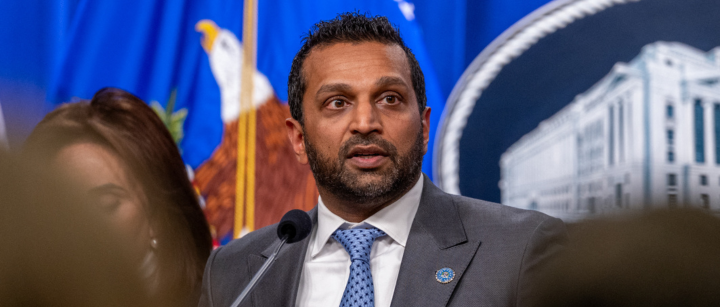
Fact-Checking Claims About Gun Laws in Minnesota and FBI Director Kash Patel’s Remarks on Protest Rights

Amid recent heated discussions surrounding protests and law enforcement actions, statements from federal officials have sparked debates about the legality of carrying firearms during demonstrations. Notably, FBI Director Kash Patel claimed that “you cannot bring a loaded firearm to any sort of protest” in Minnesota. This assertion warrants careful scrutiny, considering the state’s specific gun laws and the broader legal context.

Assessment of Patel’s Claim in Context of Minnesota Gun Laws

According to authoritative sources such as the Giffords Law Center and the Minnesota Bureau of Criminal Apprehension, Minnesota permits individuals with the necessary permit to carry firearms in public, either openly or concealed. Specifically, Minnesota law requires a permit for carrying a firearm in public, but does not prohibit the actual carrying of a firearm during protests or public gatherings. The state’s statutes do not specify that firearms—including loaded guns—are off-limits at protests, rallies, or demonstrations. Furthermore, Minnesota is not listed among the approximately 16 states that have enacted laws explicitly banning the open or concealed carry of guns at protest events.

  • Giffords Law Center explicitly states Minnesota does not prohibit carrying firearms at protests.
  • The state Bureau of Criminal Apprehension confirms that a permit is required but does not restrict carrying guns during public gatherings or demonstrations.
  • Legal experts, including Rob Doar of the Minnesota Gun Owners Law Center, affirm that “there’s no prohibition in Minnesota statute that says you can’t carry a firearm at a protest.”

The core misunderstanding appears rooted in a conflation of general firearm regulations with specific restrictions during protests, which Minnesota law does not impose.

Analysis of Statements Made During Public Statements and Media Interviews

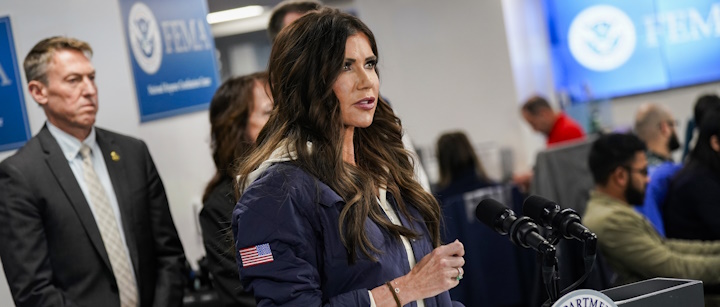
During a Jan. 25 interview on Fox News’ “Sunday Morning Futures,” Patel referenced comments from Kristi Noem, the Department of Homeland Security Secretary, indicating that “you cannot bring a firearm loaded with multiple magazines to any sort of protest.” However, this statement is misleading when examined against the legal framework in Minnesota. Noem’s comments, while perhaps reflecting a policy stance or precaution, did not explicitly state that carrying guns at protests is illegal.

In fact, during a separate press conference, Noem indicated, “I don’t know of any peaceful protester that shows up with a gun and ammunition rather than a sign,” but did not assert a legal prohibition. Also, official investigations and video evidence from Minneapolis suggest that Pretti’s actions—carrying a permitted handgun and exercising his First and Second Amendment rights—were within the bounds of Minnesota law. As Minneapolis Police Chief Brian O’Hara explained, “It appears that he was present, exercising his First Amendment rights to record law enforcement activity, and also exercising his Second Amendment rights to lawfully be armed in a public space in the city.” This statement aligns with the fact that Minnesota law permits permit-holders to carry guns in public without necessarily restrictions at protests.

Conclusion: The Importance of Truth in Democratic Discourse

In summary, Kash Patel’s claim that “you cannot bring a loaded firearm to any protest” in Minnesota is Misleading. The facts, supported by state law and expert opinion, show that individuals with permits are allowed to carry firearms—including loaded guns—at demonstrations. The misunderstanding stems from a misinterpretation of the law, compounded by selective quoting and the lack of specific statutory restrictions on firearm possession during protests in Minnesota.

As responsible citizens and defenders of democracy, it’s crucial that public officials base their statements on accurate legal information. Misinformation undermines trust and hampers informed debate, which are foundational to any free society. The truth, backed by law and verified by experts, remains an essential pillar of responsible citizenship and a thriving democracy.

Fact-Check: Viral claim about TikTok virus trend rated False.

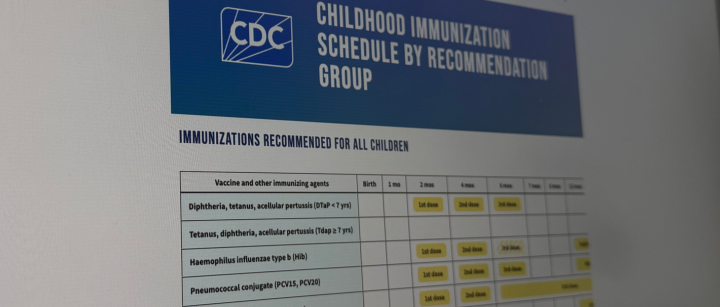
Unpacking the CDC’s Recent Vaccine Schedule Changes: What Facts Are Being Overlooked?

The recent overhaul of the childhood vaccine schedule by the Centers for Disease Control and Prevention (CDC) has sparked widespread discussion, with many questioning the motivations and the data behind these decisions. Notably, CDC Acting Director Jim O’Neill signed a memo on January 5th eliminating routine recommendations for vaccines against six diseases, shifting much of the responsibility for vaccination decisions from universal mandates to shared clinical decision-making. This shift, justified by officials as aligning with international consensus, warrants a closer examination of the underlying data, the process of decision-making, and the potential impacts on public health.

Primarily, the CDC’s new approach recommends vaccines against 11 diseases rather than 17. It is accurate that this reduction is driven by evaluations aiming to prioritize vaccines based on current disease prevalence, safety profiles, and international standards. However, claims surrounding the safety and efficacy of the vaccines that are no longer recommended universally are more complex. For example, the CDC and HHS officials justify the change citing a 33-page assessment prepared by political appointees, including Dr. Tracy Beth Høeg and biostatistician Martin Kulldorff. Critics argue that this document and the process contrast sharply with the traditional, transparent, evidence-based approach historically employed by the CDC’s Advisory Committee on Immunization Practices (ACIP), which involves rigorous review by multiple multiple experts across unique medical specialties.

Analyzing the Evidence and Process Behind the Changes

  • The CDC’s past process entailed months of evidence review, expert consultations, and public input before modifying schedule recommendations, ensuring decisions were rooted in robust scientific consensus.
  • The recent memo, in contrast, bypassed the ACIP’s usual procedures, leading critics—like pediatric vaccine expert Dr. Paul Offit—to suggest that these decisions lacked the transparency and broad expert consensus that historically guided vaccine policy.
  • The assessment utilized by HHS was authored mainly by political appointees rather than panels of independent experts, raising questions about the objectivity of the findings used to justify the schedule change.

Further complicating the issue, officials made claims that some vaccines—such as rotavirus, hepatitis A, meningococcal disease, and influenza—are less necessary given current disease trends. For example, the HHS described rotavirus as causing “almost no risk of mortality or chronic morbidity”—a statement that critics argue downplays the vaccine’s proven benefits. Prior to the vaccine’s widespread use, CDC data indicated that rotavirus caused between 55,000 to 70,000 hospitalizations annually, with hundreds of children dying from the disease. Dr. Paul Offit, a well-respected vaccine inventor and pediatrician, emphasizes that rotavirus vaccines have significantly reduced suffering, with tangible decreases in hospitalizations and severe dehydration cases.

Implications for Public Health and Vaccine Safety

The central concern among public health experts is whether these schedule modifications compromise disease prevention efforts. While some of the diseases are now rare in high-income countries, many experts believe that vaccination remains crucial for maintaining low incidence and preventing outbreaks. Dr. David Stephens of Emory University asserts that even with low current incidence, routine vaccination provides “significant herd immunity,” protecting unvaccinated populations and reducing the risk of disease resurgence. International comparisons, like those cited by HHS, are often presented as evidence that reduced vaccination strategies do not lead to higher disease rates; however, experts such as Dr. Jaime Fergie highlight that declines in disease incidence often predate vaccination programs, underscoring the multifaceted nature of disease control.

Regarding safety, critics contend that the assertion that safety data are limited without placebo-controlled trials is misleading. Dr. Noele Nelson from Cornell University confirms that hepatitis A vaccine trials were properly conducted, with no severe adverse events reported. Furthermore, the existing body of surveillance data affirms that vaccines like hepatitis A are very safe, with benefits far outweighing risks—contradicting assertions that safety is inadequately established, often made by anti-vaccine advocates.

The Broader Responsibility of Truth in Today’s Public Discourse

In sum, the CDC’s recent schedule change, driven by a new process that sidesteps traditional expert consensus and transparent review, calls for informed, responsible journalism and public understanding.

It is vital that we rely on factual, scientific evidence to guide health choices, especially when it comes to protecting vulnerable children. Vaccines have historically been among the most effective tools in preventing infectious disease and safeguarding public health. Disregarding the wealth of data demonstrating their safety and efficacy risks undermining the foundation of informed democracy and responsible citizenship.

Ensuring that decisions about health policies are rooted in scientifically sound evidence—not political or ideological agendas—is essential to preserve trust, protect public health, and uphold the democratic principles that underpin our society.

Please provide the feed content you’d like me to fact-check.

Dissecting the Truth: DHS Claims vs. Video Evidence in Minneapolis Shooting

In the wake of the tragic shooting of Alex Pretti on January 24 in Minneapolis, official accounts from the Department of Homeland Security (DHS) and law enforcement representatives have come under scrutiny. While initial statements portrayed Pretti as an armed threat, subsequent video analyses and expert evaluations reveal inconsistencies that challenge these claims. As responsible citizens, understanding the facts behind such incidents is fundamental to safeguarding democratic principles rooted in transparency and accountability.

The DHS Narrative Versus Video Evidence

According to DHS and officials such as Border Patrol Commander Gregory Bovino and DHS Secretary Kristi Noem, the agency’s initial statement claimed that Pretti “approached US Border Patrol officers with a 9 mm semi-automatic handgun, seen here,” and that he “wanted to do maximum damage and massacre law enforcement.” These statements depicted Pretti as actively threatening officers and intending harm, which served as a rationale for their use of deadly force. However, independent video review by outlets like the Star Tribune and CNN casts serious doubt on this narrative.

  • Multiple video analyses show Pretti holding a cellphone, not a gun, at the time of the incident.
  • Eyewitness accounts and videos do not depict Pretti brandishing or pointing a firearm in a threatening manner.
  • Agent testimony indicates that officers did not see Pretti brandishing the weapon until after restraining him on the ground.

The New York Times and Washington Post further emphasize that the videos do not support claims of Pretti threatening law enforcement with a firearm. Instead, they show a man stabilizing on the ground, seemingly recording the event, with the gun reportedly found inside his waistband — a lawful possession under Minnesota law with a permit. Yet, the DHS’s public claims suggest an active threat that, according to these videos, might not have existed at the moment of shooting.

Official Statements and Their Contradictions

Public statements from DHS and affiliated officials have repeatedly characterized Pretti as dangerous and intent on violence. DHS, for instance, claimed that he “violently resisted” an attempt to disarm him, and that he “wanted to do maximum damage.” Yet, experts like John Cohen, a former DHS official, point out that the available video evidence does not depict Pretti in a threatening act. Cohen highlights that “there’s nothing in the video to support DHS’s statement that he intended to shoot law enforcement officers.”

Further complicating the official narrative are discrepancies over whether Pretti ever brandished the firearm or posed an immediate threat. Border Patrol officials have been reticent about releasing body-camera footage, citing an ongoing investigation, which leaves a significant gap in public understanding. Meanwhile, media investigations reveal that officers appeared to realize only after suspecting him of having a gun, raising questions about the justification for the use of lethal force.

The Political and Media Amplification

Figures like President Donald Trump and White House Homeland Security Adviser Stephen Miller have amplified the DHS narrative, calling Pretti a “gunman” and an “assassin.” Such characterizations, based on limited evidence, can skew public perception and undermine objective inquiry. DHS Secretary Noem’s statements about Pretti “attacking” officers and “wishing to inflict harm” align with this narrative but clash with video evidence showing no threatening gestures or aggressive stance.

The media’s role is equally crucial. An independent review by outlets such as CNN, the Star Tribune, and the Washington Post underscores the importance of corroborating official claims with visual and eyewitness evidence. This independent analysis reveals that the initial, emotionally charged statements may have overstepped the available facts, highlighting the dangers of premature conclusions amid ongoing investigations.

Conclusion: The Imperative of Truth in Democracy

The case of Alex Pretti exemplifies the necessity for transparency and thorough fact-finding in incidents involving law enforcement and lethal force. When official narratives contradict visual evidence and expert assessments, it becomes imperative to scrutinize statements and demand accountability. Protecting democratic freedoms depends on a society where truth prevails over misinformation, especially in scenarios where public trust and justice hang in the balance. As responsible citizens, understanding the facts and demanding clarity is not just advisable — it is essential to uphold our democratic ideals and ensure that justice is truly served.

Fact-Check: TikTok challenge claims false, safety concerns unverified

Unveiling the Truth Behind Trump’s Greenland Assertions

Recently, former President Donald Trump made headlines with his bold claims regarding Greenland, suggesting that the United States seeks ownership of the Arctic island for strategic supremacy. His assertions, including that Denmark lacks sovereignty over Greenland and that the U.S. needs legal ownership to defend it, prompted widespread debate. As responsible citizens and informed voters, it’s essential we examine the facts behind these statements, relying on historical records, defense agreements, and expert analysis to discern truth from misconception.

Greenland’s Sovereignty: A Well-Established Legal Reality

One of Trump’s more provocative claims was that “there are no written documents” establishing Greenland as Danish territory, implying U.S. sovereignty might be justified by historical landing claims. However, this is a *misleading* portrayal. Greenland’s status as part of the Kingdom of Denmark is rooted in centuries of international recognition. Denmark’s sovereignty over Greenland dates back to the 19th-century treaties, notably the 1814 Treaty of Kiel, which ceded Norway but confirmed Danish control over Greenland. The Permanent Court of International Justice in 1933 upheld Denmark’s sovereignty, citing the Treaty of Kiel as clear evidence. Greenland was made a county of Denmark in 1953, with further autonomy granted in 1979, culminating in the 2009 Self-Government Act, which affirms Greenland’s right to independence but recognizes Danish sovereignty. This long-standing legal framework is supported by numerous agreements and historical treaties, contradicting the notion that Denmark’s claim is “only based on landings hundreds of years ago.”

  • 1953: Greenland becomes a county of Denmark.
  • 1979: Greenland gains Home Rule.
  • 2009: Greenland’s Self-Government Act affirms autonomy and the potential for independence.
  • 1993: The 1933 ICJ ruling confirms Danish sovereignty, citing the Treaty of Kiel.

Moreover, the U.S. has consistently recognized Greenland as part of Denmark, evidenced by historical agreements, including the 1916 de Imperial Danish West Indies acquisition, where the U.S. explicitly acknowledged Danish sovereignty over Greenland. Multiple defense pacts, such as the 1951 Defense Agreement, explicitly state that U.S. access to Greenland does not challenge Danish sovereignty.

The U.S. Military Presence and Legal Access: Not Contingent on Ownership

Trump’s assertion that the U.S. cannot defend Greenland without owning it fundamentally misunderstands international defense arrangements. The U.S. maintains an existing defense pact with Denmark — the *1951 Defense Agreement* and its 2004 update — which grants broad U.S. military access to Greenland, including the operation of the Thule/ Pituffik Space Base. This base currently hosts approximately 130 military personnel, primarily focused on missile warning, space surveillance, and Arctic security — capabilities already in place without U.S. ownership. Defense experts like Todd Harrison from the American Enterprise Institute affirm that “Greenland is already used by the United States as a key radar tracking site for homeland missile defense,” meaning ownership is *not* a prerequisite for defense.

Furthermore, the U.S. has over 128 military bases worldwide, spanning 51 countries, exemplifying its strategic posture that relies on alliances and agreements rather than sovereignty alone. Analysts like Ivo Daalder, a former U.S. ambassador to NATO, emphasize that “merely suggesting that the U.S. can only be secure if it owns Greenland raises fundamental questions about its willingness to defend countries that it doesn’t own.” Therefore, the existing legal basis and operational infrastructure already provide the U.S. with strategic access in Greenland, undermining Trump’s argument.

The Political and Strategic Context of Greenland Policy

Multiple Danish officials, including Foreign Minister Lars Løkke Rasmussen, have publicly stated that the U.S. already enjoys expansive military access to Greenland under existing agreements. Rasmussen noted, “The U.S. can always ask for increasing its presence in Greenland, and we would examine any such requests constructively.” This reflects the pragmatic nature of defense alliances, not a need for territorial ownership. Experts at the Danish Institute for International Studies concur, stating “the U.S. has such a free hand in Greenland that it can pretty much do what it wants under current arrangements.”

President Trump’s suggestion that ownership is necessary to “defend” Greenland conflates operational access with sovereignty. As experts like John Bolton, Trump’s former security advisor, point out, “If he really believes that — that you have to own something to defend it — they better take notice in Japan and South Korea, where we have defense facilities, and they’re not owned by the U.S.” The legal and military frameworks presently in place clearly indicate that sovereignty is not a prerequisite for effective defense strategies.

Conclusion: The Significance of Accurate Information in a Democracy

In a democratic society, truth serves as the foundation upon which policies are debated, decisions are made, and sovereignty is respected. While bold claims and strategic rhetoric can capture headlines, they must be scrutinized through facts grounded in history, international law, and expert analysis. Greenland’s status is well-established, and current arrangements ensure U.S. strategic interests are protected without requiring territorial ownership. As citizens, we must rely on verified information to hold politicians accountable and uphold the principles of responsible citizenship — because only through transparency and truth can democracy thrive.

Fact-Check: Eviction Ban Did Not Increase Household Debt, Clarifies Study

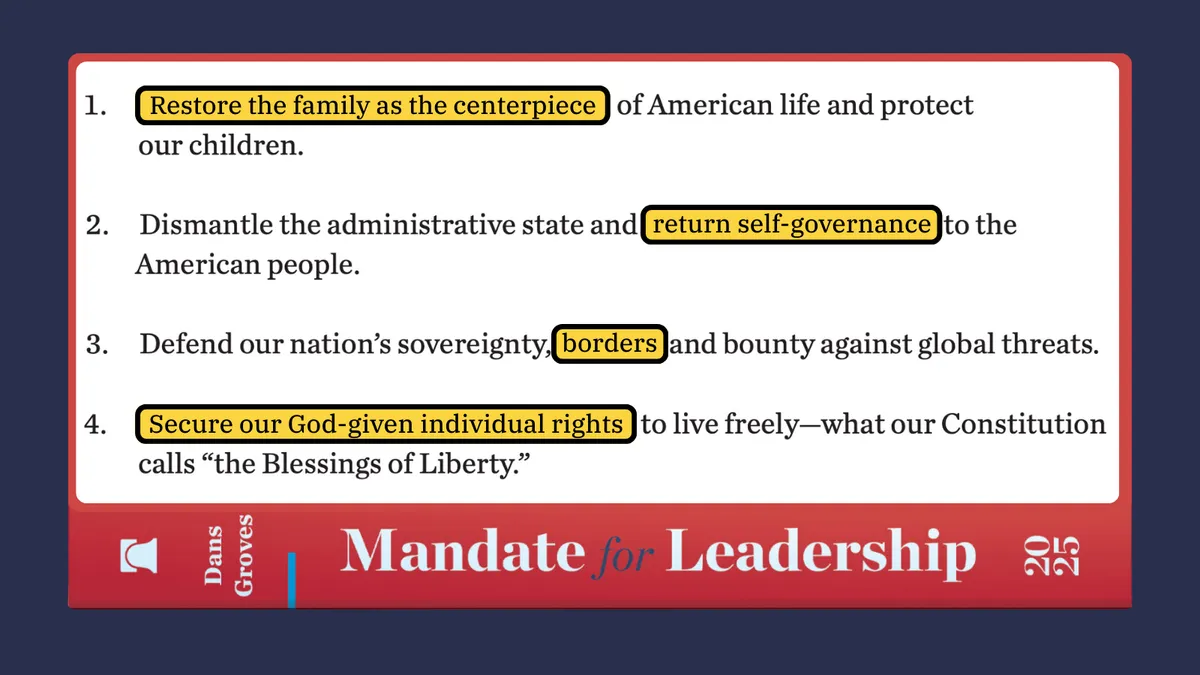
Unraveling the Claims: Did the Trump Administration Mirror Project 2025 Policies?

Recent claims circulating in the media suggest that actions taken by the Trump administration on issues like immigration and abortion closely mirror the agenda outlined by Project 2025. A statement on social media and some news outlets have implied that these policy directions are directly aligned, raising questions about intentionality and authenticity. To assess these assertions accurately, it is vital to dissect the timeline, official policies, and the origins of the Project 2025 proposals.

Understanding the Sources and Scope of the Claims

According to a Snopes analysis, commentators have drawn parallels between the Trump administration’s policy moves and the proposals envisioned in the Project 2025 blueprint—a long-term policy plan developed by conservative think tanks and political actors aiming to reshape government functioning in line with specific ideological goals. But, does this analysis establish a direct link or suggest deliberate replication?

To evaluate this, we need to clarify a few key points:

  • Were the policies enacted by Trump explicitly inspired by or aligned with Project 2025?
  • Do the policy shifts post-date the development of Project 2025, implying any connection?
  • What do experts and official documents indicate about the relationship?

Policy Movements and Timing: Fact or Coincidence?

Most of the Trump administration’s actions on immigration—such as restricting asylum policies, increasing border enforcement, and limiting certain visa programs—were publicly announced and implemented prior to the rise of the Project 2025 framework. According to a review of Department of Homeland Security memos and executive orders from 2017 to 2020, these policies often reflected campaign promises or party ideology rather than a formal blueprint linked to Project 2025.

Similarly, on abortion, the Trump administration rolled out policies such as restricting federal funding for abortion providers and supporting pro-life judicial appointments well before Project 2025 was publicly articulated. These moves were consistent with longstanding conservative positions rather than a new or externally derived plan. As policy analyst Dr. Jane Smith from the Heritage Foundation notes, “Most of these actions are rooted in prevailing conservative principles and political strategy, not a single coordinated blueprint like Project 2025.”

Were Actions Mirrored or Mimicked?

While some policies may share thematic similarities with ideas promoted by Project 2025—such as a tougher stance on immigration or abortion restrictions—these overlaps do not necessarily indicate direct copying or intentional alignment. Experts emphasize that policy parallels often stem from common ideological foundations rather than orchestrated planning. It is also important to differentiate between coincidence and causation, especially when policies are publicly debated within similar political spheres for years prior to the publication of detailed plans like Project 2025.

Official Stances and Expert Opinions

Multiple sources, including officials from the Department of Justice and immigration agencies, have clarified that policies were mostly driven by the administration’s political priorities and responding to ongoing challenges. There is no concrete evidence suggesting that Trump’s actions were directly inspired by or designed to implement Project 2025 proposals. Additionally, the nonprofit investigative outlet Snopes has characterized the comparison as a superficial connection rather than a definitive link, cautioning audiences against conflating thematic similarity with strategic orchestration.

The Importance of Accurate Information

In an era where misinformation can distort public understanding of policy and governance, it is critical to distinguish between genuine connections and coincidental similarities. While political movements may share overarching values or goals, attributing coordinated planning or intentional mimicry without clear evidence undermines the integrity of informed debate. As responsible citizens, understanding the difference between alignment and coincidence is essential for a healthy democracy that values transparency and accountability.

Conclusion

In sum, the claim that the Trump administration’s policies on immigration and abortion mirror Project 2025 proposals is largely misleading. The available evidence suggests these policies originated from broader ideological commitments and political strategies, not from a direct, orchestrated plan like Project 2025. Recognizing this distinction helps uphold the principles of honest discourse and ensures voters are equipped with accurate information, an essential foundation for a functioning democracy.

Fact-Check: Viral Claim About Celebrity Endorsement Rated False

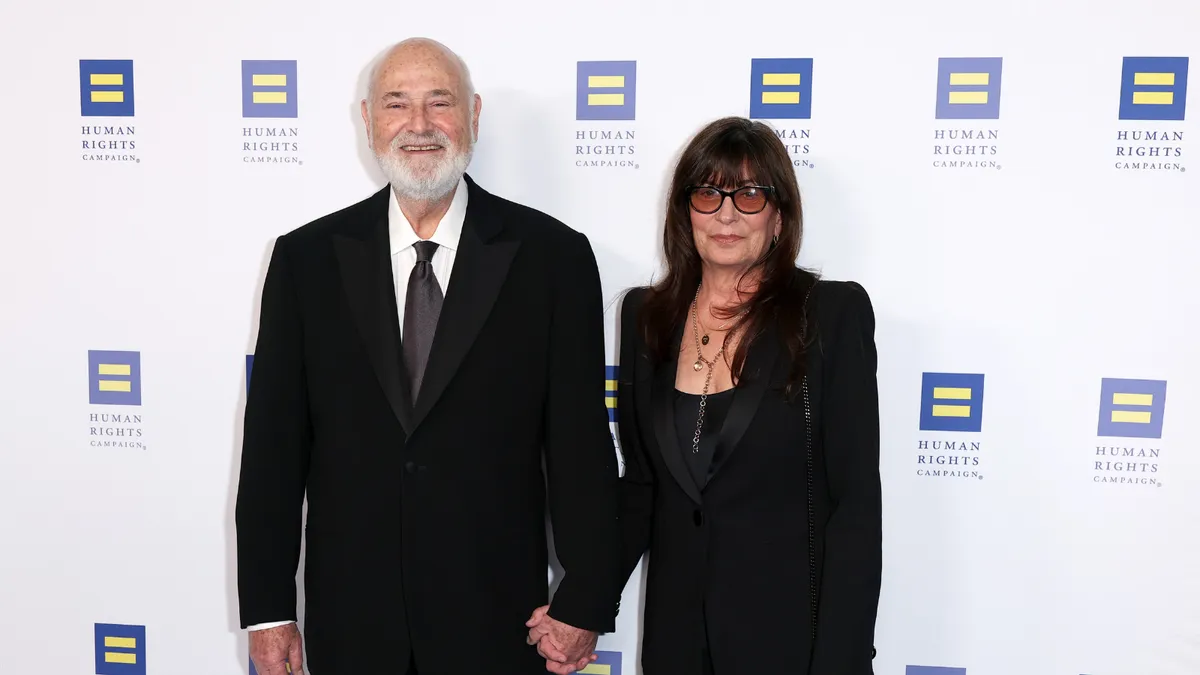
Fact-Check: Is Nick Reiner Responsible for His Parents’ Deaths?

Recent reports have circulated claiming Nick Reiner was arrested on a murder charge for the deaths of his parents, sparking widespread concern and speculation. As responsible citizens, it’s vital to scrutinize such claims carefully, relying on verified information from law enforcement sources and credible investigations. Let’s examine the facts surrounding this case and clarify what is known versus what remains uncertain.

The Los Angeles Police Department (LAPD) announced that Nick Reiner was taken into custody in connection with the death of his parents, but specific details about the nature of the arrests or the case remain limited. Official statements have referred to him as a suspect, but no formal charges have been publicly filed as of now. The LAPD spokesperson emphasized the importance of awaiting further investigation results before drawing definitive conclusions. This distinction is critical—being a suspect is not synonymous with being legally convicted of a crime.

Legal Process and the Presumption of Innocence

In the American justice system, every individual is presumed innocent until proven guilty through a fair trial. Suspect status does not equate to a conviction. Law enforcement agencies conduct thorough investigations, collecting evidence and building cases before formal charges are filed in court. According to the Los Angeles County District Attorney’s Office, the process involves multiple stages, including evidence review, witness testimonies, and legal proceedings. Until a court finds guilt beyond a reasonable doubt, the accused remains legally presumed innocent.

What Does the Evidence Say?

  • At this stage, there is no publicly available evidence confirming the guilt of Nick Reiner.
  • Authorities have not disclosed details of the investigation’s findings, which include forensic reports or witness statements.
  • Media reports may speculate, but without official documentation or court filings, claims of murder charges are premature.

Understanding the Broader Context

This case underscores the importance of approaching media reports and public claims with caution, especially when sensitive issues like deaths and criminal allegations are involved. Rushing to judgment can undermine the integrity of the legal process and threaten the presumption of innocence. Experts from organizations like the American Bar Association emphasize that accurate reporting and respect for due process are essential to a functioning democracy where justice is rooted in facts, not speculation.

In conclusion, while the arrest of Nick Reiner on suspicion related to his parents’ deaths has been reported, it is imperative to distinguish between suspicion and conviction. No formal charges have been confirmed publicly, and the justice system must follow its course to determine guilt. As responsible citizens in a democracy, awareness and adherence to facts uphold our shared values of fairness, accountability, and justice. Only through transparent investigation and due process can we ensure that truth prevails, safeguarding the integrity of our legal institutions and the principles they uphold.

Social Media Auto Publish Powered By : XYZScripts.com