Matox News

Truth Over Trends, always!

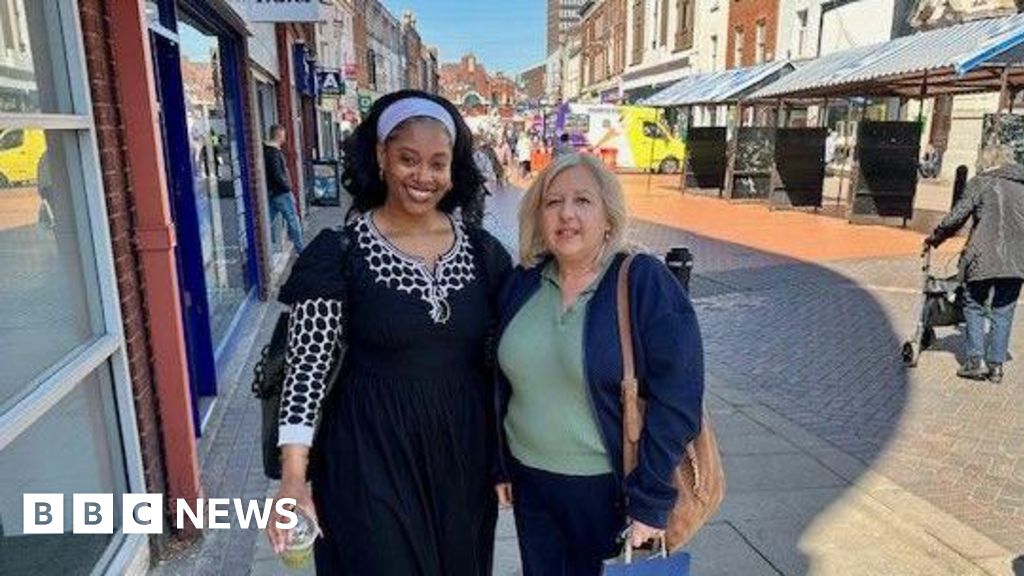
Fading High Streets Leave Young Voters Feeling Overlooked Before Local Elections

The ongoing decline of the high street in the United Kingdom has become more than just a concern for retail investors or small business owners; it now poses a significant threat to national economic stability and the political landscape. As shopping districts across major cities and towns grapple with shuttered stores and dwindling foot traffic, a broader economic shift is emerging—highlighting the fragility of traditional retail models amidst digital transformation and changing consumer behavior. Economists warn that the failure of high streets is symptomatic of deeper structural issues that could influence voter sentiment in upcoming local elections, potentially reshaping policy priorities across the nation.

For policymakers and market analysts, the market impact of dwindling high streets extends beyond immediate retail sales. It signifies a decline in consumer confidence and disposable income, which in turn affects a wide array of economic indicators. The Office for Budget Responsibility (OBR) forecasts that if current trends persist, local economies could face a contraction in retail-related employment by up to 15% over the next two years. Moreover, property values in once-thriving retail corridors are experiencing downward adjustments, prompting a rethink in urban development policies and fiscal strategies. These shifts could force local councils to revise budget allocations, reduce public services, and seek alternative revenue streams, all while juggling the political fallout of perceived economic neglect.

Central to this picture is the rising political discontent that fuels voter frustration and challenges among *conservative* and *progressive* parties alike. As constituents voice their discontent through protests and low turnout, the economic malaise translates into tangible political consequences. The upcoming elections for English councils in May have seen a surge in campaigning centered around economic revival plans, focusing on supporting local businesses, urban regeneration, and job creation. Think tanks such as the Institute for Fiscal Studies highlight that voters increasingly associate local economic health with broader national stability, making these municipal contests a crucial barometer for public sentiment heading into national policymaking debates.

Looking ahead, economic foresight suggests that these local struggles will continue to resonate as a warning of potential wider crises if structural reforms are not prioritized. Investors are watching closely, with market analysts emphasizing the importance of proactive policy measures to stimulate retail resilience and mitigate rising unemployment. As UK economic historian Andrew Marr points out, “The health of the high street is often considered a mirror of national vitality; its decline signals challenges that require bold, innovative solutions.” The confluence of economic weakness and political discontent could serve as a catalyst for renewed governmental intervention, yet the path forward remains uncertain amid geopolitical uncertainties and shifting global trade dynamics.

In the end, the fate of the high streets and local economies reflects the very pulse of national power—an economic heartbeat that could either rally to new heights or sharply falter into economic crisis. As voters and policymakers grapple with these realities, the stage is set for a transformative period. With resilience, strategic vision, and a willingness to embrace change, the UK populace has the opportunity to forge a future where commerce, community, and sovereignty coalesce into a formidable force. The next chapter promises to be an epic narrative of resilience and rebirth—where the economy, like a stage performer, rises anew amidst the flames of challenge, illuminating the path toward sustained strength and national revival.
Are Traditional School Uniforms Fading? Why Some Schools Are Embracing 'Active' Dress Codes for a Modern Generation
Are Traditional School Uniforms Fading? Why Some Schools Are Embracing ‘Active’ Dress Codes for a Modern Generation

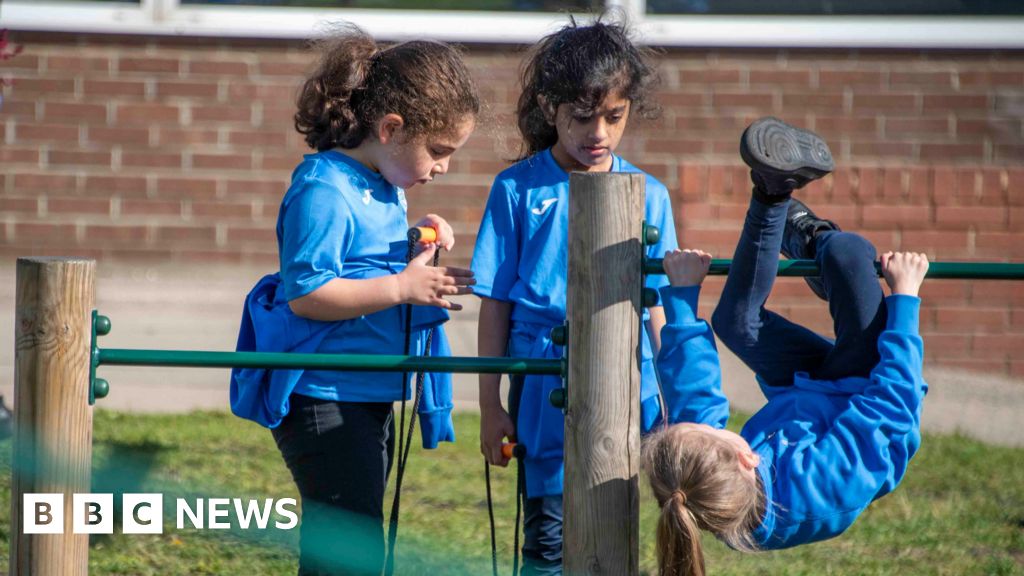
In recent years, a notable trend has emerged within the sphere of urban education policy: the push toward relaxed school uniforms. Advocates argue that this shift caters to the practical needs of children, fostering a more comfortable, inclusive environment where students can focus on learning rather than conforming to traditional dress codes. Such proponents maintain that allowing students to choose less restrictive attire diminishes the burdens placed on families—particularly those from economically disadvantaged communities—and encourages a healthier, more dynamic atmosphere conducive to physical activity and creative expression. However, beneath these promising perceptions lies a complex web of social tensions and cultural shifts that reveal much about the evolving landscape of our shared societal values.

As sociologists like Dr. Jane Harper of the Social Dynamics Institute observe, educational attire has historically served as an important marker of social cohesion and discipline. Traditional uniforms aimed to diminish inequalities rooted in socioeconomic disparities, fostering a sense of collective identity among students. Moving towards more relaxed standards raises questions about whether such policies inadvertently undermine efforts to promote equality and discipline, or whether they reflect a necessary adaptation to the realities faced by modern youth. Critics warn that loosening dress codes might subtly erode the boundaries that help ground responsibility and decorum—values that have historically anchored communities and shaped moral development among young people.

This debate is further compounded by the fact that families are at the crux of this social transformation. For many parents, particularly from working-class communities, relaxed uniforms can ease morning routines and reduce financial strain—no longer requiring costly gown purchases or strict adherence to dress standards. Yet, others fear that such shifts could embolden a broader cultural move away from respect for tradition and authority, challenging communal norms that foster social stability. As social commentator Marcus Holloway notes, these policies are not simply about clothing; they are emblematic of a larger struggle over cultural identity and the societal values that shape our youth, our families, and the future of our collective life.

  • Many schools and districts are experimenting with relaxed uniform policies aimed at increasing student comfort and participation in physical activities.
  • Concerns persist that these changes could weaken social cohesion or diminish the educational environment’s moral authority.
  • Cultural tension exists between maintaining order and embracing individual expression—a fine line that influences family life and community morale.
  • Solutions proposed include community dialogue, clear guidelines balancing freedom with responsibility, and fostering a shared understanding of societal values among students.

Ultimately, the debate over school uniforms encapsulates larger questions about who we are as a society and what we value most in nurturing future generations. As sociologists remind us, these choices reflect and influence the moral fabric of our communities. As families and educators navigate this terrain, they are tasked with balancing personal freedom and societal responsibility, striving for an environment that supports both individual growth and social stability. The path forward remains uncertain, but it is within this ongoing conversation—rooted in respect, shared purpose, and the hope for a unified society—that the true challenge and opportunity lie: to build a future where societal bonds are reaffirmed, and each generation inherits a shared commitment to moral excellence and community resilience. Only then can society hope to confront its social issues not as insurmountable barriers, but as catalysts for meaningful transformation.

Social Media Auto Publish Powered By : XYZScripts.com



