Matox News

Truth Over Trends, always!

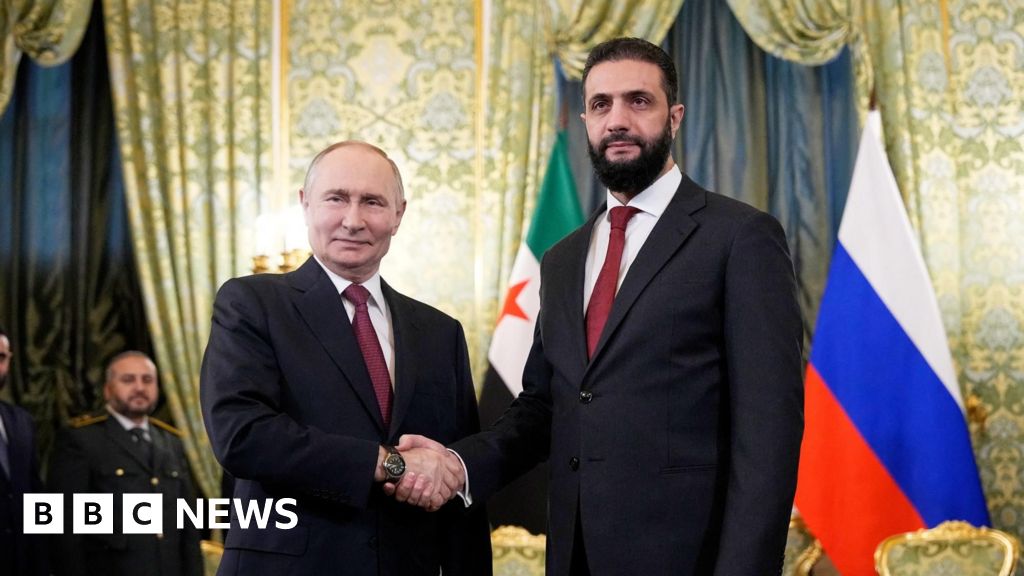
Sharaa Meets Putin in Moscow: First Contact Since Assad’s Fall

In a remarkable shift of alliances and perceptions, Syria’s interim President, Ahmed al-Sharaa, recently held his first high-level talks with President Vladimir Putin in Moscow, signaling an unprecedented thaw in longstanding enmity. Once firmly embroiled on opposite sides of Syria’s brutal civil war, both leaders demonstrated that pragmatic interests now overshadow ideological divides. Putin’s reference to their “special relationship” underscores an emerging geopolitical calculus wherein regional stability and strategic access take precedence over past allegiances. Such a diplomatic overture hints at a broader recalibration of Middle Eastern alliances, with Moscow seeking to cement its influence even as some Western powers question the legitimacy of Assad’s exiled regime.

The meeting in Moscow highlights a significant realignment where former enemies now seek common ground. Last year, Bashar al-Assad was ousted from power after years of brutal repression, supported by Western sanctions and military backing from regional actors. Yet, in a surprising turn, the Syrian leadership appears receptive to partnering once more with Russia, a key guarantor of regime survival, primarily through access to strategic military bases at Tartous and Hmeimim. Analysts see this as a calculated move by Damascus to leverage Russia’s military prowess and economic resources for sovereignty preservation. Sharaa’s commitment to allowing Russia continued military access reflects a tacit acknowledgment that without Moscow’s support, Syria’s stability remains fragile, vulnerable to future geopolitical upheavals.

Despite the seemingly cordial tone, the deep-rooted tensions of history linger beneath the surface. Russia’s decision to grant asylum to Assad, accompanied by Lavrov’s candid admission that Assad and his family faced “the risk of physical elimination,” demonstrates the complex layers of geopolitics at play. Russia’s strategic interests extend beyond mere military presence; they encompass economic investments, diplomatic influence, and the prevention of regime collapse that could destabilize the entire region. Meanwhile, Sharaa’s expressed desire to restore Syria’s relations with the world, especially with Russia, underscores an intent to secure vital international support for rebuilding Syria’s battered economy and maintaining territorial integrity. However, international organizations and foreign policy analysts warn that such alliances might entrench authoritarian rule and delay the quest for genuine democratization in the country.

The geopolitical impact of this renewed partnership extends far beyond Syria’s borders. A Russia-Syria alliance shifts the regional power dynamics, challenging Western influence and complicating efforts by entities like the US and the European Union to shape the future of the Middle East. For Moscow, maintaining its foothold in the Mediterranean through Syria is a strategic priority, reinforcing its global ambition to project power in areas once dominated by Western influence. Conversely, Syria’s push to redefine its sovereignty by seeking aid from Russia raises critical questions about the future of international diplomacy, sovereignty, and the limits of Western-led democracy promotion. The delicate balance between cooperation and dependence is now at the crux of regional stability, with echoes felt across neighboring nations and global power centers.

As the corridors of power continue to turn and history writes new chapters, the global community watches with bated breath. Will this pragmatic alliance forge a durable peace or sow the seeds for future conflicts? The answers remain mired in shadows of geopolitics and the relentless pursuit of national interest—an unfolding drama that will define the region’s destiny long after today’s headlines fade into history’s archives. The world stands on the precipice of a new chapter, where alliances are rewritten and the true cost of power is measured not just in treaties, but in centuries to come.

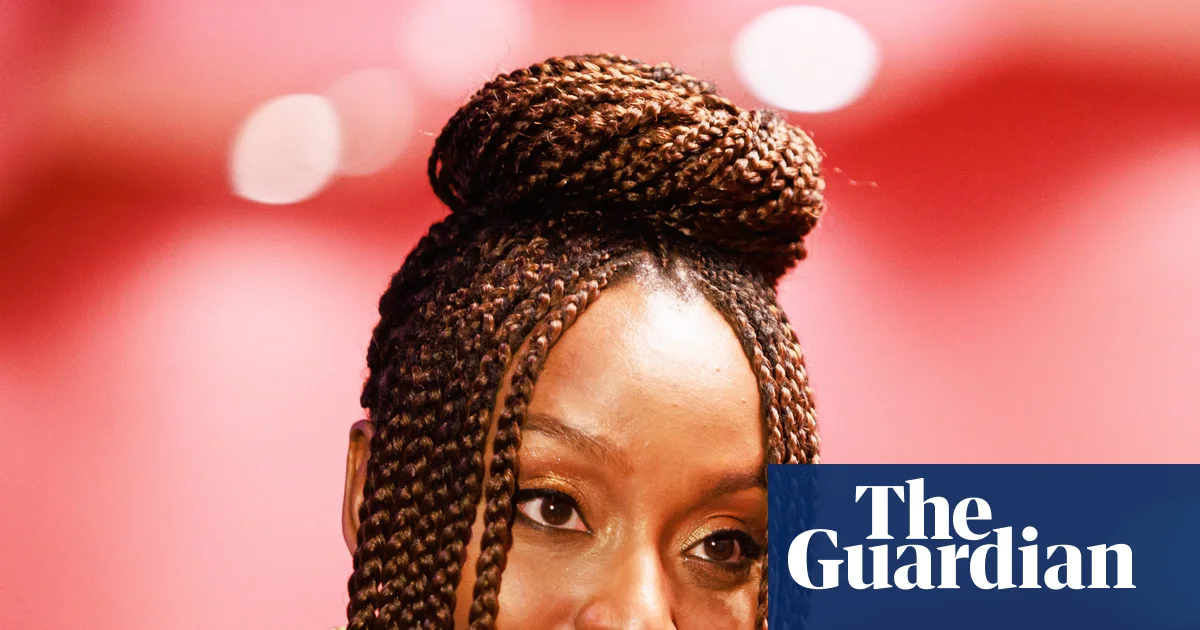
Chimamanda Ngozi Adichie Warns Her Sons Could Fall Into manosphere Traps

The world’s narrative: Culture, gender discourse, and how societies are shifting

Recent public expressions by influential figures such as Chimamanda Ngozi Adichie signal a broader cultural dialogue that transcends individual nations and touches upon a global shift in societal values and gender identities. Adichie’s fears about her young boys potentially being drawn into the contentious “manosphere” underscore a rising concern among cultural commentators and international analysts about the perceived adversities faced by boys and men. As the world increasingly debates the roles and expectations within gender dynamics, the stakes extend beyond personal narratives, becoming a matter of geopolitical interest.

The geopolitical impact of cultural and social shifts

Across the globe, international organizations and policymakers are grappling with the ramifications of rising identity politics and culture wars. Veteran analysts such as those at the United Nations warn of how cultural upheavals—such as debates over reproductive rights, gender recognition, and the influence of social media-driven movements—reshape the societal landscape. Decisions made in Western democracies, including the rollback of certain rights and the fostering of new gender paradigms, challenge traditional definitions of identity and authority, thus adjusting geopolitical alignments and cultural influence.

Historian and political theorist Samuel P. Huntington spoke of civilization clashes—yet today, the arena is as much cultural as it is political. Countries that emphasize collective cultural narratives are increasingly aligned against the tide of liberal social reform favored by Western powers. Meanwhile, China and Russia leverage their own traditionalist rhetoric to oppose Western initiatives that promote gender fluidity and individualism, framing these as threats to societal cohesion and sovereignty. The Global South, meanwhile, finds itself caught between these influences, further complicating international diplomacy.

How individual nations and societies are affected

The discourse surrounding gender and societal expectations is not confined to ivory towers or the halls of international bodies. It translates directly into the lives of ordinary citizens, impacting policy, education, and even national security. In the United States and parts of Europe, the intense debates over reproductive rights and gender recognition have led to legislative and judicial battles that redefine citizens’ legal identities and rights. Conversely, in nations like India and Indonesia, traditional gender roles remain dominant, but global influence and internal activism threaten to reshape these societies, often provoking pushback from conservative factions.

Experts like Friedrich Hayek and Alexis de Tocqueville have long warned about the fragility of societal order amidst rapid cultural change. Today, their warnings seem prescient as societies find themselves in the throes of cultural conflicts that threaten to fracture social cohesion. As debates over “cancel culture” and gender politics infect the political landscape, the outcome remains uncertain. Could these divisions lead to increased instability or even conflict? International observers closely monitor these developments, understanding that how each nation navigates this turning point will likely define the 21st century’s geopolitical order.

As history unfolds, the weight of decisions made now

The narratives surrounding gender, tradition, and cultural identity are more than mere social commentary — they are the lenses through which future histories will be written. As the world wrestling with these profound questions, the moment is upon us to ask:
Will societies manage to balance the preservation of core values with the need for progress, or will the current upheaval herald a new era of division and conflict?

And so, the story continues, each decision echoing through the corridors of power and the streets of nations. In the grand theater of history, these moments are often\nthe precursors to profound transformation. The next chapter begins, and the weight of what comes next rests heavily upon the collective choices of a world standing at a cultural crossroads—not merely a phase of debate, but the very fabric of society itself hanging in the balance.

Alaskan climbing sensation Balin Miller tragically loses his life after fall from Yosemite’s iconic El Capitan

In a world captivated by the thrill of extreme sports and outdoor adventure, the recent tragedy involving Alaskan climber Balin Miller has sent shockwaves through the global climbing community. Miller, just 23, lost his life after falling from the iconic El Capitan—a towering monolith in Yosemite National Park. Known for his daring solo ascents, Miller had built a reputation as one of the rising stars of alpinism, inspiring many young climbers with achievements such as the first solo ascent of Mount McKinley’s Slovak Direct. His death highlights the raw dangers inherent in the pursuit of adventure and how personal dedication to mastering the mountains can turn into a lethal risk when safety protocols are overlooked or unforeseen accidents occur.

Miller’s story is not merely one of tragedy; it serves as a stark reminder of the fine line between heroism and hazard. Climbing experts like veteran alpinist Clint Helander have recognized Miller’s impressive accomplishments, pointing out that in just six months, he had unleashed some of the most remarkable exploits the sport has seen. His determination and skill culminated in efforts that gained international acclaim—an inspiration to aspiring climbers looking to push their limits while respecting the mountain’s formidable power. Still, Miller’s death underscores an essential truth: every upward step in the mountains is shadowed by inherent risk. His passing, during an activity that blends physical mastery with mental resilience, challenges us all to balance the desire for thrill with unwavering respect for nature’s unpredictability.

Amid this atmosphere of reflection and respect, it is vital to recognize how the shift in outdoor lifestyle—driven by the quest for health, wellness, and adventure—continues to grow. In recent years, more young people have been inspired to embrace a lifestyle that emphasizes personal achievement and resilience, often turning to activities like climbing, hiking, and outdoor exploration as a form of wellness. However, the recent incident also prompts a deeper conversation about safety, preparation, and respecting limits. Experts such as author and wellness advocate Mark Sisson emphasize that true strength in outdoor pursuits lies in understanding one’s boundaries and ensuring proper training and gear. For young adventurers, the message is clear: ambition should be paired with prudence, transforming the adrenaline of discovery into a responsible pursuit that endures.

Ultimately, the story of Balin Miller leaves us contemplating the profound journey of embracing life’s challenges. It reminds us that true fulfillment in the pursuit of adventure is intertwined with respect—for ourselves, our craft, and the majestic, often unpredictable forces of nature. While the heights of mountains like El Capitan beckon with promises of achievement and inspiration, they also demand our humility and vigilance. As we listen to the echoes of Miller’s daring spirit, we are called to recognize that the pursuit of greatness is a continuous journey—a quest to find harmony between daring to dream and the wisdom to keep ourselves safe. In this balance, we discover not just the thrill of ascent, but the strength to face life’s own steep, uncharted cliffs.

Jess Cartner-Morley on Fall Fashion: Go All-In on White Shades — No Rules, Just Style

The Rise of Winter White: A Cultural Trend Reimagined

In recent fashion circles, winter white has emerged as the unexpected star of the season, redefining not just how we dress but also touching on larger societal shifts towards minimalism and sophistication. Drawing inspiration from the elegant aesthetics of The White Company and reimagined through the lens of visionary designers like Sheila McKain—whose background spans Donna Karan, Jaeger, and Oscar de la Renta—the trend elevates traditional winter wear to a statement of calm luxury and discreet confidence.

This movement isn’t just about aesthetics; it’s a cultural statement challenging ingrained notions of color as expressive of mood or identity. Instead, white—particularly shades like cool-toned scandi, creamy porcelain, and warm butter—is now positioned as a powerful tool for social signaling—signaling restraint, elegance, and a nuanced approach to style that resonates with a generation seeking authenticity without excess. Influencers like Tiffany Hsu are showcasing this new winter wardrobe, emphasizing how this clean color palette acts as a blank canvas for personal expression while remaining effortlessly sophisticated.

Beyond clothing, the cultural impact of this white renaissance extends into lifestyle and social values. Embracing white attire embodies a shift towards simplicity and intentionality, resonating with a younger demographic eager to balance style with social consciousness. As fashion analysts interpret this trend, they note that it’s not about being one-note but about embracing a broader spectrum of whites: from transparent and beige to subtle greys—an inclusive approach that redefines what “white” can be. This plays directly into the current societal penchant for individuality within conformity, where less is more, yet more is also more—more textured, more nuanced, more meaningful.

The significance of this trend is vividly captured through candid celebrity renders and street style takes, making it clear that winter white is no longer reserved for the privileged or the ultra-formal. Instead, it’s becoming a versatile style that bridges professionalism and leisure, lending itself to a range of contexts — from high-street shopping to high society galas. As this visual aesthetic gains momentum, it raises an intriguing question: will our society’s collective jump to purity and minimalism in fashion signal an even deeper societal desire for clarity and stability amidst chaotic times? Is the dominance of white simply a fleeting trend, or a reflection of a larger cultural pivot towards purity and authenticity?

Score Big: 55 Top Deals Ahead of Amazon’s Fall Prime Day—Don’t Miss Out!

Tech Industry Shifts Accelerate as Consumer Electronics Deals Signal Disruption and Innovation Opportunities

The recent surge in consumer electronics discounts during Amazon’s Prime Big Deal Days underscores a transformative phase within the technology sector, driven by rapid innovation and evolving market dynamics. As brands like Apple and Amazon slash prices on flagship products such as the latest iPad Mini, industry analysts anticipate that these aggressive promotional strategies will reshape competitive landscapes. Such discounts not only bolster consumer enthusiasm but also reflect underlying shifts in supply chain efficiencies, chip manufacturing, and retail strategies—paving the way for new business paradigms to emerge.

Emerging technologies like wireless earbuds, smart speakers, e-readers, and home automation devices are gaining momentum, with record-breaking deals highlighting their increasing accessibility and integration into daily life. Evident from the promotional campaigns, these gadgets are rapidly evolving through disruption-driven innovation, pushing major players to reimagine their offerings for younger, tech-savvy demographics. For example, the latest Echo devices and Kindle Scribe feature advancements in voice recognition, AI-driven personalization, and seamless ecosystem integration—factors that Gartner and forward-looking investors see as critical for capturing future market share.

The Impacts of Innovation on Business Strategy and Market Dynamics

Industry insiders like Elon Musk and Peter Thiel recognize that disruption in consumer electronics often signals broader shifts within the ecosystem of AI, IoT, and smart infrastructure. The current promotional landscape acts as a market testing ground for these innovations, where bold pricing strategies are employed to accelerate adoption. Companies leveraging machine learning and edge computing are gaining competitive advantages; for instance, smart home products that anticipate user needs and adapt accordingly could redefine residential automation within the next decade.

  • Features: Enhanced connectivity, AI-driven personalization, integrated ecosystems
  • Pros: Increased adoption, accelerated innovation cycles, expanded user engagement
  • Cons: Market saturation risks, supply chain fragility, rapid obsolescence concerns

These developments suggest an industry in flux, with market shifts under way that could advantage innovative startups and established giants willing to adapt quickly. As traditional companies face mounting pressure to innovate or risk obsolescence, the landscape is set for a new wave of disruptive entrants—especially those harnessing AI, 5G, and quantum computing—who will capitalize on this momentum to redefine consumer expectations and industry standards.

Looking Ahead: The Drive Toward a Tech-Driven Future

The rapid pace of technological innovation, combined with strategic promotional campaigns, heralds a future where disruption is the norm rather than the exception. Industry leaders, investors, and policymakers must stay alert to these shifts, recognizing that today’s consumer deals are microcosms of larger strategic pivots. The advent of more affordable, feature-rich devices signals that the next era of technological dominance will be characterized by hyper-innovation, market fragmentation, and new business models rooted in AI, connectivity, and user-centric ecosystems.

As the industry gears up for transformative change, stakeholders must prioritize adaptable, forward-thinking strategies—lest they fall behind. The countdown to a digitally integrated, AI-powered realm is accelerating, and those who act swiftly will shape the trajectory of technological progress in the coming decade.

Stay warm and bold: The coolest puffers, parkas, and leopard print coats to slay fall and winter style

As seasons change and autumn whispers its arrival, a new society-wide obsession begins to brew: the coat. Far beyond mere insulation, this garment transforms into a cultural statement, reflecting an evolving social landscape that young consumers are increasingly eager to define and redefine. The shift is obvious — from the classic navy trench to bold, pop-of-colour puffer jackets, coats are now more than just functional; they’re powerful symbols of identity, social status, and environmental consciousness. Influencers like Chiara Ferragni and sociologists like Dr. Antonia Hart highlight how this season’s coat choices mirror a society hungry for self-expression while seeking authentic expressions of sustainability in fashion.

The social relevance of this trend is undeniable. Fashion experts now observe that bold colours and vintage repurposing are dominating the scene, signaling a move toward individualist expressions amid a backdrop of collective societal transformation. The iconic leopard-print coat, once a symbol of rebellion, now signifies empowerment and a desire to stand out in a sea of conformity. Meanwhile, the rise in sustainable, recycled coats speaks to a societal shift that values conscious consumption. Major brands like Rains and Nobody’s Child are responding with innovative, environmentally friendly designs that cater to a generation increasingly aware of their social footprint, fostering a culture where fashion becomes a statement of hope and activism.

Pop of Colour and the Social Impact

This season’s pop of colour isn’t just about standing out — it’s about standing up. Bright, eye-catching hues such as emerald green and burgundy are now embedded in everyday wardrobe staples, challenging traditional notions of muted autumn fashion. Influencers celebrated for their daring style choices are inspiring millions to embrace these bold statements—transforming coats into wearable activism. Sociologists have noted that this cultural shift emboldens young consumers, encouraging them to see fashion as a portal for expressing values and social allegiance. From a leopard print to a pink wool jacket, clothes are no longer passive; they’re active gestures in societal dialogues, amplifying voices that seek autonomy and self-love.

The Next Big Question

As we admire the daring colors and environmental commitment, a pressing question remains: Will this movement toward individualism and sustainability redefine our very notion of style? With major brands racing to innovate and influencers pushing the boundaries of self-expression, the next chapter in fashion may not be about the clothes you wear but about the stories they tell—stories that challenge societal norms, question consumerism, and inspire a generation to create their own identities. The future of coats, then, could well be a mirror of society’s larger story: one of resilience, authenticity, and relentless self-redefinition. So, as autumn turns to winter, the real question is: are we merely dressing for the weather, or are we gearing up for something far bigger?

Social Media Auto Publish Powered By : XYZScripts.com