Matox News

Truth Over Trends, always!

Why Is Alexa+ Falling Short?

Revolutionary AI Assistants Face Real-World Challenges in Industry-Disrupting Devices

In a striking development within the smart home sector, the integration of cutting-edge AI assistants like Amazon’s Echo Show 15 has come under scrutiny after a month-long hands-on trial. While initial expectations centered on seamless control, personalized automation, and a futuristic smart kitchen, reality has revealed substantial obstacles, raising questions about the scalability and practicality of current AI implementations for consumers. This real-world test underscores a broader trend of disruption in the IoT and AI landscapes, as industry leaders push the boundaries of what home automation technology can truly deliver.

The Echo Show 15, equipped with Alexa+ — an upgraded AI assistant— embodies the ambition of tech giants to create integrated, voice-activated ecosystems. The device offers features such as a large display for multimedia, visual calendars, and Alexa’s voice commands, promising to transform the traditional kitchen into a hub of smart productivity. However, feedback from practical use indicates that there are significant gaps in user experience, ranging from frequent misinterpretations of commands to technical malfunctions. Experts at Gartner and MIT warn that such shortcomings reveal fundamental challenges in consumer-facing AI: maintaining accuracy amid the complexities of natural language processing, and ensuring dependable, behind-the-scenes hardware support.

Market analysts point out that this highlights a critical inflection point for AI-powered consumer devices. While companies like Amazon and Google continue to invest heavily in AI, their focus on innovation often outpaces the realities of deployment in everyday settings. The result is a gap between technological promise and practical usability, which could influence future investment directions and consumer trust. Furthermore, the convergence of AI with IoT indicates a potential for business disruption, as startups and established corporations vie for dominance in an increasingly connected, intelligent home ecosystem. This technological scramble presents both opportunities for rapid market growth and risks of consumer alienation if core issues remain unresolved.

Investors and industry stakeholders are closely watching how tech giants adapt to these challenges. Key milestones such as Amazon’s recent hardware refreshes, ongoing AI enhancements, and strategic partnerships signal a competitive push to refine smart assistant offerings. Experts like Elon Musk and venture capitalists such as Peter Thiel emphasize the importance of increasing AI reliability and user-centric design to sustain innovation momentum. This period also marks a shift towards more sophisticated, disruption-ready solutions that could redefine how households interact with technology, potentially replacing traditional appliances and untangling the conventional home dashboard.

Looking forward, the industry is at a crossroads. The emerging narrative suggests that the initial wave of AI-enabled smart devices may need a paradigm shift—prioritizing functional robustness and seamless integration over glitzy features. Companies that can efficiently bridge the gap between innovation and practical usability will set the stage for a new era of ultra-connected, intelligent homes. As market leaders refine their strategies and new entrants challenge the status quo, one thing remains clear: the future of AI in consumer tech hinges on how quickly and effectively these systems can transition from ambitious prototypes to indispensable elements of daily life. The stakes have never been higher, and the race for dominance in this disruptive tech frontier is only intensifying.
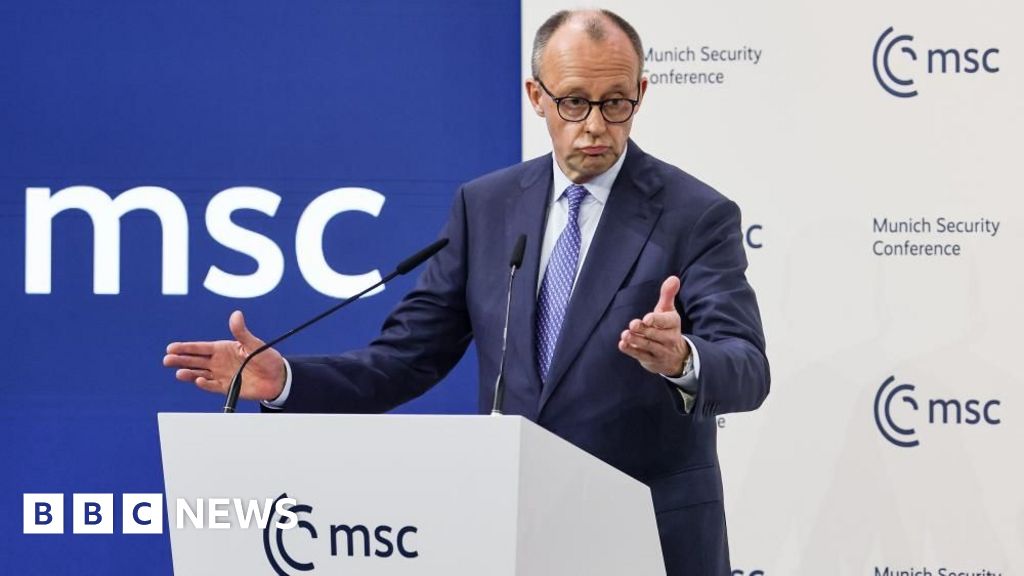
Germany’s Merz warns: Global rules-based system falling apart

In an era marked by shifting alliances and emerging superpower rivalries, the words of German Chancellor Olaf Scholz at the Munich Security Conference resonated with a sobering gravity. Addressing a gathering of global leaders and defense officials, he asserted, “Our freedom is not guaranteed”, underscoring the fragile balance that underpins international stability in the 21st century. This declaration underscores a wider recognition among seasoned analysts and policymakers that conventional notions of security, sovereignty, and diplomatic immunity are being challenged by an evolving landscape dominated by great power competition.

The geopolitical impact of Scholz’s statement hinges on the stark realities of recent events. The resurgence of Russia in its aggressions towards Ukraine, combined with the unpredictable ambitions of China in the Indo-Pacific, have reshaped the global order. International organizations like the United Nations and NATO find themselves navigating a new terrain where traditional alliances are strained, and the risk of escalation grows daily. For many Western nations, the assurances of peace that followed the Cold War are increasingly seen as ephemeral, and the necessity of military readiness and strategic deterrence has returned to the forefront of national security agendas.

Experts such as geopolitical analysts at the International Crisis Group warn that these developments could catalyze a new era of instability, where the battle for influence and resources could ignite conflicts with devastating consequences. Historians of peace and war caution that history often repeats itself when leaders underestimate the fragility of diplomacy, and the current global climate bears chilling similarities to pre-World War times. The decisions made today by governments, from troop deployments to diplomatic negotiations, bear the weight of history. For nations like the United States, the European Union, and Asian regional powers, the challenge lies in maintaining a balance—resisting the urge to retreat into isolationism and instead reinforcing frameworks that can sustain a fragile peace.

As the conference closed with renewed pledges of defense cooperation, the underlying message was clear: freedom is a hard-won commodity in an era where powerful actors seek to reshape the rules in their favor. The path ahead is fraught with peril, yet also brimming with the potential for decisive action that could either preserve the stability of our societies or propel them into chaos. History’s pages continue to turn, and as the world watches, each decision echoes through the corridors of history, reminding us that the struggle for liberty and sovereignty is an ongoing battle, one fought not only with weapons but with resolve and vigilance.”

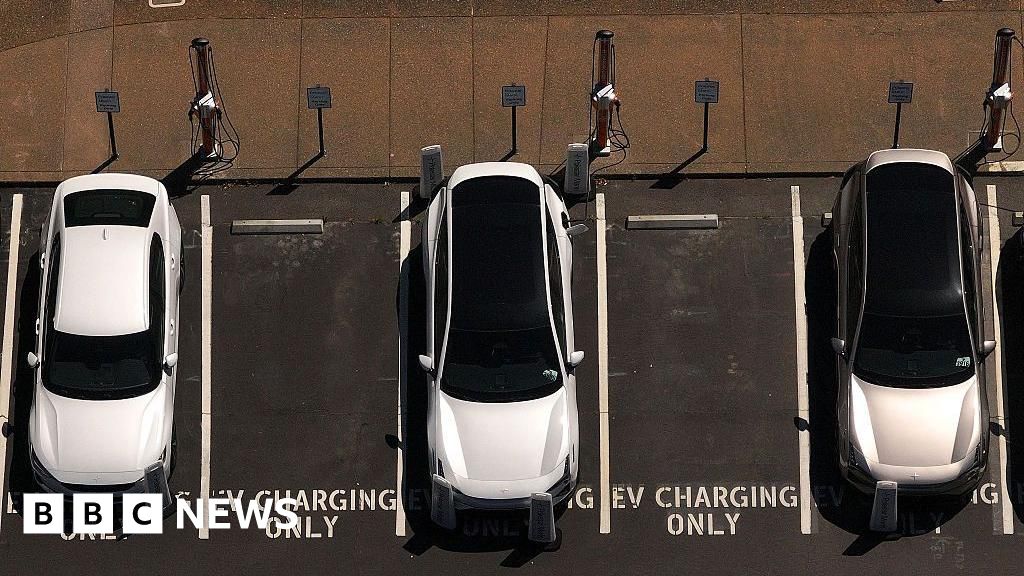
US Falling Behind in the Electric Car Race: What went Wrong?

The Geopolitical Significance of Electric Vehicle Policies

The race for dominance in the electric vehicle (EV) industry has become a focal point in international geopolitics and economic rivalry. In recent years, the US has aggressively pushed to position itself as a leader in clean transportation technology, aiming for electric cars to comprise half of all vehicle sales by the year 2030. President Joe Biden championed policies that include expanding tax credits, boosting infrastructure with billions invested in charging stations, and incentivizing domestic manufacturing through loans and grants. These measures, supporters argue, are part of a broader strategy to secure economic independence and maintain technological sovereignty against rising competitors like China.

Yet, despite these ambitions, the US electric car market has lagged behind much of the European Union, the United Kingdom, and China, which have benefitted from more aggressive government subsidies and regulatory frameworks. China, for instance, now accounts for nearly half of all EV sales globally, with a clear aim to dominate the market entirely. European nations have made substantial advances with nearly 20–30% of new car sales being electric or hybrid vehicles, supported by policies that include strict emissions targets and generous incentives. This disparity underscores the impact of decision-making at the governmental level, revealing how support or the lack thereof profoundly influences a nation’s rise in the EV industry.

Policy Fluctuations and Their Consequences

The recent policy shifts in Washington reflect raw political divides over climate and economic priorities. Former President Donald Trump has openly dismissed climate change as a “con job” and has sought to dismantle many carbon-reducing policies. His administration’s decision to cancel the $7,500 tax credit—a key incentive for EV buyers—has sent ripple effects through the industry, endangering the sustainability of ongoing investments. Industry leaders like Ford and Tesla warn that demand could precipitously decline in the absence of government support, which had played a crucial role in driving record sales during the last quarter.

With tariffs on foreign vehicles and parts further complicating the landscape—including measures enacted by Trump in the spring—the industry faces an uncertain future. Analysts warn that without sustained government backing, the US might not only fall behind in EV adoption but could also become less competitive globally, losing crucial technological leadership and economic influence. This tug-of-war in policy demonstrates how domestic political shifts directly shape transformative technology sectors, thereby altering international power balances.

Economic and Social Ramifications

Despite the narrative of an EV revolution, the American consumer remains hesitant due to high costs—electric cars still command an average transaction price exceeding $57,000—roughly 16% higher than comparable petrol-powered vehicles. Manufacturers like Hyundai have attempted to offset those costs by lowering prices, but the combination of tariffs and diminishing subsidies could stymie consumer enthusiasm. Such economic pressures threaten to stifle innovation and broader adoption in one of the world’s biggest car markets, creating a ripple effect that could slow the global transition away from fossil fuels.

Some analysts argue that the US’s relative lag in this sector reveals more than just economic challenges; it reflects broader questions about national strategy and societal readiness. Will the US continue to invest in future industries or succumb to protectionist policies that threaten to fragment global supply chains? As industry veterans and international observers ponder these questions, it becomes clear that the trajectory of America’s electric vehicle industry may well determine the future landscape of global economic power—and whether the US can still claim a seat at the table or is destined to watch from the sidelines as others set the rules of the game.

As history writes itself in the coming years, the fight for technological supremacy and energy independence unfolds on an increasingly divided stage, leaving the world to watch and wonder: Will this be the dawn of a new era, or just another chapter in a story of lost opportunities? The weight of history presses heavily upon this moment, as nations and societies brace for what comes next in the silent, relentless march toward the future.

Social Media Auto Publish Powered By : XYZScripts.com