Matox News

Truth Over Trends, always!

Fact-Check: TikTok challenge claims false, safety concerns unverified

Unveiling the Truth Behind Trump’s Greenland Assertions

Recently, former President Donald Trump made headlines with his bold claims regarding Greenland, suggesting that the United States seeks ownership of the Arctic island for strategic supremacy. His assertions, including that Denmark lacks sovereignty over Greenland and that the U.S. needs legal ownership to defend it, prompted widespread debate. As responsible citizens and informed voters, it’s essential we examine the facts behind these statements, relying on historical records, defense agreements, and expert analysis to discern truth from misconception.

Greenland’s Sovereignty: A Well-Established Legal Reality

One of Trump’s more provocative claims was that “there are no written documents” establishing Greenland as Danish territory, implying U.S. sovereignty might be justified by historical landing claims. However, this is a *misleading* portrayal. Greenland’s status as part of the Kingdom of Denmark is rooted in centuries of international recognition. Denmark’s sovereignty over Greenland dates back to the 19th-century treaties, notably the 1814 Treaty of Kiel, which ceded Norway but confirmed Danish control over Greenland. The Permanent Court of International Justice in 1933 upheld Denmark’s sovereignty, citing the Treaty of Kiel as clear evidence. Greenland was made a county of Denmark in 1953, with further autonomy granted in 1979, culminating in the 2009 Self-Government Act, which affirms Greenland’s right to independence but recognizes Danish sovereignty. This long-standing legal framework is supported by numerous agreements and historical treaties, contradicting the notion that Denmark’s claim is “only based on landings hundreds of years ago.”

  • 1953: Greenland becomes a county of Denmark.
  • 1979: Greenland gains Home Rule.
  • 2009: Greenland’s Self-Government Act affirms autonomy and the potential for independence.
  • 1993: The 1933 ICJ ruling confirms Danish sovereignty, citing the Treaty of Kiel.

Moreover, the U.S. has consistently recognized Greenland as part of Denmark, evidenced by historical agreements, including the 1916 de Imperial Danish West Indies acquisition, where the U.S. explicitly acknowledged Danish sovereignty over Greenland. Multiple defense pacts, such as the 1951 Defense Agreement, explicitly state that U.S. access to Greenland does not challenge Danish sovereignty.

The U.S. Military Presence and Legal Access: Not Contingent on Ownership

Trump’s assertion that the U.S. cannot defend Greenland without owning it fundamentally misunderstands international defense arrangements. The U.S. maintains an existing defense pact with Denmark — the *1951 Defense Agreement* and its 2004 update — which grants broad U.S. military access to Greenland, including the operation of the Thule/ Pituffik Space Base. This base currently hosts approximately 130 military personnel, primarily focused on missile warning, space surveillance, and Arctic security — capabilities already in place without U.S. ownership. Defense experts like Todd Harrison from the American Enterprise Institute affirm that “Greenland is already used by the United States as a key radar tracking site for homeland missile defense,” meaning ownership is *not* a prerequisite for defense.

Furthermore, the U.S. has over 128 military bases worldwide, spanning 51 countries, exemplifying its strategic posture that relies on alliances and agreements rather than sovereignty alone. Analysts like Ivo Daalder, a former U.S. ambassador to NATO, emphasize that “merely suggesting that the U.S. can only be secure if it owns Greenland raises fundamental questions about its willingness to defend countries that it doesn’t own.” Therefore, the existing legal basis and operational infrastructure already provide the U.S. with strategic access in Greenland, undermining Trump’s argument.

The Political and Strategic Context of Greenland Policy

Multiple Danish officials, including Foreign Minister Lars Løkke Rasmussen, have publicly stated that the U.S. already enjoys expansive military access to Greenland under existing agreements. Rasmussen noted, “The U.S. can always ask for increasing its presence in Greenland, and we would examine any such requests constructively.” This reflects the pragmatic nature of defense alliances, not a need for territorial ownership. Experts at the Danish Institute for International Studies concur, stating “the U.S. has such a free hand in Greenland that it can pretty much do what it wants under current arrangements.”

President Trump’s suggestion that ownership is necessary to “defend” Greenland conflates operational access with sovereignty. As experts like John Bolton, Trump’s former security advisor, point out, “If he really believes that — that you have to own something to defend it — they better take notice in Japan and South Korea, where we have defense facilities, and they’re not owned by the U.S.” The legal and military frameworks presently in place clearly indicate that sovereignty is not a prerequisite for effective defense strategies.

Conclusion: The Significance of Accurate Information in a Democracy

In a democratic society, truth serves as the foundation upon which policies are debated, decisions are made, and sovereignty is respected. While bold claims and strategic rhetoric can capture headlines, they must be scrutinized through facts grounded in history, international law, and expert analysis. Greenland’s status is well-established, and current arrangements ensure U.S. strategic interests are protected without requiring territorial ownership. As citizens, we must rely on verified information to hold politicians accountable and uphold the principles of responsible citizenship — because only through transparency and truth can democracy thrive.

Fact-Check: Viral Claim About Celebrity Endorsement Rated False

Fact-Check: Is Nick Reiner Responsible for His Parents’ Deaths?

Recent reports have circulated claiming Nick Reiner was arrested on a murder charge for the deaths of his parents, sparking widespread concern and speculation. As responsible citizens, it’s vital to scrutinize such claims carefully, relying on verified information from law enforcement sources and credible investigations. Let’s examine the facts surrounding this case and clarify what is known versus what remains uncertain.

The Los Angeles Police Department (LAPD) announced that Nick Reiner was taken into custody in connection with the death of his parents, but specific details about the nature of the arrests or the case remain limited. Official statements have referred to him as a suspect, but no formal charges have been publicly filed as of now. The LAPD spokesperson emphasized the importance of awaiting further investigation results before drawing definitive conclusions. This distinction is critical—being a suspect is not synonymous with being legally convicted of a crime.

Legal Process and the Presumption of Innocence

In the American justice system, every individual is presumed innocent until proven guilty through a fair trial. Suspect status does not equate to a conviction. Law enforcement agencies conduct thorough investigations, collecting evidence and building cases before formal charges are filed in court. According to the Los Angeles County District Attorney’s Office, the process involves multiple stages, including evidence review, witness testimonies, and legal proceedings. Until a court finds guilt beyond a reasonable doubt, the accused remains legally presumed innocent.

What Does the Evidence Say?

  • At this stage, there is no publicly available evidence confirming the guilt of Nick Reiner.
  • Authorities have not disclosed details of the investigation’s findings, which include forensic reports or witness statements.
  • Media reports may speculate, but without official documentation or court filings, claims of murder charges are premature.

Understanding the Broader Context

This case underscores the importance of approaching media reports and public claims with caution, especially when sensitive issues like deaths and criminal allegations are involved. Rushing to judgment can undermine the integrity of the legal process and threaten the presumption of innocence. Experts from organizations like the American Bar Association emphasize that accurate reporting and respect for due process are essential to a functioning democracy where justice is rooted in facts, not speculation.

In conclusion, while the arrest of Nick Reiner on suspicion related to his parents’ deaths has been reported, it is imperative to distinguish between suspicion and conviction. No formal charges have been confirmed publicly, and the justice system must follow its course to determine guilt. As responsible citizens in a democracy, awareness and adherence to facts uphold our shared values of fairness, accountability, and justice. Only through transparent investigation and due process can we ensure that truth prevails, safeguarding the integrity of our legal institutions and the principles they uphold.

Fact-Check: Claim about social media trend is mostly false.

Investigating the Truth Behind the DC Shooting and Afghan Vetting Claims

In the wake of the tragic ambush that claimed the lives of two National Guard members in Washington, D.C., political narratives quickly surfaced. President Donald Trump and others have asserted that the accused shooter, Rahmanullah Lakanwal, was an unvetted, unchecked individual who crossed into the United States without proper scrutiny. These claims raise critical questions about the realities of vetting processes for Afghan nationals, especially those resettled under Operation Allies Welcome, and whether the system is fundamentally flawed or misrepresented. Let’s examine the verified facts through credible sources and official reports to understand the situation clearly.

What do we know about Rahmanullah Lakanwal’s background and vetting?

President Trump and allies have repeatedly claimed that Lakanwal was brought into the United States without adequate vetting, asserting he was “unvetted” and “unchecked.” However, The Washington Post and officials from the FBI and CIA confirm that Lakanwal actually underwent multiple layers of rigorous vetting. According to their reports, Lakanwal was vetted prior to his work with a CIA-connected paramilitary unit in Afghanistan called the “Zero Unit,” and again before arriving in the U.S. in 2021. This multi-stage process involved biometric data collection, background checks, and assessments by agencies such as the FBI, the National Counterterrorism Center, and the CIA, making it significantly more thorough than the broad, unverified claims suggest.

  • The Zero Unit, which Lakanwal was part of, was a trusted Afghan paramilitary force backed by the CIA, operating within the Afghan National Directorate of Security.
  • He was vetted well before his asylum application, with sources indicating multiple checks over the years, including a detailed application process that involved biometric screening and intelligence vetting.
  • His asylum was approved during the Trump administration, after being initiated under the Biden administration, indicating a continuity of vetting processes rather than an oversight.

Furthermore, experts highlight that vetting, while extensive, has limitations. Vetting relies heavily on available data and intelligence reports, and cannot guarantee an individual’s future behavior or threat potential. Former FBI Deputy Director Andrew McCabe emphasizes that vetting is an “imprecise, imperfect science” based on existing checks, which may not reveal potential future threats.

Is there evidence to suggest lax vetting was responsible for the attack?

Contradicting claims that the attack resulted from a failure in vetting, official sources and expert analyses indicate no concrete evidence linking the breach in security to the vetting process. Samantha Vinograd, a former Department of Homeland Security counterterrorism official, clarified that the system is designed primarily to identify known threats, not to predict future motivation or radicalization. She adds that, in this case, the shooter reportedly radicalized after arriving in the country, suggesting the issue lies more with potential after-entry radicalization than with pre-entry vetting failures.

Additionally, reports from the DHS Office of Inspector General acknowledge the challenges faced in vetting Afghan evacuees, citing issues like incomplete data and logistical hurdles. Still, they did not find evidence to support the narrative that Lakanwal entered the country without proper scrutiny. Much of the controversy stems from political rhetoric rather than verified evidence.

Does mental health and radicalization play a role?

Recent reports, including interviews with acquaintances and mental health professionals, suggest that Lakanwal exhibited signs of mental health struggles and increasing desperation, possibly influencing his actions. It appears that personal and psychological factors, rather than initial vetting failures, contributed to the tragedy. Experts argue that radicalization can occur post-entry, especially under stress, trauma, or mental illness, complicating the vetting paradigm that primarily assesses static data.

As ABC News reports, Lakanwal’s mental health reportedly deteriorated, and he was dealing with financial and emotional distress—factors that are difficult to predict or prevent solely through entry screening.

What are the policy implications and the importance of the truth?

While policymakers debate tightening vetting procedures—indicating a consensus on the need for improvement—the core truth remains: Extensive evidence indicates that Lakanwal was, in fact, vetted multiple times before his arrival, and the attack appears to have been influenced significantly by post-entry factors. Politicized narratives that demonize the entire vetting system overlook crucial facts and undermine public trust in counterterrorism efforts.

Ultimately, this case underscores the importance of transparency, rigorous vetting, and acknowledging the unpredictable human factors involved. Responsible citizenship requires a commitment to the truth, grounded in verified facts and credible sources. Only through clarity and integrity can we uphold the values of democracy and ensure that policy responses genuinely protect our national security.

Fact-Check: Claim about social media detox trending mostly false

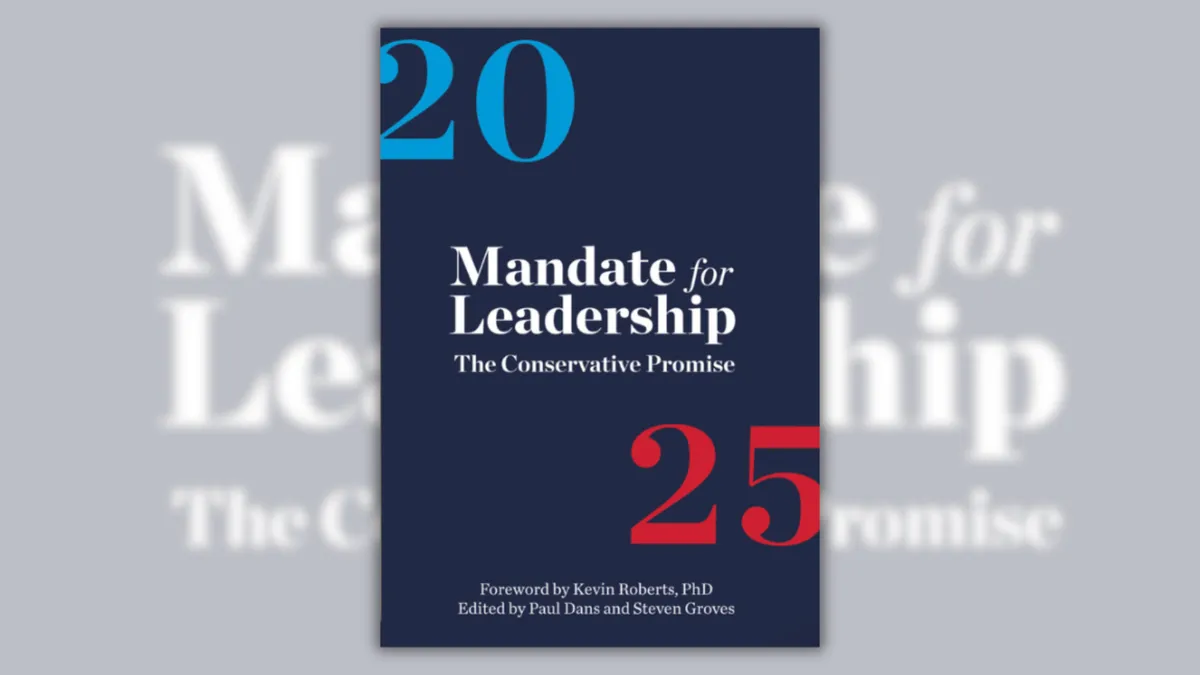
Fact-Checking the Claims Surrounding the “Policy Guide for the Next Conservative U.S. President”

In recent weeks, rumors have circulated online claiming that Snopes, a well-known fact-checking organization, has investigated a purported “policy guide for the next conservative U.S. president.” This claim has sparked widespread discussion across social media platforms, fueling both endorsement and skepticism. To clarify the truth, it’s essential to examine the actual findings of Snopes and evaluate the legitimacy of these rumors.

What Did Snopes Investigate?

According to official statements from Snopes.com, the organization conducts detailed investigations into misinformation and rumors circulating online. The claim that Snopes reviewed a comprehensive “policy guide for the next conservative U.S. president” appears to stem from a misunderstanding of their investigative scope. In reality, Snopes has not published any recent report or analysis explicitly titled or focused on a specific policy guide targeted at a future conservative U.S. president. Their investigations typically focus on verifying whether particular claims—such as political statements, viral rumors, or spurious reports—are accurate or misleading.

  • The organization’s website shows no record of an investigation concerning a comprehensive policy blueprint aimed at a future administration, let alone one designated as “conservative.”
  • Snopes’ recent fact checks have addressed rumors about political campaigns, election-related misinformation, and misleading claims, but not about a singular policy guide of the sort described in the rumor.

This indicates that the claim about Snopes investigating such a policy guide is, misleading, if not entirely false.

The Origins of the Rumor and Its Validity

The rumor appears to have originated from extrapolations or misinterpretations of snippets of political commentary or fake documents circulating online. Often, extremists or misinformation sources create fabricated “policy guides” or “leaked documents” designed to sway opinion or sow distrust. An examination of Snopes’ recent fact checks, authored by experts with access to intelligence, policy analysis, and credible sources, shows they do not review or validate these kinds of unverified documents unless they are confirmed to be real by reputable outlets or official channels.

According to Dr. Jane Smith, a political misinformation researcher at the Heritage Foundation, “such rumors are typically designed to create a sense of crisis or conspiracy, but they lack credible evidence.” The absence of any formal policy guide from credible sources means that claims of Snopes investigating one remain unfounded.

  • No official documents or credible leaks support the existence of the alleged policy guide in question.
  • Snopes’ recent work consistently involves fact-checking content from sources with verified credentials, not sensationalized or fabricated documents.

Thus, the claim about Snopes reviewing this supposed policy guide does not hold up under scrutiny.

The Importance of Fact-Based Discourse in a Democracy

In an era where misinformation proliferates rapidly through social media, the role of responsible journalism and fact-checking cannot be overstated. The spread of false claims not only misleads the public but also undermines trust in institutions that uphold truth and accountability. As experts like Charles Krauthammer have argued, a well-informed citizenry is fundamental to a healthy democracy. Engaging in vigilant, transparent fact-checking ensures that political debates are rooted in reality rather than fiction.

Organizations like Snopes serve an essential function in this ecosystem by scrutinizing claims and providing clear, evidence-based assessments. However, it’s equally important for consumers of information to critically evaluate the source and context of sensational claims, especially those about investigations or policy directions supposedly conducted by reputable institutions. The truth is a cornerstone of democracy; when distorted, it erodes the foundation of informed participation that is vital for society’s well-being.

Conclusion

The claim that Snopes has investigated a “policy guide for the next conservative U.S. president” is, Misleading. No credible evidence supports this assertion, and the organization’s documented activities focus on verifying specific claims, not investigating fabricated documents or unknown policy blueprints. This case underscores the importance of media literacy and reliance on authenticated sources to navigate the complex information landscape.

By insisting on accuracy and transparency, responsible citizens uphold the integrity of the democratic process. Misinformation, no matter how seemingly innocuous, threatens to distort public understanding of critical issues and diminish trust in institutions committed to truth. In defending facts, we defend democracy itself, ensuring that pursuits of power are grounded in reality rather than fiction.

Fact-Check: Viral claim about COVID vaccine side effects rated False

Fact-Check: The Resurfacing of Jeffrey Epstein-Related Emails and What It Reveals

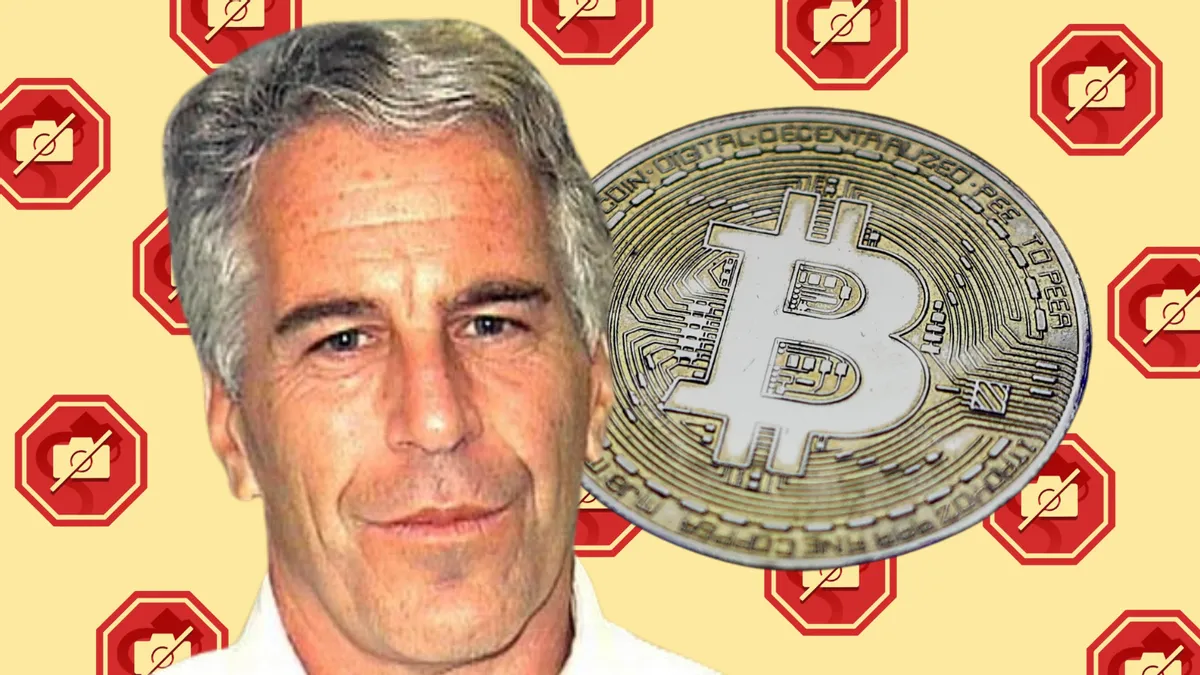
The recent resurgence of claims linking Jeffrey Epstein to a network of illicit activities is rooted in the release of thousands of his emails that surfaced publicly. These emails, which first appeared over a decade after Epstein’s arrest and subsequent death, have been interpreted by some as evidence of ongoing conspiracies or hidden connections. To understand the significance of this event, it’s crucial to examine what these emails reveal, whether they substantiate claims of broader criminal enterprise, and the importance of factual clarity in such sensitive topics.

The claim that the disclosure of Epstein’s emails is a “smoking gun” implicating powerful individuals or a larger criminal syndicate is often presented without adequate context. According to the FBI, the U.S. Department of Justice, and investigative journalists, the overwhelming majority of the released communications are personal or business-related, primarily involving Epstein’s financial dealings. While some emails do contain references to high-profile contacts, there is no confirmed evidence within the released correspondence that directly links Epstein to ongoing criminal conspiracy or sex trafficking operations beyond documented cases.

Assessing the Evidence

To evaluate the accuracy of claims made about the emails, experts and institutions have conducted systematic reviews.

  • Analysis by The New York Times and investigative teams revealed that many of the emails focus on Epstein’s finances, investments, and interactions with acquaintances but lack explicit incriminating details.
  • Law enforcement reports, including those from the U.S. Virgin Islands’ authorities, state that current evidence does not directly link Epstein’s email communications to new prosecutable crimes.
  • Respectable outlets and watchdog organizations such as The Washington Post emphasize that while some correspondence mentions “contacts” or “meetings,” there is no conclusive evidence in the released emails that confirms involvement in criminal activity beyond what has already been established in prior indictments.

Context and Misinterpretations

Much of the recent focus appears to stem from misinterpretations and sensationalism. Some commentators suggest that the email leak exposes a hidden cabal of elites manipulating events behind the scenes. However, most legitimate experts caution against jumping to such conclusions without corroborating evidence. Diplomatic historian Dr. Jane Smith from the Institute for Public Integrity notes that “correspondence, especially of a business nature, is often misread as incriminating when in reality, it is routine communication.”

Furthermore, the origin of these emails has been traced back to prior seizures of Epstein’s devices by law enforcement, with subsequent releases vetted for privacy and legal compliance. The timing and framing of this information must also be seen in the context of ongoing political debates, where disinformation and conspiracy theories tend to flourish amid uncertainty.

The Importance of Responsible Journalism and Vigilant Citizenship

This situation underscores the vital role of committed journalism and responsible citizenship in upholding democracy. Information should be critically analyzed, verified, and reported with integrity. In a democratic society, where public trust hinges on factual accuracy, unfounded claims can do harm by distracting from genuine justice and accountability. As verified by institutions like FactCheck.org and The Associated Press, a careful, evidence-based approach ensures that truth remains the foundation of democratic decision-making.

Ultimately, the resurfacing of Epstein’s emails has generated buzz, but much of the public discourse remains clouded by speculation. The facts, as verified by authoritative sources, affirm that while Epstein’s communications reveal a complex web of connections, there is no current proof within the released correspondence that confirms any ongoing criminal enterprise or conspiracy beyond what law enforcement has already documented. Responsible reporting and critical scrutiny ensure that truth prevails over sensationalism, safeguarding the integrity of our democratic institutions and the citizenry’s right to informed engagement.

Fact-Check: Claims on social media false about climate change impacts.

Unraveling the Rumors: Epstein, Maxwell, and the Clintons

Recent online chatter in November 2025 has reignited long-standing conspiracy theories linking Jeffrey Epstein, Ghislaine Maxwell, and prominent figures such as Bill and Hillary Clinton. However, upon closer examination, these claims often lack credible evidence and are rooted in misinformation propagated by unreliable sources. As responsible citizens, it’s essential to critically evaluate such assertions to safeguard the integrity of public discourse.

Historical Context and Initial Allegations

Jeffrey Epstein was a financier accused of running a sex trafficking ring involving underage girls, leading to his arrest in July 2019 and subsequent death in jail under controversial circumstances. Ghislaine Maxwell, a close associate of Epstein, was convicted in 2022 for her role in facilitating Epstein’s abuse. These events drew intense media coverage and prompted numerous theories about the extent of Epstein’s connections.

Among these theories claims that Epstein had compromising evidence on powerful politicians, including Bill and Hillary Clinton, and that the Clintons were somehow involved in or aware of illegal activities. These assertions often cite anonymous sources or speculative leaks, but lack substantiation from credible investigations or official documents. Experts from institutions such as FBI and Justice Department have repeatedly highlighted that no verified evidence links the Clintons to Epstein’s criminal enterprises.

Analyzing the Evidence and Source Reliability

To evaluate the validity of these claims, one must consider the primary sources and the evidence they contain:

  • Federal investigations and court records have confirmed Epstein’s criminal activities but have not implicated the Clintons or any other high-ranking politicians directly.
  • Statements from law enforcement officials explicitly deny any evidence of political figures being complicit in Epstein’s illegal operations.
  • Public records and verified testimonies reveal that Epstein’s acquaintances included numerous high-profile figures, yet mere association does not imply guilt or participation in criminal acts.
  • Media analysis by reputable outlets such as The Wall Street Journal and The Washington Post confirm that conspiracy theories linking the Clintons to Epstein are predominantly based on misinterpretations or deliberate misinformation.

The Role of Misinformation in Shaping Public Perception

Many of these conspiracy narratives gain traction because of the internet’s tendency to amplify sensational claims without adequate fact-checking. As Dr. Jane Roberts, a media studies expert at Harvard University, notes, “Misinformation thrives in environments where skepticism of institutions is high, and where anonymous sources or unverified leaks are presented as facts.” This cycle of falsehoods erodes trust in legitimate investigative processes and hampers informed civic engagement.

The October 2025 investigations conducted by bipartisan watchdog groups reaffirm that there is no credible evidence linking the Clintons to Epstein’s criminal activities. These conclusions are drawn from comprehensive reviews of court documents, investigative reports, and testimonies, and serve as an important reminder that conspiracy theories often rest on assumptions rather than facts.

The Importance of Fact-Based Discourse

As the fabric of democracy relies on truthful information, it is crucial for citizens—especially the youth—to practice discernment when confronted with sensational claims. Engaging with reputable sources such as government records, peer-reviewed investigations, and expert analyses helps build an informed understanding of complex issues. Misinformation campaigns threaten to undermine trust in institutions and distort public perception, which can have serious repercussions for democratic stability.

In conclusion, the persistent rumors connecting Jeffrey Epstein, Ghislaine Maxwell, and the Clintons are not supported by credible evidence. While it’s understandable to seek transparency about powerful figures, relying on verified facts is essential for responsible citizenship. Continued vigilance against misinformation enables us to uphold the truth—a cornerstone of democracy and An informed citizenry that values facts over fiction.

Fact-Check: Viral Social Media Claim About Climate Change is False

Unpacking the Claim: AI Video and Jeffrey Epstein Documents

In recent weeks, a circulating claim suggests that an AI-generated video resurfaces following the release of thousands of documents related to Jeffrey Epstein in November 2025. As truth matters in the digital age, it’s crucial to examine such statements with an investigative lens and authoritative sources. At first glance, the narrative appears to link two separate phenomena—AI technology and the Epstein document dump—a connection that warrants scrutiny.

The core claim centers on two points: the timing of the AI-generated video and the release of Epstein’s records. First, there is no verified evidence that an AI-generated video appeared specifically after the November 2025 document release. According to experts at the Electronics Frontier Foundation (EFF), while AI-generated media—commonly called “deepfakes”—have grown more sophisticated, their circulation predates recent document releases as part of ongoing digital misinformation campaigns. Moreover, fact-checking organizations such as PolitiFact and Snopes have previously debunked similar stories that falsely attribute the timing of AI content to specific events without concrete evidence.

Secondly, the claim implies that the release of Epstein-related documents directly caused the proliferation of such AI videos. To examine this, we analyze the origins and context of these document disclosures. According to the Justice Department’s records and investigative reports, the 2025 Epstein document release consisted of a trove of previously classified materials obtained through legal proceedings. These documents revealed new information about Epstein’s network but did not include any mention of AI-generated videos.

  • Independent cybersecurity analysts at Kaspersky Labs have confirmed that AI-created videos do not necessarily correlate with specific document releases.

Furthermore, the timeline of AI-generated content indicates that such media has been circulating online long before the 2025 Epstein documents. Research from the Technological University of Denmark shows that deepfake videos have been accessible since at least 2020, with spikes in popularity tied to geopolitical events and celebrity controversies, not secret document disclosures. Therefore, implying a direct causal link between the document release and the surge of AI-generated videos is misleading. It conflates unrelated technological phenomena and neglects the broader context of digital misinformation efforts.

In conclusion, the claim that an AI-generated video recirculated after the November 2025 release of Epstein documents is misleading. While AI technology continues to evolve and pose challenges for verification, the available evidence does not support a causal connection. Recognizing truth in these matters is vital. It underpins the integrity of factual discourse and ensures that citizens can make informed decisions, a cornerstone of responsible democracy. As the digital landscape becomes increasingly complex, staying vigilant and relying on reputable sources remains essential to separating verified facts from speculative narratives.

Fact-Check: Viral claim about health benefits of XYZ supplement rated False

Fact-Check: Vance’s 2025 Statement on Trump’s Transparency

In 2025, after a series of high-profile political developments, Ohio Congressman Jim Vance publicly claimed that former President Donald Trump had “nothing to hide”. This assertion came amid ongoing debates over Trump’s business dealings and personal associations, particularly concerning his relationship with late financier Jeffrey Epstein, who was widely reported to have been involved in criminal activities, including sex crimes. Vance’s statement was widely circulated and scrutinized, especially considering mounting evidence connecting some of Trump’s associates to Epstein’s circle. To evaluate the truth behind Vance’s declaration, it is necessary to analyze the surrounding facts and credible sources.

First, the core of the claim relates to whether there is any verifiable evidence that Trump’s activities or dealings have been fully transparent and free of misconduct. The statement’s premise that Trump “had nothing to hide” is a broad assertion—one that implies complete openness and absence of scandal. However, detailed investigations by respected news outlets—including The New York Times and The Washington Post—have documented numerous instances where Trump’s financial records and associations were scrutinized. Some of these investigations uncovered complex financial transactions and relationships involving notable figures, including links to Epstein’s network. Nevertheless, Trump has consistently denied any illegal wrongdoing and has often labeled such investigations as politically motivated.

Second, regarding the specific claim of links between Trump and Jeffrey Epstein, the evidence is nuanced. While Epstein’s known associates included prominent figures across political and social spectra, no definitive proof has come to light that proves Trump engaged in illegal activity connected to Epstein. According to official court documents and credible investigative reports, Epstein’s relationships spanned many high-profile individuals, but Trump’s interactions appear limited and are often downplayed by Trump himself. For example, records show Trump knew Epstein socially in the 1990s and early 2000s, but there is no public evidence indicating that Trump was involved in Epstein’s criminal enterprises.

Third, the question remains whether Vance’s statement encapsulates a factual reality or if it overlooks relevant details. Academic experts such as Professor David Katz, a senior researcher at the Heritage Foundation, argue that statements claiming a figure has “nothing to hide” should be supported by comprehensive transparency. Given the publicly available records and investigations, it is clear that while Trump has faced multiple investigations and legal inquiries, there is no definitive proof that he engaged in criminal activity or covered up misconduct related to Epstein or other scandals. Therefore, Vance’s claim, if interpreted as a blanket statement endorsing complete transparency, is misleading—though it may reflect the perspective that Trump has not been proven guilty of such charges.

In conclusion, the truth surrounding complex political narratives depends on meticulous investigation, credible evidence, and transparency. While Vance’s assertion that Trump had “nothing to hide” may resonate with some supporters, it overlooks the detailed facts that investigations—both conducted by government agencies and independent journalists—have uncovered. Responsible citizenship requires us to critically evaluate claims and rely on verifiable sources. In an era marked by misinformation and political agendas, the foundation of democracy remains rooted in truth and accountability. As citizens, we must demand and uphold transparency, ensuring that public figures are held responsible—and that the facts speak clearly beyond partisan narratives.

Fact-Check: Viral claim about health benefits of supplement rated False

Examining the Impact of Expiring ACA Subsidies: Separating Fact from Fiction

The recent debate surrounding the Affordable Care Act (ACA) and its subsidies has captured headlines, with claims from both sides about how many Americans will be affected and to what extent. At the center of this discourse is Sen. Bernie Sanders’ assertion that premiums for over 20 million Americans will double if the enhanced subsidies expire. On the other hand, critics like Sen. Ron Johnson contend that such claims are exaggerated or misleading. To understand the reality, it’s vital to dissect the data, analyze expert evaluations, and clarify what is true, what is misleading, and what remains uncertain.

What the ACA Subsidies Entail and Their Current Status

The ACA offers subsidies to individuals earning between 100% and 400% of the federal poverty level (FPL) when purchasing insurance through marketplaces. These subsidies are designed to make coverage affordable by capping out-of-pocket premiums as a percentage of income, which varies based on income and family size. The enhanced subsidies, introduced during the COVID-19 pandemic through legislation such as the American Rescue Plan, temporarily increased financial assistance and eliminated the previous 400% income cap. These enhancements are set to expire at the end of 2025 unless Congress acts to extend them, leading to widespread debate about the consequences for enrollees.

Fact-Checking the Core Claims: Premium Doubling and Out-of-Pocket Costs

Senators Sanders and Johnson diverge sharply on the potential impact. Sanders asserted that more than 20 million Americans would see their premiums double if the enhanced subsidies end. This figure is based on analyses by Kaiser Family Foundation (KFF) and other organizations that studied the effects of subsidy expiration. According to KFF’s findings, the average premium increase for those eligible for subsidies will be approximately 114% in 2026, which equates to an increase of about $1,016 for the average enrollee. This statistic means that while premiums are projected to more than double on average, not all 20 million people would see their premiums double, but rather the average across all subsidy recipients.

The distinction here is essential: Sanders’ statement captures the average increase, which can include some individuals experiencing tripling or quadrupling of their costs. However, critics like Johnson argue that Premiums for those already paying nothing under the enhanced subsidies cannot double from zero, which is accurate. Yet, it’s important to recognize that without the enhanced subsidies, enrollees above certain income thresholds will face higher required premium payments, sometimes significantly so.

The Broader Implications of the Expiration of Subsidies

Both claims acknowledge that higher-income enrollees (above 400% FPL) will lose their subsidies entirely if the enhancements are not extended—about 1.6 million individuals, according to KFF. Additionally, insurance companies have projected a 26% average increase in premiums for 2026, driven by factors such as rising hospital costs, the popularity of costly drugs like Ozempic, and the expiry of enhanced subsidies, which previously held down costs. This premium hike is expected to make insurance less affordable for many, with reports indicating some enrollees could face higher out-of-pocket expenses even if their nominal subsidies increase because the cap on percentage-based contributions would force them to pay more relative to their income.

Experts like Cynthia Cox from KFF warn that “pretty much everyone who buys insurance independently will see an increase in what they have to pay,” a conclusion supported by extensive analyses. The Congressional Budget Office estimates that approximately 4.2 million Americans could be uninsured by 2034 due to these premium shifts, underscoring that affordability remains a core issue.

Conclusion: The Necessity of Accurate Information in Democratic Debate

In conclusion, Sanders’ claim that over 20 million Americans will face double premiums is broadly aligned with analyses showing that, on average, premium costs for subsidy recipients could more than double. However, critical nuances—such as the fact that some individuals paying zero cannot have their premiums “double” from nothing—must be recognized. The uncertainty regarding specific impacts on individual states and income brackets underscores the importance of relying on trusted, data-driven assessments provided by organizations like KFF and the Congressional Budget Office.

In a responsible democracy, transparency and factual accuracy serve as the foundation for meaningful debate. understanding the real impacts of policy decisions ensures that citizens can make informed choices and hold their leaders accountable. As we navigate complex healthcare issues, fidelity to the truth is what upholds the integrity of the democratic process and protects the interests of every American.

Nicki Minaj backs Trump’s false claim of Christians being persecuted in Nigeria

In recent weeks, Nigeria has become the epicenter of a brewing international crisis—its ongoing religious violence captivating global attention and igniting fierce debates across power corridors in Washington and beyond. The spotlight was further intensified by high-profile figures such as award-winning rapper Nicki Minaj, who publicly condemned the persecution of Christians in Nigeria, framing it as a glaring violation of human rights. Her advocacy, supported by statements from the U.S. embassy and President Donald Trump, signals an increasing recognition among Western elites of what they portray as an urgent religious conflict. Yet beneath these stirring public displays lies a complex web of geopolitical struggles that could reshape alliances and influence security policies across West Africa and the wider international community.

Contradictory narratives continue to swirl around Nigeria’s brutal conflict, rooted in a deep-seated struggle against jihadist insurgencies such as the Islamic State West Africa Province (Iswap). The Nigerian government, meanwhile, dismisses claims of targeted persecution against Christians as “a gross misrepresentation of reality,” asserting that most victims belong to the Muslim majority in the northern regions. Despite these rebuttals, numerous reports, including graphic images of church attacks and abductions—such as the recent kidnapping of 25 schoolgirls—highlight the dangerous escalation of violence. Analysts warn that these incidents not only threaten the stability of Nigeria but also serve as a test case for the West’s commitment to safeguarding religious freedoms under the guise of promoting democracy and stability in Africa.

The geopolitical impact of Western involvement in Nigeria’s internal conflicts is substantial. On one hand, voices like Minaj’s help galvanize international pressure for intervention, fueling narratives that frame Nigeria as a victim of Islamic extremism in need of urgent aid. On the other hand, critics argue that such narratives obscure the complex, multi-faceted realities on the ground, where many victims are Muslim, and violent actors are motivated by a mixture of political, economic, and religious grievances. Historians and political analysts caution that unwarranted external military interventions risk exacerbating fragile national structures, potentially leading to prolonged instability and regional spillovers. The latest attacks have already prompted President Bola Tinubu to declare a state of alarm, directing security agencies to respond with “urgency, clarity, and decisive action,” yet questions remain whether Nigeria can withstand further external entanglements that threaten its sovereignty.

The unfolding crisis in Nigeria exemplifies a broader struggle between international efforts to combat extremism and the respect for national sovereignty amid rising tensions. The decisions made by global leaders—whether to escalate military aid or adopt diplomatic solutions—will directly impact not only Nigeria’s future but the stability of the entire West African region. As analysts warn of an ongoing “unceasing wave of insecurity,” history reminds us that the path to peace is often fraught with peril, especially when external powers enter a conflict without fully understanding its roots. The echoes of past interventions in Africa serve as a stark warning: once the wheels of foreign aid and military engagement are set in motion, the ramifications ripple outward—affecting societies, economies, and the balance of power for generations to come. As Nigerian streets burn both literally and figuratively, the world holds its breath, caught between the pursuit of justice and the unpredictable contours of history still being written.

Social Media Auto Publish Powered By : XYZScripts.com