Matox News

Truth Over Trends, always!

UK plans to suspend refugee family reunions face High Court challenge

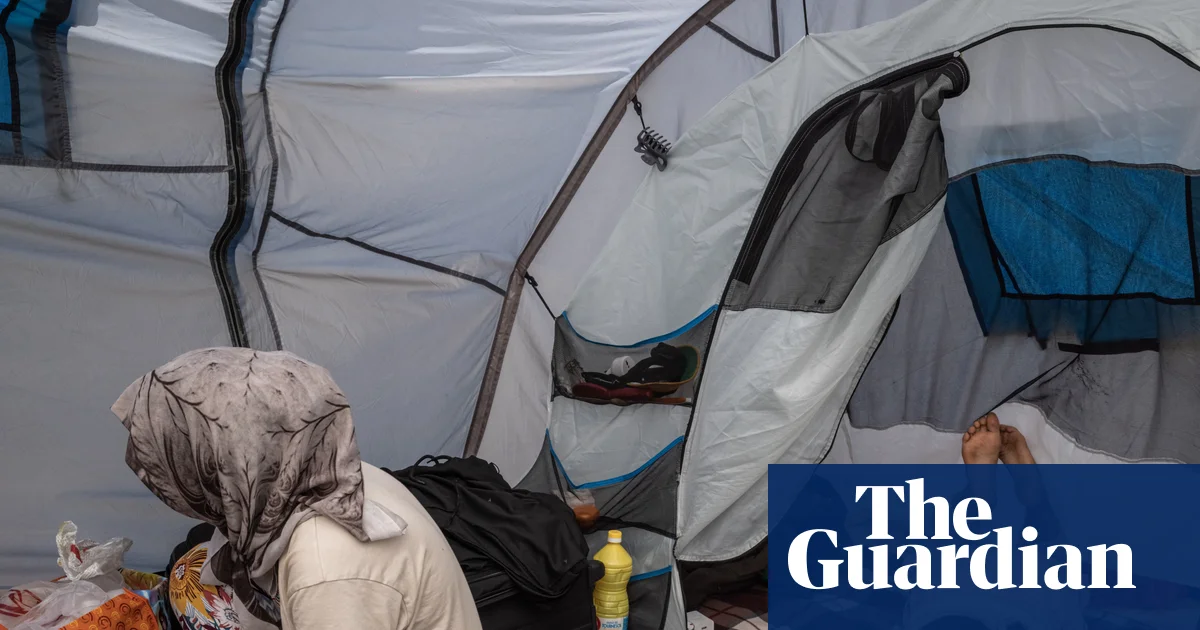
The recent decision by the Home Office to suspend the right of refugees to reunite with their families in the United Kingdom has ignited a wave of controversy and legal challenges, signaling a concerning shift in the UK’s approach to humanitarian responsibilities. Safe Passage International, a prominent charity dedicated to assisting unaccompanied children and refugees, has secured permission to challenge this decision in the high court, asserting that the suspension breaches the UK government’s obligations to safeguard the welfare of vulnerable populations.

Historical analysts and international organizations have long recognized the UK’s role as a sanctuary for those fleeing war and persecution. However, recent policies are casting doubt on whether the nation’s commitments align with its moral reputation. The legal challenge alleges that the suspension not only neglects the welfare of children but also contravenes the Equality Act by ignoring the impacts on women, children, and disabled refugees. This legal confrontation underscores a broader debate: how should nations balance sovereignty, security, and humanitarian duty? Consequently, the UK’s decision could set a disturbing precedent, eroding its moral authority on the international stage.

Amid mounting domestic pressure and political upheaval, Home Secretary Shabana Mahmood is orchestrating further restrictions on asylum seekers, seeking to tighten the borders at a time when many see the UK’s refugee policies as increasingly inhospitable. This comes in the wake of criticisms from figures such as Yvette Cooper, who had previously suspended the family reunion pathway in September. The move, intended to last until “spring 2026”, includes plans for new income thresholds and English-language requirements—measures that critics argue are designed to make refugee resettlement virtually impossible, especially given current bans on asylum seekers working in the UK.

  • The suspension of refugee family reunification led to an increase in families being forcibly separated, adding trauma to already vulnerable populations suffering from war and human rights abuses.
  • Through official data, it is revealed that more than half of the 20,876 refugee visas issued between October 2024 and September 2025 were to children or women—victims most at risk under the new restrictions.
  • Activists warn that these policies could further incentivize dangerous smuggling routes, exacerbating the risks faced by migrants desperate to reach loved ones in the UK.

From a geopolitical standpoint, the UK’s policies reflect a broader international trend of tightening borders amidst rising populism and security concerns. Historians like Eric Hobsbawm have warned that such shifts threaten to turn nations inward, risking a retreat from global responsibility and solidarity. Meanwhile, the European Union, which once championed refugee rights through relatively lenient quotas and shared responsibilities, now faces its own internal struggles over migration policies. The UK’s approach may influence a domino effect, encouraging other nations to follow suit, leading to a fragmented international landscape where humanitarian values are sidelined for political expediency.

As the legal proceedings unfold and the UK government defends its policies, the world watches with mounting concern. The decisions taken today will shape the legacy of a nation that once symbolized hope for the oppressed. Will the UK uphold its moral duty to protect vulnerable refugees, or will it embody a new chapter of insularity and detachment from human rights? As history continues to write itself, one truth remains clear: the fate of these vulnerable souls hangs in the delicate balance of political will and international conscience. Ultimately, the unfolding drama serves as a stark reminder that in the global narrative, the true measure of a society is how it treats its most vulnerable in times of crisis—an enduring testament yet to be written, with the weight of the future resting heavily upon the actions taken today.
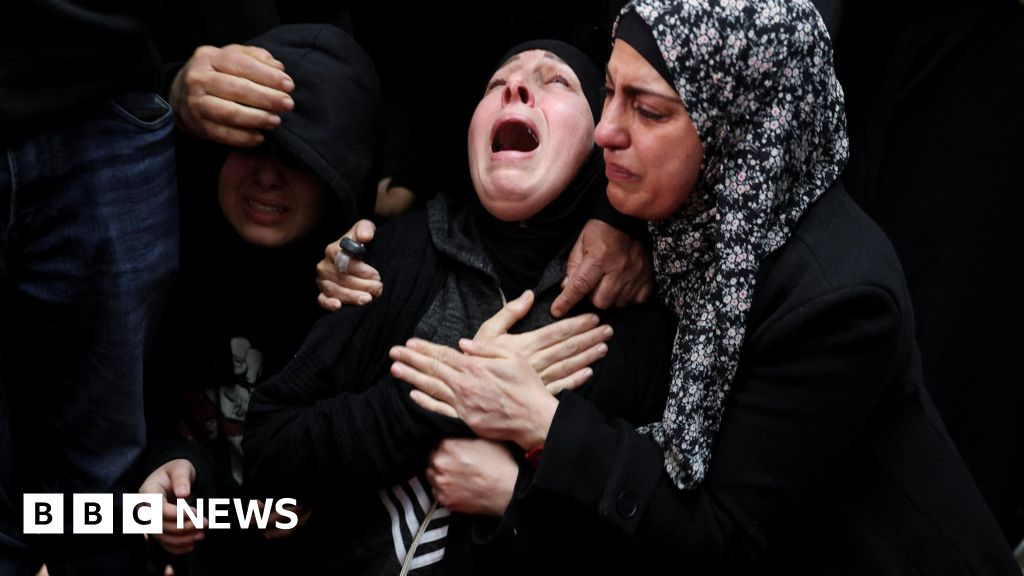

Palestinian-American family calls for justice after West Bank killing

In a troubling development that underscores the persistent volatility in the West Bank, Nasrallah Abu Siyam has become the sixth American citizen to be killed by Israeli settlers or soldiers within the past two years. This tragic event not only highlights the ongoing human toll in the region but also amplifies the geopolitical tensions that continue to shape international discourse and policy. As analysts and international organizations examine this devastating trend, the question arises: what does this portend for Middle East stability and for the United States’ role in U.S.-Israel relations?

The West Bank remains a symbol of protracted conflict, where decades of unresolved disputes over land, sovereignty, and security have resulted in recurrent violence. The incident involving Nasrallah Abu Siyam exemplifies the dangerous complexities at play, where diplomatic efforts often seem gridlocked amid rising tensions. Historically, U.S. policy has oscillated between supporting Israel’s security concerns and advocating for Palestinian rights, yet the recent uptick in violence reveals the fragility of this balancing act. Experts like geopolitical analyst Dr. Emily Carter emphasize that the continuous loss of American lives, especially in a region where American influence is both strategic and moral, exacerbates pressure on U.S. foreign policy and internal political dynamics.

Furthermore, the international community has expressed alarm over these fatalities. The United Nations and European Union have called for renewed dialogue, but reality shows that diplomatic pathways remain blocked by entrenched positions and regional power struggles. This violence is symptomatic of deeper issues, including the expansion of settlements and the persistent inability to implement a comprehensive peace agreement. As Middle East experts warn, each incident like the death of Abu Siyam not only fuels local resentment but also complicates the international effort to bring stability and peace to the region.

From a broad geopolitical impact perspective, these recurring tragedies feed into a narrative of disorder that affects all nations involved—further entrenching divisions, impeding cooperation, and risking broader regional escalation. Nations across the globe are forced to navigate the fallout, which includes rising anti-American sentiments in some quarters and increased pressures on U.S. policymakers to take decisive action. As historians observe, moments like these serve as stark reminders that conflicts rooted in history are often perpetuated by cycles of violence and contested narratives—each one shaping the course of history whether forward or backward. The death of Nasrallah Abu Siyam marks a grievous chapter in this ongoing story, with the echoes of injustice resonating far beyond the borderlines of the West Bank.

As we stand on the precipice of further escalation or potential peace, the weight of history presses heavily. The choices made today in response to such tragedies could either open pathways toward reconciliation or reaffirm the wider forces of chaos and division. With each life lost, the hope for resolving this enduring conflict dims — yet it remains, perhaps, the most urgent challenge of our era. In the shadow of conflict, history continues to unfold, recording the moments when nations either forge a better future or condemn generations to repeating the mistakes of the past.

Family Cleared in Nikki Guthrie Case as Search Drags On Into Week Three

Recent reports emerging from local authorities have shed light on a tragic event that transcends individual loss, hinting at deeper geopolitical undercurrents. As police officials emphasized that the woman’s relatives are victims, dismissing any notions to the contrary, the incident underscores the fragility of societal trust amid escalating international tensions. The discourse surrounding this case suggests an ongoing battle for narrative control, echoing the broader contest for influence in a world increasingly polarized along political and ideological lines.

Historians and international analysts caution that such tragedies, often overshadowed by grand geopolitical machinations, reveal the human cost of global instability. The police statement — asserting that accusing the victim’s family of complicity is not just wrong but “cruel” — underscores the importance of careful diplomacy and responsible communication. This incident, while localized, exemplifies how misinformation and political opportunism can further destabilize communities. As the international community watches, organizations like UNHCR and Interpol warn against exploiting tragedies to fuel divisiveness or to push particular narratives that could hinder peace and reconciliation efforts across conflict zones.

The ramifications extend far beyond the immediate locality. Given recent shifts in international alliances and the strained relations among major powers, every domestic turmoil bears the potential to ripple across borders. For example, some geopolitical strategists have pointed to this incident as a reflection of how state narratives are used to garner internal stability, even at the expense of truth. Such tactics can serve as precedents for increased state surveillance and suppression of dissent, contributing to a climate of mistrust that threatens to undermine global security frameworks. Analysts stress that the decisions taken in these local contexts—whether to prioritize transparency or to silence uncomfortable truths—ultimately shape the fabric of international order.

Moreover, in a world where social media acts as both a tool for justice and a weapon for misinformation, the line between fact and fiction becomes blurred. This incident has prompted calls from global watchdogs for responsible journalism and fact-based storytelling. With history hinting at how narratives shape the course of nations, experts warn that missteps at the local level can escalate into international crises, especially when they are weaponized by populist leaders seeking to rally nationalist sentiment. As world governments navigate a complex landscape of alliances and rivalries, the decisions by authorities today are likely to influence the geopolitics of tomorrow, whether by fostering stability or sowing chaos.

In the shadow of these unfolding events, the weight of history presses upon us. The choices made now—whether in transparency, diplomacy, or media—will echo across generations, defining the legacy of this era. As the global community holds its breath, the question remains: how will future historians interpret this moment? Will they see it as a turning point toward greater understanding or as another chapter in a world increasingly torn by discord, where the fabric of society is frayed by misinformation and political manipulation? One thing is certain: the story is still being written, and the pages of history are waiting to reveal its ultimate outcome.

Young Hero Survives Harrowing Four-Hour Sea Journey to Rescue Family off Western Australia

Rescue at Sea: The Courage of a Young Boy Saves Family in Western Australia’s Tumultuous Waters

In a compelling reminder of the unpredictable power of nature and the resilience of the human spirit, a 13-year-old boy in Western Australia demonstrated extraordinary bravery by rescuing his mother and two younger siblings after a harrowing ordeal at sea. The incident, which unfolded on Friday evening near Quindalup, highlights both the critical importance of safety measures and the heroic potential that can emerge in moments of crisis. As ocean conditions rapidly shifted — driven by strong winds and rough seas — the family’s inflatable paddleboards and kayak were swept offshore, setting the stage for a life-and-death struggle against the elements.

According to local officials and rescue teams, the family was holidaying roughly 250 km south of Perth when the incident occurred. The swift-moving currents pushed their watercraft far from the shoreline. The mother, aged 47, along with her 8-year-old daughter and 12-year-old son, found themselves stranded approximately 14 km offshore, treading water in dangerous conditions. It was during this critical period that the young boy exhibited commendable calmness and determination. Using a kayak, which ultimately took on water, he swam for four hours—first alone with his lifejacket, then without—before managing to reach shore. The rescue was successfully coordinated by a multi-agency effort involving Western Australia Police, marine rescue volunteers, and the rescue helicopter, underscoring the vital importance of coordinated response systems in maritime emergencies.

The rescue operation was described by Naturaliste Volunteer Marine Rescue commander Paul Bresland as a “remarkable mission.” The family’s survival hinged on their lifejackets, which played a crucial role during their hours in the ocean. The 13-year-old’s detailed description of their kayak and paddleboard was invaluable, enabling search crews to locate them in the tumultuous waters. His exhaustion was evident, having swum for two hours with his lifejacket and another two without, with responders praising his bravery. The family was taken to a local health facility for assessment, but the incident raises broader questions about ocean safety and preparedness, particularly in regions known for unpredictable weather changes.

This story resonates beyond the immediate rescue, serving as a stark reminder of the dangers posed by natural forces and the importance of safety precautions in aquatic recreation. Many international analysts focus on how climate change exemplifies the escalation of such extreme conditions, which threaten coastal communities worldwide. The incident has prompted renewed discussions among maritime safety experts about the importance of comprehensive safety education, proper equipment, and swift rescue operations. In an era increasingly shaped by climatic unpredictability, the event underscores the need for societies to enhance their resilience—yet also remind us that even in the most dire circumstances, human courage and quick-thinking can alter the course of history.

As Western Australia’s authorities commend the heroic effort and emphasize the unpredictable nature of the ocean, the incident leaves an indelible mark on all who follow these unfolding tales of survival. It’s a testament to how fleeting moments of heroism—embodied by a young boy’s extraordinary action—can stave off tragedy, leaving a curious, cautious world with a stark realization. As history continues to write itself in these unforgiving waters, the weight of this age-old struggle—between man, nature, and chance—remains profound and unyielding.

Young Boy, 5, and Dad Reunited with Minnesotan Family After ICE Detention

In a recent development that has garnered significant attention across multiple continents, U.S. Congress sources confirmed the release and safe return of Liam Conejo Ramos. The young individual was reportedly found at home with his hat and backpack, sparking a wave of international commentary about security, diplomatic relations, and societal stability. While the details surrounding Ramos’s detention remain opaque, analysts suggest that this event could serve as a catalyst for broader geopolitical shifts, particularly within the context of regional influence and national security policies.

The news arrives amidst a complex landscape of global tensions, where nations are increasingly scrutinizing each other’s internal affairs under the guise of security concerns. The circumstances of Ramos’s detention and subsequent release raise critical questions about the interplay between law enforcement, civil liberties, and international diplomacy. Several prominent international observers, including representatives from The United Nations and European Union, have begun to analyze whether this incident reflects larger patterns of government overreach or a strategic move within global power struggles. Historically, such incidents tend to act as flashpoints that expose underlying vulnerabilities in the consistency and transparency of governments on the world stage.

From a broader geopolitical impact, the incident underscores how regional conflicts and policy decisions are increasingly influenced by interconnected domestic and international factors. Countries are watching closely, assessing how different authorities handle such sensitive situations as evidence of either stability or chaos. While the immediate focus is on Ramos’s welfare, the case also prompts a reevaluation of diplomatic strategies, especially in regions where political tensions are high. Many international analysts contend that these incidents are not isolated but are embedded within more extensive cycles of mistrust, ideological divergence, and shifts in power dynamics—each decision echoing through corridors of influence and society alike.

Historian and geopolitical analyst Dr. Emilia Santos remarked that historically, such events tend to serve as turning points that shape the course of history. “Every incident involving detention or release, especially when it involves young individuals amid broader security concerns, becomes a part of the narrative that nations tell about their identity and integrity,” she explained. Similarly, institutions such as the International Crisis Group warn that these moments, while seemingly localized, could influence future policy frameworks that determine the international order. As the global community reevaluates its priorities and alliances, one thing remains clear: the decisions made today will write the stories of tomorrow, and history’s pen continues to move forward, often in ways that no one can foresee.

With Ramos back at home and the world watching, the question persists: How will this incident redefine the boundaries of diplomacy and security? As the shadows of uncertainty stretch across the international landscape, the unfolding chapters of this story hold the weight of history—all waiting to be written. The choices made in this moment will resonate for generations, shaping the future of nations, societies, and the global order itself—an enduring testament to the perpetual flux of geopolitical power, where today’s actions forge the pages of tomorrow’s history books.

Robert Irwin crowns himself Dancing with the Stars champ, a decade after sister’s victory—showing true Aussie spirit and family legacy

In a world increasingly defined by rapid cultural shifts and intersecting geopolitical interests, recent developments underscore the enduring influence of individual leaders and international decisions on both societal values and global stability. Robert Irwin, the 21-year-old son of the legendary conservationist Steve Irwin, has captured headlines not for global diplomacy but for his triumph in the American reality TV competition Dancing with the Stars. This victory, amid emotional tributes to his late father, embodies how soft power—cultural influence—transcends borders and reshapes perceptions of national identity. As Irwin’s story resonates with audiences worldwide, it serves as a reminder of the subtle yet profound ways in which individual narratives can influence international cultural diplomacy, shaping perceptions of Australia and its values abroad.

The timing of this achievement is no coincidence. Amid tensions over climate policies, migration, and regional alliances, cultural icons like Irwin symbolize a resilient Australian identity rooted in conservation and youthful vigor—traits that many nations aspire to project on the world stage. Analysts from the International Crisis Group warn that in a shifting geopolitical landscape, nations are increasingly leveraging soft-power assets to bolster their geopolitical standing. The spectacle of the Irwin family’s ongoing legacy, woven into a narrative of environmental stewardship, subtly influences public opinion and international perception, asserting Australia’s position not merely as a regional player but as a moral voice on ecological issues. This alignment could serve as leverage in global alliances, especially at a time when the United States and China vie for narrative dominance on climate change.

Strategically, the recent decisions within U.S. foreign policy and the trajectory of European alliances reveal a complex chessboard where cultural exchanges are becoming as vital as military and economic treaties. Meanwhile, the decisive shifts regarding climate commitments, exemplified by Britain’s push for greater renewable energies and ongoing debates in the European Parliament, demonstrate how global institutions still grapple with balancing environmental imperatives against economic and geopolitical realities. International organizations like UNEP actively monitor how these decisions ripple across nations—affecting societies, influencing leadership, and reshaping societal priorities. The ongoing tension between conservation ideals championed by figures like Robert Irwin and the hard realities of geopolitical interests underscores the pivotal moment humanity faces: can cooperation on ecological issues override nationalistic competition?

History’s heavy hand reminds us that current decisions may ripple for generations. As historians analyze the age of ecological awakening and geopolitical reconfigurations, the question persists: is this era shaping a new world order or merely a transient chapter amidst unfolding chaos? With global powerhouses, regional alliances, and youthful icons intertwined, the full measure of this moment remains uncertain. Yet, one truth endures: as the narrative continues to be written in boardrooms, battlefield strategies, and cultural arenas, the weight of history presses ever harder. The collective trajectory of nations will depend on choices made today—choices that could either preserve the fragile fabric of peace or unravel it beyond repair. Humanity stands at a crossroads, watching as the unfolding saga promises that tomorrow’s history will be defined by the resilience, resolve, and sometimes, the unintended influence of those who embody the spirit of both youth and tradition.

South Korea’s beloved TV dad passes away at 91—legacy of family values endures

The Passing of an Icon and Its Broader Cultural Significance

The recent death of South Korean actor Lee Soon-jae at age 91 marks not only the end of an era in entertainment but also underscores the cultural clout of Korean wave (Hallyu) as a significant soft power in the global geopolitical landscape. Lee’s career, spanning over seven decades, positioned him as a universal figure whose influence extended beyond South Korea’s borders, embodying a cultural bridge that has helped shape perceptions of the nation on the world stage. His roles in television classics like High Kick! and in acclaimed films fostered a sense of shared identity among Korean youth and diaspora communities alike. As analysts from the International Institute for Cultural Diplomacy note, figures like Lee serve as cultural ambassadors, contributing to the positive diplomatic image of South Korea amidst the fierce regional competition for influence.

How Cultural Diplomacy Intersects with Geopolitical Strategy

  • The rise of South Korean popular culture has been a deliberate facet of global soft power strategy by the South Korean government, aiming to elevate national prestige and economic strength.
  • Leaders such as President Yoon Suk-yeol have explicitly linked entertainment exports to security policy, recognizing the importance of cultural influence in shaping international alliances and alliances formations.
  • Meanwhile, institutions like the United Nations have called on countries to leverage cultural assets for peacebuilding, but critics argue that cultural influence alone cannot mitigate underlying geopolitical disputes, particularly in the East Asian region where territorial tensions persist.

Such decisions are set against the backdrop of ongoing regional conflicts—notably, the Uighur crisis in China and the escalating militarization of the Korean Peninsula. Historians like Dr. Samuel Parks suggest that the cultural sphere serves as a strategic battleground, shaping narratives and perceptions. While South Korea’s cultural exports, including K-pop, TV dramas, and revered actors like Lee Soon-jae, foster unity and national pride domestically, their role in international diplomacy is double-edged. These cultural symbols are increasingly leveraged in hard power strategies to counterbalance China’s expanding influence and to Visegrad the United States’ regional interests, particularly in navigating the complex geopolitics of the Indo-Pacific corridor.

The Impact on Society and the Future Trajectory

However, the death of such a towering figure also sparks reflection on the fragile nature of cultural influence amid volatile geopolitical currents. South Korea’s ability to sustain its cultural ascendancy depends on continuous innovation and strategic diplomacy, as emphasized by international security analysts. The legacy of Lee Soon-jae, who remained active well into his nineties, exemplifies the endurance and depth that cultural figures can offer in fostering societal resilience and national identity. Yet, as the geopolitical landscape shifts with U.S.-China tensions and ongoing territorial disputes, the question remains whether cultural influence can translate into tangible security guarantees.

Just as Lee Soon-jae’s career conveyed warmth and familiarity, the broader process of nation-states maneuvering through international tensions often hinges on storytelling—narratives crafted by leaders, media, and cultural icons that shape global perceptions. With history witnessing a rising tide of powerful alliances and rivalries, the words of seasoned analysts echo with gravitas: the pages of history are still being written, and the world watches with bated breath as this complex story unfurls, leaving a legacy that will influence generations to come.

Family of missing Colombian youth demand answers after U.S. strike targets suspected drug vessel

In the vibrant coastal regions of Colombia and Venezuela, a quiet lifestyle revolves around the sea — a life rooted in tradition, community, and the pursuit of peace amidst turbulence. Yet, recent US military strikes targeting alleged drug-trafficking vessels have cast a shadow over these once tranquil waters. These covert operations, justified by American officials as efforts to combat narco-terrorism and drug-related violence, have sparked fierce debates about legality and human rights, raising questions about the true cost of national security measures. The stories of local fishermen, like Juan Assis Tejeda and others, reveal a sobering reality: they fear that innocent lives, livelihoods, and even civilians might be caught in the crossfire of international politics.

The US claims that these strikes are necessary defenses against criminal networks that threaten regional stability and American lives, citing an increase in cocaine seizures and the rising toll of fentanyl in the US as evidence. However, critics, including international law experts and local communities, argue that these actions resemble extrajudicial killings—a stark departure from the rule of law that emphasizes arrest, trial, and sentencing. Juan, an experienced fisherman who often surveys the waters near Venezuela, shares a poignant perspective: “We just go after tuna, but sometimes drones hover over us — we’re afraid. It’s not right to be pursued and targeted like terrorists without proof, just for earning a living.” Such testimony underscores that in these moments, what the global stage doles out as “security” can sometimes feel like an assault on everyday lives, on well-being, and on the pursuit of simple peace.

The reactions from regional leaders also underscore the underlying geopolitical tensions. Colombia’s President Gustavo Petro has challenged the US’s narrative, condemning the strikes that reportedly killed civilians, including local fishermen and farmers. Petro’s stance aligns with a broader suspicion: that behind the veneer of anti-drug efforts lies an attempt to exert political pressure on Venezuela’s government and its controversial leader, Nicolás Maduro. Many locals believe that these military moves serve as a tool to destabilize the region further, possibly paving the way for more direct American influence, which could threaten the sovereignty of these nations and their communities. Such multi-layered tensions bring to light a crucial fact—lifelines of culture and livelihood are often caught in the crossfire of superpower ambitions.

Amid these turbulent waters, the local community’s resilience remains a quiet but powerful force. Stories from fishermen like Mr. Tejeda show their unwavering desire to live peacefully, unaffected by the global game of power. These men and women are not targets—they are just ordinary people caught in extraordinary circumstances. Their stories serve as a reminder that, at the heart of every geopolitical conflict, there are human lives seeking stability and dignity. As these small villages watch and wait, they embody the spirit of relentless hope: a hope that one day, diplomacy and respect for sovereignty will prevail, and the love of the sea will return to being a source of life, not conflict.

Reflecting on these narratives leaves us with a profound understanding: lifestyle is more than leisure or routine; it’s a journey to embrace resilience in uncertainty. These coastlines, woven with stories of struggle and hope, remind us that true security arises not from the barrel of a gun, but from respect—respect for life, for community, and for sovereignty. As we watch these waters, may we find the wisdom to navigate our own lives with clarity and purpose, standing for fairness amid the chaos, and cherishing the peaceful pursuits that truly define our well-being.

Peterborough Council Says No More Kids in B&Bs—A Win for Family Stability

Addressing the Society-Defining Challenge of Youth and Family Homelessness

Across communities like Peterborough, the silent crisis of youth homelessness is reshaping the very fabric of social cohesion and family stability. The recent campaign by Peterborough Citizens, an alliance of schools, charities, and community groups, highlights a growing understanding that housing instability profoundly damages not only individual lives but also the future of entire neighborhoods. The shift away from temporary, crisis-driven accommodation to more stable, family-centered housing solutions marks a crucial step in reversing decades of neglect and exposing systemic failures.

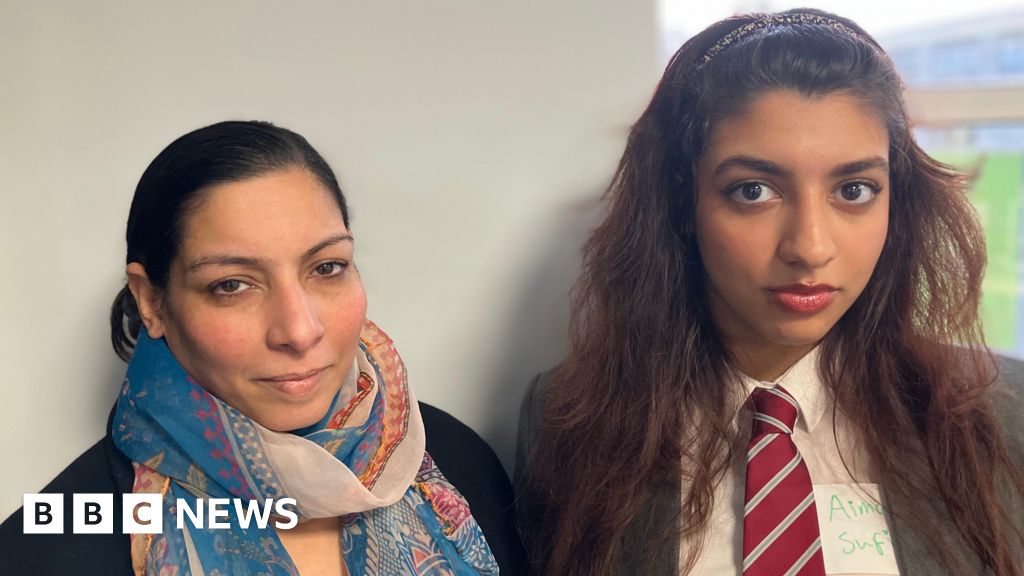
The policy triumph of the recent campaign, which led to a **73% reduction in children living in bed-and-breakfast (B&B) accommodations**, signals more than just statistical progress; it exemplifies the moral imperative to prioritize the welfare of the most vulnerable. Matt Oliver, head of housing needs, describes B&Bs and hotels as “the worst kind of emergency accommodation,” emphasizing the social toll on families. The experience of Sehrish Darr, a mother of four, underscores this reality. Her six months of homelessness in cramped, unsuitable hotel rooms caused physical health issues for her children and disrupted their education—highlighting how housing crises extend into every corner of family life, impacting health, mental well-being, and opportunities.

In education settings, these social issues not only threaten academic progress but threaten to widen the societal rift. Schools, often seen as community anchors, find themselves on the frontlines of this crisis. Instances like Ms. Darr’s experience reveal that homelessness can be hidden due to shame or fear, preventing families from seeking help. Such barriers hinder effective intervention and exacerbate the social inequality that young people face. Recognizing this, Peterborough Citizens advocates for a **mandatory notification protocol**, where schools and GPs are informed swiftly when a child enters temporary accommodation, allowing targeted support and fostering resilience in the community.

This multifaceted approach reflects broader sociological insights: experts like Professor David Greenberg argue that community engagement and early intervention are essential in breaking the cycle of homelessness and social disintegration. As histories of social policy reveal, systemic struggles such as homelessness often stem from economic, political, and cultural shifts that demand innovative, ethical responses. The hope lies in collective action—families reclaim stability, schools serve as safe spaces, and communities build a resilient, compassionate future.

The closing challenge remains: society stands at a crossroads where the plight of the homeless and displaced reflects deeper moral questions. Each family, like Sehrish Darr’s, bears the silent weight of social failure, yet also embodies the hope and potential for societal transformation. As society grapples with these wounds, a vision emerges—one where compassion, policy innovation, and community solidarity can forge a future where no child, no family, must endure the pervasive silence of homelessness. Society’s true strength will be measured not by how swiftly we respond to crises but by how enduringly we prevent them, fostering spaces where every young person can dream, grow, and thrive amidst the resilience of a society that refuses to turn away.

Family Costs Should Stay Under 5% of Monthly Income, Kids Argue for Fairness

Addressing the Rising Cost of School Uniforms: A Step Towards Fairness in Education

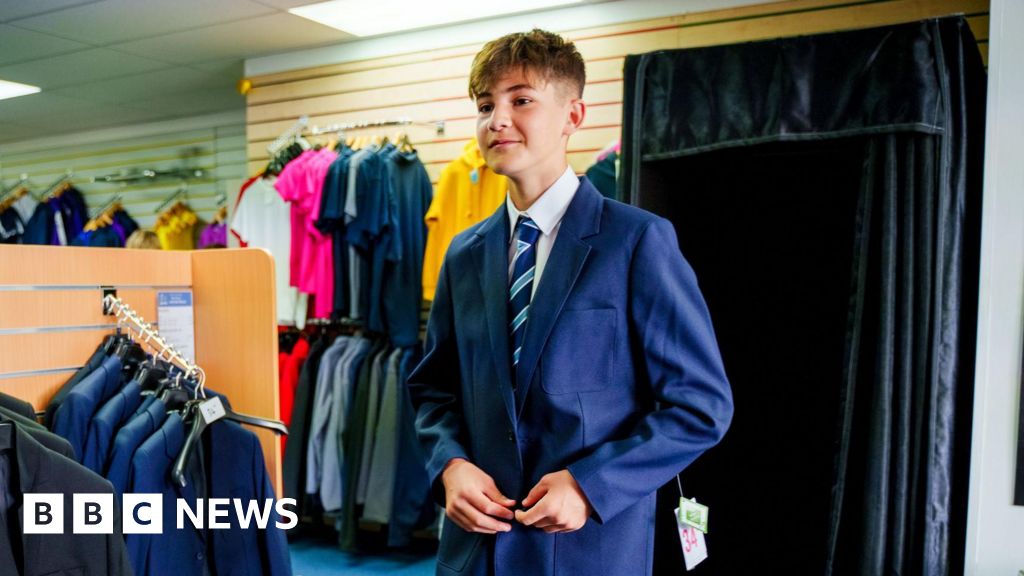
In a society where economic disparities continue to widen, the issue of school uniform affordability has gained essential attention. The Department of Education (DE) has issued new guidelines emphasizing that the cost of school uniforms should not exceed 5% of a family’s monthly income. This move reflects a broader recognition that education should be accessible, not a privilege reserved for the affluent. Despite not setting a strict cap on prices, the guidelines subtly challenge schools to prioritize affordability and fairness, addressing a long-standing concern among families from lower-income communities who often struggle to meet rising school costs.

The new directives urge schools to adopt a common-sense approach, encouraging the use of plain-colored, easily accessible clothing items purchased from supermarkets or high-street retailers. Schools are also discouraged from requiring branded or specialized uniforms, such as branded PE kits, which often impose an additional financial burden on families. Instead, the emphasis is on inclusive policies—such as running or supporting uniform banks and exchanges—to help ease the financial strain. As sociologists like Annette Lareau have documented, access to affordable education resources directly impacts the social mobility of children from disadvantaged communities. Providing affordable uniforms is, in essence, about leveling the playing field, ensuring that no child’s educational experience is marred by their family’s economic status.

However, the challenge extends beyond mere guidance. Schools face accountability measures, with the DE empowered to publicly name institutions found not to comply with these standards. Parents and pupils are encouraged to report schools that use expensive uniform items without justification, with the department required to issue formal directives or even publicly shame non-compliant schools. This process signals a shift from traditional paternalistic policies towards a more community-driven response, emphasizing transparency and accountability. Nonetheless, critics argue that without strict price caps or financial support structures, some schools may still find ways to circumvent these guidelines, perpetuating social inequities. History shows that legislation alone often falls short without broader societal effort, and the true success will lie in community engagement and sustained oversight.

这一系列措施不仅增强了学生的归属感,也对家庭、教育体系和社会和谐产生了深远的影响。当家庭不必为基本教育需求牺牲生计时,儿童更有可能专注于学习,不会因经济压力而被排除在教育之外。学校的行动也直接影响着青春的价值观与社会责任感,鼓励他们在日常生活中实践公平与平等。这种努力的核心,是为了确保未来一代不会被过去的偏见锁链所束缚,但更重要的是,它点燃了社会对真正平等的渴望。

反思这场变革,社会必须认识到挑战与希望同行的复杂性。就像历史上许多社会运动一样,改变不仅需要规则,更需要一种持久的文化转变。在这个过程中,社会的未来可能正等待着那些敢于让公平成为实现教育的常态的年轻心灵。因为在这个斗争中,真正的胜利或许不是制服任何一个制服的价格,而是培养了一代敢于梦想并行动的年轻人,他们相信,一个更公平、更有包容的社会,正在等待着他们去创造。

Social Media Auto Publish Powered By : XYZScripts.com