Matox News

Truth Over Trends, always!

Amazon pantses Bond fans by zapping guns from iconic art DOI: amazon removes guns from James Bond images

Amazon’s Latest Move in Branding Sparks Industry-Wide Disruption and Industry Shifts

In a striking demonstration of technological innovation and cultural influence, Amazon recently unveiled updated poster art for the classic James Bond franchise in celebration of James Bond Day. However, what was intended as a nostalgic homage quickly ignited controversy within the fanbase and industry circles alike. The most notable change was the conspicuous removal of Bond’s signature Walther PPK pistol from the posters, showcasing a deliberate shift towards more sanitized, gun-free branding. This move exemplifies an emerging trend within the tech and entertainment sectors where content personalization and cultural sensitivities are increasingly prioritized—often at the expense of tradition and risk-taking.

Critics and fans immediately scrutinized the alterations, highlighting the sleight of hand as both amateurish and emblematic of broader industry dynamics. Some questions whether such superficial adjustments reflect an industry-wide push for “woke” branding, or if it signals a fundamental disruption in how media conglomerates approach intellectual property. Analysts from MIT and other research institutions suggest that disruption in content presentation is accelerating as companies leverage advanced image editing technologies and AI to manipulate historical media assets, often with little regard for authenticity. The controversy underscores an emerging debate: are corporations sacrificing storytelling integrity to appease a new generation of viewers, or are they preparing for a future where digital content shapes cultural norms more aggressively than ever?

This incident serves as a case study in business implications and strategic repositioning. Amazon appears to be shifting toward a more sanitized and non-violent content strategy, aligning with broader efforts to foster a more inclusive brand image. While this is presented as an attempt to avoid alienating segments of its global audience, critics argue that it risks diluting iconic franchises and alienating legacy fanbases. Additionally, the quick reactions from fans and the subsequent mutual updates to the posters—though still feature gunless imagery—highlight how consumer response and social feedback loops are now more influential than ever in guiding corporate branding decisions.

Industry leaders such as Elon Musk and Peter Thiel have long warned of technology’s dual-edged sword—its potential to **disrupt** traditional media and reshape societal norms. As media companies harness AI to craft content that is both reflective of corporate values and responsive to social pressures, the pace of innovation accelerates. For stakeholders, this presents a pivotal challenge: how to innovate without sacrificing authenticity or risking the erosion of established brand power. According to Gartner and other market analysts, this trend signals an epoch where disruption in content curation, branding, and cultural storytelling will determine which companies thrive in the coming decades.

Looking ahead, the implications extend beyond mere poster edits. What happens when AI-driven content modifications become ubiquitous, customizing media for ideological and cultural agendas? Industry experts warn that the rapid pace of digital transformation may usher in an era where authenticity is sacrificed at the altar of cultural conformity. As the tech industry forges ahead with groundbreaking innovations such as deepfake technology and AI-driven content generation, companies must navigate a delicate balance: leveraging innovation to stay ahead, while safeguarding their legacy and consumer trust. The clock is ticking for stakeholders across sectors—those who adapt quickly to these seismic shifts will set the standard for what media and branding will look like in the 21st century. The future demands agility, foresight, and an uncompromising focus on embracing disruptive innovations—before they redefine the very fabric of entertainment and culture itself.
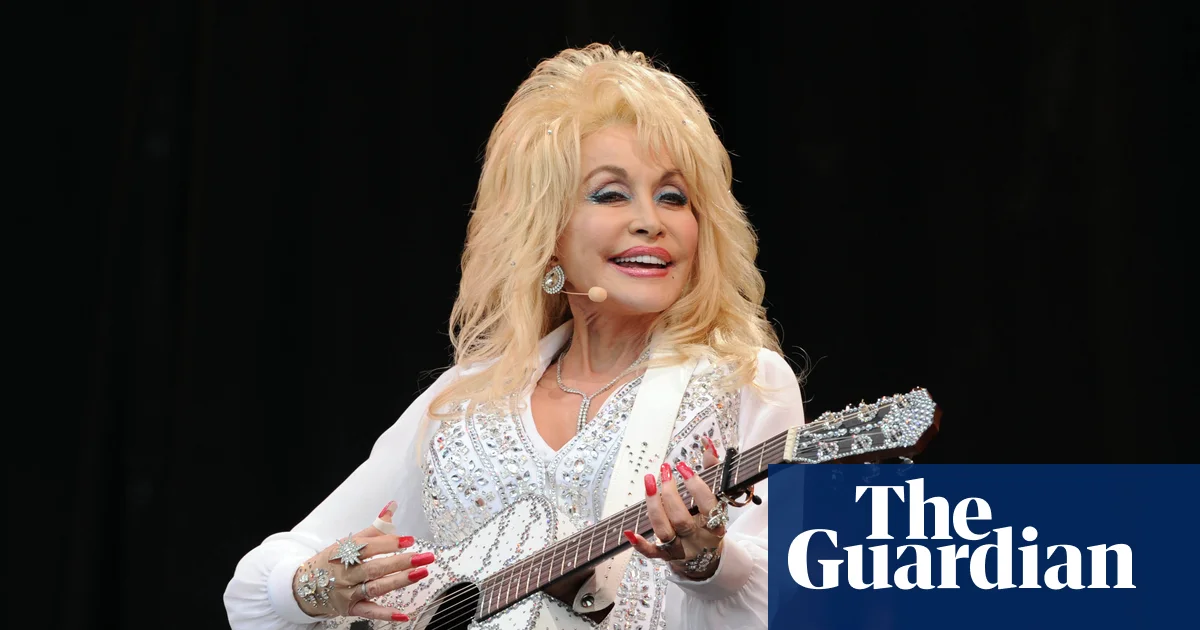
Dolly Parton’s Sister Urges Fans to Pray as Country Legend Faces Health Challenges

The recent health challenges of iconic singer Dolly Parton have ignited a wave of concern across the cultural and political landscapes worldwide. While her condition remains undisclosed, the narrative unfolding around her situation highlights the vulnerabilities that even the most celebrated figures face and underscores the profound interplay between personal health crises and global societal reflections. Parton’s *postponement* of her highly anticipated Las Vegas residency, scheduled for December, signifies more than a mere career setback; it symbolizes the fragile balance between individual vitality and the relentless march of time—a theme echoing in the corridors of world power and international diplomacy.

Analysts note that the singer’s appeal, rooted in her resilience and connection with fans, mirrors a broader societal phenomenon: the collective search for strength amidst uncertainty. As Parton emphasizes her *faith in divine intervention* and her *determination to preserve her legacy*, some international commentators are drawing parallels with geopolitical figures who confront similar *health setbacks*—notably *heads of state* and *global corporate leaders*. According to the World Health Organization, the health stability of leaders impacts diplomatic stability, with leadership crises often exposing underlying vulnerabilities of national governance. The absence or diminished presence of influential figures can cause shifts in international alliances, economic confidence, and societal morale, much like the ripple effects felt within the entertainment industry when a star like Parton faces *health setbacks*. For nations, enduring their own health emergencies amid global crises, the narrative of resilience and renewal takes on critical importance.

Experts argue that moments such as these serve as a *metaphor for the geopolitical landscape*, where decisions stemming from *internal crises* either accelerate a nation’s progress or expose its weaknesses. Historians warn that when leadership figures fail to project strength, be it through health vulnerabilities or political upheaval, the resulting uncertainty can embolden adversaries and weaken alliances. International organizations, meanwhile, contend that such instances reaffirm the need for robust health infrastructures and contingency planning—essential for maintaining not just individual well-being but global stability. In this era of unpredictable crises—whether medical, environmental, or socio-political—the question remains: how do nations respond when their leaders or icons falter?

As the world continues to grapple with the *ravages of unforeseen crises*, the story of Dolly Parton reminds us that even cultural icons serve as powerful symbols of endurance. Her decision to defer her *Las Vegas* comeback, citing *medical procedures*, epitomizes a universal truth: the endurance of societal values depends on resilience and mitigation. As international actors watch her health saga, they recognize that the *timing* of crises can redefine narratives, reshape alliances, and influence cultural and political legacies. The ongoing chapter of her life, intertwined with a broad tapestry of human vulnerability, serves as a stark reminder that history’s true turning points often emerge from the shadows of these personal battles. And as history watches, the question persists—how will nations—and indeed the world—weather its next great upheaval? The weight of destiny remains, as ever, suspended on the fragile thread of hope and resilience in an unpredictable world.

NBCUniversal’s YouTube TV Deal Brings Some Shows Straight to YouTube, Giving Fans More Options

In a bold move that underscores the accelerating disruption of traditional media, NBCUniversal has announced a strategic partnership with YouTube TV to expand its digital footprint. While financial details remain confidential, the deal notably includes exclusive rights to full TV shows, clips, and highlights, along with a reinvigoration of NBC Sports Network (NBCSN), which was shut down four years ago. This move exemplifies how legacy broadcasters are leveraging innovative streaming platforms to recapture viewer engagement and monetize content, signaling a clear shift in the industry dynamic.

As Matt Schnaars, an NBCUniversal executive, articulated, the company is advancing its Peacock strategy by launching new channels on YouTube Primetime Channels and maintaining a presence on Google TV. This multi-platform approach leverages the dominance of tech giants like Google to disrupt traditional cable models, turning to streaming-first strategies that cater to the increasingly digital-first consumer base. Such initiatives not only amplify NBC’s reach but also illustrate a broader industry trend where content licensing and platform partnerships are becoming vital for maintaining relevance in a saturated media ecosystem.

Industry analysts such as Gartner and MIT’s Media Lab emphasize that these shifts reflect a broader trend of disruptive innovation—where established broadcasters are adopting tech-driven models to avoid obsolescence. The relaunch of NBCSN and its inclusion in subscription packages are particularly notable, as they suggest that media conglomerates are experimenting with hybrid revenue streams—combining traditional advertising, subscription fees, and licensing—aimed at capturing diverse consumer segments. The move also hints at a strategic pivot: utilising sports content as a key driver for new revenue sources, especially as rights for marquee events are increasingly becoming battlegrounds for digital dominance.

  • Reintroducing NBCSN into subscription bundles enables monetization outside conventional cable subscriptions, broadening revenue options.
  • This strategy allows NBCUniversal to adapt rapidly to the post-linear era, where viewers demand on-demand, multi-device access.
  • Furthermore, leveraging popular streaming platforms complicates regulatory and competitive landscapes, posing both opportunities and challenges for existing players.

As industry leaders like Elon Musk and venture capitalists such as Peter Thiel have long argued, the future of media is rooted in innovation and disruption. The implications of NBCUniversal’s moves extend beyond mere content distribution; they represent a pivot point that could redefine revenue models, consumer engagement, and competitive strategies across the media landscape. With tech giants investing heavily in original content and distribution innovations, traditional broadcasters are compelled to rethink their business models swiftly. Ignoring these shifts risks obsolescence, but those who innovate—like NBCUniversal—stand to reshape the very fabric of entertainment consumption in the coming decade.

Fundamentally, the industry is on the brink of a transformation driven by technological convergence and audience-centric strategies. As new partnerships and streaming innovations emerge, it becomes increasingly clear that those who adapt quickly will dominate the next era of entertainment. The question remains: in an era of unprecedented disruption, will legacy players lead the charge or fall behind as nimble tech companies redefine the rules of the game?

Social Media Auto Publish Powered By : XYZScripts.com