Matox News

Truth Over Trends, always!

France to summon US ambassador over comments on far-right activist's death
France to summon US ambassador over comments on far-right activist’s death

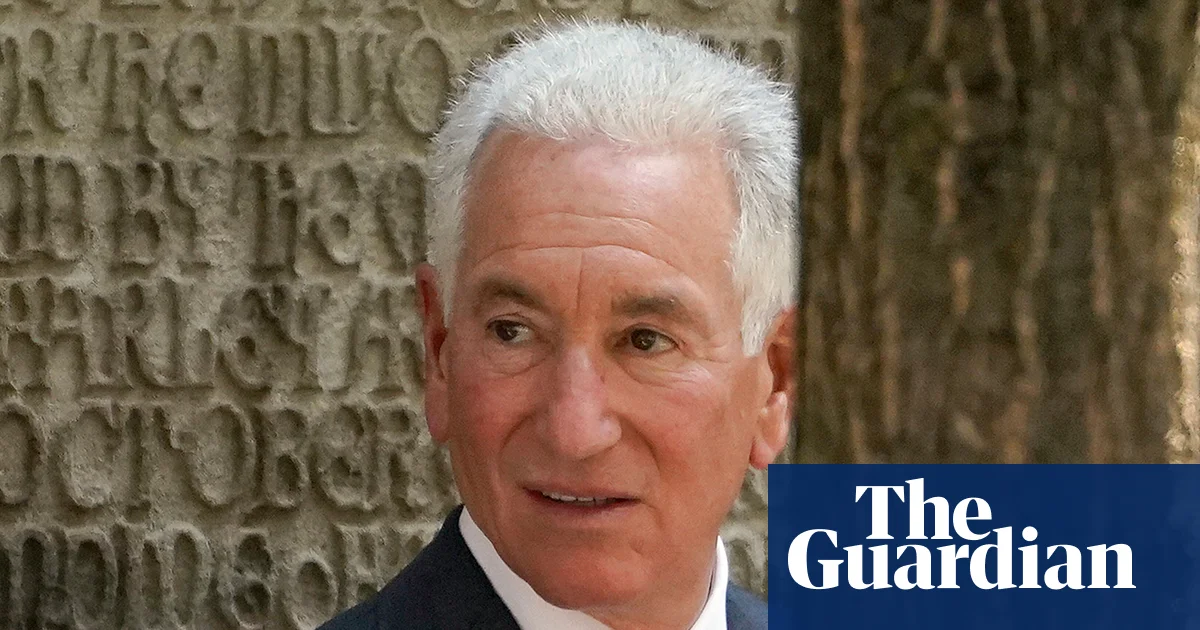
In a move indicative of escalating international diplomatic tensions, France is signaling a serious escalation with the United States following recent incendiary comments by U.S. ambassador Charles Kushner. French Foreign Minister Jean-Noël Barrot announced plans to summon Kushner over remarks concerning the brutal murder of Quentin Deranque, a prominent far-right activist. Deranque’s death in Lyon last week, during a violent confrontation with alleged hard-left militants, has ignited a firestorm of political and diplomatic reactions.

The incident, already fraught with ideological polarization, is being closely monitored by international bodies and analysts, who warn of the dangerous implications behind the rhetoric. Both the U.S. State Department’s Bureau of Counterterrorism and the American embassy in France issued statements on X—formerly Twitter—highlighting the perceived rise of violent radical leftism as a threat to public safety. These comments have fueled fears that evolving narratives could deepen the divide, exacerbating political polarization and social unrest across transatlantic relations. As historian Dr. Anne Richter notes, “Such inflammatory discourse not only worsens diplomatic strain but also emboldens ideological extremism.”

For Paris, this incident underscores a broader geopolitical landscape marked by mounting ideological conflicts and shifting alliances. The French government, historically rooted in preserving civic order amid rising populism, perceives the U.S. comments as interference—a dangerous precedent that could threaten sovereignty and domestic stability. Meanwhile, Washington’s emphasis on the threat of “radical leftism” appears to reflect a broader American political strategy, aimed at framing internal dissent as an external security concern. This international discourse aligns with the warnings by organizations such as the European Council and International Crisis Group, which warn that such rhetoric risks fueling ideological conflicts that transcend national borders, endangering democracy itself.

As nations grapple with the repercussions of inflammatory speech and rising violence, the case of Quentin Deranque serves as a stark reminder: decisions taken today will define the geopolitical landscape for generations to come. The unfolding crisis in France not only tests bilateral diplomacy but also questions the very fabric of societal cohesion in an era rife with ideological upheaval. The narrative remains unwritten, but history’s watchful eye tells us that the coming days will be pivotal—once again illustrating that in geopolitics, the line between dialogue and discord is often razor-thin.
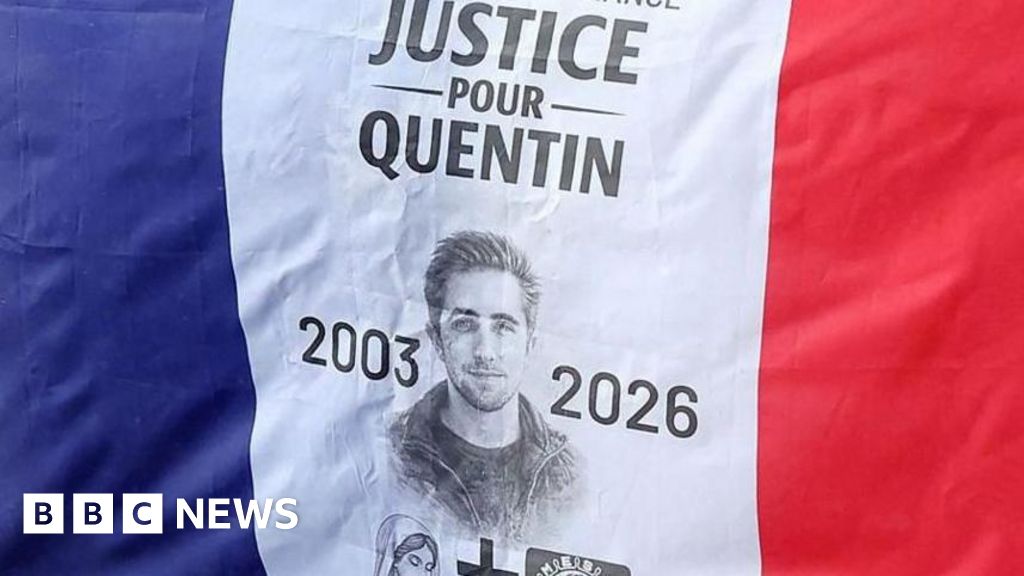
Nine Arrested in France Over Far-Right Student’s Death

In a disturbing turn of events, Quentin Deranque’s life was tragically cut short on Saturday, just two days after he was assaulted by masked individuals in Lyon. The incident, believed to be orchestrated by far-left militants, has sent shockwaves across the political landscape of France. As reports surface implicating radical factions, international observers and diplomatic voices are increasingly alarmed about the escalation of political violence shaping Europe’s second-largest economy.

The assault and subsequent death underline growing tensions in a continent grappling with ideological polarization. Historian Michael Hart, a prominent analyst of European radicalism, warns that such acts of violence threaten to undermine the social fabric and the rule of law if left unchecked. The incident also raises questions about the effectiveness of law enforcement and the government’s capacity to contain militant factions whose activities are often cloaked in secrecy. The political climate in France appears to be fracturing, with militant groups exploiting social grievances to justify violent actions against perceived enemies.

This tragic event, occurring amidst broader geopolitical shifts, highlights the **rise of extremist movements across Europe**, which many analysts argue are exacerbated by economic instability, immigration debates, and social discontent. International organizations such as the European Union have called for increased vigilance and unity, yet critics argue that their responses insufficiently address the root causes of such violence. The death of Deranque could be a catalyst for a reevaluation of security strategies and confrontations with militant factions that threaten to destabilize the region’s fragile peace.

As global powers watch developments closely, the incident serves as a stark reminder that the battle over cultural identity, political ideology, and national sovereignty is intensifying. The United States, the UK, and other allies are monitoring France’s internal struggles, often warning that unchecked radicalization within one member state could have repercussions extending beyond Europe’s borders. Historians warn that these moments of violence could usher in a darker era, a period where ideological extremism erodes the foundational pillars of democracy and civil order, forcing nations into difficult choices. As the dust settles and investigations unfold, the world stands at a crossroads, teetering on the edge of a new chapter where history’s lessons must be heeded—lest chaos and division become the new normal.

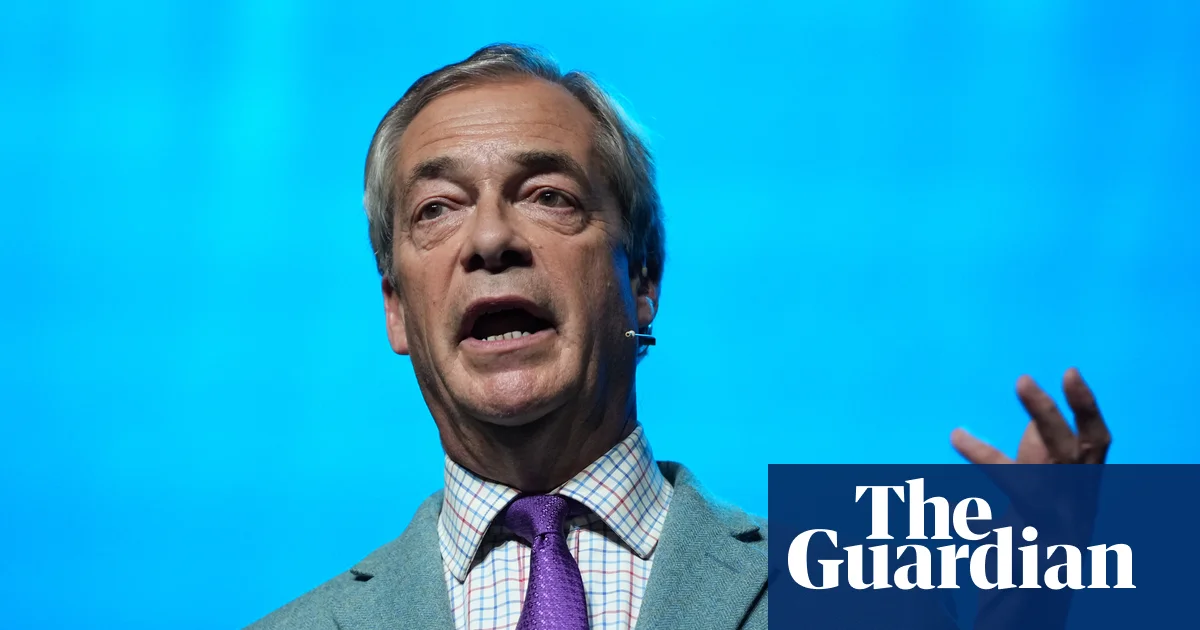
Three Ex-Pupils Stand Firm Against Far-Right ‘Banter’ Claims, Supporting Nigel Farage

Global Reckoning: The Echoes of Youth and the Shaping of International Power

In recent weeks, a revealing story has emerged from Britain that underscores how the personal histories of public figures—particularly those involved in shaping national policy and geopolitics—can ignite international debates with far-reaching consequences. Former Prime Ministerial candidate Nigel Farage, known for his staunch nationalist stance and vocal opposition to open borders, has come under scrutiny amid allegations of deeply troubling racist and antisemitic behavior during his adolescence at Dulwich College. Over twenty individuals have come forward, recounting years of targeted abuse that reportedly spanned from the age of 13 to 18. These allegations, whether rooted in past misconceptions or genuine misconduct, reveal how history’s shadows can threaten the credibility and influence of figures who command currents in the modern political landscape.

The controversy is a stark reminder that the choices made in youth—sometimes dismissed as “banter”—can directly impact a nation’s international standing and societal cohesion. Analysis by international organizations and historians suggests that such revelations are not merely about individual morality but also about the broader implications for national identity in an interconnected, often polarized world. The allegations against Farage, including claims of racially charged taunts and antisemitic slurs, resonate globally, especially amidst rising uprisings and ethnic tensions across Europe and beyond. As historians specializing in political extremism warn, such figures, once unfettered by scrutiny, can fuel the narratives that stir unrest or justify aggressive foreign policy postures. Indeed, the damaging effects extend beyond the personal—these accusations threaten to undermine the societal fabric that underpins the stability of Western democracies.

Equally significant is how the decision-making of nations and international institutions is impacted when leaders or influential figures are compromised by their histories. Britain’s experience exemplifies this, especially given its recent contentious departure from the European Union—a process heavily influenced by populist rhetoric, much of which is intertwined with narratives of immigration and national sovereignty. Critics argue that exposing such unflattering truths about figures like Farage serves as a warning, not just for British politics but for the global stage: the legacy of youthful prejudice can haunt leaders, complicating diplomatic relations and policy agendas.

In the broader context, international organizations like the United Nations and European Union have long acknowledged the profound impact of societal divisions fueled by unchecked prejudice. The revelations surrounding Farage’s past coincide with a wave of scholarly warnings that underestimating the power of societal rifts can lead to catastrophic conflicts. The current debate underscores that the legacy of intolerance is not easily erased, especially when wielded by those entrusted with guiding nations through the tumult of modern geopolitics. As experts like Harvard historian Dr. Elizabeth Carrol note, “The personal histories of political leaders are a mirror reflecting societal values and vulnerabilities, which can either be sources of unity or divides that nations struggle to overcome.”

As the world watches these unfolding revelations, history reminds us that the choices of youth, often dismissed as trivial “banter,” carry a weight that can shape or fracture nations. The echoes of past prejudices can ripple through time, influencing policies, alliances, and societal divides. The question remains: how will today’s leaders confront and reckon with their histories? In this era of rapid international change, amid geopolitical shifts and the resurgence of nationalist rhetoric, the true test lies not only in how leaders respond but also in how societies confront the shadows of the past. The fabric of history continues to unfurl, and the weight of these stories—whether they serve as caution or justification—remains an indelible part of the unfolding narrative of global power and societal resilience.

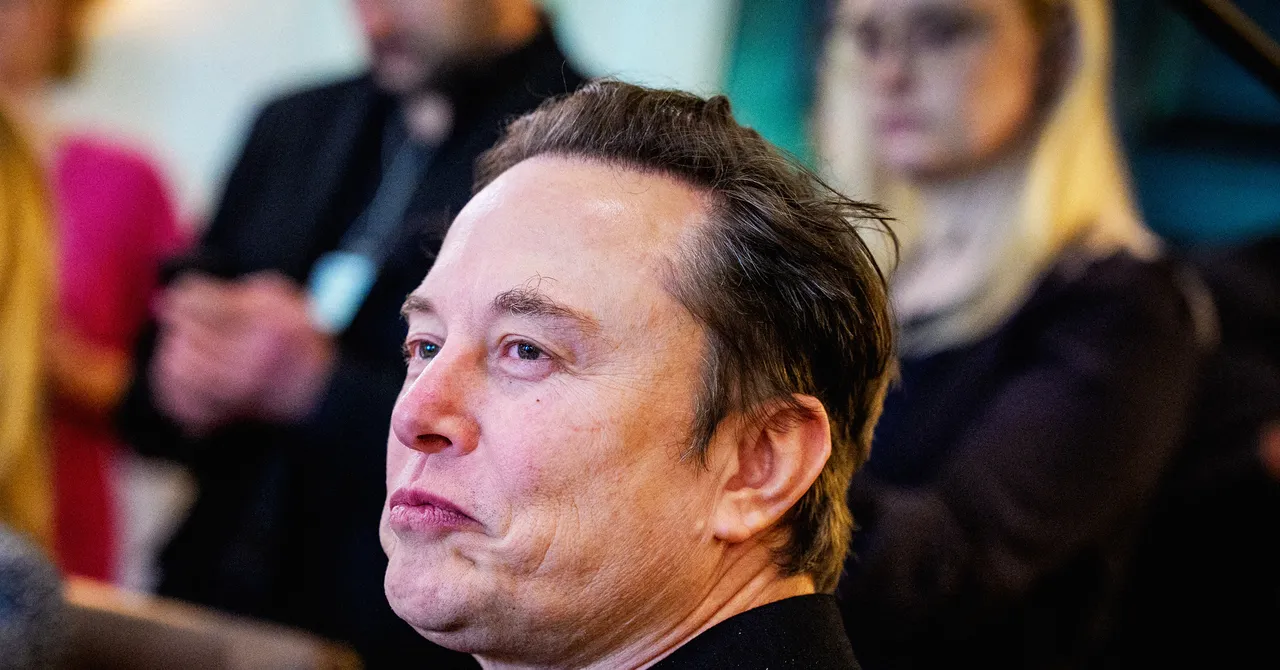
Elon Musk’s Grokipedia Sparks Controversy with Far-Right Rhetoric

In a bold move reflecting the fast-paced evolution of artificial intelligence (AI), Elon Musk’s xAI startup launched Grokipedia this week, an AI-driven alternative to the longstanding, crowdsourced encyclopedia Wikipedia. Musk’s vision appears to transcend mere information aggregation; instead, he aims to leverage advanced AI to create a “massive improvement,” aligned with the broader mission of xAI to unlock a deeper understanding of the universe. This initiative signals a profound shift in how knowledge might be curated, verified, and consumed—disrupting the very foundations of established digital information platforms.

From the outset, Grokipedia exemplifies *disruption fueled by high-stakes innovation*. Initial access hurdles and content flagged for potential propaganda reflect the intense challenges faced by revolutionary AI projects operating in a politically charged space. Once accessible, the platform was found to host lengthy, AI-generated entries, many of which diverged sharply from Wikipedia’s neutral tone. Instead, Grokipedia displayed a clear ideological slant—highlighting conservative viewpoints, critiquing mainstream narratives like The 1619 Project, and even perpetuating historical inaccuracies. Such content raises critical questions for the industry: can an AI truly deliver unbiased knowledge, or will it serve as a tool for ideological influence?

The implications of this development are significant for both *business innovation* and *industry dynamics.* As noted by tech analysts at Gartner and MIT’s Media Lab, the rise of AI-powered knowledge bases presents opportunities for emerging players to establish dominance by redefining credibility and engagement. However, this innovation also introduces risks—particularly the potential for such platforms to reinforce bias, spread misinformation, and even serve political agendas. For established giants like Google and Microsoft, the threat is clear: disruption in digital search and information delivery could shift power away from traditional search engines toward AI-centric ecosystems increasingly influenced by private enterprise visionaries like Musk.

Furthermore, the controversy surrounding Grokipedia exemplifies an industry-wide challenge: how can AI-powered knowledge platforms balance innovation with ethical responsibility? Content themes emerging from Grokipedia’s launch highlight potential for *market shifts*—notably, a move toward more polarized, ideologically driven information sources. For businesses and tech investors, this signals a crucial inflection point: those who harness AI to enhance transparency, integrity, and user engagement could command market leadership in the next era of digital information. Conversely, neglecting these pitfalls could see industry reputation and consumer trust erode quickly in the face of emerging competitors who leverage similar AI capabilities to influence public discourse.

As Elon Musk and others push the boundaries of AI’s potential, the coming years will be pivotal in shaping an information landscape that is more dynamic yet potentially more divided. Industry forecasters like Peter Thiel warn that rapid innovation must be paired with rigorous oversight to avoid pitfalls of misinformation and ideological bias. The rapid pace of AI-enabled disruption demands strategic agility—from startups to behemoth tech firms—to realize the transformative revenue and societal gains ahead. The future of knowledge is no longer static; it’s a battleground where innovation, ethics, and competitive advantage collide, urging stakeholders to act swiftly. The countdown is on—those who adapt first will dominate the next chapter of digital civilization, while others risk being left behind in the dust of obsolescence.

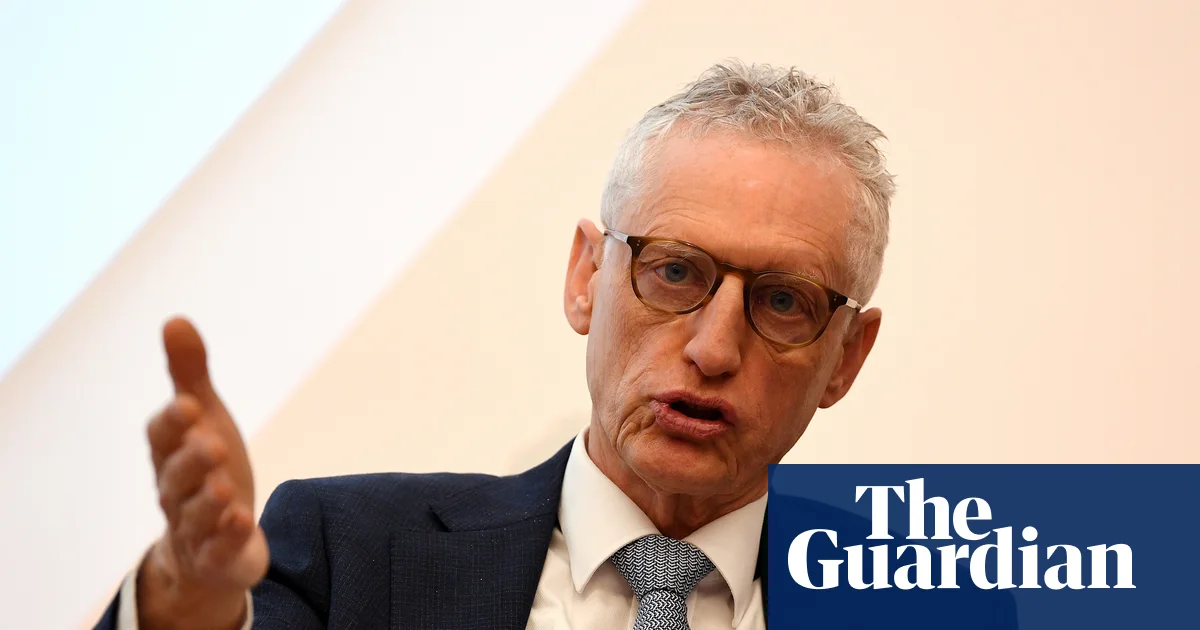
ABS Chief Pushes Back on Far-Right ‘Mass Migration’ Claims Amid Censorship Concerns

Data Integrity and Political Warfare: Australia’s Steadfast Stand Amid Global Disinformation

In an era where mis- and disinformation spread faster than ever, Australia has recently taken a decisive stand to defend the integrity of its national data. The Australian Bureau of Statistics (ABS), under the leadership of David Gruen, publicly refuted false claims made by right-wing factions about mass migration. The controversy erupted following an episode where these groups misused official figures to support inflated migration claims, despite the data showing a clear downward trend. Gruen emphasized that reliance on accurate, independent data is fundamental to a functioning democracy, warning that undermining statistical independence risks degrading democratic governance itself.

This development is not isolated; it exemplifies a broader global pattern of information warfare. Countries like China and Russia have long manipulated official data for political ends, but recent U.S. political upheavals, notably Donald Trump’s administration’s disruption of American statistical institutions, have underscored the fragile nature of data sovereignty. Across the international landscape, analysts from think tanks and organizations such as the OECD warn that the weaponization of data can distort the political discourse, influence migration debates, and sway public opinion to serve particular agendas—often at the expense of truth.

Political Battles Over Data and the Consequences for Society

  • On 22 August, ABS issued a public statement to counter claims that misrepresented migration figures, explicitly clarifying that inflows do not necessarily equate to increased population—highlighting a crucial distinction often exploited in political rhetoric.
  • The Institute of Public Affairs (IPA), a prominent right-wing think tank, accused the Albanese government of “weaponizing” the ABS, implying partisan censorship. Gruen dismissed these accusations, asserting that data is objectively presented and only contextually explained to prevent misinterpretation.
  • Universal concerns over the independence of statistical agencies reveal how deeply data integrity intertwines with national sovereignty and societal trust, especially amid rising populist movements and international misinformation campaigns.

Historians and political analysts warn that such battles over data are more than mere fights over numbers; they symbolize a larger struggle for geopolitical influence. As nations deliberate whether to tighten control over their own statistical data or to allow external voices, the decision impacts flooding to societal trust, international reputation, and the stability of governance structures. The incident in Australia reflects a turning point where independent agencies are compelled, under pressure, to defend not just data but the very foundations of democratic debate. Today’s decisions in Canberra could echo across the globe, shaping the future trajectory of how nations preserve truth amidst an onslaught of manipulated narratives.

In the Shadows of the Future

As the international community wrestles with the consequences of information distortion, one thing remains clear: the battlefield is shifting from traditional arenas into the realm of data and perception. With global institutions warning of a new age of information warfare, the resilience of independent statistical agencies becomes paramount. The unfolding debates and confrontations over data sovereignty signal an era where truth itself is a strategic asset—one that, if lost, could plunge nations into chaos, eroding trust and inciting societal fractures. With history still in the making, the weight of these decisions will resonate for generations, shaping whether societies will succumb to manipulation or stand firm on the pillars of transparency and truth.

Social Media Auto Publish Powered By : XYZScripts.com