
Matox News

Truth Over Trends, always!

UK Youth Rejecting Waste: 168 Million Christmas Lights and Fast Tech Bottling Up Environmental Damage

Environmental Concerns and Geopolitical Implications of the Wasteful Christmas Season

As London citizens bid farewell to another festive season, recent findings by the non-profit group Material Focus reveal a troubling trend that extends beyond individual consumer habits. An estimated 168 million light-up Christmas items and “fast-tech” gifts have been discarded across the UK just in the past year. This staggering figure, extrapolated from survey data, underscores a significant waste problem that:not only strains environmental resources but also highlights a global issue of reckless consumerism in the face of climate crises and international waste management challenges.

The report indicates that Brits spent approximately £1.7 billion on holiday lighting, including 39 million sets of fairy lights, alongside millions of garlands, wreaths, snow globes, and animated figures. While these items symbolize the holiday spirit for many, their disposability raises questions about the long-term impacts on the environment. The problem is compounded by the way these items are powered—often non-recyclable batteries that, once improperly disposed of, can cause dangerous fires in bins and waste centers. The incident rate of battery-related fires has surged by **71%** over the past year, emphasizing how poor disposal practices can escalate into serious safety hazards and environmental damage.

This pattern of irresponsibility has broader **geopolitical impact**—particularly in regions where waste management infrastructure is inadequate or poorly enforced. International organizations like the United Nations warn that electronic waste is the fastest-growing waste stream globally. A separate study estimates that **1.1 billion** electrical items and **450 million** batteries are irresponsibly discarded each year worldwide, often ending up in developing nations where environmental standards are woefully lax. These practices not only threaten public health but also propagate a cycle of environmental degradation, contributing to climate change and destabilizing social structures. As global citizens, policymakers and governments must confront the environmental fallout of consumer culture and address the international flow of electronic waste.

Prominent analysts, such as environmental historian Dr. Jane Williams, argue that the disposable culture fostered during festive seasons is symptomatic of a broader societal tendency toward overconsumption. She emphasizes that *“unless nations implement strict recycling regulations and promote durable, repairable products, the mounting waste will continue to have devastating global consequences.”* The UK’s efforts to promote responsible disposal—via campaigns urging proper recycling of electricals and batteries—are a phase in a larger international uphill battle against waste proliferation. The call for local accountability echoes at the global level, where international treaties and agreements must evolve to combat the rising tide of **e-waste** and prevent environmental crises that threaten to destabilize both economies and societies.

As the world stands at this crossroads, with humanity grappling with both the tangible and intangible scars of consumer excess, history reminds us of the urgent need for systemic change. Decisions made now—regarding waste management, international cooperation, and individual responsibility—will echo for generations. The dark shadow of a planet burdened by discarded light-ups and fast tech becomes a stark symbol of how fleeting traditions can have lasting, irreversible consequences. The unfolding story of environmental neglect, driven by the consumerist urges of today’s holiday season, leaves us with a haunting question: will we choose to break free from the cycle of waste and forge a sustainable path, or will history remember this as the moment when recklessness tipped the scales beyond repair?
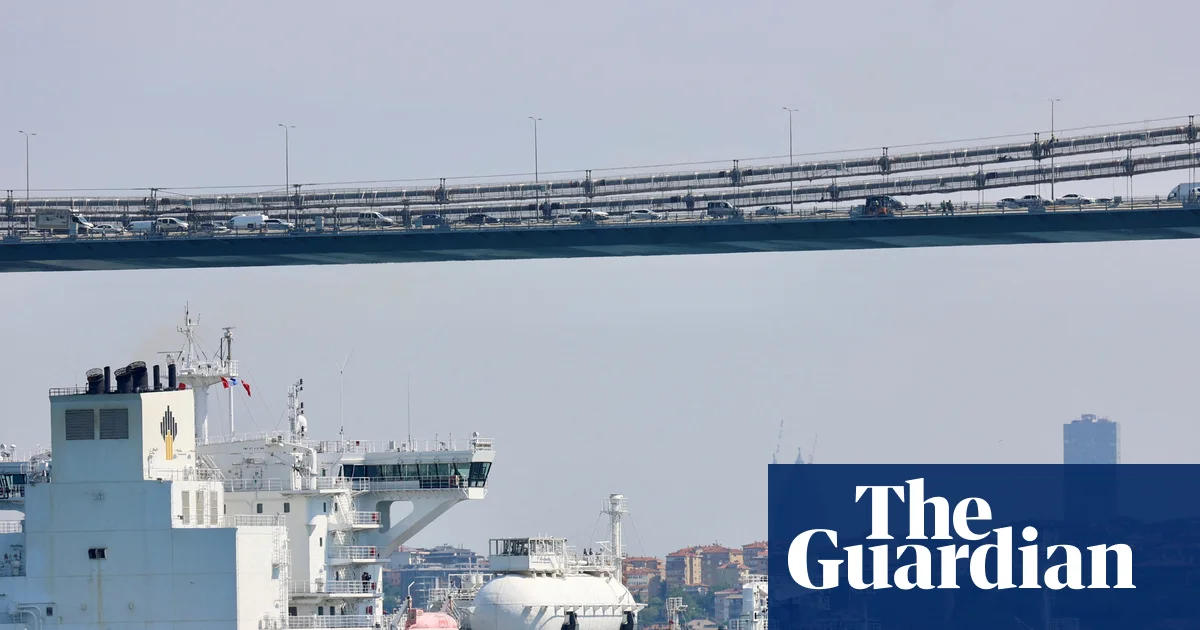

Trump’s Sanctions Hit Fast — Will Europe Stop Buying Russian Oil and Gas? | Energy Giants

In a bold move that could redefine the geopolitical landscape, Donald Trump recently imposed sweeping sanctions targeting Russia’s two largest oil companies, Rosneft and Lukoil. This strategic effort seeks to choke off Moscow’s primary revenue stream fueling its ongoing conflict in Ukraine. Analysts highlight that Trump’s decisive action marks a stark contrast to the often cautious or diplomatic approach of the European Union over the past six months. According to Tom Keatinge, the influential director at the Centre for Finance and Security (CFS), Trump’s willingness to wield the “sanctions hammer” has demonstrated a level of resolve that could have profound consequences for Moscow and global energy markets. By targeting the financial backbone of Russia’s fossil fuel exports, Washington aims to weaken Moscow’s capacity to sustain its war effort, while simultaneously asserting American influence in the international arena.

The immediate repercussions have been notable. The global oil price surged by approximately 6%, signaling a volatile reaction in energy markets. Simultaneously, Russia’s crude oil deliveries to key Asian markets—namely India and China—faced abrupt halts. Experts from the Centre for Research on Energy and Clean Air (Crea) warn that these disruptions could be financially devastating for Moscow. With over 86% of Russia’s crude exports heading to China and India since the onset of the Ukraine conflict, the potential loss of access to these markets threatens to slash Russian monthly revenues by billions of dollars—roughly $7.4 billion—impacting Kremlin’s war chest and reducing its capacity to fund its military operations. While these measures have caused a significant dip in Russian fossil fuel export revenues—down by 50% compared to September 2022—the emergency shifting of shipments through shadow tankers underscores a resilience that complicates Western efforts to fully isolate Russia economically.

This economic coercion opens a new chapter in the ongoing struggle over energy resources. While President Trump’s sanctions are targeted, their ripple effects are impacting not only Russia but also global power balances. The European Union, once heavily dependent on Russian gas and oil, now faces a paradox: a formal pledge to phase out all Russian fossil fuel imports by 2027, yet continued reliance on existing supplies. Major EU nations like Hungary and Slovakia persist in importing Russian gas, with France, Belgium, and the Netherlands maintaining residual ties. This persistent dependence has drawn sharp criticism from analysts and historians alike, who argue that Europe’s reluctance to fully sever ties with Moscow constitutes a “disgraceful stain” on its geopolitical integrity. The EU’s ongoing reliance on Russian LNG—comprising approximately half of Russia’s LNG exports—ensures that, despite political rhetoric, Moscow continues profiting from Europe’s energy needs, thus prolonging the conflict’s human toll and undermining efforts for a sustainable peace.

Most revealing is the long-term strategic gamble Trump’s approach epitomizes: leveraging economic measures to foster peace and realign global energy flows. While critics warn that much depends on strict enforcement and response from other energy-dependent nations, some analysts, like Keatinge, remain cautiously optimistic. “Never bet against Trump,” he states, hinting at the unpredictable yet potentially transformative power of decisive leadership. As the world watches, the unfolding confrontation over fossil fuels echoes an enduring truth: the decisions made today forge the legacy of future generations. Whether the sanctions will finally curtail Moscow’s war machine or simply accelerate a shadowy fight in the shadows of the global oil trade, one thing remains clear—history is being written in the oil fields and on the geopolitical stage, and the outcome will shape the fate of nations for decades to come.

France’s Frustration Mounts Over Shein’s Fast Fashion Frenzy

Shein’s Bold Leap Into France: A Turning Point in Global Fast Fashion

In a striking display of how geopolitical shifts and market forces intertwine, Shein, the Chinese-founded fast fashion juggernaut, is venturing into the heart of France’s renowned fashion industry. Despite vocal opposition—evidenced by graffiti calling out exploitation and forced labor—Shein announced plans to establish permanent stores within prestigious district names like Galeries Lafayette and BHV in Paris. This move reflects a broader strategy, emphasizing the company’s relentless drive to dominate global markets, even in societies with rich cultural traditions of craftsmanship and durability. Such expansion signifies more than mere retail growth; it underscores a paradigm shift in how international trade, labor practices, and cultural values collide and influence societal landscapes.

The Cultural Clash and Economic Power Play

Historically, France has revered its tradition of quality craftsmanship and the idea of objects—clothing included—being treasured and passed down through generations. Yet, the rise of ultra-fast fashion like Shein disrupts this ethos by promoting ephemeral trends, rapid turnaround, and mass production, often in questionable supply chains. Analysts highlight that Shein’s model—listing thousands of new items daily and shipping directly from Chinese factories—marks a decisive break from France’s traditional approach, which valued savoir-faire and sustainability.

Despite widespread protests, including a petition with over 270,000 signatures seeking to ban Shein, economic realities prove compelling. In 2022, Shein posted net profits exceeding $1 billion, bolstered by its ability to rapidly flood markets with trend-driven apparel. This aggressive growth highlights how geopolitical influence and market deregulation create space for transnational corporations to undermine local industries—challenging France’s cultural identity and economic sovereignty.

Globalization, Labor Criticism, and Cultural Resistance

Critical scrutiny of Shein’s supply chain reveals allegations of forced labor and child exploitation—issues the company publicly denies but cannot entirely dispel. Critics, including renowned historians and industry observers, warn that such practices threaten to tarnish global trust and reinforce a narrative of exploitation embedded within the fabric of fast fashion. The debate echoes the history of France’s own textile districts, like Sentier, which once thrived on local production but ultimately succumbed to international competition and delocalization efforts by major brands like Zara and H&M.

These developments serve as a stark warning: the fragile balance between economic growth and moral responsibility is under threat, with societal values—particularly those centered around environmental sustainability and fair labor—being pitted against the immediacy of consumer demand. The pushback from cultural institutions and consumers alike demonstrates that in a globalized economy, the decisions of corporate giants can sway national identity and social cohesion, often at tremendous cost.

The Future of Fashion and Society’s Role in Shaping It

Industry insiders and academics stress that regulation alone cannot undo the inherent overproduction and disposable culture that companies like Shein have engineered. Instead, they call for a fundamental reimagining of fashion—moving toward durability, repairability, and a respect for craftsmanship. France’s historic tradition of keeping objects and valuing savoir-faire could serve as a blueprint for resisting the commodification of clothing in the digital age.

As the story of Shein continues to unfold, so too does the larger narrative of international power, cultural resilience, and ethical responsibility. The choices taken at this juncture—whether to accept the relentless tide of ultrafast capitalism or to champion a renewed respect for tradition—will shape the legacy of generations to come. With history echoing from the past and the future still unwritten, the world watches as the forces of globalization threaten to redefine the fabric of society itself—fast, fleeting, and yet, profoundly consequential.

Social Media Auto Publish Powered By : XYZScripts.com



