Matox News

Truth Over Trends, always!

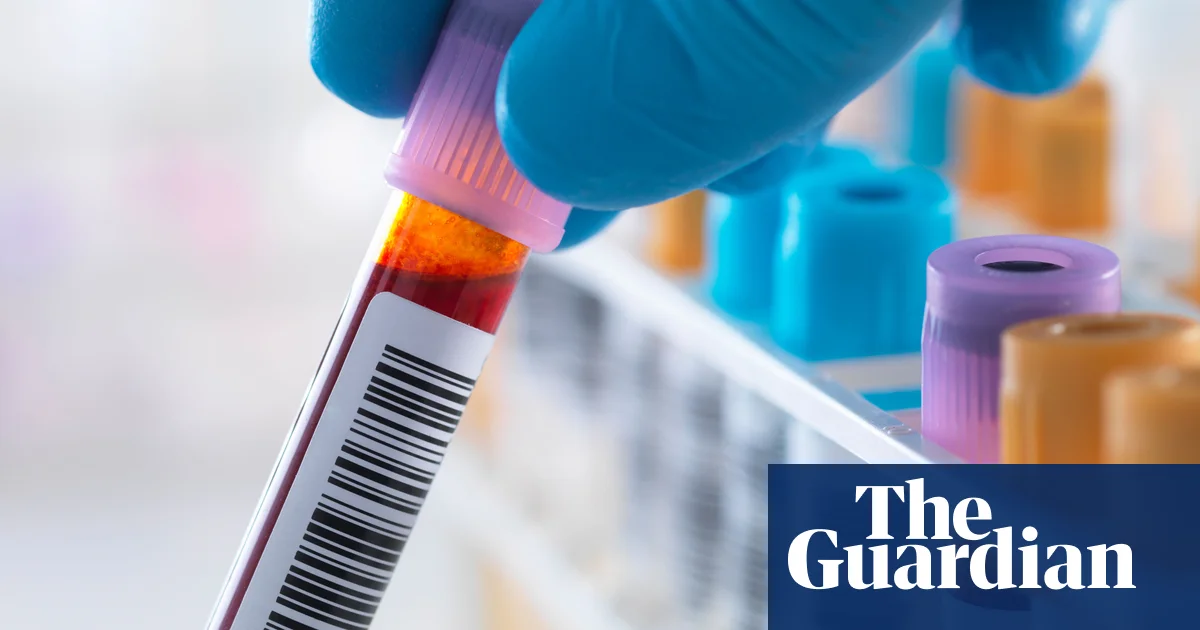
Scientists Unveil First Reliable Blood Test for Chronic Fatigue Syndrome—A Win for Society and Youth Wellness

In a significant development that could reshape the landscape of healthcare and social support for families affected by chronic illness, scientists have announced the creation of what may become the world’s first reliable blood test for myalgic encephalomyelitis, commonly known as chronic fatigue syndrome (ME/CFS). For decades, this debilitating condition has eluded objective diagnosis, leaving millions of Americans and Europeans to navigate a maze of symptoms that often lead to misdiagnosis or outright dismissiveness from medical authorities. The absence of concrete tests has profound consequences, not only for patients’ physical health but also for their families and communities, who often bear the emotional and financial burden of a misunderstood illness.

Social commentators and medical professionals have long pointed out that the absence of definitive testing contributes to a damaging societal neglect of ME/CFS sufferers. Many individuals told their symptoms are “all in their head,” a dismissive attitude that can cause isolation and despair. The potential development of a blood test to identify ME/CFS offers a promising avenue for early diagnosis and intervention, which could dramatically alter the trajectory of affected lives. As noted by Prof Dmitry Pshezhetskiy of University of East Anglia, this discovery holds the promise of transforming how this complex disease is diagnosed and managed, providing relief to countless young people, working adults, and families who have suffered in silence for years.

Nevertheless, the path from promising scientific discovery to practical application remains fraught with hurdles. Experts such as Dr. Charles Shepherd of the ME Association urge caution, emphasizing that the *sensitivity* and *specificity* of the test must be rigorously validated across diverse populations and disease stages. Concerns over premature claims echo through the scientific community, highlighting the importance of cautious optimism. Nonetheless, sociologists and health advocates underscore that breakthroughs like this have the potential to reinstate hope and dignity among those marginalized by inadequate healthcare systems. The societal challenge lies not only in developing tests but also in ensuring equitable access, especially for working-class communities who often suffer disproportionately from systemic neglect.

The social fabric of society, particularly in youthful populations, is increasingly shaped by these ongoing struggles. As education institutions grapple with integrating comprehensive health curricula and fostering understanding of invisible illnesses, families stand at the frontline of societal resilience. The societal emphasis on technological progress and scientific validation must go hand in hand with addressing the moral imperative of supporting the most vulnerable. This challenge invokes historical debates about the moral responsibilities of society—should we be content with the hope generated by a new test, or push for it to be swiftly integrated into clinics, so that the promise does not become a disappointment?

Ultimately, the story of this scientific breakthrough is a poignant reflection of society’s ongoing struggle to reconcile technological innovation with ethical responsibility. It echoes a broader societal challenge: how to ensure that justice, compassion, and equity are woven into the fabric of health care, education, and community support. As history teaches us, the true strength of a society emerges in how it lifts up those marginalized by invisible burdens, transforming scientific hope into tangible, everyday relief. In this moment of potential progress, society faces a choice—continue to chase the mirage of perfect solutions, or unite to create a future where no one is left behind in the shadows of misunderstanding. The hope for this new blood test is not just for early diagnosis, but for a society that finally recognizes and responds to the silent suffering among us, with unwavering resolve and compassionate action.
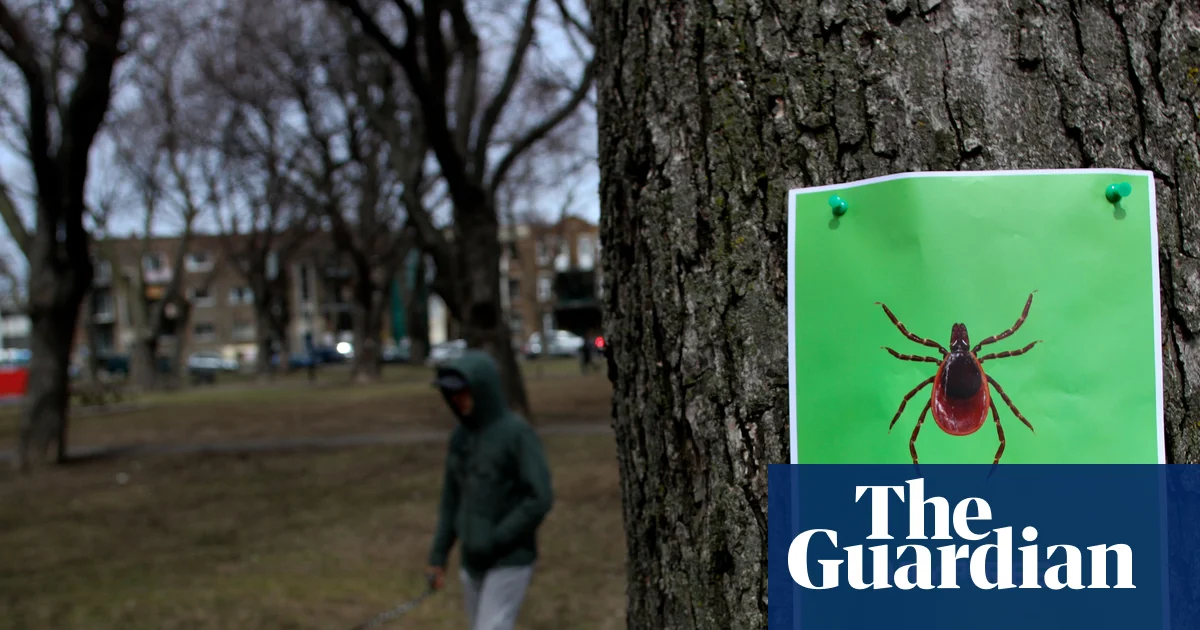

NHS Falls Short on Chronic Fatigue and Lyme Disease Care for Our Youth

Modern society is grappling with a complex web of social issues that extend far beyond individual ailments, affecting the very fabric of families, education, and community life. Recent stories, such as that of fourteen-year-old Milly, highlight how medical system failures and misunderstood health conditions create ripple effects through households, undermining trust and resilience. Milly’s ongoing battle with chronic fatigue syndrome, later diagnosed as Lyme disease, exemplifies the urgent need for a comprehensive and nuanced approach to health. Her father, Patrick Barkham, reflects a sense of guilt intertwined with disappointment in the NHS, which, despite advances, still falls short in effectively diagnosing and managing complex, often invisible, illnesses.

Researchers and social commentators warn that medical gaslighting and ineffective treatments disproportionately harm vulnerable communities and undermine societal trust. For conditions like ME/CFS and post-viral syndromes, official guidelines have shifted away from harmful approaches such as graded exercise therapy, after evidence revealed that such methods often exacerbate patient suffering. Instead, knowledge-based, mind-body interventions—that regard the interaction between thoughts, feelings, and biological responses—offer a more humane and effective path forward. Yet, the lack of awareness and proper implementation leaves many patients feeling misunderstood, isolated, and stigmatized. As historian and social critic Dr. Maria Pedersen notes, these systemic failings threaten the psychological well-being of families and the cohesion of our communities.

Beyond individual health crises, the intersection of societal neglect and environmental degradation plays a pivotal role in the emergence of tropical diseases and insect-borne illnesses. Diseases like Lyme, West Nile virus, and chikungunya have historically been ignored by mainstream medical research, despite their devastating impact. Allison DeVries, an environmental advocate, emphasizes that biodiversity and ecological health are intertwined with human health. As our landscapes change and biodiversity declines, the risk of zoonoses and vector-borne diseases increases, threatening families and communities living on the frontlines of these shifts. The challenge lies in balancing technological advancement with ecological preservation—an issue that sociologists and environmentalists alike argue must be at the core of future policies.

Addressing these intertwined social and health issues requires a societal overhaul—investments in education, healthcare equity, and environmental stewardship. Advocates propose a multi-faceted strategy: strengthening local healthcare systems, fostering community awareness about emerging health threats, and integrating environmental practices that sustain biodiversity. For families torn apart by illness and social uncertainty, these solutions could restore faith in societal institutions and promote resilience. Sociologist Mark Granovetter’s theory of social networks underscores a vital point: community cohesion and trust are essential buffers against social fragmentation. Building that sense of shared responsibility and hope may be society’s most profound challenge—and its greatest opportunity.

Ultimately, society must confront its deepest vulnerabilities with the resolve of those who refuse to accept a world defined by neglect and fragmentation. Milly’s story reminds us that beneath the statistics lie human lives—fragile, seeking understanding and compassion. The society we forge from these lessons has the potential to become a resilient tapestry, woven with empathy, knowledge, and environmental care. Perhaps, in acknowledging our collective shortcomings, we open pathways to healing—not just for individuals like Milly, but for the society as a whole, ensuring future generations inherit a world where health, trust, and community are restored—and where hope perseveres amidst the shadows of social change.

Social Media Auto Publish Powered By : XYZScripts.com


