Matox News

Truth Over Trends, always!

US Economy Surprises by Losing 92,000 Jobs in February

In a startling development that has sent shockwaves through international markets, recent economic data reveals a significant contraction in employment across multiple sectors worldwide. The latest payroll figures, which traditionally serve as critical indicators of economic health, demonstrate a decline in employment numbers that was unforeseen by most analysts. Experts from leading financial institutions and policy think tanks suggest that this contraction signals a potential turning point in the global economic cycle, raising the specter of a prolonged downturn.

Notably, the decline affected almost every major sector—manufacturing, services, technology, and retail—indicating a broad-based downturn rather than a localized problem. This decline raises urgent questions about the resilience of the global economy, especially considering the persistent inflationary pressures and geopolitical tensions that have been fueling uncertainties in recent months. Global institutions such as the International Monetary Fund (IMF) and the World Bank have sounded cautious warnings, emphasizing that policymakers must remain vigilant in managing liquidity and supporting growth. Meanwhile, national governments find themselves caught between the need to stimulate employment and the constraints of fiscal responsibility, complicating efforts to cushion the blow for workers and businesses alike.

The unexpected contraction underscores how interconnected and fragile today’s geopolitical landscape has become. As economies grapple with the ripple effects of trade disruptions, energy crises, and geopolitical conflicts, the repercussions of these employment declines extend far beyond national borders. Historians and market analysts warn that such a widespread contraction could undermine consumer confidence, diminish investment, and provoke social unrest. In Europe, for example, policymakers are increasingly attentive to persistent economic stagnation, wary that continued declines could fuel populist sentiments and political upheaval. Conversely, in the United States, lawmakers face mounting pressure to enact measures to safeguard jobs, with debates intensifying around stimulus packages and labor reforms.

As the world economy teeters on the edge of an uncertain future, the implications of these employment figures transcend mere statistics. They symbolize the broader geopolitical shifts currently shaping global power dynamics, economic resilience, and social stability. With every sector affected and every nation watching anxiously, the unfolding chapter of this economic saga leaves a profound question lingering: how will leaders navigate the turbulence ahead, and what legacy will they forge amid the chaos? The answer remains unwritten, but history’s weight presses heavily on this moment’s shoulders, reminding us that the decisions made today will echo through generations to come.
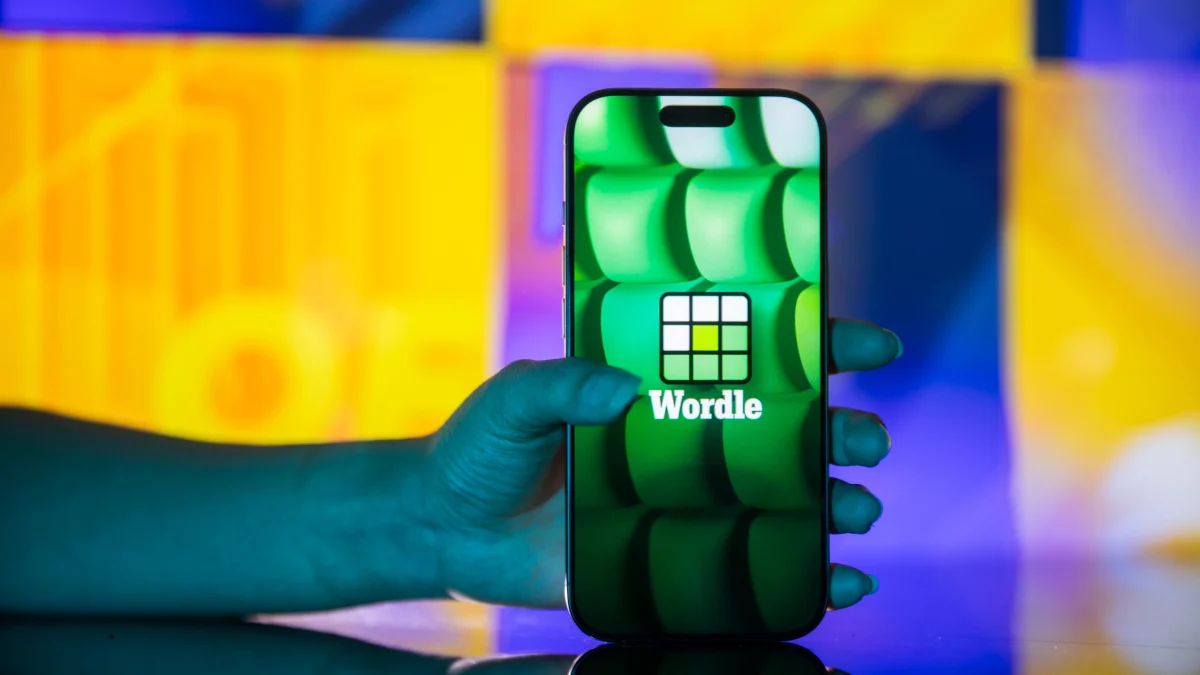
Wordle Alert: Today’s Answer & Top Tips for February 17, 2026—Stay Ahead of the Trend!

In recent months, the word puzzle craze known as Wordle has transcended simple entertainment to become a significant social and cultural phenomenon. Originally created as a personal challenge, it swiftly gained momentum across social media platforms, particularly TikTok and Twitter, where users share their daily results and tactical strategies. The game’s rapid rise caught the attention of influencers, sociologists, and analysts, who see in it a reflection of contemporary society’s thirst for quick mental engagement and community-oriented activities in the digital age.

What makes Wordle extraordinary isn’t just its addictive nature but its ability to foster a shared cultural experience. Players worldwide connect through common language puzzles, creating a new form of collective participation. The game’s simplicity—solving a five-letter word within six guesses—belies its deep social relevance. As Mashable reports, the game was so popular that it was acquired by the New York Times—a testament to its cultural significance. The platform has become a virtual meeting ground, where daily victories and frustrations are openly shared, fueling a sense of identity rooted in intellectual engagement and social bonding.

Moreover, the influence of Wordle’s reach extends beyond casual players. Prominent influencers and community creators have livestreamed their attempts, turning individual puzzles into shared events. Sociologists analyzing trends suggest that this reflects a broader societal shift—an increasing desire for accessible yet meaningful social activities in an era of digital overstimulation. Cultural analysts point out that through its simple rules and communal sharing, Wordle taps into a need for authentic connection, which many feel is missing in our highly commercialized online interactions. Furthermore,

  • It encourages critical thinking and pattern recognition amidst a wave of fast-paced content consumption.
  • It reinforces a collective identity in communities that span borders and languages.
  • It sparks friendly competition, often leading to intergenerational and peer-based dialogues.

As we see this trend solidify, questions emerge about what this indicates for the future of social gaming and digital culture. Could Wordle merely be a fleeting viral stunt, or does it herald a new chapter where traditional social bonds are reimagined through simple, brain-teasing communities? The next step might involve examining how such minimalist games influence not just entertainment but also societal perceptions of intelligence and social cohesion. As young audiences continue to shape their online identities, the critical question remains: Will these shared puzzles evolve into more substantial social movements or remain a transient cultural blip?

Jess Cartner-Morley’s February Style Must-Haves: Bold Jumpers, 24-Hour Earrings, and the Ultimate Flattering Tee

The landscape of youth lifestyle and fashion in 2026 is clear: an evolving desire to blend tradition with modernity. From the resurgence of classic wardrobe staples infused with contemporary twists to niche wellness practices breaking into mainstream consciousness, today’s trendsetters are hacking cultural norms and redefining social relevance. Influencers and sociologists alike are watching as this generation seeks authenticity not just in products but in societal expressions—highlighted by a preference for high-quality, yet accessible, brands that embody craftsmanship and ethical integrity.

Take, for example, the rising popularity of Spanish handbag label Mercules. Helmmed by a designer formerly with Loewe, these pieces are made from premium Spanish leather, balancing minimalist design with sensible pricing. Their Foxy bag, particularly in their terracotta ‘tile’ shade, has become an emblem of understated luxury—favoring quality over ostentation. Meanwhile, in fashion, shirt collars have become a canvas for individual expression. The Boden Sienna shirt with a jewel collar exemplifies this shift, offering a blend of whimsy and elegance that layers effortlessly into everyday style. It signals a move toward accessories and details that elevate simple garments, convincing a younger audience that everyday wear can be both functional and statement-making.

In the wellness sphere, functional mushrooms like lion’s mane are transforming from fringe health hacks into mainstream staples. Companies like Superoom have crafted clinically tested tinctures, organically grown in Finland, which promise benefits from increased focus to enhanced sleep—fitting into a societal narrative that prioritizes mental clarity and holistic well-being. This mushroom market, often accused of being a chaotic wild west, is now being curated by reputable brands, signaling a desire among youth to integrate health regimes that are not only effective but also display-worthy, on display in aesthetically designed bottles that double as decor. The viral buzz around these remedies underscores a social relevance: youth are actively curating their wellness routines to align with principles of authenticity, efficacy, and style.

Meanwhile, style in 2026 is about challenging conventions. The Me+Em raglan tee, with its elbow-length sleeves that mimic sportswear’s practicality, offers a contrast to the ultra-fitted fast fashion it replaces. Its design, informed by real women, embodies a new wave of considered fashion—less about catching fleeting trends and more about investing in pieces that speak to comfort and intentionality. This aesthetic extends beyond clothing to accessories, with viral earrings like the Orelia mini chain huggie hoops symbolizing a shift toward versatile, long-wear jewelry that accentuates yet complements individuality.

As the youth of 2026 navigate a culture that values craftsmanship, authenticity, and societal impact, the big question remains: what’s next in this cultural evolution? Will brands that succeed be those that not only tap into trends but actively shape the narrative around sustainability, individuality, and mental health? Or are we on the brink of a deeper societal shift where the line between consumer and creator blurs, leaving society to ask whether the next big thing will be a product, a movement, or perhaps a new way of defining community itself? As lifestyle trends continue to accelerate and intertwine, the real challenge for this generation is not just in what they choose to wear or consume, but in how they redefine the cultural landscape in the years to come.

Discover 50% Off DoorDash with This February 2026 Promo—Save Big, Eat Easy!

DoorDash’s Evolution: Disruption, Innovation, and Future Business Implications

In a landscape defined by rapid technological disruption, DoorDash emerges not merely as a food delivery service but as a pioneering force in shaping the future of consumer interaction and retail logistics. The company’s recent advancements—ranging from expanded dine-in capabilities to strategic partnerships—underscore a broader shift towards integrated on-demand experiences that cater to a digitally native demographic eager for convenience and personalized rewards. According to industry analysts at Gartner, companies that innovate beyond their core offerings are set to dominate the emerging *hypermobility* economy, where seamless user engagement is paramount.

DoorDash’s latest initiatives, such as the Going Out program, exemplify a disruptive approach by blending traditional dining with app-based reservations and loyalty rewards. This move signifies a fundamental transformation of the restaurant experience, driven by hyper-personalization and data-driven loyalty mechanisms. By allowing customers to book, earn incentives, and receive exclusive in-store benefits through a single platform—initially in metropolitan hubs like NYC and Miami—DoorDash is strategically positioning itself at the intersection of e-commerce, hospitality, and social commerce. This integrated approach is poised to challenge rudimentary delivery models, pushing competitors to innovate rapidly or risk obsolescence.

From a business perspective, these innovations have profound implications. The company’s aggressive promotional strategies, including free delivery offers and substantial DashPass discounts, serve as a gateway to increasing user engagement. Partnerships such as the Chase partnership for three months of free DashPass reflect strategic moves to lock in customer loyalty while expanding market penetration. Moreover, DoorDash’s embrace of subscription-based models, like DashPass, aligns with emerging consumer preferences for subscriptions and recurring engagement, which are predictions shared by MIT researchers exploring future retail ecosystems.

From a broader industry standpoint, these advancements signal a shift in competitive dynamics. Major players such as Uber Eats and Grubhub are responding by increasing their own investments in hybrid retail concepts. This trend not only fuels disruption but also accelerates the push towards a new retail paradigm—where delivery, dine-in, and social experiences are seamlessly integrated within a single digital platform. As Elon Musk emphasizes, innovation thrives on “cross-industry synergy,” and DoorDash’s multi-faceted approach exemplifies this principle. In the coming years, if these strategies prove successful, the implications could extend beyond food delivery, fundamentally transforming retail, hospitality, and even urban planning.

With these developments happening now, the urgency for established players and startups alike is clear. The fight for market share in the on-demand economy is intensifying, with innovation set to redefine consumer expectations. As industry experts warn about *technology fatigue* and *market saturation*, the companies that leverage disruption, innovate rapidly, and harness data-driven loyalty will carve out dominant positions. DoorDash’s trajectory indicates a future where on-demand convenience is not just about delivery—it’s about creating integrated, personalized, and incentivized ecosystems that prioritize consumer loyalty and operational agility. Now is the moment for stakeholders to watch closely: the next chapter of digital commerce is unfolding, and those who act swiftly will dictate the pace of tomorrow’s retail revolution.

Social Media Auto Publish Powered By : XYZScripts.com