Matox News

Truth Over Trends, always!

New records reveal US citizen shot by federal immigration agent last year—under Trump admin

Unveiled Tragedy: The Deadly Shooting in Texas and Its Geopolitical Ramifications

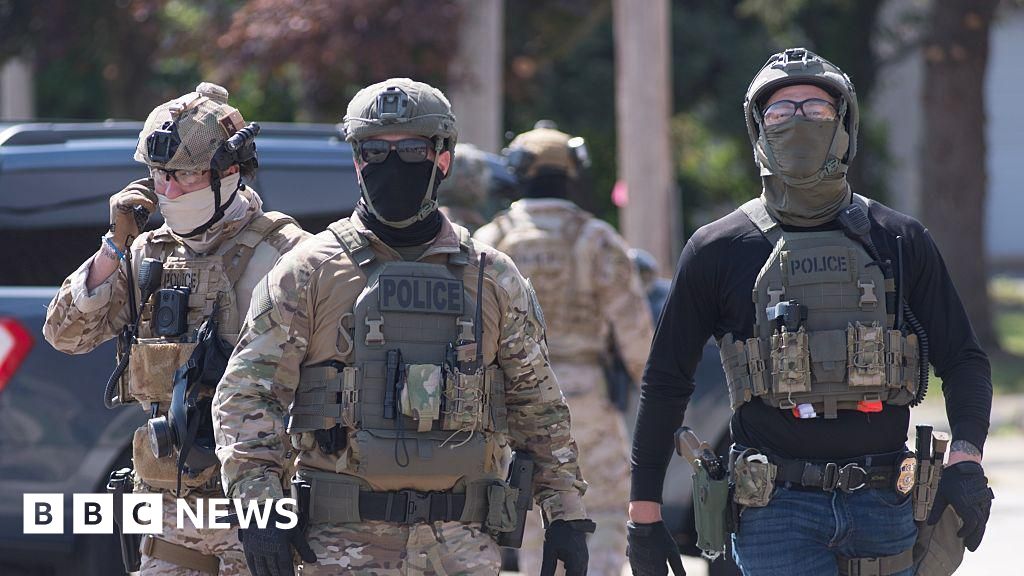
In a case that embodies the murky intersection of domestic law enforcement and international border security, newly released records reveal a US citizen, Ruben Ray Martinez, was fatally shot last year by a federal immigration agent during a late-night traffic stop on South Padre Island. The incident, which took place in March 2025, remained under wraps for nearly a year, with authorities only releasing fragmentary details amid mounting questions about transparency and accountability. This tragedy is not an isolated event but part of a broader pattern—at least six deadly shootings by federal officers since the inception of a nationwide immigration crackdown under President Donald Trump’s administration. Such episodes illuminate an unsettling shift in the role of federal agencies in domestic law enforcement and raise pertinent questions about the impact on civil liberties and sovereignty.

From the perspective of international security and geopolitical impact, the incident underscores how U.S. immigration policies directly influence internal stability and perceptions abroad. As U.S. agencies intensify operations in territories bordering Mexico, especially amid the ongoing migration crisis, the risk of escalation and miscalculation increases. Analysts warn that such internal violence, often shielded from public scrutiny, can be exploited by foreign adversaries to undermine U.S. authority in the region. Moreover, controversies surrounding the incident have already ignited local protests and sparked accusations of excessive force—a phenomenon that echoes criticisms historically levied by international watchdogs against U.S. law enforcement.

According to documents obtained by

  • American Oversight

, the incident involved a Homeland Security Investigations (HSI) team collaborating with local police—highlighting the expanding role of federal agencies in routine law enforcement, especially in high-tension borders and tourist destinations. The shooting occurred after the driver, Martinez, allegedly accelerated towards an agent, prompting the latter to fire multiple rounds. Details remain scarce, with the names of the agents involved redacted; however, the incident raises crucial questions about treatment of civilians in police encounters and the lack of transparency that often accompanies federal operations. This opacity risks fueling distrust in institutions charged with enforcing the country’s laws, especially among communities of Hispanic descent, which are disproportionately targeted in immigration enforcement efforts.

From a broader geopolitical stance, international organizations like the United Nations and Human Rights Watch have long criticized such internal violence, framing it as symptomatic of a deeper crisis—that of mass migration, border security, and national sovereignty. Meanwhile, the U.S. government faces mounting pressure from segments of the media and political spectrum to justify these aggressive enforcement tactics. As historians and policy analysts observe, each of these incidents forms part of a larger narrative that could redefine America’s domestic and international stature. Will the nation address these underlying issues or continue on its current trajectory, risking further escalation and international condemnation? The unfolding story of Ruben Ray Martinez’s death remains a critical warning—one that signals a reckoning on questions of justice, policy, and power that will shape the fabric of the nation for decades to come.
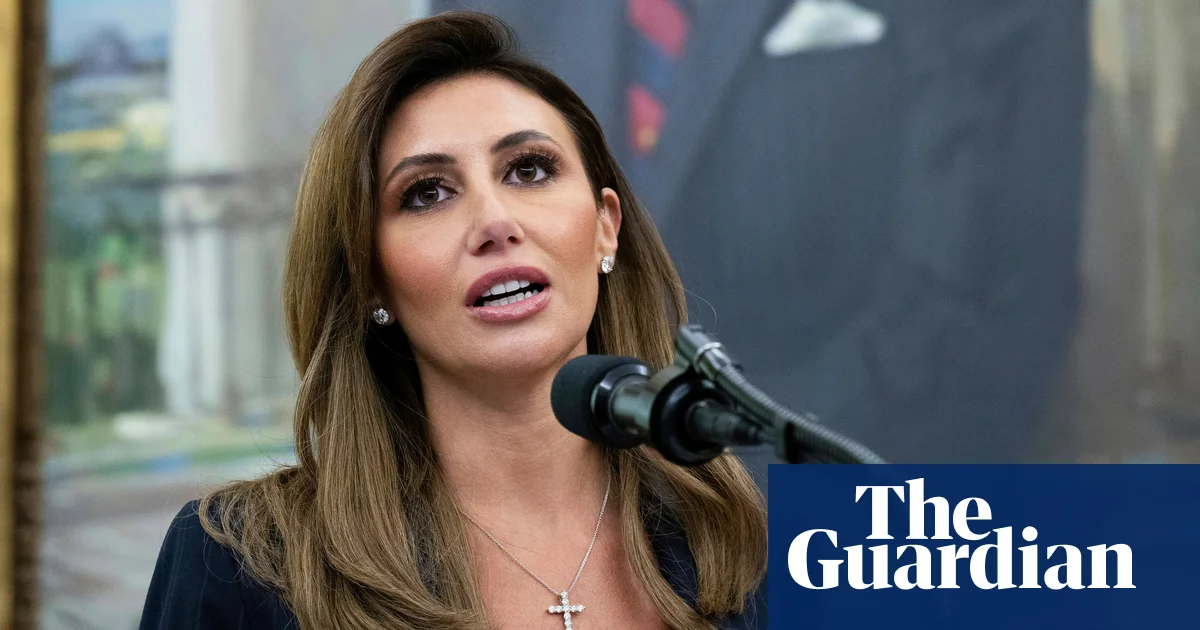
Former Trump lawyer Alina Habba departs as NJ federal prosecutor, signaling shift from Trump era

The recent resignation of Alina Habba, the former lawyer for Donald Trump, from her position as a federal prosecutor in New Jersey underscores a troubling trend in the U.S. justice system’s politicization. Her departure follows a series of judicial rulings that deemed her appointment unlawful—a move that highlights ongoing struggles over administrative legality and executive authority. Despite maneuvering by the Trump administration to preserve her role even after her interim appointment expired, the judicial branch reaffirmed limits on political interference in federal appointments. This development signals deeper conflicts over the role of law and order in America’s current partisan landscape and raises questions about the implications for the rule of law across the nation.

This episode is not merely about one individual but reflects a broader power struggle between incoming and outgoing administrations. Federal judges in New Jersey stepped in to rectify what they considered an unlawful appointment, forcing the Department of Justice to reconsider its approach to political staffing.

  • Michael Bitzer, a political analyst, warns that such judicial rulings could set a precedent that limits partisan appointments, possibly paving the way for increased judicial oversight in federal staffing decisions.

Meanwhile, Trump voiced his concern over the breakdown of the “blue slip” — a tradition allowing home-state senators to vet judicial nominees—claiming it has been exploited to block Republican appointees. His remarks point to an increasingly polarized confirmation process that complicates the functioning of federal institutions and further destabilizes the balance of power.

On a broader international scale, this internal U.S. debacle reflects the increased geopolitical consequences of internal political instability. The United States remains a pivotal actor on the global stage, and its ability to project power hinges on its internal coherence. The reluctance or outright refusal to confirm qualified judicial and executive appointees is viewed by many overseas analysts as a sign of weakening American governance. This perceived decline could embolden rival powers like China and Russia to challenge U.S. influence, especially in regions where American credibility depends on its adherence to legal and institutional norms. Historically, internal dysfunction has often been exploited by emerging powers seeking strategic advantages in a multipolar world.

As historians and international organizations warn of the dangers inherent in politicized institutions, the culminating events in Washington serve as a stark reminder that the course of history is still being written. The decision whether to uphold the rule of law or succumb to partisan expediency will determine not only the fate of America’s legal order but also its capacity to serve as a beacon of stability and justice worldwide. In this moment, the world watches as the foundational pillars of American democracy are tested—could this be the beginning of a new chapter marked by resilience, or a descent into chaos, the echoes of which will resonate across generations?

US Senate Moves Toward Vote to End Historic 2025 Federal Shutdown

US Political Deadlock Threatens Broader Stability and Global Markets

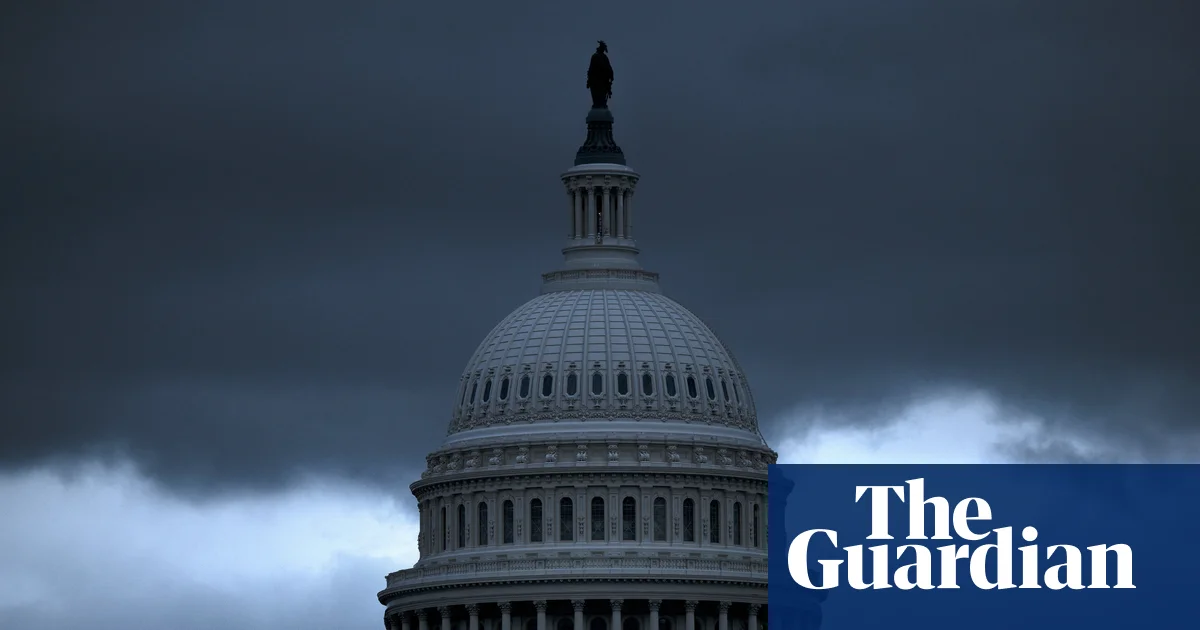
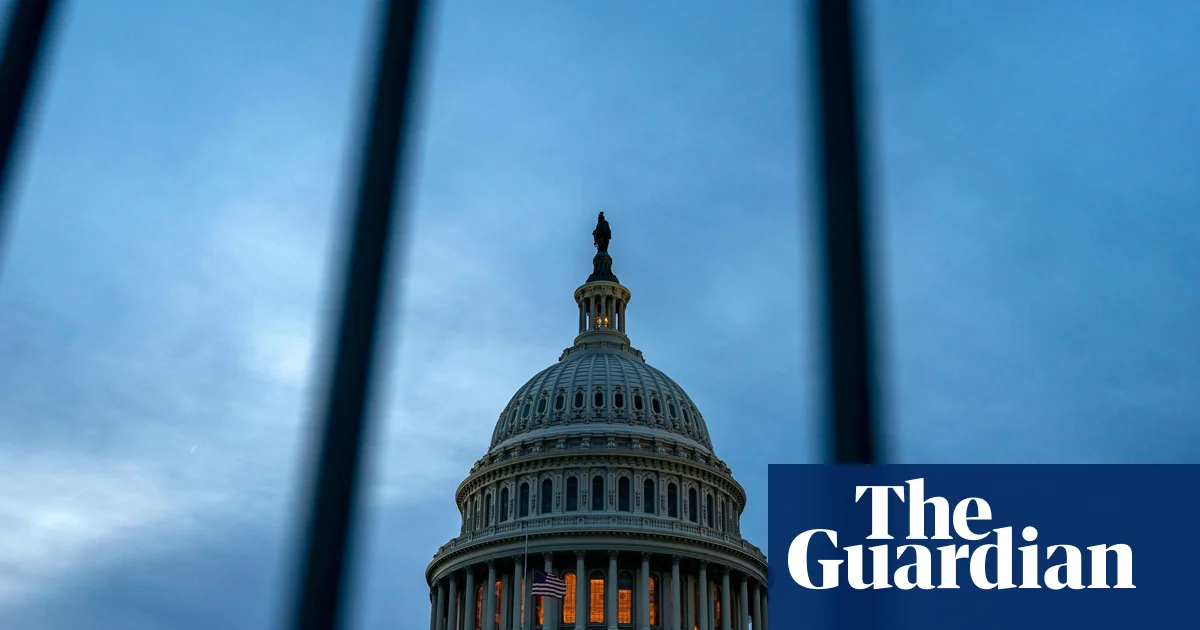
The United States finds itself at a critical juncture as the 40-day federal shutdown continues to demonstrate the deepening partisan divide within its borders. The US Senate is now on the brink of an historic vote aimed at reopening the government, but the negotiations reveal far more than mere government funding. Underneath the surface, this impasse underscores a broader struggle over the nation’s policy direction, especially concerning healthcare and fiscal responsibility. The looming possibility of a temporary stopgap measure, combined with politically contentious negotiations over the Affordable Care Act subsidies, highlights how internal U.S. politics are increasingly driven by intra-party brinkmanship, with real-world consequences for millions of Americans.

Key players like Senate Democrats and House Republicans are engaged in a high-stakes chess match, with each side wielding leverage over the other. Democrats demand the extension of healthcare subsidies, framing the issue as a matter of protecting vulnerable populations—a stance endorsed by many analysts and human rights organizations who warn of a looming healthcare crisis. Conversely, Republicans like Mike Johnson, the House speaker, refuse to extend these subsidies without concessions, often citing concerns over government spending and the avoidance of what they term “costly entitlements.” The dispute has turned the legislative process into a battleground, threatening not only domestic stability but also challenging vertical and horizontal trust in U.S. democratic institutions. As historians warn, prolonged political crises such as these can erode the nation’s political capital, with skies darker than ever over Washington’s ability to govern effectively.

The repercussions, however, extend well beyond America’s borders. A key geopolitical impact involves the destabilization of global markets, especially as international investors grow wary of a nation beset by internal chaos. The US plays an outsized role as a global economic leader; disruptions here ripple through currencies, stock markets, and foreign alliances. Numerous analysts suggest that the prolonged shutdown could threaten the stability of allied economies, particularly those closely linked through trade and security agreements. The ongoing chaos also complicates diplomatic negotiations with China, Russia, and other major powers—each watching to exploit any perceived weakness. The World Bank and IMF have issued cautious statements, warning that internal US conflicts risk undermining global economic resilience, particularly in fragile emerging markets.

Despite the political theatrics, the real at-risk group is the average American citizen. Reports indicate that federal workers and families relying on social programs like SNAP are suffering mounting hardships, with food insecurity spreading. The crescendo of this crisis may well mark a turning point in US social policy: many experts warn that if the current trajectory persists, a more divided and socio-economically fractured society will emerge. International voices—notably from OECD member nations—point out that internal US instability feeds into a global narrative of declining American influence. As history looms large, the question persists: will bipartisan leaders be able to craft solutions to heal their fractured nation or will enduring conflict cast a dark shadow over the unfolding pages of history?

In the final analysis, the US political crisis encapsulates an era of uncertainty, one in which decisions made within Capitol Hill ripple outward with profound implications. As negotiations hang in the balance, the world watches, waiting for the moment when American democracy will either pull back from the brink or succumb to the chaos of internal strife. The story of this shutdown is not merely a domestic tale but a powerful reminder of how fragile the fabric of international stability remains when the world’s beacon of democracy falters—an uncertain future now, etched into the annals of history.

Carney's federal budget ramps up spending to fight back against US tariffs, youth demand stronger economic resilience
Carney’s federal budget ramps up spending to fight back against US tariffs, youth demand stronger economic resilience

Canada’s Bold Fiscal Shift: Carney’s Budget Sparks Global Geopolitical Ripples

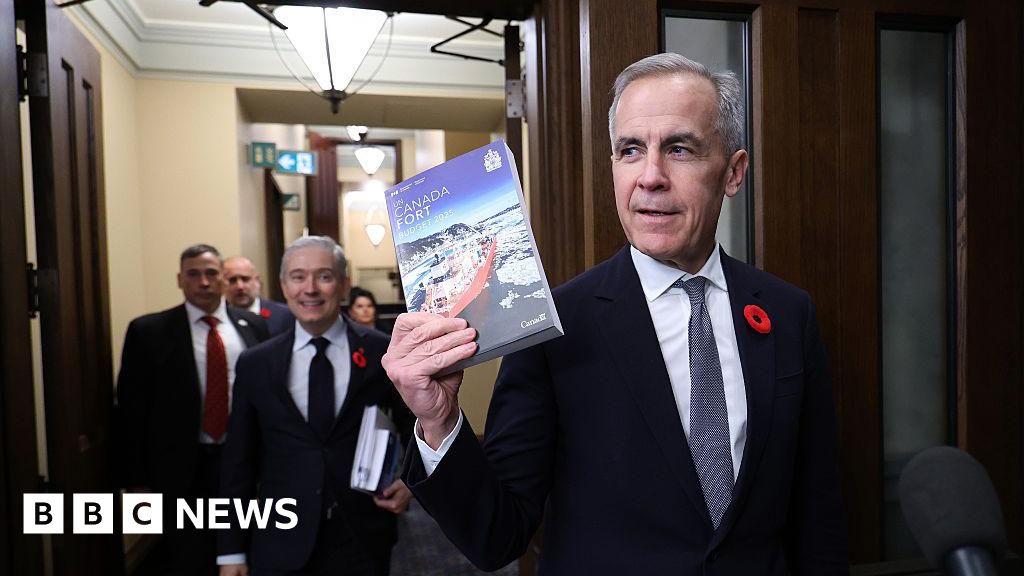
In a decisive move reminiscent of emerging economic strategies, Canada’s Prime Minister Mark Carney has unveiled his government’s inaugural federal budget, an ambitious blueprint aimed at transforming Canada’s economic landscape amid increasing US tariffs and trade tensions. Touted as an “investment budget,” it signifies a deliberate pivot towards resilience and global competitiveness, with a stark acknowledgment of Canada’s economic vulnerabilities and the need for swift, bold action. The plan projects a record-breaking deficit of C$78 billion—second only in Canadian history—yet underscores a strategic gamble: attracting C$1 trillion in foreign investment over the coming five years to offset the fiscal deficit and energize growth.

Internationally, the geopolitical impact of Canada’s budget resonates beyond its borders. By committing to a C$280 billion investment in trade infrastructure, the government aims to double exports to non-US markets over the next decade, signaling a strategic diversification of its trade dependencies—a move heavily scrutinized by analysts as a potential recalibration of North American economic ties. This shift is part of a broader bid to challenge the US’s economic dominance and make Canada a more attractive hub for international business than its southern neighbor. In tandem, the budget allocates nearly C$1 billion to integrate artificial intelligence into government and commercial sectors, reflecting a forward-looking approach in harnessing technological advancements to bolster national resilience and global influence.

However, critics skewer the plan as a double-edged sword, pointing to the austerity measures within its framework. The government plans to cut 40,000 federal jobs by 2029 and slash international aid to pre-pandemic levels, demonstrating a readiness to accept short-term societal pain for long-term strategic gain. This, combined with lowering immigration targets and restricting student visas, fuels internal debate about how decisions shape Society’s fabric. The budget’s passage, hampered by a fragile minority government and potential defections—such as the recent defection threat from a Conservative MP—heightens the risk of political upheaval, possibly even triggering a federal election. Such instability only underscores the *turning point* at which Canada finds itself—a nation at crossroads, balancing economic revitalization against social and political turbulence.

Recognized by international organizations and historians alike as a critical moment, this expansive budget reflects a broader blueprints for national sovereignty amid global shifts. Analysts from the International Monetary Fund and economic historians warn that Canada’s strategies could redefine the geopolitical landscape of North America, challenging the U.S.’s supremacy while building a more autonomous Canadian economy. Yet, the true impact remains uncertain—whether these bold initiatives will succeed in rescuing the nation’s future or merely deepen the shadow of mounting deficits and social unrest. As the dust settles over Ottawa, the world waits, shoulder to shoulder with Canadians, for the next chapter in this unfolding saga—an era where the decisions made today may well dictate the course of history for generations to come.

Trump Reveals Commutation of George Santos’s Federal Fraud Sentence

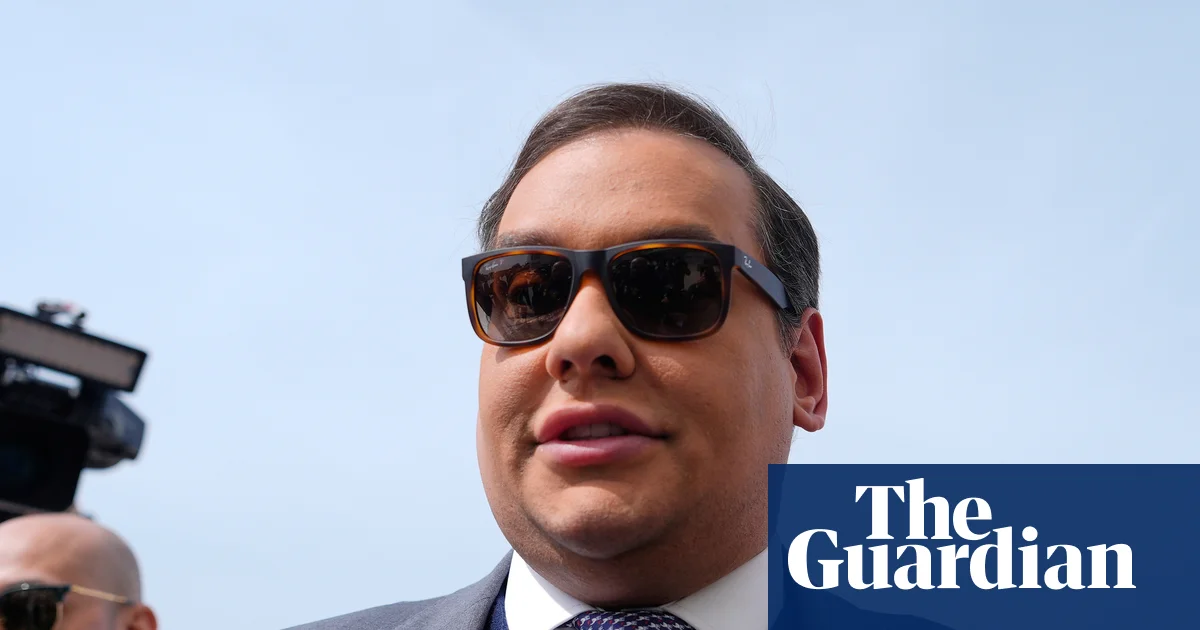
The recent decision by Donald Trump to commute the sentence of George Santos, the disgraced former New York representative, marks a significant moment in American political theatre with far-reaching geopolitical implications. Santos, once considered an up-and-coming star within the Republican Party, was sentenced to over seven years in prison following charges of wire fraud and identity theft—crimes that not only tarnished his personal reputation but also cast a shadow over the integrity of American governance. Trump’s intervention, announced via social media, underscores a long-standing pattern of political clemency that blurs the lines between justice and partisanship, and inevitably influences international perceptions of American law and order.

Notably, such pardons and commutations reach beyond American borders, signaling to allies and adversaries alike that the United States remains a nation where political loyalty can sometimes supersede the rule of law. Ensuing discussions among military strategists, international lawmakers, and historians emphasize how decisions within the American judiciary and executive branches ripple outward, shaping global perceptions of stability and fairness. Similar actions in the recent past—such as Trump’s pardons of other controversial figures like former Congressman Michael Grimm and Connecticut Governor John Rowland—are indicative of a broader pattern that raises questions about the rule of law’s resilience amid political tumult.

Meanwhile, the international community closely monitors these developments, understanding that trust in democratic institutions forms the bedrock of global geopolitics. Analysts from institutions like the International Crisis Group warn that such unilateral acts of clemency can be exploited by authoritarian regimes to justify their own abuses of power. The case of Santos, with its diplomatic echoes, reinforces a narrative that the United States remains a nation grappling with internal divisions—divisions that can either be healed or exploited in the ongoing contest for global influence. As historians note, these moments are pivotal; they serve as both mirror and magnifier of internal societal struggles with corruption, transparency, and justice.

In the broader scope, how the U.S. handles political scandals and clemencies significantly influences regional stability, especially in an era defined by shifting alliances and competing superpowers. While China and Russia observe with calculated interest, Western democracies watch with a mixture of concern and anticipation. The unfolding saga of Trump’s latest clemency decisions exemplifies how internal political decisions can become a battleground for international prestige and influence, setting precedents that shape the future of global diplomacy. As history continues to writ itself with every decision, the weight of these moments will echo through the halls of power for decades to come. The story of Santos, Trump, and their interconnected fates is far from over; it’s a testament to a nation still wrestling with its identity, and a reminder that history’s final judgment is yet to be written.

Trump administration seeks funds to pay federal officers amid shutdown dominance

U.S. Government Shutdown and Its Global Geopolitical Impact

The prolonged shutdown of the United States federal government, now entering its third week, underscores a deepening political crisis that extends beyond domestic borders. Despite repeated votes in the Senate, the legislature remains deadlocked, illustrating a growing rift between Democrats and Republicans. The inability to pass funding legislation not only halts regular government operations but also sets a troubling precedent for the stability of the world’s leading superpower. International analysts warn that such internal chaos can weaken America’s standing on the global stage, complicating diplomatic relations and economic strategies worldwide.

Financial Strains and Alternative Measures with Global Consequences

Faced with the crisis, the Trump administration has begun exploring alternative ways to finance critical programs. While the government remains paralyzed, essential services such as military operations are being maintained through previously allocated funds, raising concerns about the long-term sustainability of such decisions. Officials confirm that approximately 750,000 federal employees have already been furloughed, a figure with serious social and economic repercussions that ripple through markets, affecting global investors and allied nations reliant on U.S. stability.

  • The federal workforce faces significant financial uncertainty, with ongoing layoffs impacting multiple agencies.
  • The administration has sought cost-effective ways to sustain essential services, including using tariff revenue to fund nutritional aid programs for vulnerable populations.
  • The military remains operational, yet the question of funding continuity remains unresolved, with warnings of further disruptions looming.

International commentators, including financial analysts and political historians, indicate that the U.S. political impasse threatens the reliability of American policy and economic commitments. This internal discord may embolden geopolitical opponents, who see in America’s weakness an opportunity to expand influence in regions like Eastern Europe, the Indo-Pacific, and beyond. Such instability could result in shifts in alliances, emergent regional conflicts, and a recalibration of international power dynamics.

Turning Point or Prelude to Greater Turmoil?

The unresolved dispute over funding for critical programs, such as welfare for women and children and law enforcement agencies, signals a fragile domestic landscape. The potential for further financial hardship, coupled with rhetorical escalations from leaders, suggests a turning point in American governance that could redefine its influence for decades to come. Historians warn that prolonged governmental deadlock not only undermines domestic trust but also erodes international credibility.

As the world watches, the unfolding crisis in the US offers a stark reminder: in a time of shifting alliances and rising powers, internal stability remains the cornerstone of a nation’s capacity to lead. The decisions made within the halls of Congress now reverberate across continents, shaping the global order and determining whether the future will be one of renewed strength or unprecedented decline. The pages of history are turning — and only time will tell what chapter they will write next.

White House plans layoffs as federal shutdown drags into third week—America’s government at risk

U.S. Government Shutdown: A Crisis with Far-Reaching Geopolitical Ramifications

The recent announcement by the White House of federal layoffs exemplifies a pivotal moment in America’s internal crisis. As the government persists through a third week of shutdown, the decision to initiate a reduction-in-force (\RIF) process signals not only domestic instability but also a potential shift in international influence and security stability. While officials remain opaque about affected departments, the impact resonates across essential sectors such as cybersecurity, food safety, and public safety — critical pillars that hold the foundation of both economic strength and geopolitical standing.

Analysts herald this situation as more than just a partisan squabble; it underscores a deeper erosion of trust and stability in the U.S. political system. Historically, such gridlock hampers America’s ability to project power and maintain its alliances. The union leaders’ condemnation, claiming these layoffs are “illegal” and “devastating,” encapsulates a wider ripple effect that transcends national borders. Uncertainty regarding the federal workforce’s future directly threatens America’s capacity for rapid response and diplomatic leverage, especially at a time when global rivals like China and Russia continue their strategic pursuits, often exploiting American domestic vulnerabilities.

Domestic Political Standoff: How Decisions within Washington Shape the Future

The core of the crisis stems from a deadlock between Republican and Democratic leaders over funding. The GOP’s insistence on a narrow funding proposal, coupled with Democratic demands for social policy safeguards, exemplifies the legislative impasse. This standoff doesn’t merely threaten the livelihoods of federal workers; it jeopardizes the U.S.’s ability to uphold international commitments and operational readiness. The refusal to reconcile these differences jeopardizes the paycheck of 700,000 federal employees and continues to erode public confidence in government institutions. Historically, protracted shutdowns have spurred unpredictable geopolitical consequences, as internal weakness invites external adversaries to test American resolve and commitment.

With the Senate functioning as a choke point—requiring at least 60 votes to pass legislation—the situation intensifies. The Democratic opposition’s demands for extending health subsidies and safeguarding public media echo broader societal divisions. Experts like Max Stier warn that such internal disarray hampers essential services, from air traffic control to veteran care, strengthening the narrative that America’s internal vulnerabilities are exposing weaknesses to the world. Strategists globally perceive that ongoing chaos at home could significantly diminish America’s leadership during critical moments, hampering future diplomacy and military coordination.

The Unfolding Narrative of Discontent and Power

As the crisis deepens, the public and military faces an uncertain future; many service members and federal workers are on the brink of missing multiple paychecks. This internal strife carries a stark warning: how political decisions ripple outward, threatening societal stability and international standing. The government, historically a symbol of strength and resilience, now appears fractured, as legal battles erupt over the legality of firings and layoffs. According to recent reports by organizations like the Center for American Progress, the timing and extent of these layoffs are constrained by complex legalities, yet the administration’s threats persist, casting a long shadow over the nation’s internal cohesion.

The precise weight of this internal crisis extends far beyond the borders of the United States. With traditional allies watching cautiously and rivals such as China and Russia eager to exploit perceived weaknesses, the global geopolitical chessboard shifts ominously. The parallels with past moments of American internal discord serve as a stark reminder: history often records the passage of internal chaos as a prelude to broader international recalibration. As the final pages of this chapter remain unwritten, the world braces for the next move—aware that the true impact of Washington’s turmoil may well define the global order for generations to come.

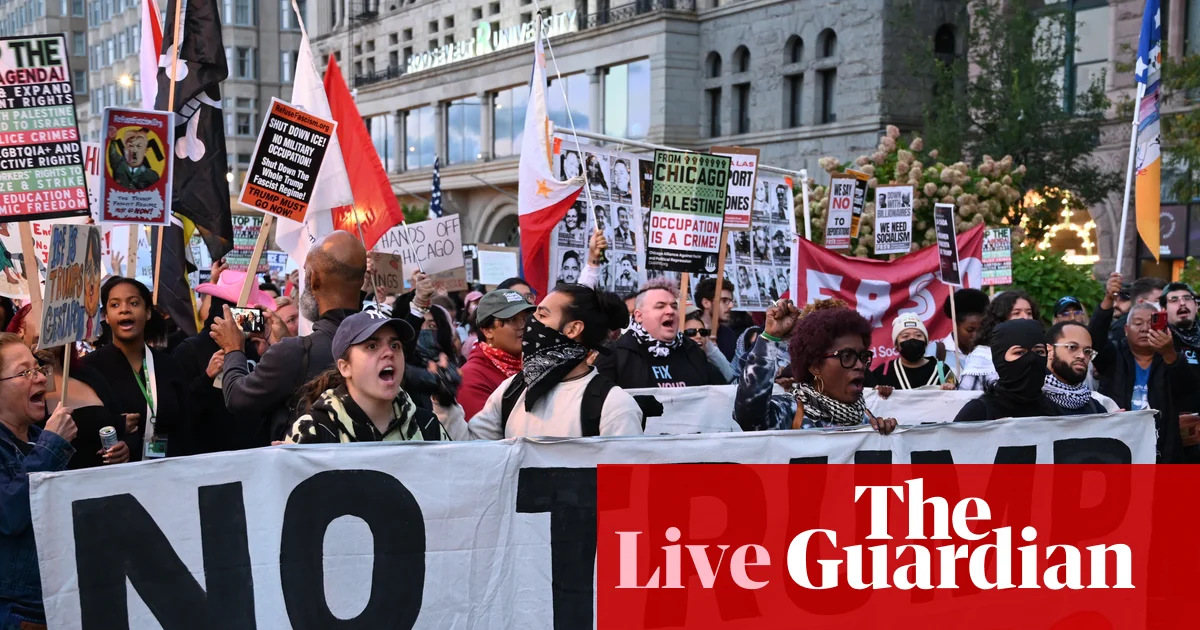
National Guard Deployed to Shield ICE and Federal Sites in Chicago — US Politics Live

Geopolitical Shifts and Domestic Turmoil: The Rising Tide of U.S. Security Interventions

In an unprecedented move that underscores the intensifying internal divisions within the United States, recent reports reveal the deployment of National Guard troops in Chicago and Memphis, tasked with protecting federal property amid mounting violence and political unrest. The Biden administration’s decision to activate approximately 500 troops—200 from Texas and 300 from Illinois—for a 60-day operation signifies a significant escalation in the direct federal intervention in domestic affairs. This deployment, aimed at securing Immigration and Customs Enforcement (ICE) facilities and other federal assets, has ignited a fierce political debate, with critics viewing it as a troubling overreach by federal authorities, while supporters frame it as necessary for national security.

The domestic destabilization has further polarized the political landscape, with figures like former President Donald Trump calling for the imprisonment of Chicago’s mayor Brandon Johnson and Illinois Governor JB Pritzker, accusing them of outright neglect toward law enforcement officers. Trump’s rhetoric, posted on Truth Social, blamed local officials for alleged failures to safeguard ICE personnel, further politicizing what many see as an erosion of state and local autonomy. The deployment of troops despite protestations from Illinois officials raises serious question marks about federal-state relations, highlighting the widening divide in governance philosophies. Historians warn that such actions echo past moribund episodes of federal overreach, threatening the delicate balance that underpins American federalism.

On the international stage, U.S. President Donald Trump announced a “tentative deal” between Hamas and Israel aimed at halting Gaza hostilities and securing the release of prisoners. While praise poured in from Republican lawmakers celebrating a purported breakthrough in Middle Eastern peace efforts—some suggesting Trump’s candidacy for a Nobel Peace Prize—Palestinian Americans and Middle East analysts expressed deep caution. The agreement includes an Israeli withdrawal from Gaza and involves a complex prisoner exchange, but many experts underscore the fragility of such ceasefires, especially without addressing underlying grievances. The Middle East, a geopolitical cauldron, demonstrates the unpredictable consequences of American diplomatic interventions that oscillate between efforts at peace and the risk of reigniting regional conflicts.

Simultaneously, in the hemisphere, Brazilian President Luiz Inácio Lula da Silva revealed that U.S. Secretary of State Marco Rubio contacted Brazil’s foreign minister concerning tariffs—an example of U.S.-Latin America diplomatic maneuvering. Lula’s surprise at the call reflects ongoing tensions over trade policies, highlighting how U.S. economic diplomacy continues to influence Latin American affairs. As the global order faces mounting challenges—from destabilized regions in the Middle East to internal divisions in the U.S.–the ripple effects threaten to reshape alliances, trade, and stability. Historically, international analysts emphasize that these decisive moments in foreign diplomacy cast long shadows on future prospects for peace and power dynamics.

As Congress and courts across the nation grapple with questions about the legality of deploying military personnel domestically, the weight of history presses heavily on the unfolding events. The deployment in Chicago and Memphis signifies a pivotal point—either a step toward restoring order or a warning sign of descending chaos. The decisions made today will reverberate for generations, determining whether the United States remains a nation rooted in constitutional principles or plunges into a conflict fueled by internal discord and external entanglements. The pages of history are turning, and what emerges on the other side will define the destiny of a nation caught between the weight of its ideals and the harsh realities of a fractured society.

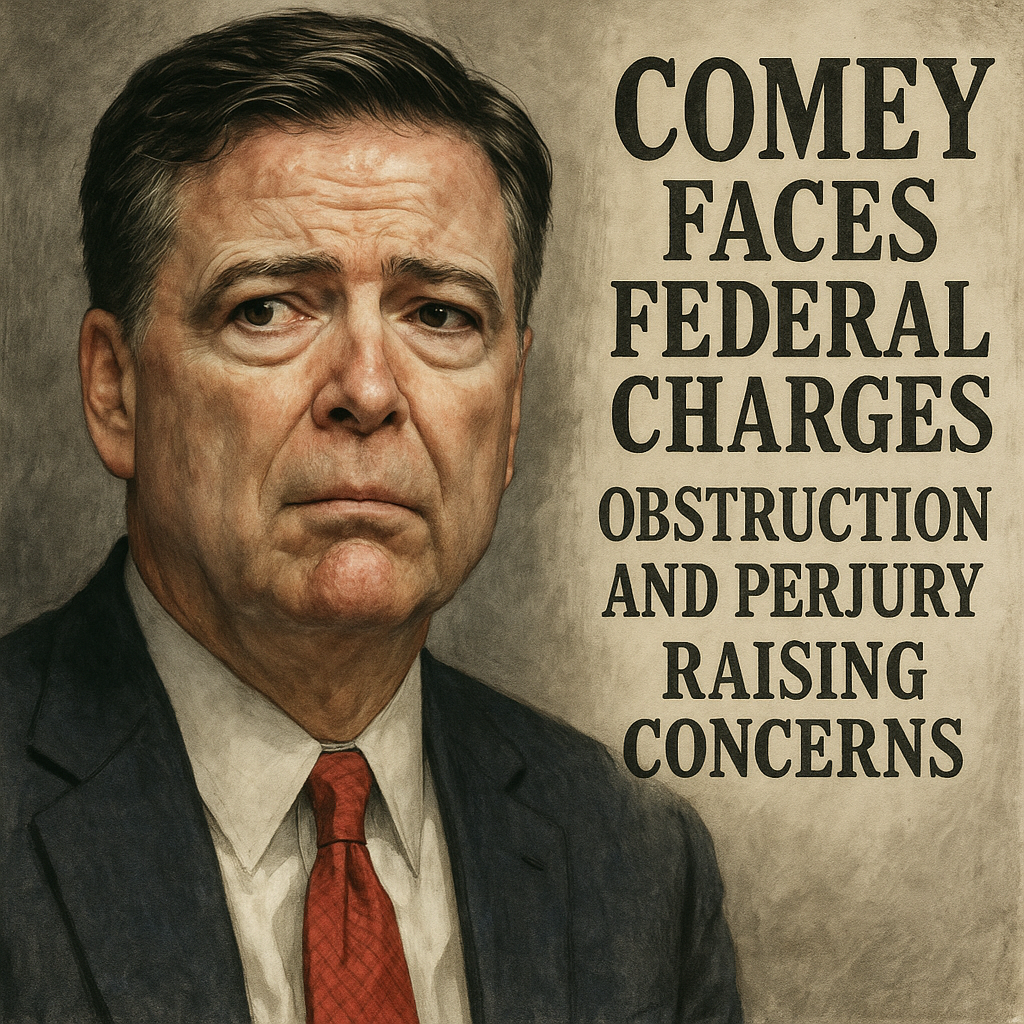
James Comey faces federal charges of obstruction and perjury, raising concerns

The recent indictment of former FBI Director James Comey by a federal grand jury marks a pivotal moment in the ongoing power struggles within the American political landscape. This development, coming on the heels of President Donald Trump’s calls for accountability, underscores the relentless battle over control of institutions and narrative. Comey, once a cornerstone of the FBI’s leadership, now faces charges including making a false statement and obstruction—charges that transcend mere legal accusations, embodying the ideological clash between those seeking to maintain law and order versus those striving for accountability in the face of perceived corruption.

From a historical perspective, this move echoes classic political dramas where the machinery of justice becomes a tool in the broader power struggle. The timing, just days after Trump’s public insistence on prosecuting Comey, amplifies the notion that decisions within the justice system are becoming increasingly intertwined with partisan interests. Experts in constitutional law note that such indictments, especially against figures once considered within the security state establishment, reflect a turbulent shift—possibly a redefinition of the boundaries of executive authority and oversight. This is reminiscent of earlier eras of political upheaval, where legal actions against high-ranking officials signal whether a nation is on a path toward justice or chaos.

Critics argue that the charges are emblematic of a broader trend where political factions leverage legal mechanisms to settle scores or shape public perception. Supporters, however, contend that no public servant is immune to scrutiny, regardless of stature. As constitutional theorists remind us, the rule of law must be protected against the temptation of political vendettas, lest the very fabric of constitutional governance frays. The charges also serve to remind citizens that, in a constitutional republic, power is mortal and fleeting; institutions exist to keep it in check, but they are also vulnerable to manipulation.

Ultimately, these events underscore that politics is less about personalities and more about the battle for the soul of the nation. Decisions made today will ripple through history, shaping not just legal precedents but the societal fabric itself. As political strategist and thinker Leo Strauss might suggest, in this realm of relentless power struggles, the future remains unwritten—destiny is proclaimed on the stage of battles that test the limits of authority and justice. In this unfolding narrative, the true victors are those who shape the rules of the game—and, perhaps, who decide the very course of national destiny.

Social Media Auto Publish Powered By : XYZScripts.com