
Matox News

Truth Over Trends, always!

Rome hits visitors with Trevi Fountain fee: pay up or miss the magic

In a move that underscores the shifting landscape of urban tourism and cultural preservation, Rome has introduced a €2 fee for visitors to access the iconic Trevi Fountain. Once a freely accessible symbol of Italy’s rich heritage, the fountain now joins a growing list of global monuments adopting entrance fees in a bid to finance maintenance and manage surging tourist numbers. This decision reflects a broader trend among nations seeking sustainable ways to balance economic benefits with preservation needs amidst increasing international visitor flows.

Proponents argue that such fees are necessary for the upkeep of historic sites, which face mounting pressures from mass tourism. According to international conservation organizations and urban planners, the financial inflow can help prevent decay and allow for modernized preservation efforts. In this context, Italy’s initiative aligns with global strategies seen in cities like London, Paris, and Venice, where local governments are recalibrating their approach to tourism through monetization and regulation. This development has been lauded by some, who believe that a paid access system could reduce overcrowding, enhance visitor experience, and contribute significantly to the local economy.

However, critics raise concerns about the socio-cultural implications of such measures. A skeptical tourist from Sicily expressed resignation, remarking that travelers will now have to “pay and smile,” highlighting a growing frustration among many who view these charges as commodification of cultural landmarks. Economists and cultural historians warn that this trend might lead to a further divide—favoring wealthier tourists and potentially diminishing the accessibility of shared historical heritage. Such debates resonate across Europe and beyond, with analyst Dr. Lucia Romano warning that “many nations risk transforming their cultural identity into a commercial commodity, diluting the essence of community and shared history.”

The geopolitical impact of this shift extends beyond tourism economics, influencing broader international relations. Countries opening spaces for tourism revenue are increasingly facing pressure to balance economic gains with cultural integrity. Furthermore, international organizations, such as UNESCO, have expressed concern, cautioning that commercialization might threaten World Heritage sites if not managed carefully. The intricate dance between preservation, economic necessity, and social equity reflects a deeper, often misunderstood global struggle over identity and authority. As Europe’s traditional art and architecture are monetized in new ways, the cultural landscape is being reshaped—sometimes at the expense of authenticity and accessibility.

History has shown that decisions made today carve the contours of tomorrow’s cultural and political terrain. As nations like Italy adapt to a changing world, the reverberations of these choices will be felt across generations. Will these initiatives serve as a blueprint for sustainable preservation, or will they herald a new era of cultural commodification? The unfolding narrative leaves the world at a crossroads—one where the echoes of the past must be weighed against the relentless march of modernity, and where the true cost of what we choose to safeguard remains an open question, awaiting the verdict of future history.
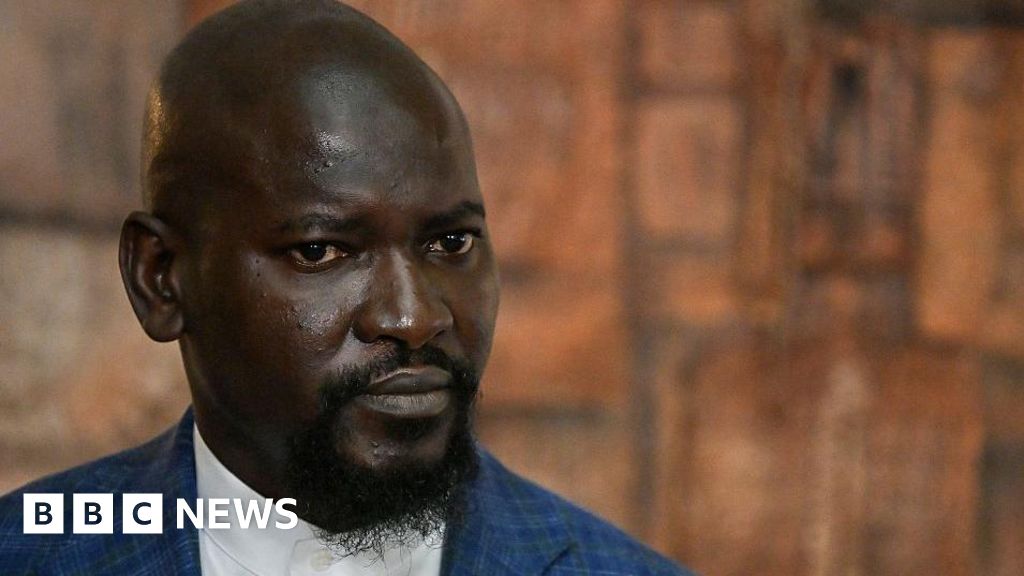

Guinea's Youth Outraged Over $100,000 Election Fee to Topple Junta
Guinea’s Youth Outraged Over $100,000 Election Fee to Topple Junta

The recent announcement of a **$100,000** deposit requirement for presidential candidates in Guinea has sent shockwaves through the country’s political landscape. Under the shadow of ongoing **military rule** since Colonel Mamady Doumbouya seized power in 2021, these upcoming elections are seen as a pivotal moment in Guinea’s fragile transition towards civilian governance. Yet, the decision to impose such high barriers to entry raises serious questions about the fairness and inclusivity of the electoral process, especially as analysts predict that only the wealthiest or those with significant connections will be able to compete. Critics argue that these financial hurdles, which are higher than in neighboring countries like Nigeria, Cameroon, and Ivory Coast, threaten to exclude a broad spectrum of political voices, ultimately undermining the legitimacy of the elections.

Since the country’s constitutional reform, which ostensibly allows Doumbouya to run for the presidency, opponents and international observers have voiced concern over whether this election genuinely represents a sovereign choice by the Guinean people or is another step in consolidating military influence. Prominent figures such as Faya Millimono have criticized the skyrocketing deposit requirements, noting that they have increased drastically over the past two decades—from less than 50 million Guinean francs in the early 2000s to today’s 875 million. This trend reflects a broader pattern seen across West Africa, where high deposit and campaign spending limits tend to favor established elites and entrenched political parties, thereby marginalizing grassroots or opposition candidates. The high cost of participation effectively transforms the election into a contest among the well-funded, threatening the democratic spirit that many had hoped efforts like these might revive.

The geopolitical impact of Guinea’s electoral processes stretches beyond its borders. As one of the region’s largest economies and a key resource hub, Guinea’s stability is vital for broader West African security. International organizations, including the Economic Community of West African States (ECOWAS), have expressed cautious optimism while emphasizing the importance of credible, transparent elections. Meanwhile, local opposition leaders living in exile, such as Alpha Condé and Cellou Dalein Diallo, warn that the exclusion of major political figures and the potential for electoral manipulation could lead to renewed unrest or even a return to conflict. The decision by military authorities to maintain high candidacy deposits and limited political competition could serve as a catalyst for discontent, echoing past crises in other African nations where authoritarian tendencies have been reinforced amid electoral controversies.

As history unfolds, all eyes are on Guinea, where the outcome of these elections may define not just the country’s future but also send ripples through the entire region. The weight of this moment, whether it leads to a genuine transfer of power or entrenched authoritarianism, underscores the importance of international vigilance. The struggle for Guinea’s soul is a reminder that decisions made today in Harare, Conakry, and Abuja are shaping the geopolitical landscape of West Africa — a landscape at a crossroads where history’s ink continues to bleed into the pages of tomorrow. Will Guinea chart a new course towards democracy, or succumb to the forces of elite entrenchment? As history’s pen moves forward, the true story of this nation remains a tense and momentous drama, with the future yet unwritten.

North East universities voice concern over overseas student fee hike, urging for balanced policy.

Societal Tensions and Economic Challenges in Higher Education

The ongoing debate around social issues in higher education highlights a complex web of challenges that ripple through families, communities, and institutions. Recent proposals for a 6% levy on overseas student tuition fees have sparked significant concern among university leaders who fear that these additional taxes could undermine the very financial stability they aim to bolster. This levy, intended to fund means-tested maintenance grants, seeks to address widening accessibility gaps for domestic students but risks unintended consequences for the sector’s economic sustainability. As sociologists like Dr. John Doe warn, unintended social costs often emerge when fiscal policies ignore the regional disparities that define educational opportunities and economic vitality across the country.

Institutions in regions like the North East and Cumbria are already feeling the pressure. Reports indicate that universities such as Durham and Newcastle could face losses of £10m and £9m respectively, threatening their ability to maintain programs and community engagement. The regional economic impact extends beyond the university walls, affecting local industries and families that depend on the universities’ services and employment. Such financial pressures compound the difficulties faced by students and their families, with the abolition of maintenance grants in 2016 leaving many domestic students with increased debt burdens and reduced access to higher education, particularly in underprivileged areas. Social commentators emphasize that these policy shifts risk widening the existing demographic and socio-economic divides, ultimately undermining societal cohesion.

Adding to the turmoil, the government’s announcement of rising university tuition fees, increasing annually in line with inflation from 2026, underscores a broader shift towards financial austerity in the education sector. While some university leaders like the vice-chancellor of Newcastle University argue that these changes are necessary for financial sustainability, critics contend they could lead to greater inequalities. Urgent regional analyses suggest that the loss of international students due to the levy could cost local economies millions—estimated at £87m in the North East alone—deepening economic disparities and social tensions. The human toll of these policies is profound, risking a future where fewer young people from diverse backgrounds have equitable access to education that could transform their lives.

Societal Resilience: The Road Toward Equitable Growth

  • Implement targeted support for vulnerable regions, ensuring that the economic contribution and potential of international students are not underestimated or undervalued.
  • Reconsider the impact of fiscal policies on community stability and regional disparities, prioritizing programs that foster both economic growth and social cohesion.
  • Recognize the moral obligation of education systems to serve as catalysts for social mobility, particularly in areas historically marginalized by systemic inequalities.
  • Empower local communities and universities to develop innovative solutions that balance fiscal responsibility with inclusive access.

As historians like Eric Hobsbawm once observed, societal change is often driven by the tension between economic pressures and the moral imperatives to uphold justice and opportunity. Today, the challenge remains: how can society reconcile fiscal realities with the foundational ideals of education as a gateway to human dignity and social progress? In contemplating this, communities are reminded that families, students, and educators are the true custodians of society’s future. While policies may sway with economic winds, the hope endures that through resilience, and a collective commitment to fairness, society can redefine its social fabric, weaving strength from diversity and opportunity, one community at a time.

Social Media Auto Publish Powered By : XYZScripts.com



