Matox News

Truth Over Trends, always!

Fighting for What's Fair: Claiming Uni Covid Compensation Despite Uncertainty
Fighting for What’s Fair: Claiming Uni Covid Compensation Despite Uncertainty

Universities Face Legal Challenges Over Pandemic-Related Educational Gaps

In recent months, dozens of universities across the country have found themselves embroiled in legal disputes, after receiving legal notices from students claiming their educational experience was severely compromised during the COVID-19 pandemic. These legal actions highlight a persistent crisis in higher education, where students argue that prolonged closures, remote learning deficiencies, and lack of campus engagement have left them with inadequate preparation for the future and diminished educational value. While institutions initially responded with policies aimed at safeguarding public health, the ripple effects have now prompted a broader societal debate on the responsibilities of educational systems and the long-term effects on families, communities, and the fabric of society itself.

The students’ grievances underscore a fundamental social tension—that the pandemic, while a necessary public health measure, inadvertently exposed and exacerbated existing inequalities and shortcomings within our educational infrastructure. Many students contend that they missed out on critical experiences such as campus interactions, extracurricular activities, and hands-on learning opportunities that foster social cohesion, critical thinking, and personal growth. Sociologists like Dr. Jane Monroe warn that these disruptions threaten to widen the demographic gaps in higher education, disproportionately impacting first-generation college students, those from disadvantaged backgrounds, and families who rely on the stability and opportunities provided by a robust educational system.

Moreover, the legal challenges reveal how these educational gaps influence not only individual students but also the collective well-being of local communities. Without equitable access to quality education, families face uncertain futures, communities grapple with rising inequality, and social mobility becomes increasingly elusive. As historian Dr. Arthur Goldman notes, “Institutions of learning are the bedrock upon which societies build resilience and progress. When these are compromised, the societal fabric frays, especially for the youth who are our greatest hope for renewal.” The pandemic’s failure to provide a resilient educational environment serves as a poignant reminder that the social contract between students, families, and institutions must be reconsidered and strengthened.

In response to these challenges, many experts advocate for

  • reforms in online education technology,
  • greater investment in campus infrastructure,
  • and policies aimed at bridging demographic divides

. These initiatives aim to restore trust in higher education and ensure that future generations are not left behind in a society that continually evolves. Nonetheless, the core issue remains rooted in a moral imperative: society must recognize and address the deep, human impacts of educational disruption, especially on vulnerable populations and their families. As society stands at this crossroads, it is crucial to reflect on the lessons learned from the pandemic and the moral duty to rebuild an inclusive, resilient educational system that fosters not only knowledge but also a sense of community and hope.

As society faces these unprecedented challenges, the image of a resilient, equitable future hangs in the balance. For all their struggles and disputes, it is the collective responsibility to nurture a system that empowers families, uplifts communities, and inspires the next generation to forge a collective destiny rooted in opportunity and moral integrity. Only then can society hope to turn the page, transforming tragedy into a foundation for renewal—an enduring testament to the power of resilience and shared purpose in shaping a better tomorrow.

National Student Pride Closes After 21 Years of Fighting for Youth Voices

End of a Community Tradition: A Reflection of Broader Social and Cultural Shifts

The announcement that this weekend’s community event will be its last signals more than just the loss of a local tradition. Organizers have cited a significant decline in sponsorship support over recent years, underscoring a troubling trend of diminished communal investment and engagement. Such events, often rooted in shared cultural heritage and local solidarity, serve as vital touchpoints for building social cohesion, nurturing civic pride, and strengthening familial bonds. Their fading points to a society where economic pressures, shifting social priorities, and demographic changes threaten to erode the fabric that binds neighborhoods together.

As sociologists and social commentators have observed, the decline of community-centered initiatives reflects, in part, broader uncertainties and tensions within society. Economic strains have compelled many families and local businesses to prioritize immediate financial survival over participation in cultural or communal endeavors. Historically, institutions such as schools, local councils, and community organizations have played crucial roles in maintaining social stability and transmitting shared values. However, as these institutions face challenges of funding, relevance, and engagement, the social fabric begins to fray, further complicating efforts to foster a sense of belonging among youth and families alike.

How social issues directly impact families, education, and communities becomes evident when local traditions fade. The absence of ongoing communal events deprives younger generations of generational storytelling, cultural inheritance, and opportunities for active civic participation. This vacuum fosters a sense of disconnection, potentially leading to increased social alienation and polarization. Many social analysts argue that without deliberate intervention and innovative approaches, these losses threaten to deepen societal rifts, undermining the foundational values of shared responsibility and community service.

In examining such decline, some sociologists, like Christopher Lasch, emphasize the importance of *cultural resilience*—the capacity of communities to adapt and preserve core values amid change. Historians point to past periods of social upheaval, noting that renewed community engagement often emerges from intentional efforts to reconnect residents through shared projects and local history initiatives. Moving forward, solutions may involve fostering youth involvement, revitalizing local institutions, and encouraging cross-sector collaborations that prioritize cultural preservation and social cohesion. Only through these concerted efforts can communities hope to bridge the gaps caused by economic and demographic shifts, restoring a sense of collective purpose.

As society stands at this crossroads, the fading of this cherished event serves as a somber reminder of the complex social dynamics shaping our world. Yet, it also beckons us to confront these challenges with hope and resilience—recognizing that the strength of a community lies not solely in its traditions, but in its willingness to adapt, rebuild, and forge new paths toward lasting social unity. In the end, these societal upheavals challenge us to reflect on what it truly means to be a community, and whether we are willing to invest our shared hopes for the future into the causes that bind us—before they, too, become memories of what once was.

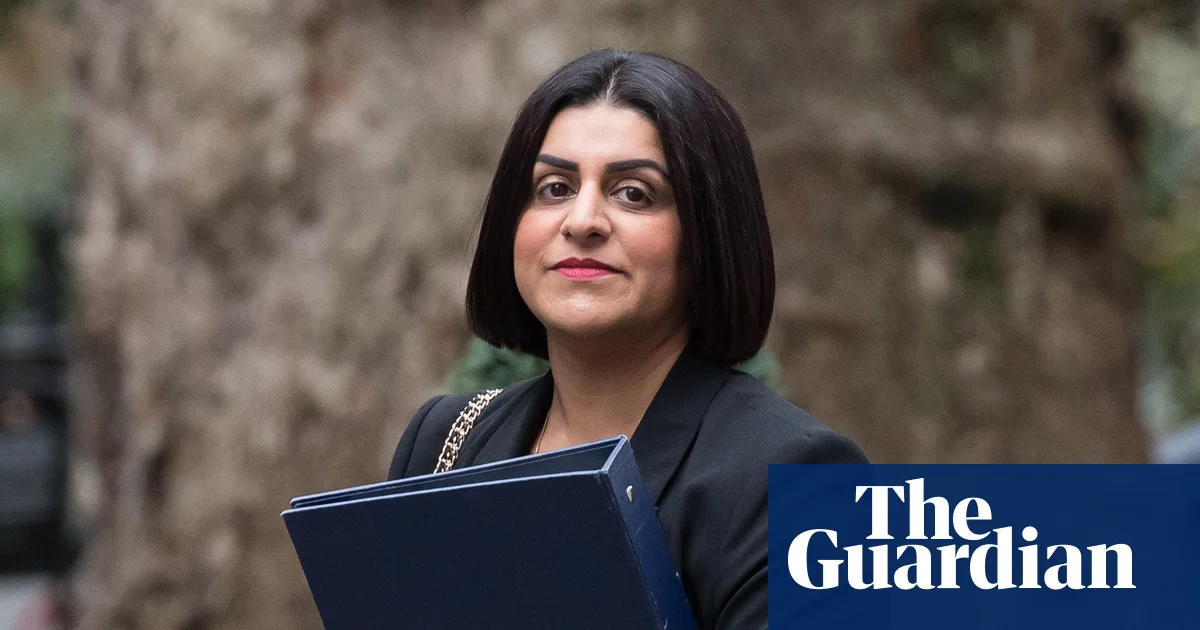
UK Police to Launch Specialized Units Fighting Violence Against Women and Girls

Society at a Crossroads: Addressing Violence Against Women and Family Stability

As society faces mounting challenges surrounding gender-based violence and cultural shifts that threaten the fabric of family life, the government in England and Wales is pledging bold reforms. By 2029, all police forces will establish dedicated rape and sexual offences teams, aiming to create specialized units trained to understand offender behavior and improve investigation outcomes. Under the leadership of the Home Office, these initiatives seek to combat the persistence of violence against women and girls (VAWG), a crisis that sociologists argue reflects broader societal failures to safeguard the moral fabric of community life.

This campaign aligns with a greater societal recognition that traditional cultural prejudices and myths often undermine victims and perpetuate cycles of abuse. Critics note that such attitudes fuel familial disintegration and hinder meaningful judicial responses. By focusing on *training officers to recognize ‘rape mythology’* and *problematic cultural issues*, policymakers aim to dismantle societal barriers that dismiss or blame victims, a shift echoed by social commentators who argue for a moral awakening in how communities respond to violence. Yet, the challenges extend beyond policing, as critics highlight that these plans currently lack additional funding, placing strain on already stretched local budgets and risking uneven implementation—a concern raised by the Home Affairs Select Committee.

In tandem with law enforcement reforms, the government plans to introduce domestic abuse protection orders following pilot schemes, targeting various facets of abuse from *economic coercion* to *‘honour’-based violence.* These orders, granted in both civil and criminal courts, symbolize a societal attempt to protect the vulnerable, yet their effectiveness hinges on community enforcement and a collective moral stance. Historically, social commentators like Fiona Williams have argued that family security depends on societal acceptance and moral clarity—elements often compromised in the face of rising familial dislocation and cultural tensions. The need for community-driven, holistic approaches underscores that family stability remains under threat if societal support systems falter.

Despite these initiatives, critics argue that the delay in releasing a comprehensive strategy—initially expected this spring—undermines public confidence. As Karen Bradley pointed out, poor engagement with vital stakeholders and a lack of transparency risk diluting efforts to combat VAWG. This skepticism reflects deeper societal issues of trust and the prioritization of social issues amid political flux. Yet, amid these challenges, there lies a resilient hope that society, through community solidarity and responsible governance, can transcend its divisions. When society grapples with these moral and social dilemmas, it is not just policy that needs reshaping but the very moral compass guiding families and communities—when humanity chooses to strengthen its moral fiber, society begins to heal, and the promise of a safer, more just future becomes attainable.

At 16, I became a pawn in the CIA’s secret experiments — now I’m fighting back in court

Throughout history, wellness and mental health pursuits have often been cloaked in the promise of discovery, healing, and self-empowerment. Yet, beneath these noble ambitions lurk stories of abuse and manipulation—reminders of a darker side to the pursuit of progress. The recent revelations surrounding Canada’s Allan Memorial Institute and the shocking CIA-backed experiments in mind control serve as stark lessons on the importance of safeguarding individual integrity amidst groundbreaking research. Lana Ponting’s story is not just a cautionary tale but an awakening to the need for ethical vigilance as we navigate the complex intertwining of science, power, and human rights.

The facade of the Allan Memorial Institute, a historic mansion in Montreal
The historic Allan Memorial Institute in Montreal, where dark experiments once took place.

In the 1950s and 60s, a disturbing chapter unfolded as institutions like the Allan Memorial Institute became the venues for experimental treatments that would later be exposed as unethical atrocities. Under the guise of advancing psychiatric care, Dr. Ewen Cameron and others conducted “psychic driving”, drugging patients and forcing them to listen repeatedly to disturbing tape recordings. This was part of a clandestine CIA project known as MK-Ultra, which sought to unlock the secrets of mind control and behavioral manipulation—an era where the pursuit of scientific breakthroughs often ignored the sanctity of human dignity. Today, the echoes of these dark pasts serve as a sober reminder that the pursuit of wellness must always be rooted in ethical responsibility, not unchecked ambition.

For individuals like Lana Ponting, the trauma persists decades later. Her story underscores the importance of personal impact—not just as a statistic but as a human experience. Despite moving on to raise a family in Manitoba, the lasting effects of her ordeal include lifelong mental health challenges and recurrent nightmares, compounded by medications and emotional scars. Her recent involvement in a lawsuit seeking justice exemplifies a broader movement for accountability and acknowledgment. It reminds us that true health is more than physical treatments; it involves respecting individual autonomy and ensuring that groundbreaking work does not come at the expense of human rights. As wellness experts like Dr. Gabor Maté often emphasize, genuine healing involves compassion, understanding, and the pursuit of truth.

In a world increasingly focused on _self-care_ and personal empowerment, the story of the Allan experiments prompts reflection on the fragile boundary between innovation and morality. It challenges youth and society at large to embrace a more conscientious approach to wellness—one that champions transparency, ethics, and human dignity. As we seek new horizons in health and personal growth, let us remember that progress must elevate, not exploit. The journey of healing is as much about safeguarding our humanity as it is about achieving physical vitality or mental clarity. Each of us, in our way, is a guardian of this delicate balance, forging a path forward that honors the lessons of the past and the promise of a truly liberated future.

  • Embrace wellness initiatives grounded in ethical standards and personal agency.
  • Advocate for transparency in scientific research affecting mental health and human rights.
  • Prioritize mental health care that respects individual stories and experiences.

Ultimately, the narrative of Lana Ponting and others like her is a testament to resilience and the enduring human spirit. It reminds us that each step toward wellness is a stride into the future—one that must be paved with integrity, empathy, and a firm commitment to justice. As the dawn of a new era in health sprinkles the promise of self-discovery and personal empowerment, let us carry forward the lessons that history offers: true well-being begins with respecting the dignity innate to every human life.

Fighting Back: Kids at Risk from Parents Spreading Dangerous Conspiracies

In recent years, the rise of misinformation has exposed profound vulnerabilities within our society, especially affecting families and communities. The tragic case of Paloma Shemirani, a young woman who succumbed to untreated cancer at the age of 23, underscores the dangerous consequences of unchecked conspiracy theories, fueled by social media and individuals with radical beliefs. Her mother, Kate Shemirani, a former nurse with a platform of over 80,000 followers, propagated unfounded claims about health and government interference, ultimately influencing her daughter’s critical health decisions. The inquest concluded that her care, heavily influenced by her mother’s beliefs and alternative treatments rejected by medical authorities, contributed significantly to her death. Such cases illustrate the devastating toll that cultural shifts towards skepticism of scientific consensus are taking on families and their trust in modern medicine.

Among the most troubling aspects is how social media serves as a breeding ground for conspiracy theories, creating insular communities where misinformation propagates rapidly and populates the minds of vulnerable individuals. Sociologists like Dr. Timothy Hill warn that these online communities form “a large network of people willing to bring others into the fold,” often trapping impressionable youth in an echo chamber that distorts reality. Data emphasize that individuals under 35 are disproportionately more susceptible to conspiracy beliefs, a demographic trend that threatens to weaken the pillar of public health initiatives. The decline in trust towards institutions such as the NHS and scientific authorities is a direct consequence of this misinformation, with experts like Liz O’Riordan emphasizing the life-threatening implications—ranging from declining vaccination rates to the resurgence of preventable diseases like measles.

At the core of this social dilemma lies a tension: balancing parental rights and community safety. The case of Paloma incited debate about how broad a parent’s influence should be when dangerous beliefs compromise their child’s well-being. While the UK law currently favors respecting parental autonomy, some specialists advocate for legislative reform that grants social services more authority to intervene in extreme cases of harmful misinformation. Critics, however, caution against overreach, warning that defining misinformation is subjective and that empowering the state to police beliefs could threaten fundamental freedoms. The challenge remains: how do societies protect vulnerable children without infringing on personal freedoms? This question persists at the intersection of morality, law, and societal responsibility.

Furthermore, the pervasive influence of social media platforms complicates efforts to counteract misinformation. The introduction of the UK’s Online Safety Act aims to curb illegal and harmful content; however, the murkiness of what constitutes “harmful” legal content raises concerns over censorship and free speech. Experts like Ms. O’Riordan advocate for equiping users—especially young people—with critical thinking skills, teaching them how to identify red flags and question authority—including family members. Gabriel Shemirani, Paloma’s brother, underscores this by emphasizing that conspiracy theories often thrive in isolation, but with education and open discourse, society can forge a resilient frontline against such destructive beliefs. In this fight, the strength of a community is rooted not just in legislation, but in empowering individuals to seek truth amidst the cacophony of falsehoods.

As society grapples with these issues, the hope lies in rebuilding trust in true knowledge and fostering a culture of inquiry. Just as a single seed can sprout into a mighty tree, the collective effort of communities, educators, and policymakers can invigorate the moral fabric needed to confront misinformation. Society must remember that behind every conspiracy theory is a human story—often of fear, loss, and longing for control. By recognizing this, society can transform its approach—moving beyond suspicion and suppression, toward understanding and resilience. In that future, the light of truth may yet pierce through the shadows of misinformation, guiding generations toward a society where families thrive on verified knowledge, and communities stand united in safeguarding their collective well-being.

Tech Giants Step Back from Fighting Misinformation in Australia, Raising Concerns

Global Implications of Australia’s Misinformation Regulation Shake-up

Australia’s Digital Dilemma: Misinformation Policy Under Threat

In a move that signals a broader shift in the global landscape of digital regulation, Australia faces a pivotal moment as major tech giants consider abandoning their commitments to combat online misinformation. The voluntary code introduced in 2021, which saw signatories including Meta, Google, Microsoft, and X (formerly Twitter), was designed to promote transparency and accountability in tackling false and deceptive content online. However, recent developments reveal a concerted pushback from digital platforms, citing the issue as “politically charged” and too “contentious” to regulate effectively. This attitude underscores a wider trend of tech companies increasingly resisting government-mandated oversight, signaling potential chaos ahead for the fight against misinformation.

Many international analysts warn of far-reaching geopolitical repercussions should social media giants pull back from their digital responsibility. The digital landscape has become a battleground in the ongoing contest between free expression and the need for truth—an issue that has deeply divided the Australian public along partisan lines. The Australian Communications and Media Authority highlights that the concept of “misinformation” remains highly subjective, linked closely to personal beliefs and societal values. These factors make the institution of effective regulation a daunting challenge. Historian and geopolitical analyst Dr. Elizabeth Carrington notes that such reluctance by corporate giants can embolden authoritarian regimes worldwide, where misinformation is weaponized to manipulate public opinion and suppress dissent. This geopolitical calculus risks sparking a domino effect, where other nations may follow Australia’s lead, either embracing digital laissez-faire or capitulating to unchecked misinformation.

Meanwhile, the international community observes with concern as internal debates within Australia reflect the larger global struggle over truth in the digital age. The European Union, for example, has taken a more aggressive stance on regulating tech companies, yet even here, the challenges of defining and policing misinformation persist. Critics like Timothy Graham, an expert at Queensland University of Technology, argue that the politicization of “misinformation” complicates efforts, turning the simple task of content verification into a minefield of ideological bias. Meanwhile, public trust in social platforms continues to erode; recent reports show fewer content violations are being effectively enforced even as 74% of Australian adults remain concerned about false information online, according to ACMA’s latest survey. As countries worldwide grapple with these complexities, the core question remains: How do nations balance free speech with the imperative to prevent harm?—a question that, ultimately, defines the era of digital governance.

The potential retreat of tech platforms from their self-imposed obligations foreshadows a crucial crossroads in the evolution of global digital society. With Australia’s decision to reconsider or dismantle its misinformation safeguards, the stage is set for a possible upheaval—where misinformation fuels societal divisions, deepens political rifts, and weakens the very fabric of democratic accountability. As policy-makers face mounting pressure from both the digital giants and their citizenry, the world watches with bated breath, knowing

Social Media Auto Publish Powered By : XYZScripts.com