Matox News

Truth Over Trends, always!

Students file new Covid compensation claim against 36 universities, standing up for fairness in society

University Settles Legal Claim Over Pandemic-Related Learning Loss, Spotlighting Broader Social Challenges

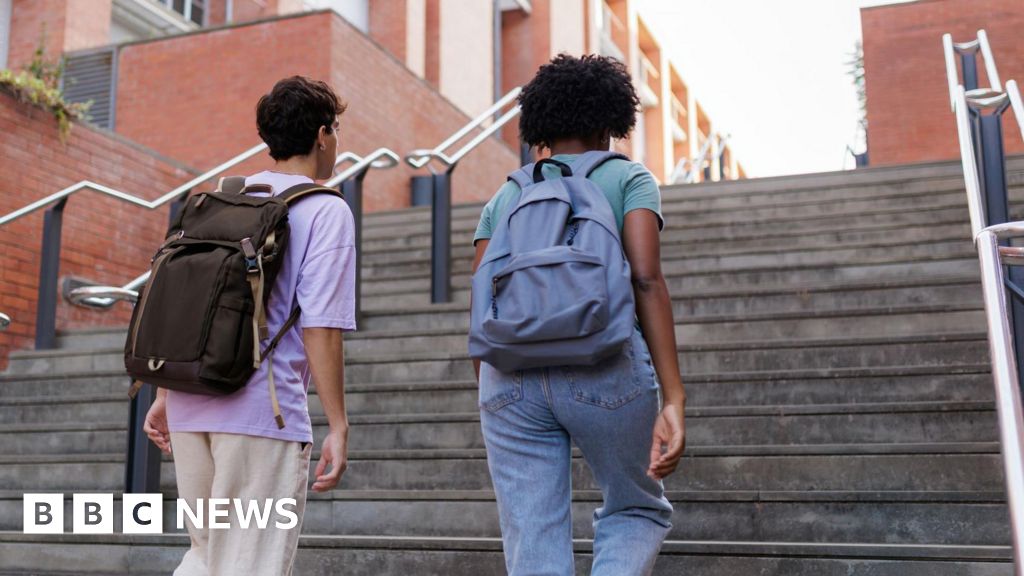
The recent settlement by University College London (UCL) regarding a legal claim filed by students highlights a pressing issue that extends far beyond the academic sphere. During the COVID-19 pandemic, countless students from diverse backgrounds faced substantial disruptions to their learning environment, exposing vulnerabilities within our education system that are now unfolding into wider societal concerns. This case serves as a mirror, reflecting how disrupted educational pathways threaten not only individual futures but also the fabric of our families and communities.

The pandemic-induced interruptions, including remote learning challenges and mental health strains, have demonstrated how fragile the connection between educational institutions and societal stability truly is. For many young people, especially those from underprivileged or marginalized communities, these disruptions translate into lost opportunities, diminished earning potential, and impacts that ripple through families for generations. As historian and social critic Dr. Samuel Becker emphasizes, “education is the backbone of societal resilience; when it falters, entire communities bear the burden.” The legal claim settlement indicates a recognition of these profound impacts and underscores the moral responsibility of institutions to safeguard the rights of students as citizens and future contributors to society.

Social commentators point out that such events catalyze cultural shifts regarding our collective commitment to educational equity. Recent sociological studies expose how demographic disparities in access to quality learning have widened, with disadvantaged families bearing the brunt. These gaps threaten to entrench existing societal divisions, fostering a cycle where families struggle to provide their children with the skills required to succeed in a rapidly changing world. Experts like Dr. Lisa Grant, a sociologist specializing in social mobility, warn that unless systemic reforms are implemented, the pandemic’s legacy may be one of increased stratification rather than opportunity.

  • Addressing the crisis involves investing in technological infrastructure to ensure equitable access to remote learning tools.
  • Enhancing mental health support within educational settings is essential to navigate the ongoing emotional toll.
  • Implementing flexible curriculum models can help accommodate students still recovering from pandemic-related setbacks.

While the moral imperative to protect the educational rights of the youth is clear, societal transformation requires broad engagement from policymakers, educators, and communities. Only through committed effort can we aspire to mend the societal fabric torn by this crisis and foster a culture that values resilience, opportunity, and human dignity. As our society stands at this crossroads, it becomes imperative to reflect on the fragile yet resilient nature of community bonds. There remains hope that, through renewed dedication and innovative reforms, we can shepherd our young generations toward a future where learning loss does not define their potential — a future where society’s collective strength prevails over adversity, and the promise of renewal becomes a shared reality for all.
US Ethics Officials Ousted for Investigating Mortgage File Breach Under Trump Administration

In a development that underscores the deeply polarized state of America, recent reports have unveiled intense internal conflicts within the U.S. government’s financial oversight bodies. The alleged politically motivated investigations and personnel upheavals at Fannie Mae and the Federal Housing Finance Agency (FHFA) highlight how domestic struggles for influence are increasingly intertwining with international perceptions of U.S. stability and governance. As reports detail the removal of ethics officials and the politicization of mortgage fraud allegations involving prominent Democratic figures, critics argue this reflects a broader pattern of internal disarray that could have repercussions beyond national borders.

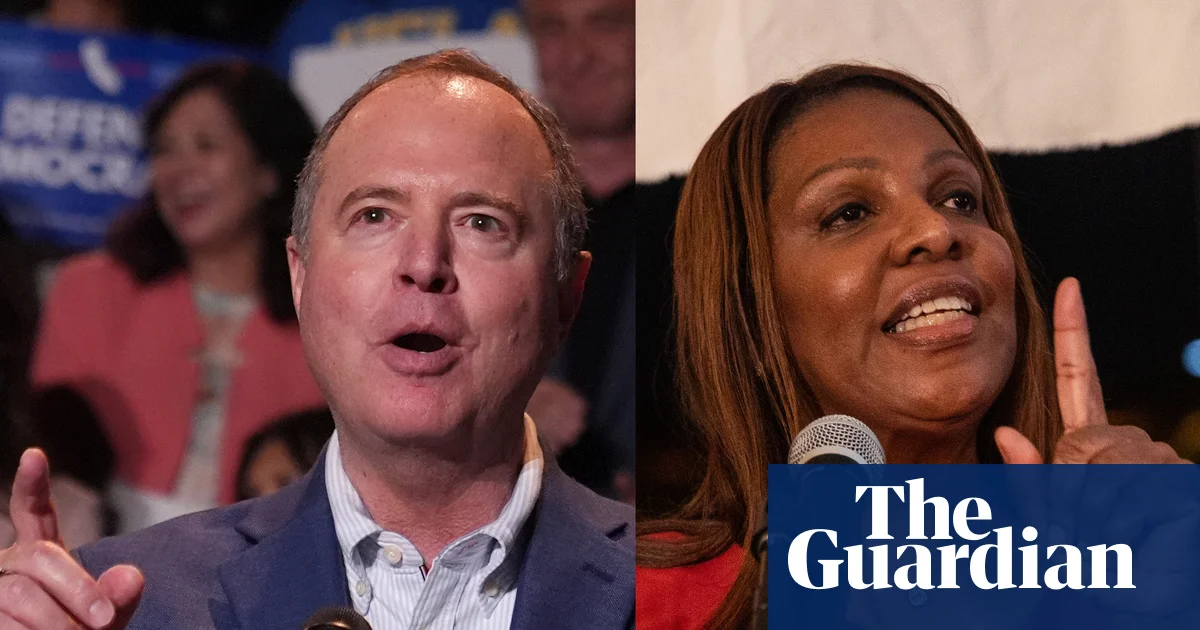
  • Ethics officials at Fannie Mae were sidelined after investigating claims that a top Trump ally improperly accessed sensitive mortgage documents involving Letitia James, the New York attorney general, and other senior Democratic officials.
  • Accusations by William Pulte, head of the FHFA, against figures like James, Senator Adam Schiff, and Federal Reserve Governor Lisa Cook have been branded as politically motivated, with experts questioning the legitimacy of such referrals.
  • The removal of key officials, including the acting inspector general, and the firing of senior staff, demonstrate an internal purge reminiscent of politically charged regimes, raising fears about the erosion of checks and balances within the American system.

International analysts and historians have voiced concern over how these internal power struggles may influence America’s global standing and its claim to uphold rule of law. The U.S., often perceived as a beacon of democracy and judicial integrity, now faces increasing scrutiny as internal conflicts turn towards systemic breakdown. The U.S. Department of Justice and Congressional bodies are under mounting pressure, with some observers warning that these internal disputes could weaken America’s credibility on the world stage. The increasingly evident politicization of investigative bodies fosters a narrative of internal chaos, weakening America’s diplomatic influence and opening a window for adversaries like China and Russia to question the country’s stability.

Prominent analysts, including those from the International Crisis Group, have noted that the internal disintegration of American institutions may embolden global authoritarian regimes who seek to capitalize on perceived American vulnerabilities. As history has warned, when a nation’s internal cohesion unravels, the international balance of power can shift rapidly. The political weaponization of federal agencies—a tactic increasingly visible in this saga—threatens to undermine Global faith in American leadership, particularly as the Biden administration grapples with the fallout of rising domestic unrest and institutional scandals. These events serve as a stark reminder that decisions within the halls of internal power are not isolated—they ripple outward, influencing societies worldwide.

As the dust settles on this latest chapter of American internal conflict, the weight of history remains heavy. The narrative continues to unfold, and the world watches as the United States faces an inflection point—whether it will emerge resilient or succumb to internal fracture. The ongoing fallout from these internal investigations and political purges could redefine the future contours of American democracy itself, shaping global geopolitics for generations to come. With every edifice of power shaken, the question remains: will this be the moment that the structure of the American republic is fundamentally redefined or a fleeting crisis in which renewal takes root?

Social Media Auto Publish Powered By : XYZScripts.com