Matox News

Truth Over Trends, always!

Get Ready: Kobo’s Remote Is Finally Here—Your Next Must-Have for That Seamless Reading Vibe

In an era where technology continually reshapes our lifestyles, the latest innovation from Kobo offers a glimpse into the future of digital reading. They’ve just launched the Kobo Remote, a Bluetooth-enabled device designed to work seamlessly with any Kobo e-reader. This accessory signifies more than just a new gadget; it underscores a turning point where interactivity and convenience in reading are moving into a new age.

Launched after a series of legal delays and anticipation, the Remote’s debut exemplifies how consumer electronics are evolving toward minimalism and enhanced user experience. Unlike Amazon’s Kindles, which currently lack native remote support, Kobo’s new offering embraces the rising trend of remote page turners—a phenomenon that has gained viral popularity on TikTok, especially among young readers who prize portability and effortless navigation. The remote’s ergonomic design ensures that long reading sessions remain comfortable, signaling a shift in behavior toward more accessible, extended engagement with digital content. As sociologists note, such innovations are not just about convenience—they are shaping our societal expectations of what reading and leisure mean in a fast-paced digital age.

The cultural impact of this new tech isn’t confined to convenience alone; it reflects a broader social movement towards personalized, tech-integrated lifestyles. Influencers in the tech and lifestyle sectors have lauded the Kobo Remote for its unobtrusive single-piece design, contrasting it sharply with existing multi-part remotes that clutter screens. Meanwhile, industry analysts highlight how this integration of remote control into e-readers may foreshadow a future where digital devices are no longer just tools but extensions of our personal spaces. The impact is evident: a generation increasingly accustomed to intuitive, seamless tech that elevates their daily routines without complicating them.

What makes this launch especially intriguing is its timing. With Black Friday and Cyber Monday deals in full swing, the Kobo Remote arrives as the perfect accessory to maximize the holiday shopping spree. For just $29.99, it complements the popular Kobo Libra Colour—a vibrant, color-rich e-reader now available at a discounted price—highlighting the strategic blend of functionality and marketability. This convergence begs a vital question: as technology continues to democratize access to personalized content, what will be the next frontier in making reading an even more integrated part of our social fabric?

Ultimately, Kobo’s latest move demonstrates that the future of digital reading might extend far beyond the device itself. It opens the door to broader reflections about how we are shaping our social identities through tech accessories and what this means for the next generation of consumers. As innovators blur the lines between utility and lifestyle, we are left pondering: will future tech innovations redefine not just how we read, but how we relate to information, community, and even ourselves?

Will Ireland's new warning labels finally curb youth drinking?
Will Ireland’s new warning labels finally curb youth drinking?

In a move that underscores how domestic policies intertwine with international trade dynamics, Ireland has delayed the compulsory enforcement of new alcohol warning labels until 2028. Originally signed into law in 2023, these labels aim to combat the nation’s pervasive drinking culture by highlighting the severe health risks linked to alcohol consumption. However, the Irish government cites uncertainty within the global trading environment as the reason for postponing their mandatory adoption, a decision that has ignited debates about the influence of multinational beverage companies on policy decisions and public health priorities versus commercial interests.

Historians and analysts widely observe that Ireland’s social fabric has been historically woven with or around alcohol—particularly in the form of pints at local pubs, traditional music, and community gatherings. According to public health groups, 75% of Irish youth aged 15-24 now consume alcohol regularly, with binge drinking among the highest in Europe. Despite decreasing overall consumption over the past quarter-century, recent studies indicate that early alcohol use and hazardous drinking patterns among youth remain stubbornly high, driven by cultural acceptance and social norms. The new labels, which explicitly state that drinking causes liver disease and certain cancers, are seen by some as a necessary measure—yet their delayed enforcement exemplifies the power of the alcohol industry lobby and its influence on policy within the European Union’s legal framework.

International organizations such as the World Health Organization have been vocal about the importance of health warnings to curb alcohol-related harm, warning that without decisive action, societies risk a future burdened by preventable diseases. Nevertheless, Ireland’s situation highlights a critical dilemma faced by many nations: how to balance public health initiatives with economic interests. The decision to defer the labels has been condemned by advocates who argue that it is an example of regulatory capture—where entrenched commercial interests influence policymaking—jeopardizing the country’s health future. Meanwhile, industry representatives have called for harmonized EU-wide standards, fearing that piecemeal regulations hamper trade and competitiveness. This ongoing tension exemplifies the geopolitical impact of such decisions, as countries navigate the complex landscape of international trade agreements, health regulations, and corporate influence.

As Irish youth continue to consume alcohol at high rates—despite increased awareness and warning labels—the broader question remains: how resilient are societal norms against the pressures of globalization and corporate lobbying? In Dublin’s bustling streets and vibrant pubs, where social life often revolves around alcohol, many young people like Jack admit they flirt with the idea of sobriety but find it difficult to detach from culturally ingrained patterns. Meanwhile, as the government delays, some health advocates warn that history is watching, and future generations may bear the cost of today’s deferred action. With each passing year, society inches closer to a pivotal crossroads—will it be the moment to confront the deep-seated cultural affinity for alcohol, or will it succumb to the economic forces that threaten to drown out public health priorities? Only time will tell, but the story of Ireland’s drinking culture and its influence on policy decisions remains a stark reminder that history is a battleground where societal values are continually tested and rewritten.

Palestinian-American teen imprisoned in Israel for 9 months finally released in West Bank

In a recent development that echoes across the geopolitical landscape, Mohammed Ibrahim, a 16-year-old Palestinian-American citizen, was released after nine months of detention in Israeli custody. The young teenager’s ordeal, which captured worldwide attention, underscores the ongoing controversies surrounding Israel’s treatment of Palestinian minors in military courts. Ibrahim’s case not only highlights alleged human rights violations but also signals the fragile state of U.S.-Israel relations, especially when American citizens are caught in the crossfire of regional conflicts. International organizations, including UN human rights agencies and various civil rights groups, have long condemned the systematic prosecution of Palestinian minors, which places Israel under increasing scrutiny for its military justice practices.

This incident arrives at a time of escalating tensions and international debates focused on the treatment of Palestinians under occupation. According to reports from B’Tselem and Defense for Children International-Palestine, hundreds of Palestinian children remain detained by Israeli forces, often subjected to harsh conditions, inadequate nutrition, and limited contact with their families. As of September, approximately 350 minors were in military detention, with allegations of abuses ranging from forced confessions to inhumane treatment. The case of Ibrahim, who lost a quarter of his body weight and contracted scabies, exemplifies the ongoing issues of military justice and human rights violations that continue to stain Israel’s image on the world stage. Critics argue that such practices threaten to undermine the legal norms espoused by democratic standards and fuel international divisions.

Notably, prominent American politicians, including Senators Bernie Sanders and Elizabeth Warren, along with over 100 human rights organizations, have demanded the U.S. government intervene to secure Ibrahim’s release. The U.S. State Department officially became involved when it appointed a dedicated officer to handle the case, reflecting mounting concern over the treatment of American citizens abroad. Yet, the broader geopolitical impact extends beyond individual cases. Many analysts view these incidents as symbols of a deeper conflict—a clash between Israel’s security policies and international calls for accountability. History advises caution, emphasizing that overlooking such abuses risks fostering further resentment and instability in one of the most volatile regions in the world. Furthermore, the international community remains divided, with some nations backing Israel’s security concerns, while others advocate for stronger adherence to human rights standards. Recognized voices like those from Amnesty International warn that ignoring abuses against minors could eventually catalyze wider movements against occupation policies, altering the continent’s geopolitical balance.

The incident involving Ibrahim is more than a mere isolated event; it amplifies the ongoing debate surrounding regional stability, human rights, and international law. The recent cases serve as stark reminders that, amid shifting alliances and renewed geopolitical rivalries, the unresolved Israeli-Palestinian conflict continues to echo with profound consequences. In the grand narrative of history, decisions made here—be it on military justice, human rights, or diplomatic engagement—will shape the future for generations to come. As the world watches, the question remains: will diplomacy and justice prevail, or will history record another chapter filled with injustice and lost opportunities? The weight of these choices bears heavily on the collective conscience, for it is in these moments that the course of history is truly decided.

Here’s a revised version with a moderate right-wing, youth-oriented vibe: “Stay tuned: Senate finally agrees to release Epstein files—what it means for transparency and justice”

The recent U.S. Congress decision to mandate the release of files related to Jeffrey Epstein represents a significant turning point in an ongoing pursuit of transparency, accountability, and justice. After years of silence and cover-ups, the bipartisan bill, which cleared both chambers with overwhelming support, aims to shed light on the dark secrets surrounding Epstein’s network of influence. As the bill now awaits the signature of President Donald Trump, advocates, victims, and interested citizens alike see this as a victory—an essential step towards uncovering the truth behind one of contemporary America’s most troubling scandals. The measure demands the release of investigation files “in a searchable and downloadable format” within 30 days, promising a new chapter in the fight against corruption, elite privilege, and exploitation.

This shift towardtransparency in government documents is not just a matter of legal or political protocol; it is a profound declaration about the importance of public accountability. For many, these files symbolize the potential to expose powerful figures who might have participated or been complicit in Epstein’s heinous activities. Notably, the bill also includes material related to Epstein’s co-conspirator Ghislaine Maxwell and possible implicators among government officials, raising hopes that the truth will no longer remain hidden behind guarded secrecy. The advocates behind this push, including victims who have endured years of silence, believe that unsealing these documents is vital to healing wounds and preventing similar atrocities. As author and activist Judy Mikovits has emphasized, knowledge is empowering; in this case, it’s also imperative for justice.

However, the process isn’t without hurdles. The Justice Department is allowed to withhold sensitive information that could jeopardize ongoing investigations, which introduces a layer of complexity. Experts like Jonathan Entin, constitutional law professor at Case Western Reserve University, warn that certain documents, particularly those containing victims’ personal data or classified information, may be redacted or withheld entirely. While this protects privacy and ongoing legal considerations, it also sparks debate about how much transparency is truly achieved. Nevertheless, the collective hope persists that, once released, these files will foster a renewed faith in the institutions designed to serve and protect the public instead of hiding behind bureaucratic curtains. For many young Americans, the act of uncovering the truth about Epstein is intertwined with broader calls for integrity in governance and a rejection of elitism’s corrosive influence.

  • Travel tip: If the revelations motivate you to explore centers of political power, consider visiting Washington, D.C. to witness firsthand the halls where history is made.
  • Lifestyle hack: Engage with historical and legal discussions surrounding such cases through podcasts and documentaries—it’s a powerful way to inform and empower oneself.
  • Main takeaway: Let this process remind us that in a free society, transparency and accountability are fundamental in cultivating trust and ensuring justice for all citizens.

As the narrative unfolds, it beckons us to reflect on the enduring importance of embracing truth as a catalyst for societal renewal. Justice, after all, is not solely about punishment but about reaffirming our collective commitment to integrity and personal impact: a moral compass that guides us to stand tall against corruption and to support the brave voices demanding accountability. This moment in history, fraught with political intricacies and raw emotion, ultimately reminds us that through perseverance and diligence, the pursuit of a more transparent society remains an achievable aspiration. For young Americans eager to shape the future, this is an invitation to see the continuous journey of life as a testament to resilience—an enduring quest to turn darkness into enlightenment, and in doing so, live lives that honor truth and justice.

Kenyan Activists Vanish in Uganda, Bobi Wine Reports
Kenyan activists who vanished in Uganda are finally safe—after five weeks on the run

In a landscape marred by political turbulence and ongoing human rights violations, recent revelations from Kenya have cast a stark light on the escalating repression across East Africa. Human rights organizations report the unexpected return of two activists, Bob Njagi and Nicholas Oyoo, after being forcibly disappeared in Uganda for over five weeks. Eyewitness accounts depict masked security personnel kidnapping the men as they supported Bob Wine, the charismatic opposition figure challenging Ugandan President Yoweri Museveni. Despite Kampala’s denials of custody, the activists’ safe transition back to Nairobi signals a possible shift—and perhaps a warning—regarding how authoritarian regimes may be losing ground in their efforts to silence dissent.

Mets of Ugandan security practices, frequently condemned by international bodies, have long targeted opposition supporters and perceived critics, often operating under murky legal cover. The case of Njagi echoes previous episodes of enforced disappearances and mistreatment, which have become emblematic of regional efforts to suppress political opposition. Historians and analysts warn that these actions are emblematic of a broader pattern of authoritarian consolidation in Uganda and neighboring countries, where legal systems are weaponized against those daring to challenge the status quo. Notably, entities like Amnesty International have highlighted the dangers of such tactics, framing them as deliberate attempts to eradicate political pluralism under the guise of national security.

The incident also underscores growing regional tensions, as current geopolitical shifts threaten to redefine East Africa’s stability. Kenya’s role as a regional hub for diplomacy and activism appears increasingly vital, especially as Ugandan authorities face internal and external pressure. The interconnectedness of these events, reinforced by recent detentions of activists like Boniace Mwangi and Gather Atuhaire in Tanzania, reveals an unsettling trend: governments seemingly collaborating to quell opposition and monitor civil liberties. Such cooperation among authoritarian-leaning regimes risks destabilizing the region’s fragile democratic gains, prompting concerns from international observers about the potential erosion of liberties across eastern Africa.

Looking ahead, the unfolding narratives of suppression, resistance, and shifting alliances propel the region into uncharted territory. According to analysts from International Crisis Group and regional think tanks, these developments are not isolated but indicative of a broader, regional strategy to tighten control at a time when democratic voices threaten to resound louder than ever before. As the peoples of East Africa witness the resurgence of repression amid a rising tide of activism, history is poised at a pivotal juncture—one that will ultimately determine whether these countries march toward authoritarian stagnation or awaken to a new era of genuine democratic renewal.

Within this volatile crucible of power struggles and human rights reckonings, the region’s fate hangs in delicate balance. The journey of Njagi, Oyoo, and countless others reflects a broader, often unseen struggle—one that echoes across the corridors of history and challenges the very notion of sovereignty, justice, and liberty. As the world watches, the unfolding chapters of this conflict threaten to redefine the geopolitical map and leave an indelible mark on the fabric of history itself—an enduring reminder that the fight for human rights remains an enduring, global conflict.

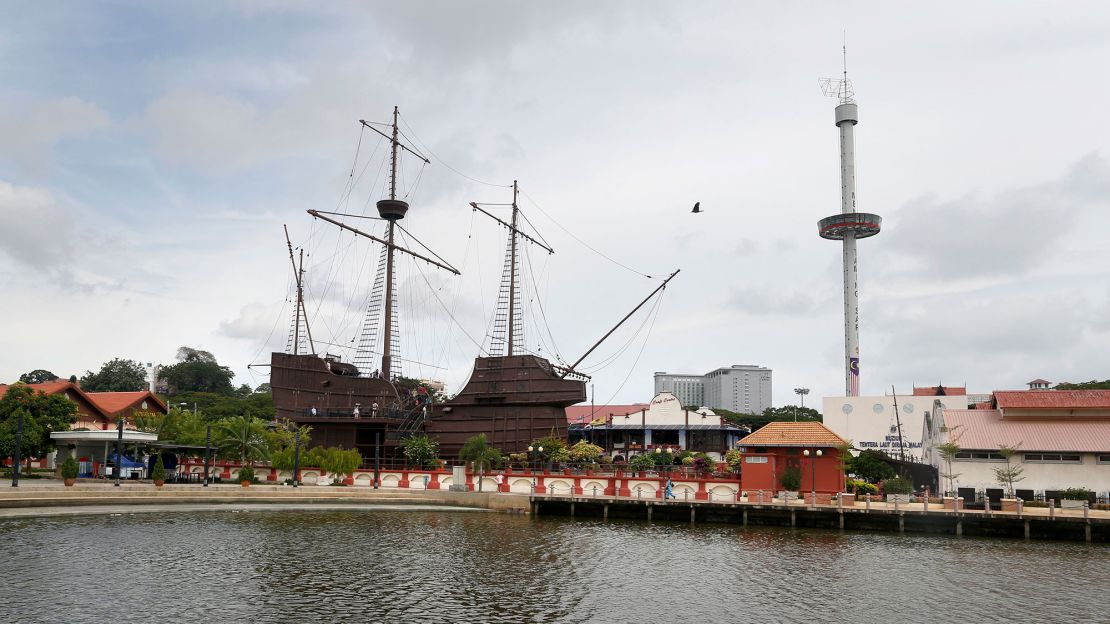
Hidden shipwrecks still lost at sea—plus the few that finally surfaced

In a world increasingly obsessed with personal well-being and lifestyle enhancement, the pursuit of adventure remains a timeless catalyst for growth. Far beyond the typical gym session or meditation retreat, the depths of the ocean harbor stories—treasures, mysteries, and lessons—that inspire a modern, youth-centric quest for meaning. From the icy waters near Antarctica to historic shipwrecks scattered across the globe, each sunken vessel embodies resilience and discovery, fueling not just adventure tourism but also a renewed appreciation for personal impact—health, leisure, and inspiration wrapped into one daring expedition.

One of the most recent and captivating chapters in maritime history unfolded in March 2022, when the remarkably preserved wreck of Ernest Shackleton’s HMS Endurance was found nearly two miles beneath the Antarctic seas. This discovery isn’t just about relics of exploration; it’s a reminder that embracing the unknown can propel individuals into a deeper understanding of themselves and the world. For young explorers, these tales evoke a sense of limitless possibility—a vital sentiment in a culture that champions adventure-driven wellness and physical resilience. As the endures of such expeditions demonstrate, pushing the boundaries of exploration directly correlates with a sense of personal empowerment and life enrichment.

Travelers seeking authentic experiences are increasingly drawn to extraordinary sites where history whispers from sunken ships like the Vasa in Stockholm or the mysterious Chuuk Lagoon. The Vasa, a 17th-century Swedish warship recovered after sinking on its maiden voyage, now stands as an inspiring symbol of historical resilience. Meanwhile, the haunting coral-covered remains in Chuuk Lagoon—left behind after Operation Hailstone during WWII—offer divers a chance to connect deeply with history and cultivate mental wellness. These experiences don’t just add stories to one’s travel portfolio; they foster a narrative of curiosity and resilience that encourages youth to pursue adventures that challenge and transform.

  • Travel tip: Devote time to uncover hidden histories—whether through snorkeling, diving, or museum visits—allowing yourself to be immersed in stories of perseverance and discovery.
  • Lifestyle hack: Integrate exploration into your routine—be it weekend hikes, local archaeological sites, or historical tours—to nurture resilience and curiosity.
  • Main takeaway: Rediscover the thrill of personal impact through active engagement with history and adventure, forging a lifestyle rooted in curiosity, health, and inspiration.

Ultimately, these deep-sea stories remind the modern youth that life itself is an adventure worth embracing. As explorers like Clive Cussler echoed in their pursuits, the elusiveness of sunken ships fuels a quest that mirrors life’s own unpredictable voyage—full of surprises, setbacks, and triumphs. Just as recovered artifacts from the Uluburun ship reveal treasures of the Bronze Age, our journeys—whether literal or metaphorical—are about uncovering what lies beneath the surface. By daring to venture into the unknown, young minds and bodies can **transform challenges into opportunities**, forging a path that synthesizes wellness, discovery, and purpose. So, set sail with the conviction to seek not just new destinations, but new perspectives that will shape your story—one of resilience, adventure, and profound personal impact.

Russian woman living in Karnataka cave with kids finally heads back home

Russia recently witnessed a peculiar chapter in its ongoing saga of international migration and human rights complexities, when Nina Kutina, a woman who gained global attention after her discovery living in a cave in India with her young daughters, was finally repatriated. Her case isn’t merely a story of survival; it underscores the broader geopolitical and societal implications surrounding urban migration, refugee management, and international legal responsibilities. While her situation initially drew media focus on her remarkable living conditions—residing in a remote, leaky cave—the geopolitical ramifications resonate far beyond personal hardship, affecting global diplomacy, legal protocols, and the perception of border sovereignty.

India continues to grapple with this complex incident involving Kutina and her children, as the courts navigated the delicate balance between humanitarian intervention and international legal obligations. According to reports, the High Court of Karnataka instructed the federal government to facilitate the return of the woman and her daughters to Russia, citing their lack of valid documents and the need for lawful repatriation. This legal action highlights how international treaties such as the United Nations Convention on the Rights of the Child are interpreted and applied differently across the world, especially in cases involving undocumented migrants or those who have deliberately chosen isolated lives over urban society. Analysts suggest that this case could be a precedent for how third countries respond to unusual migrant situations, especially when they cross into territory of strategic interest.

Yet, beneath the surface, the incident has exposed the underlying tension regarding sovereignty, human trafficking, and the right to self-determination. The woman’s claim of living in caves — and her subsequent rescue — prompted officials to question her motives and the factors driving her drastic choice of refuge. Her lawyer in India, Beena PK, invoked India’s commitment to international conventions to argue against immediate deportation. Conversely, government officials and legal experts pointed to her expressed desire to return to Russia, noting the importance of respecting individual sovereignty and legal extradition protocols. The decision to facilitate her repatriation—amid debates about her motives and well-being—serves as a microcosm of the ongoing global struggle to balance humanitarian concerns with national security and legal sovereignty.

This incident is emblematic of the broader geopolitical impact—highlighting how individual human stories are intertwined with larger international power plays. Navigating the pathways of migration, refuges, or illegal stays often leads to diplomatic tensions, especially when political alliances, legal frameworks, and societal narratives intersect. International organizations like INTERPOL and the United Nations continue to emphasize the importance of protecting human rights, yet their guidelines are frequently tested in such unpredictable scenarios. Historians note that in an era where borders are both vital and vulnerable, decisions made today echo in the corridors of history, shaping the narrative of sovereignty and global justice for generations to come.

Ultimately, the case of Nina Kutina encapsulates an unfolding chapter in a broader narrative of insecurity, migration, and sovereignty that the world must confront. As the woman departs for Russia and society debates her fate, the weight of history hangs heavily—reminding nations that their decisions today carve the contours of the future. The shadows of conflict, diplomacy, and the human spirit intertwine in this story, leaving the international community to ponder: in the relentless pursuit of justice and national integrity, how will the lessons of this seemingly isolated case influence the shaping of global policy? The pages of history continue to turn, and the future remains unwritten, awaiting the decisions that will define the fate of countless individuals caught at the crossroads of human rights and sovereignty.

Social Media Auto Publish Powered By : XYZScripts.com