Matox News

Truth Over Trends, always!

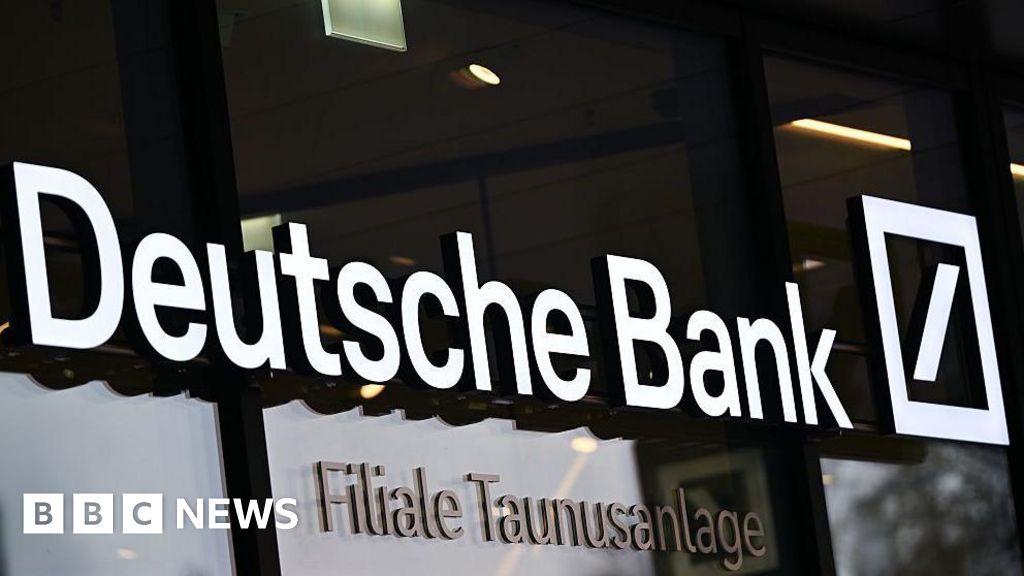
Deutsche Bank offices targeted in money laundering investigation—major disruption for Germany’s financial giant

Germany finds itself at the center of a new wave of scrutiny as officials recently conducted extensive searches in offices across Frankfurt and Berlin. This investigation revolves around what authorities are calling “past business relationships,” a vague yet potentially far-reaching clue into the economic and political fabric of Europe’s largest economy. While details remain scarce, the move signals an increased resolve by German regulators to address issues of transparency and accountability within influential sectors—an effort that has implications well beyond Germany’s borders.

The timing of these searches coincides with heightened geopolitical tensions and fluctuating alliances across Europe. Analysts suggest that such investigations could serve as a lever to scrutinize how certain business dealings—possibly tied to controversial partnerships or regions—may influence national policies or European stability. World observers note that this move also reflects growing concern over the nature of international financial networks and their potential to undermine democratic institutions. Observers point to the importance of this moment, emphasizing that these inquiries are not just domestic affairs—they are part of a broader contest of influence between global powers, where economic ties often mask underlying geopolitical struggles.

European institutions, including the European Commission and agencies specializing in anti-corruption, are closely monitoring the situation. According to international experts, these investigations could open a Pandora’s box, revealing connections that stretch across borders—potentially involving Russian, Chinese, or other foreign entities whose interests challenge Western policies. Such revelations might influence future negotiations on trade, security, and diplomatic relations, especially as Germany seeks to maintain its role as Europe’s economic leader amidst shifting alliances and external pressures. Furthermore, the European Union’s emphasis on scrutinizing corporate practices underscores a broader push towards moral and institutional integrity, which increasingly becomes a battleground in the contest between Western values and authoritarian models.

Historically, the pattern of uncovering hidden dealings within powerful economies has often precipitated significant realignments, warns renowned geopolitical analyst Dr. Jane McAllister. Such investigations, although seemingly procedural, hold the potential to *reshape* the landscape of international influence. As governments scramble to contain or capitalize on these disclosures, the wider societal impact remains profound: questions about accountability, sovereignty, and the true cost of global interconnectedness are laid bare. Meanwhile, several international organizations have issued cautious comments, emphasizing the importance of transparency but also warning against politicized misuse of investigative tools. Yet, the underlying message persists—what is uncovered today may very well determine the course of global history tomorrow.

As the world watches with bated breath, the echoes of this investigation threaten to resonate well beyond the confines of German bureaucracy. The unfolding story becomes a haunting reminder: in an era of intertwined economies and fragile diplomatic ties, history is written not just in treaties or military alliances, but in the quiet, relentless pursuit of truth. The question lingers—how will these revelations shape the future of Europe and the broader international order? The answer remains uncertain, but one thing is clear: the weight of history is still being forged in the shadows of today’s uncoverings.

Headteachers Back Plan to Teach Financial Skills to Students

Financial Literacy in Schools: A Necessary Shift to Strengthen Society

Amidst the rapid pace of demographic changes and social tensions in the UK, a significant cultural shift is underway, emphasizing the importance of financial literacy for the nation’s youth. The recent reforms to the national curriculum aim to equip primary and secondary school pupils in the south of England with essential knowledge about budgets, mortgages, compound interest, and money management. Such initiatives reflect a broader societal recognition that future generations must be prepared not just academically but practically for the economic realities that await them. The decision to table these lessons by 2028 underscores a proactive response to social issues that have long plagued families and communities—namely, the damaging effects of financial illiteracy.

In places like Queen’s Park Academy in Bournemouth, children are already demonstrating a savvy approach to their finances, understanding that “money doesn’t grow on trees” and that earning and managing money are vital life skills. Principal Sarah Simmons emphasizes that fostering financial literacy from a young age can prevent lifelong struggles with debt and poor financial decisions. Sociologists such as Dr. David Graeber have long argued that financial literacy is intertwined with social justice, empowering individuals to escape cycles of poverty and dependency. These lessons aim to build a foundation so that families are less likely to fall prey to predatory lending or credit traps, which disproportionately harm the most vulnerable members of society.

However, the shift has not been without challenges.

  • Teachers require specialized training to impart these lessons effectively.
  • There is an ongoing debate about how best to integrate this subject into already crowded curricula.
  • Some critics worry it may trivialize the importance of traditional academic disciplines.

Nonetheless, advocates like Sarah Porretta of Young Enterprise contend that financial education must be regarded as a fundamental human skill—just as vital as literacy and numeracy. Her organization emphasizes that teachers need support to develop confidence when addressing complex topics such as credit, debt, and investment. For communities, schools act as critical pillars where moral and ethical discussions about consumption, responsibility, and wealth distribution can be fostered, directly shaping how families navigate the economic landscape.

At institutions like the Leaf Studio Academy in Bournemouth, even specialized sports and arts-focused schools already recognize their responsibility to prepare students for life’s financial realities. Headteacher Tim Clark states, “If we don’t teach them about credit and debt, we are doing them an absolute disservice.” Such perspectives reflect a societal understanding that the health of our communities depends on educating our youth about the human impact of financial choices. As educators and social commentators echo this call, society faces a moral imperative to ensure that financial literacy becomes a universal standard, promising a future where informed decision-making reduces inequality and social division.

Reflections on Society’s Challenges and the Road Ahead

Society’s challenge today is not only to teach financial concepts but to foster an environment where ethical considerations and human dignity are central to economic discussions. As historian Yuval Noah Harari suggests, we are living in an era where the stories we tell ourselves about success and consumption shape our collective future. The hope persists that through collective effort—from policymakers to educators and communities—we can forge a society where every family has the tools to thrive, and social mobility is real and attainable. The pupils of tomorrow will inherit not just a currency, but a society that values competence, responsibility, and compassion. With education as their ally, society might yet transform into a place where the cycle of financial hardship is broken, giving way to a generation united in resilience and hope—ready to face the future with clarity and moral courage.

US Banks Scramble to Secure Data After Hack Hits Financial Tech Firm

Cyber Breach at SitusAMC Sparks Industry-Wide Concerns Over Data Security and Disruption

In a rapid display of the evolving cybersecurity landscape, SitusAMC, a prominent provider of financial technology solutions to over a thousand commercial and real estate lenders, confirmed a significant data breach earlier this month. This incident underscores the escalating sophistication and audacity of cybercriminals targeting vital infrastructure within the financial sector. The breach, identified on November 12, involves the exfiltration of sensitive corporate data, including banking client information, legal agreements, and accounting records, which could have far-reaching implications for the stability and privacy of major financial institutions. The breach’s discovery has triggered a swift response from industry giants, including JPMorgan Chase, Citigroup, and Morgan Stanley, emphasizing how vulnerabilities in third-party technology providers can cascade across the financial ecosystem.

This incident illustrates a broader trend where disruption comes not only from emerging fintech innovations but also from the vulnerabilities they introduce. As SitusAMC processes billions of documents annually, its role as a critical intermediary in real estate and commercial financing has positioned it as a high-value target for hackers. The attack’s modus operandi indicates an intent focused on data exfiltration rather than destruction, as no encrypting malware was reported—highlighting a strategic shift towards covert data theft that could facilitate future financial fraud or blackmail scenarios. Industry analysts, including those from Gartner, warn of a “strategic gap” in cybersecurity defenses, especially among firms relying heavily on third-party vendors for core operations.

The strategic implications for financial institutions are profound. This breach exposes critical vulnerabilities that threaten the integrity of customer data and challenge the notion that current blockchain and encryption technologies alone can guarantee safety. Fintech disruptors and traditional banks alike are under rising pressure to implement comprehensive, proactive security measures. The incident serves as a stark warning: the future of fintech innovation depends heavily on disrupting accepted cybersecurity paradigms and investing in next-generation solutions. Institutions involved in this ecosystem must re-examine their risk models, as well as their reliance on external vendors, to prevent catastrophic breaches that could diminish consumer trust and regulatory approval—elements crucial for future growth.

Looking ahead, experts including Elon Musk and Peter Thiel emphasize that rapid technological advancements demand equally rapid innovation in security infrastructure. As AI-driven threat detection matures, the businesses that focus on disrupting traditional cybersecurity models now will be tomorrow’s leaders. The interconnectedness of financial technology, legal compliance, and data privacy dictates an urgent race to outpace hackers. The FBI’s ongoing investigation underscores the seriousness of these threats, and the industry must respond with greater urgency given the increasing frequency and sophistication of cyberattacks. It is clear that an era of robust, resilient, and disruptive cybersecurity measures is imminent—those who lead this charge will shape the future of financial innovation and maintain global market stability amidst an increasingly hostile digital battleground.

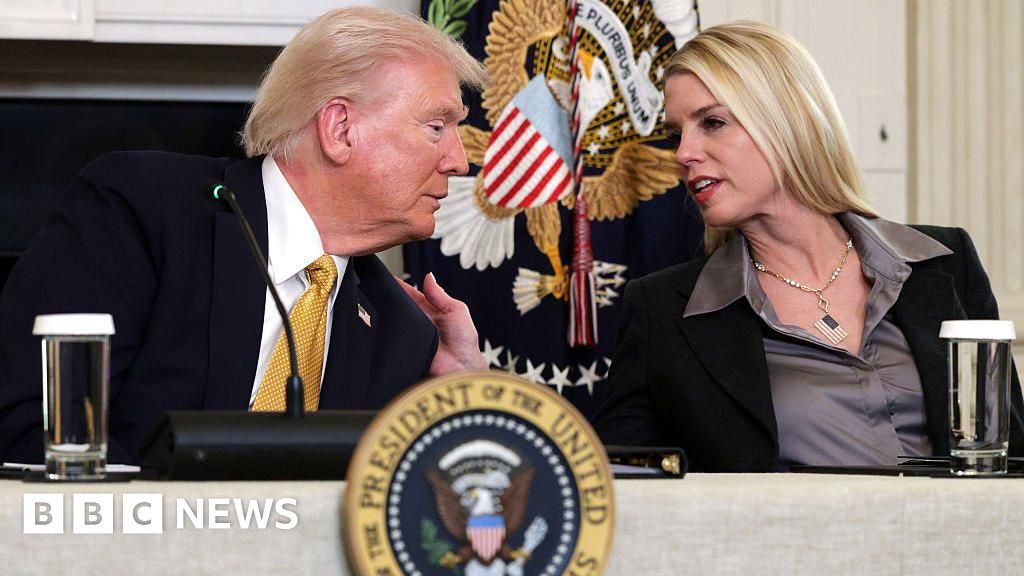
Trump to launch investigation into Epstein’s links with Clinton and financial institutions

As U.S. politics continues to grapple with unresolved questions surrounding Jeffrey Epstein and his network, President Donald Trump has directed the Department of Justice (DoJ) and FBI to investigate alleged links between Epstein, major financial institutions, and prominent Democrats, including former President Bill Clinton. This move coincides with the recent release of over 20,000 pages of documents from Epstein’s estate, revealing connections that threaten to ignite a new wave of political turmoil. Critics and analysts warn that this investigation could significantly alter the geopolitical landscape, exposing the deep-rooted corruption embedded within America’s elite institutions.

The renewed scrutiny comes at a pivotal moment when the House of Representatives is poised to vote on whether to declassify and release official files related to Epstein’s death in prison in 2019. This decision, driven by Democrat Adelita Grijalva and a coalition of bipartisan support, threatens to unearth scandalous disclosures involving high-profile figures and financial giants like JPMorgan Chase and Reid Hoffman, a prominent Democratic donor and tech mogul. These revelations suggest a web of clandestine ties that, if confirmed, could redefine public trust and the perception of moral decay at the heart of global power structures.

Historically, the geopolitics of corruption has shaped international alliances and destabilized governments. Experts warn that America’s internal crisis echoes through the fabric of the global order, especially as international organizations like the United Nations and EU scrutinize Washington’s integrity. Political analysts cite the emails and correspondence from Epstein’s associates—such as former Harvard president Larry Summers—to demonstrate how elite networks operate behind closed doors, manipulating both policy and society. The revelation of Epstein’s associations with powerful voices raises alarms about the potential influence exerted over international finance and diplomatic negotiations.

Beyond the immediate political fallout, the attempts by House Republicans and conservative voices to push forward the release of Epstein-related files mark a significant shift in the ongoing struggle for transparency and accountability. Figures like Marjorie Taylor Greene emphasize the importance of pursuing justice for Epstein’s victims, framing this issue as a moral imperative to expose the hidden structures of power. As history watches with cautious optimism, the unfolding narrative underscores that the fight against corruption is not solely national but a pivotal chapter that will influence the global order for generations to come. The fate of these documents—whether they remain sealed or become a catalyst for revolutionary change—will be a defining moment etched into the chronicles of modern history, reminding us that the weight of scandal and redemption continues to shape the course of nations.

Campus jobs vanish as financial crisis hits youth future

Society at a Crossroads: The Human Cost of Higher Education Budget Cuts

Across the landscape of British higher education, recent years have revealed a troubling trend: an unprecedented wave of financial austerity measures that threaten the very fabric of our educational communities. The University and College Union (UCU) reports that more than 12,000 jobs have been slashed in the last year alone, with an additional 3,000 positions at risk due to ongoing cost-saving initiatives. These reductions go beyond mere numbers— they echo deeply within the lives of students and staff, altering the core of our societal structure where families, education, and community tie together. As universities grapple with the need to tighten budgets, the moral and social consequences ripple outward: what does it mean for a student aiming for a future, or a lecturer whose livelihood hinges on decisions made in boardrooms?

Disturbingly, this climate of cutbacks fuels a demoralized workforce— university staff report being “exhausted, furious, and undervalued,” as Jo Grady, UCU general secretary, starkly describes. The sustenance of >4 million students in England alone is now shadowed by uncertainty, with many witnessing the disconsolidation of vital support services such as disability resources and cleaning staff. Such austerity measures are not just financial; they strike at the ethical heart of what it means to serve the public good. Sociologists like Michael Apple warn that these policies prioritize economic “efficiencies” at the expense of societal well-being, leading to a long-term decline in social mobility and access to higher education for the most vulnerable.

Among those facing the harshest consequences are academic staff like Dr. Zak Hughes, a chemistry lecturer at the University of Bradford, who describes the stark reality: he risked losing his job and, if that happens, will have to move back with his mother into her home, a stark symbol of societal insecurity. Meanwhile, in Edinburgh, a similar story unfolds where a planned £140 million in cuts looms over nearly 1,800 jobs, casting a shadow of doubt over students’ futures. Young people like Caspar Cubitt, a theology student, admit that the uncertainty has caused them to question their very decision to pursue higher education, stirring a cultural shift where aspirations are replaced with apprehensions. The historian David Brooks underscores that these trends threaten the foundations of our civic identity, as universities have long been pillars of societal progress and moral debate.

In response, some institutions call for “swift and decisive action” from the government, emphasizing that financial stability must be balanced against the moral obligation to support future generations. Yet, the crisis illuminates a deeper societal tension: how do we preserve the integrity of education in a system increasingly driven by economic imperatives? For families, this means reconsidering their investments in their children’s futures; for communities, it signals a fracturing of the social fabric that binds generations together. As the philosopher Francis Schaeffer once noted, society is only as strong as its moral commitment to human dignity and shared purpose. The challenge now is to envision a way forward—one that not only mitigates these cuts but also redefines the role of higher education as a true societal good, rooted in the promise of opportunity, hope, and resilience. In this moment of crisis, society is called to reflect: can it transform hardship into a catalyst for moral renewal, ensuring that the pursuit of knowledge remains a pursuit of justice?

Social Media Auto Publish Powered By : XYZScripts.com